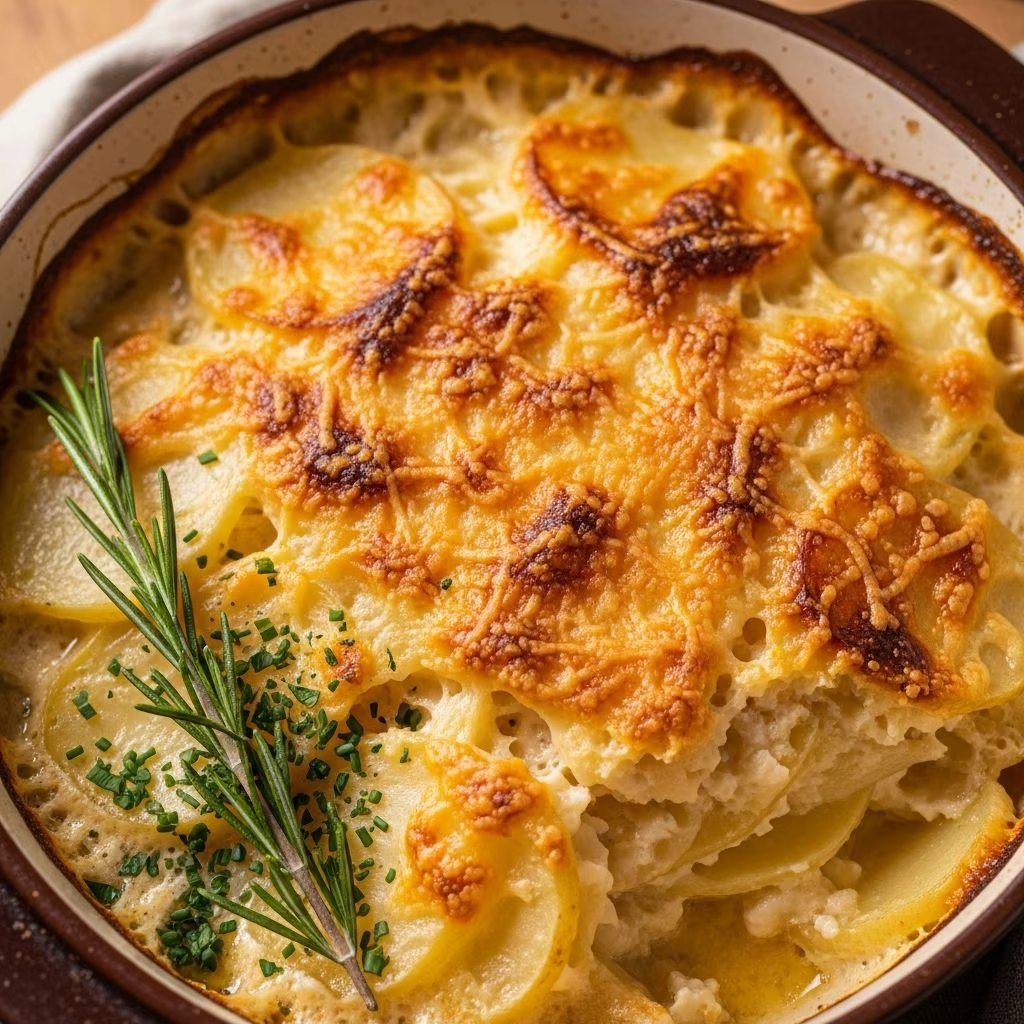
Scalloped potatoes stand out as a timeless dish that combines tender potato slices enveloped in a luxurious, creamy sauce, crowned with a beautifully browned, crispy layer. This recipe elevates the classic by balancing rich indulgence with textural contrast, making it a must-have for holiday tables, weeknight dinners, or potlucks. With simple ingredients and straightforward techniques, anyone can achieve restaurant-quality results at home.
Why Scalloped Potatoes Never Go Out of Style
Rooted in French cuisine as gratin dauphinois, scalloped potatoes have evolved into a beloved staple in American home cooking. The magic lies in the alchemy of starch from the potatoes thickening the dairy-based sauce, creating a cohesive yet sliceable casserole. Modern twists incorporate cheese for extra savoriness and techniques for enhanced crispiness, ensuring the dish remains relevant across generations.
Nutritionally, potatoes provide potassium, vitamin C, and fiber, while the cream and cheese add calcium and protein. A moderate portion fits well into balanced meals, especially when paired with lean proteins or vegetables.
Selecting the Best Potatoes for Superior Results
Choosing the right potato variety is crucial for texture. Opt for waxy types like Yukon Gold or red potatoes, which maintain their shape during baking without turning mushy. These have lower starch content compared to russets, preventing a gummy consistency.
- Yukon Gold: Buttery flavor, golden hue, ideal for creamy dishes.
- Red Potatoes: Firm texture, thin skin adds subtle color.
- Avoid Russets: High starch leads to breakdown; reserve for mashed potatoes.
Aim for 4-5 pounds (about 8-10 medium potatoes) to serve 8-10 people generously. Uniform size ensures even cooking.
Essential Ingredients for the Creamy Sauce
The sauce is the heart of scalloped potatoes, providing moisture and binding the layers. Key components include:
| Ingredient | Quantity | Purpose |
|---|---|---|
| Heavy Cream or Whole Milk | 2-3 cups | Rich base that thickens naturally |
| Unsalted Butter | 2-4 tbsp | Flavor and roux foundation |
| All-Purpose Flour | 1-2 tbsp | Thickens into béchamel-style sauce |
| Cheese (Parmesan, Cheddar) | 1-2 cups grated | Melted creaminess and umami |
| Garlic, Thyme, Salt, Pepper | To taste | Aromatic depth |
Heavy cream yields the silkiest results, but half-and-half or milk works for lighter versions. Freshly grated cheese melts better than pre-shredded.
Step-by-Step Guide to Preparation
Preparation takes about 20-30 minutes, with baking requiring 60-90 minutes. Patience rewards with perfectly tender centers and crisp edges.
Preheat and Prep: Set oven to 400°F (200°C). Grease a 9×13-inch baking dish with butter or oil. This prevents sticking and promotes browning.
Slice Precisely: Use a mandoline or sharp knife for 1/16-inch (1-2mm) thin slices. Place in ice water to remove excess starch and prevent oxidation. Pat dry thoroughly.
Build the Roux: Melt butter over medium heat, add minced garlic (2 cloves), cook until fragrant (1 minute). Whisk in flour, stirring 1-2 minutes to cook out raw taste.
Develop the Sauce: Gradually pour in cream/milk, whisking to avoid lumps. Simmer 5-10 minutes until thickened. Stir in ½ cup cheese, thyme, salt, and pepper. Cool slightly.
Assemble Layers: Arrange one-third of potatoes upright or overlapping in the dish. Pour one-third sauce, sprinkle cheese. Repeat twice, ending with sauce and extra cheese.
Bake to Perfection: Cover with foil, bake 30-45 minutes until potatoes are tender (knife inserts easily). Uncover, bake 20-30 more minutes for crispy top. Broil 2-3 minutes if needed for extra crunch.
Rest and Serve: Let sit 10-15 minutes to set. Garnish with fresh herbs.
Pro Tips for Flawless Texture and Flavor
- Uniform Slices: Essential for even cooking; a mandoline saves time and ensures consistency.
- Season Each Layer: Sprinkle salt/pepper between layers to avoid bland centers.
- Foil Trick: Tent loosely to steam initially, then remove for browning.
- Make-Ahead: Assemble up to 24 hours ahead, refrigerate, add 10-15 minutes bake time.
- Crispy Boost: Brush top with olive oil/butter mix or add panko breadcrumbs.
Delicious Variations to Suit Any Taste
Customize this base recipe for dietary needs or preferences:
- Cheesy Overload: Mix cheddar, Gruyère, or Gouda for fondue-like richness.
- Vegan Twist: Use coconut cream, nutritional yeast, and plant-based butter.
- Loaded Style: Add ham, bacon, or onions between layers for heartiness.
- Herb-Infused: Rosemary, sage, or nutmeg elevate aroma.
- Lightened Up: Half milk, half stock; skip cheese for classic au gratin.
Common Mistakes and How to Avoid Them
Even seasoned cooks encounter pitfalls. Here’s how to sidestep them:
| Mistake | Why It Happens | Solution |
|---|---|---|
| Soggy Potatoes | Thick slices or insufficient baking | Mandoline slicing, full bake time |
| Lumpy Sauce | Cold dairy added too fast | Warm gradually while whisking |
| No Crisp Top | Covered entire bake | Uncover second half, broil if needed |
| Watery Dish | Undried potatoes | Soak and pat dry slices |
Testing doneness: A paring knife should glide through with slight resistance.
Pairing Suggestions for the Perfect Meal
Scalloped potatoes complement roasted meats beautifully:
- Holidays: Turkey, ham, or prime rib.
- Weeknights: Grilled chicken or pork chops.
- Vegetarian: Mushroom loaf or stuffed peppers.
- Wines: Chardonnay or Pinot Noir cuts the creaminess.
Serve with green beans, salad, or asparagus for balance.
Storage, Reheating, and Freezing Guidelines
Leftover scalloped potatoes keep well:
- Fridge: Covered, up to 4 days.
- Reheat: Oven at 350°F covered with foil, 20-30 minutes. Microwave for singles.
- Freeze: Assembled unbaked up to 2 months. Thaw overnight, bake as directed.
- Tip: Portion into individual servings for easy meals.
Nutrition Breakdown Per Serving
Approximate values for 8 servings (using full-fat ingredients):
| Nutrient | Amount |
|---|---|
| Calories | 350 |
| Carbs | 40g |
| Protein | 8g |
| Fat | 18g |
| Sodium | 500mg |
Values vary by substitutions; track with apps for precision.
Frequently Asked Questions
Can I make scalloped potatoes without cheese?
Yes, omit cheese for a classic version; the cream sauce alone provides creaminess.
How do I get extra crispy edges?
Increase oven temp to 425°F for the final 10 minutes or use a cast-iron dish.
What’s the difference between scalloped and au gratin potatoes?
Scalloped typically means cream without cheese; au gratin adds cheese. Many recipes blend both.
Can I use a slow cooker?
Yes, layer as directed, cook low 6-8 hours, uncover last hour for crisp.
Are red potatoes okay?
Absolutely; their waxiness holds shape well.
References
- Creamy Scalloped Potatoes Recipe — Barley & Sage. 2023. https://www.barleyandsage.com/creamy-scalloped-potatoes/
- Creamy Scalloped Potatoes — Olive & Mango. 2023. https://www.oliveandmango.com/creamy-scalloped-potatoes/
- Crispy Scalloped Potatoes — Cravings Journal. 2023. https://cravingsjournal.com/crispy-scalloped-potatoes/
- Scalloped Potatoes Recipe — The Modern Proper. 2023. https://themodernproper.com/scalloped-potatoes
- Simple Scalloped Potatoes — An Italian in my Kitchen. 2023. https://anitalianinmykitchen.com/simple-scalloped-potatoes/