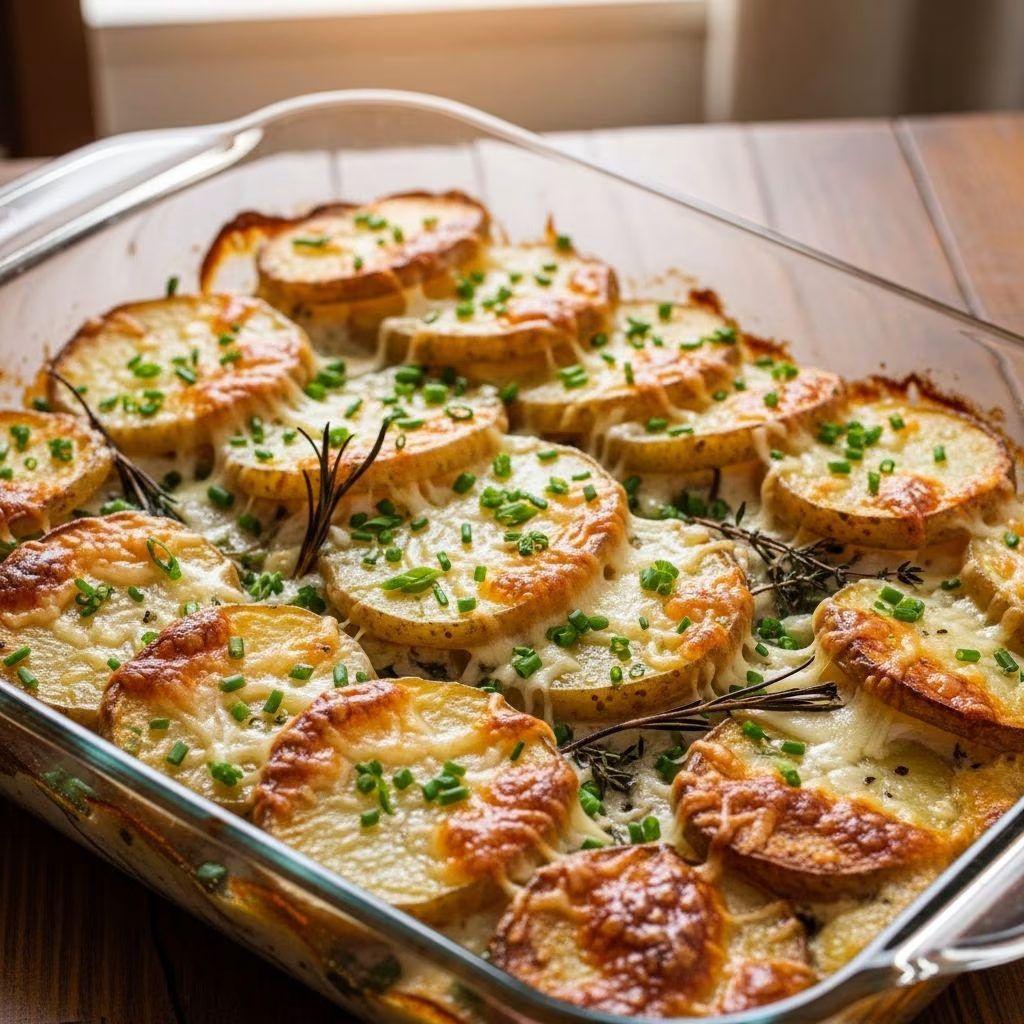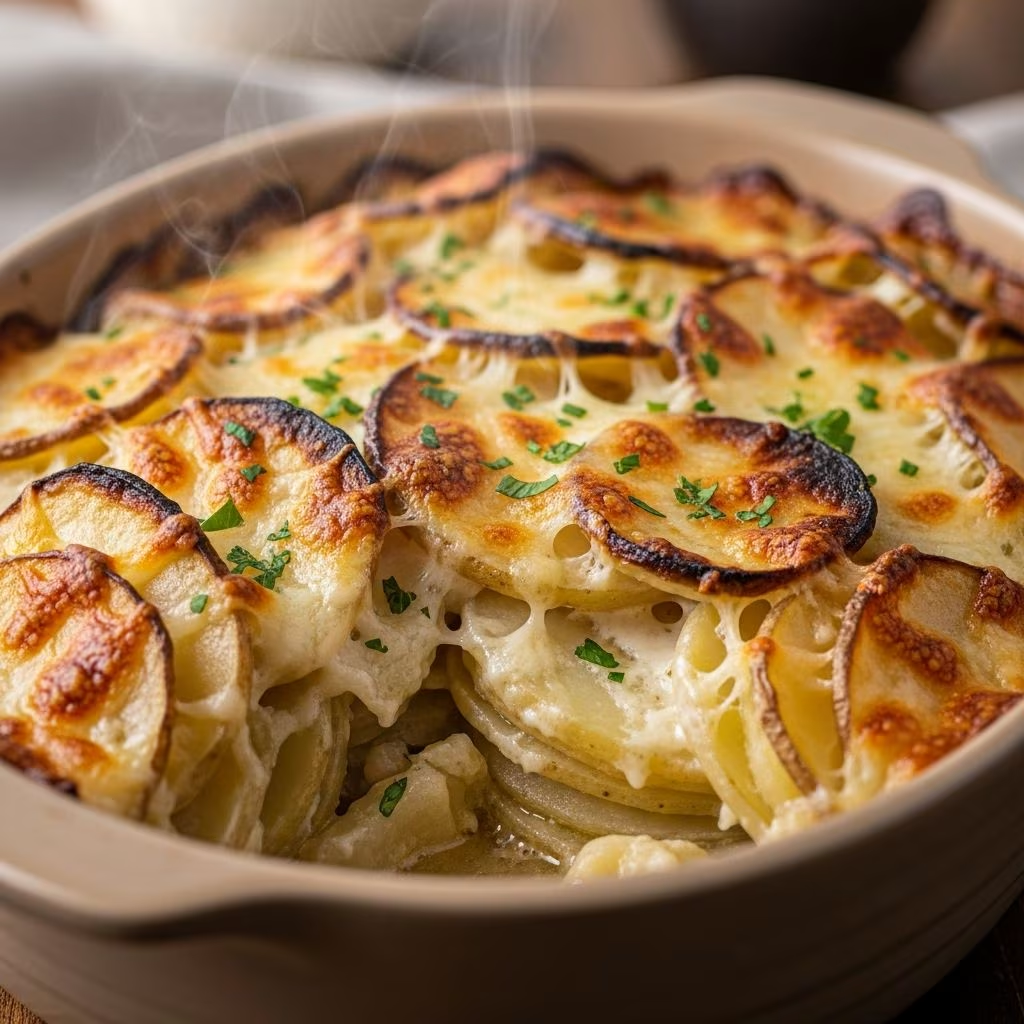
Potatoes au gratin stands as a timeless comfort food, transforming simple spuds into a decadent casserole bubbling with cheese and cream. This dish, with its crispy golden top and tender interior, elevates any meal from everyday dinners to grand holiday spreads. Originating from French culinary traditions, it relies on thinly sliced potatoes bathed in a rich sauce, baked until the edges caramelize. Our comprehensive guide draws from proven methods to ensure your version achieves that ideal ooze of sauce without sogginess.
Why Potatoes Au Gratin Captivates Home Cooks
The allure lies in its versatility and crowd-pleasing appeal. Unlike scalloped potatoes, which often use a milk-based white sauce, au gratin emphasizes heavy cream and multiple cheeses for unparalleled richness. The starch from the potatoes naturally thickens the mixture during baking, creating layers that meld into creamy perfection. It’s a make-ahead friendly option, improving in flavor as it rests, making it ideal for entertaining.
Key to success is selecting the right potatoes. Yukon Gold varieties shine due to their medium starch content, offering buttery texture and even cooking. Russets work but can become mealy if over-sliced. Aim for uniform 1/8-inch thickness using a mandoline for efficiency and consistency.
Essential Ingredients for Superior Flavor
Gathering high-quality components sets the foundation. Here’s a breakdown:
- Potatoes: 2-3 pounds Yukon Gold, peeled and sliced thin for optimal tenderness.
- Dairy Base: 2 cups heavy cream mixed with 1 cup whole milk prevents separation and ensures silkiness.
- Cheeses: 1.5 cups shredded sharp cheddar for meltability, 0.5 cup grated Parmesan for nutty depth, and optional Gruyère for sophistication.
- Aromatics: 1 small onion finely diced, 2-3 garlic cloves minced, and fresh thyme for herbaceous notes.
- Thickeners and Seasonings: 3 tablespoons butter, 2-3 tablespoons flour (optional for roux), salt, pepper, and a pinch of nutmeg.
These elements balance creaminess with subtle savoriness, avoiding blandness common in hasty preparations.
Step-by-Step Preparation Guide
Mastery comes from precise execution. Preheat your oven to 350-375°F for controlled baking.
- Prep Potatoes: Slice into even rounds. Parboil briefly in cream mixture for 5 minutes to release starches and jumpstart softening.
- Build the Sauce: Sauté onions and garlic in butter until translucent. Whisk in flour for a roux if desired, then gradually add cream and milk. Simmer until thickened, stirring in most cheeses until melted.
- Assemble Layers: Grease a 9×13-inch dish. Layer one-third potatoes, sauce, cheese, salt, and pepper. Repeat twice, topping with remaining cheese.
- Bake Covered: Foil-covered for 45-60 minutes until fork-tender. Uncover, add final cheese, and broil 5-10 minutes for browning.
- Rest and Serve: Let sit 10-15 minutes to set, enhancing sliceability.
This method, inspired by classic techniques, yields a dish where sauce clings luxuriously to each slice.
Pro Tips for Texture Perfection
Achieving the holy grail—no dry edges, no watery pools—requires nuance. Slice uniformly to ensure even cooking; thicker cuts lead to underdone centers. Use freshly shredded cheese, as pre-shredded varieties contain anti-caking agents that hinder melting. Stirring the sauce prevents lumps, and low-simmering activates potato starches for natural thickening without flour reliance.
For extra indulgence, incorporate bacon bits between layers or a dash of smoked paprika. Press layers gently to submerge potatoes fully in sauce. Test doneness by piercing with a knife; it should glide through effortlessly.
| Common Issue | Solution |
|---|---|
| Soggy Top | Uncover last 20 minutes; broil briefly. |
| Dry Casserole | Increase cream ratio; parboil slices. |
| Uneven Cooking | Mandoline slicing; overlap layers tightly. |
| Bland Flavor | Fresh garlic, thyme, nutmeg pinch. |
Customizing Your Au Gratin
Adapt for dietary needs or tastes. For gluten-free, skip flour and rely on potato starch. Vegan versions use cashew cream and nutritional yeast. Add-ins like ham, spinach, or leeks transform it into a main course. Spice lovers can infuse sauce with rosemary or creole seasoning.
- Make-Ahead: Assemble, cover, refrigerate up to 2 days. Bake straight from cold, adding 15 minutes.
- Freezer-Friendly: Bake fully, cool, wrap tightly; thaw and reheat at 350°F.
- Portion Control: Use ramekins for individuals, reducing bake time to 30-40 minutes.
Pairing Suggestions for Maximum Impact
This side complements roasted meats beautifully. Pair with beef tenderloin for holidays, grilled chicken for weeknights, or pork chops for comfort. Its richness cuts through lean proteins, while acidity from wines like Chardonnay balances creaminess. Serve alongside green beans or salads for contrast.
Nutritional Insights and Serving Sizes
A 1-cup serving offers about 350 calories, primarily from dairy fats, with 8g protein and vitamin C from potatoes. Moderate portions suit balanced meals. For health tweaks, use half-and-half or add veggies to boost fiber.
Frequently Asked Questions
Can I use russet potatoes instead?
Yes, but Yukon Golds yield creamier results due to lower starch. Russets thicken more but may dry out.
How do I prevent a curdled sauce?
Add dairy gradually off heat and avoid high temps. Fresh cream helps.
What’s the difference from scalloped potatoes?
Au gratin features cheese topping; scalloped uses flour-thickened milk without cheese.
Can I make it dairy-free?
Substitute coconut cream and vegan cheeses, adjusting seasonings for flavor.
How long does it last in the fridge?
Up to 4 days covered; reheat at 325°F covered to retain moisture.
Advanced Techniques for Gourmet Results
Elevate with infused cream: steep garlic, thyme, and bay leaves overnight. For crusty tops, use a kitchen torch post-bake. Experiment with Emmentaler or half Gruyère for Swiss flair. Slow-cooking at 300°F for 90 minutes intensifies flavors, mimicking restaurant methods.
Understanding starch behavior is key. Potatoes release amylose during slicing and cooking, binding the sauce. Pre-soaking in water rinses excess, but for au gratin, retain it for thickness.
Historical Roots and Global Variations
Gratin derives from ‘gratter’ (to scrape), referring to browned tops. French origins pair it with meats; American twists add cheddar. In Scandinavia, it’s Janssons frestelse with anchovies. These evolutions highlight its adaptability.
References
- Perfectly Creamy Au Gratin Potatoes — The Daring Gourmet. 2023-10-15. https://www.daringgourmet.com/perfectly-creamy-au-gratin-potatoes/
- Potatoes Au Gratin Recipe — The Modern Proper. 2024-05-20. https://themodernproper.com/potatoes-au-gratin
- Ultimate Creamy Potato Au Gratin Recipe — Island Vibe Cooking (YouTube). 2023-11-12. https://www.youtube.com/watch?v=J5JT9PzPX9s
- Best Potatoes Au Gratin Recipe — Delish. 2024-08-05. https://www.delish.com/cooking/recipe-ideas/a63902265/best-potatoes-au-gratin-recipe/
- Dad’s Creamy & Cheesy Au Gratin Potatoes — Ambitious Kitchen. 2023-02-14. https://www.ambitiouskitchen.com/au-gratin-potatoes/
- Creamy Potatoes Au Gratin — White on Rice Couple. 2022-12-01. https://whiteonricecouple.com/potatoes-au-gratin-recipe/
- Au Gratin Potatoes — The Cozy Cook. 2024-03-10. https://thecozycook.com/au-gratin-potatoes/