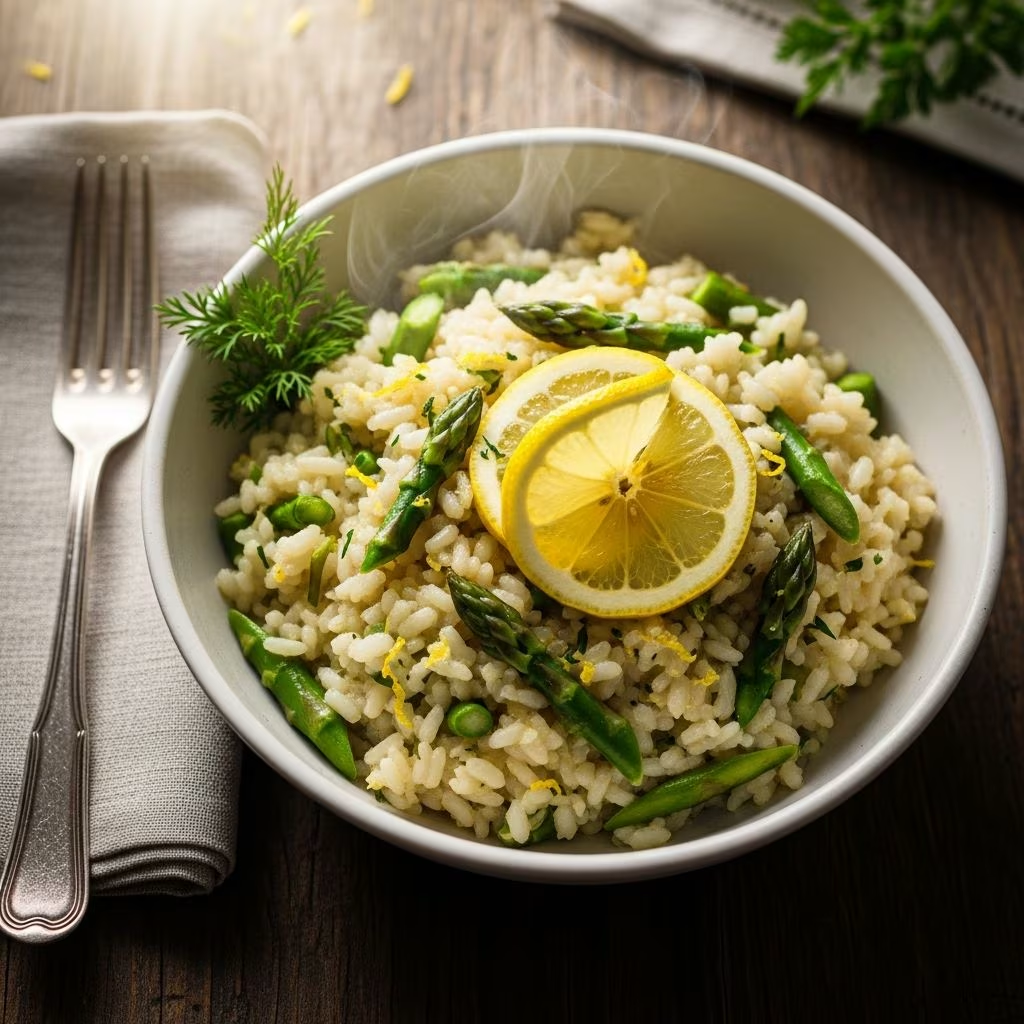
Understanding the Foundation: What Makes Risotto Special
Risotto represents one of Italy’s most celebrated culinary contributions, originating from the northern regions where arborio rice flourishes in the Po Valley. This northern Italian rice dish achieves its signature creamy texture not through the addition of cream or milk, but rather through a meticulous cooking process that releases the rice’s natural starches. The traditional preparation involves gradually incorporating warm broth while stirring almost constantly, allowing each grain to gradually absorb the liquid while maintaining a slight firmness at its center. The result is a dish that balances richness with elegance, creating a foundation upon which countless variations can be built.
The beauty of risotto lies in its versatility and its ability to celebrate seasonal ingredients. While the cooking technique remains consistent, the flavor profile transforms dramatically based on what you add to the pot. For spring cooking, lemon and asparagus represent a particularly harmonious pairing, offering bright acidity, subtle earthiness, and the promise of fresh ingredients at their peak.
Selecting Quality Ingredients for Optimal Results
The success of your lemon asparagus risotto begins not at the stove but at the market. Each ingredient plays a critical role in creating the final dish, and choosing premium components ensures superior results.
The Rice: The Heart of Your Dish
Arborio rice serves as the traditional choice for risotto preparation, though alternatives like Carnaroli and Vialone Nano work equally well. These short-grain varieties contain higher levels of amylopectin starch, which breaks down during cooking to create the characteristic creamy consistency without requiring additional dairy products. When shopping, look for rice that appears translucent with a distinctive white dot at the center of each grain—this indicates proper starch composition. Avoid long-grain varieties, which lack the necessary starch content and will result in a grainy, separated texture rather than the desired velvety consistency.
Fresh Asparagus Selection and Preparation
Spring asparagus offers tender spears with bright green coloring and tightly closed tips. When selecting asparagus at the market, bend a spear gently—it should snap cleanly rather than bend. Thinner spears typically cook more quickly and integrate more seamlessly into risotto than thicker varieties. Prior to cooking, cut the asparagus diagonally into one-inch lengths, discarding the tough, woody ends that remain inedible even after cooking. This cutting technique not only improves texture but also creates a more visually appealing presentation in the finished dish.
Lemon: Balancing Brightness and Depth
Both lemon zest and juice contribute essential elements to this dish. The zest provides aromatic oils that intensify the citrus flavor without adding excessive acidity, while fresh lemon juice brightens the final product and balances the richness of the cheese and butter. Choose lemons with thin, unblemished skin and a slight give when gently squeezed—these indicators suggest optimal juice content and flavor intensity. Zest the lemon before juicing for maximum freshness and ease.
Cheese and Dairy Components
Parmigiano-Reggiano cheese, specifically aged versions from the Emilia-Romagna region, provides nutty, complex flavors that complement the spring vegetables. Freshly grate the cheese immediately before use—pre-grated varieties often contain anti-caking agents that prevent smooth melting and integration into the risotto. Butter quality matters equally, as unsalted butter allows better control over the final seasoning while contributing a subtle richness that complements rather than overwhelms the lemon and asparagus flavors.
Equipment and Setup for Success
Before beginning the cooking process, gather all necessary equipment and ingredients. A heavy-bottomed Dutch oven or similarly substantial pot maintains consistent heat distribution, preventing hot spots that could scorch the rice. A separate saucepan for warming the broth ensures that liquid enters the risotto at the proper temperature, promoting even cooking throughout. Having a wooden spoon designated specifically for stirring helps prevent scratching the pot’s surface and provides better tactile feedback as the rice releases its starches.
The Cooking Process: Building Flavor Layer by Layer
Preparing the Asparagus
Two primary methods exist for preparing asparagus in risotto, each yielding slightly different results. The blanching method involves cutting the asparagus into one-inch diagonal pieces and cooking them in boiling salted water for three to four minutes until they reach an al dente texture. Immediately transfer the blanched asparagus to an ice bath to halt the cooking process and preserve the bright green color. This technique ensures the asparagus remains tender-crisp and maintains vibrant coloring throughout the risotto.
Alternatively, roasting offers a more robust flavor profile. Preheat your oven to 400 degrees Fahrenheit, coat asparagus pieces with olive oil, season lightly with salt, pepper, and a small amount of lemon zest, then roast for ten to fifteen minutes until tender and beginning to caramelize at the edges. Roasted asparagus contributes deeper, earthier notes to the final dish and requires less liquid overall.
Building the Aromatic Base
Begin by heating the broth or stock in a separate saucepan over medium heat until it reaches a gentle simmer, then reduce the heat to its lowest setting to maintain warmth without evaporation. In your risotto pot, melt two tablespoons of butter over medium heat. Add minced shallots and cook for three to five minutes until they become translucent and release their fragrant aromatics. Shallots provide a milder, sweeter onion flavor compared to regular onions and integrate more seamlessly into the finished dish. At this stage, add the lemon zest to bloom its aromatic oils in the warm fat, intensifying the citrus notes throughout the dish.
Toasting the Rice
Add the arborio rice to the pot and stir constantly for approximately one to two minutes. This toasting step, sometimes called “mantecatura,” helps separate the grains and begins releasing the starches that will create the characteristic creamy texture. You should hear a subtle clicking sound as the rice grains rub together, and they should appear slightly translucent around the edges while maintaining a white center.
Adding Liquid Gradually
Begin adding warm broth approximately one ladle at a time (roughly half to one cup), stirring almost constantly and waiting for the liquid to be mostly absorbed before adding the next addition. This patient, methodical process typically requires twenty-five to thirty-five minutes of nearly continuous stirring. While this might seem tedious, the constant agitation serves a critical purpose: it continuously breaks down the rice’s outer layer, releasing more starch that transforms the broth into a creamy suspension while the rice grains remain individually cooked but slightly firm at the center.
Timing the Vegetable Additions
After approximately twenty minutes of cooking, when the rice has begun to soften but remains significantly firmer than the desired finished texture, add any peas if using. Continue adding broth and stirring. During the final stages of cooking, when approximately one cup of broth remains, incorporate your prepared asparagus along with any accumulated juices. This timing ensures the asparagus warms through completely while remaining tender-crisp rather than becoming mushy from prolonged cooking.
The Final Assembly: Achieving Perfect Texture
Understanding Mantecatura
The final step transforms your risotto from a mere rice dish into a luxurious preparation. Remove the pot from heat and vigorously stir in freshly grated Parmigiano-Reggiano cheese along with the remaining butter. This final addition of fat and cheese, combined with vigorous stirring, creates what Italian cooks call “mantecatura”—a technique that transforms the risotto’s texture to become creamy, silky, and remarkably luxurious. The cheese should fully melt and distribute evenly throughout the dish, creating a unified texture rather than visible cheese particles.
Lemon Integration
After the cheese has fully melted and incorporated, add your fresh lemon juice and any additional lemon zest. The acidity of the lemon juice brightens the dish and prevents it from becoming overly rich or heavy. Taste and adjust seasoning with salt and pepper as needed, remembering that the Parmigiano-Reggiano already contributes significant saltiness.
Achieving the Ideal Consistency
The finished risotto should mound softly on a spoon rather than standing rigidly or flowing like soup. If your risotto appears too thick, add additional warm broth one or two tablespoons at a time until reaching the desired consistency. If it seems too loose, add more grated cheese to absorb excess moisture. This final adjustment is crucial—serving risotto at precisely the right moment ensures the best texture and eating experience.
Serving and Presentation Suggestions
Risotto demands immediate service for optimal texture and temperature. Divide the preparation among warm bowls and garnish each serving with fresh basil leaves, additional lemon zest, a light drizzle of premium extra-virgin olive oil, and freshly ground black pepper. The hot risotto itself continues cooking briefly after plating, so slightly undercooking the final product can prevent it from becoming too thick by service time.
Consider serving lemon asparagus risotto as a elegant standalone main course or as an accompaniment to seared proteins like salmon, shrimp, or scallops. The bright, fresh flavors complement seafood particularly well while offering sufficient substance to satisfy as a primary dish for vegetarian diners.
Storage and Reheating Guidance
While risotto achieves its finest texture immediately after preparation, leftovers can be stored in an airtight container within the refrigerator for up to two days. To reheat, transfer the risotto to a non-stick skillet and add several tablespoons of broth or water, warming over medium-low heat while stirring frequently until the mixture becomes loose and creamy again. The added liquid compensates for the liquid absorbed during storage, restoring a texture closer to the original preparation.
Time-Saving Variations and Adaptations
While traditional stovetop risotto offers superior texture and flavor control, pressure cooker methods can reduce cooking time to approximately twenty minutes while producing nearly equivalent results. For those seeking additional vegetables, consider incorporating fresh spinach during the final minutes of cooking, stirring until the leaves wilt completely before finishing with lemon juice, zest, and cheese.
Frequently Asked Questions
What type of rice should I use?
Arborio, Carnaroli, or Vialone Nano rice varieties work best for risotto. These short-grain varieties contain the proper starch composition necessary for achieving the characteristic creamy texture without added cream or milk.
Can I make risotto ahead of time?
Risotto is best served immediately after preparation, though it can be refrigerated for up to two days. When reheating, add additional broth or water to restore the creamy texture that develops during storage.
How do I prevent my risotto from becoming mushy?
Maintain constant stirring and add broth gradually, waiting for liquid absorption before each new addition. Properly cooked risotto rice should be tender but retain a slight firmness at the center of each grain.
Is cream necessary in risotto?
Traditional risotto achieves its creamy texture through the natural starches released from arborio rice, not from added cream. However, some recipes incorporate cream for additional richness, which is a matter of personal preference.
What if my risotto turns out too thick?
Add warm broth one or two tablespoons at a time, stirring to incorporate. The risotto should mound softly on a spoon, neither too stiff nor too runny.
Nutritional Considerations and Ingredient Flexibility
This dish provides a good source of vegetables through the asparagus and peas, while arborio rice offers complex carbohydrates for sustained energy. For those seeking additional vegetables or nutritional variety, fresh spinach, peas, mushrooms, or other spring vegetables integrate beautifully into this preparation. Vegetable broth can replace chicken broth for vegetarian preparations without compromising flavor or texture.
References
- Spring Green Risotto — Good Life Eats. 2024. https://www.goodlifeeats.com/spring-green-risotto/
- Lemon Parmesan Risotto with Asparagus — The Jam Jar Kitchen. 2023-04-14. https://jamjarkitchen.com/2023/04/14/lemon-parmesan-risotto-with-asparagus/
- Lemon Asparagus Risotto Recipe — Food Nouveau. 2024. https://foodnouveau.com/lemon-asparagus-risotto/
- Creamy Lemon Risotto with Asparagus — Williams Sonoma. 2024. https://www.williams-sonoma.com/recipe/creamy-lemon-risotto-with-asparagus.html
- Lemon Asparagus Risotto (Instant Pot) — Two Kooks In The Kitchen. 2024. https://twokooksinthekitchen.com/lemon-asparagus-risotto-instant-pot/