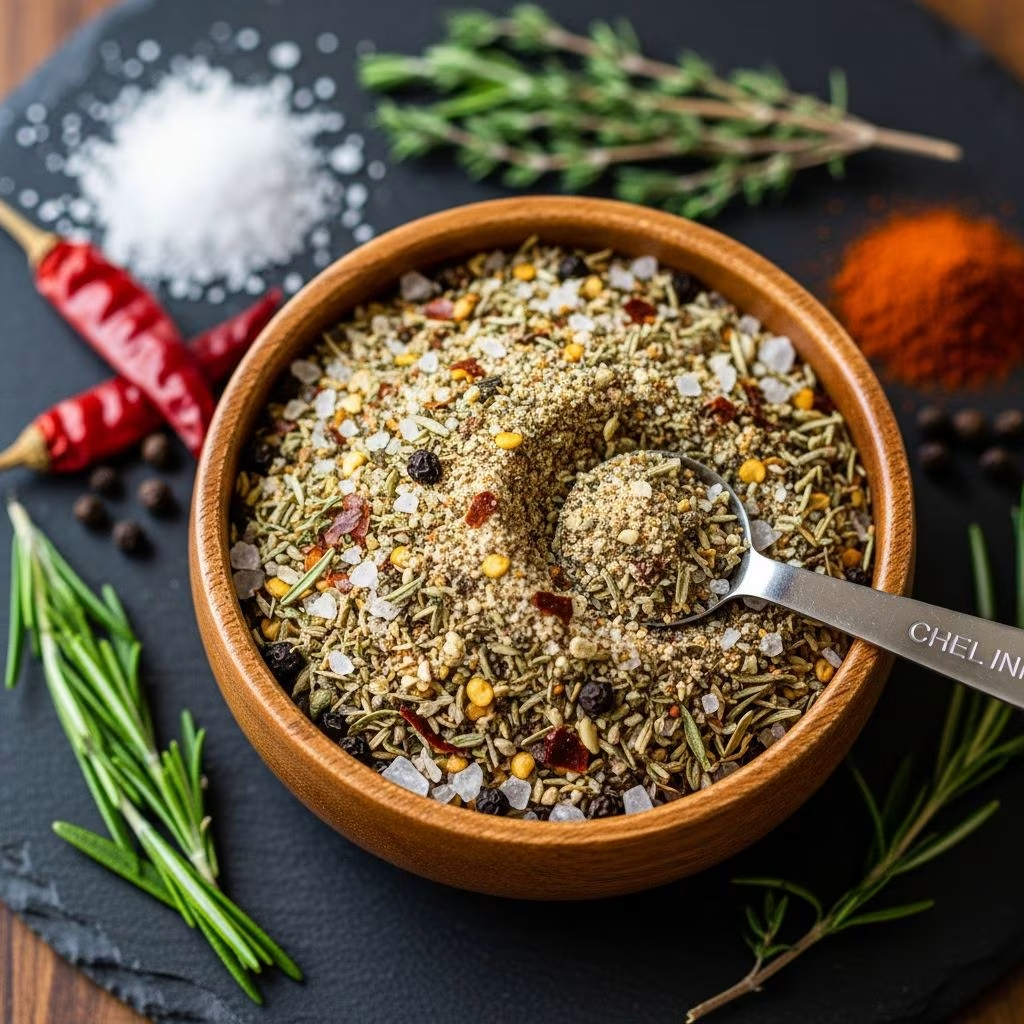
The art of seasoning extends far beyond simply reaching for a commercial container of salt. Creating a personalized seasoned salt blend at home opens doors to flavor experimentation while offering complete control over ingredient quality and customization. This comprehensive guide explores everything you need to know about crafting your own seasoned salt, from understanding the foundational components to discovering innovative applications in your kitchen.
Understanding the Foundation of Seasoned Salt
A well-crafted seasoned salt represents more than a single ingredient. It is a thoughtfully balanced mixture combining salt as the primary component with complementary spices and flavor enhancers. The beauty of preparing this blend at home lies in the flexibility to adjust proportions according to personal preferences and dietary requirements. Unlike mass-produced versions that may contain additives and preservatives, a homemade version consists entirely of ingredients you select and control.
The fundamental purpose of seasoned salt is to provide layered flavors that enhance dishes without overwhelming them. The salt acts as a flavor amplifier, allowing the aromatic and savory notes of complementary spices to shine through. Understanding this balance is essential before beginning your blend creation.
Essential Components for Your Blend
Building a seasoned salt blend requires understanding which ingredients serve specific functions within the mixture:
The Salt Base
Salt selection significantly impacts your final product. Table salt offers fine granules that mix evenly throughout the blend, making it ideal for achieving uniform seasoning distribution. Alternatively, kosher salt provides larger, more irregular crystals that dissolve differently, creating varied texture experiences. Some cooks prefer kosher salt for its perceived cleaner taste profile. The choice between these two depends entirely on your textural preferences and how you intend to use the final product.
Aromatic Spices
The aromatic components transform a simple salt into a versatile seasoning. Paprika serves as a foundational spice, contributing mild pepper notes and beautiful color without intense heat. Onion powder and garlic powder add savory depth that permeates every grain of the mixture. These granulated forms of dried onions and garlic distribute more evenly than minced versions, ensuring consistent flavoring throughout dishes.
Ground turmeric contributes earthy undertones and a characteristic golden hue, while ground black pepper introduces gentle spiciness. For those seeking additional warmth, cayenne pepper or red pepper flakes intensify the heat profile. The quantity of these hot spices should be carefully calibrated based on personal spice tolerance.
Complementary Additions
Several optional ingredients elevate your blend beyond the basics. Celery salt contributes a unique vegetable-forward character, while dry mustard powder adds subtle tanginess. Dried herbs like thyme or sage introduce complexity for specific culinary applications. Some blends incorporate superfine sugar in small quantities to balance savory elements and enhance overall flavor integration.
Binding agents like cornstarch help prevent clumping in humid environments, particularly useful if you store your blend in areas with varying moisture levels. This ingredient doesn’t alter flavor but improves the practical usability of your creation.
Recipe Variations to Explore
The following approaches represent different seasoning philosophies, each producing distinct flavor profiles suited to various culinary applications:
The Classic Minimalist Approach
This straightforward formula emphasizes the purity of individual ingredients:
- 5 tablespoons kosher salt
- 1 tablespoon paprika
- 2 teaspoons onion powder
- 2 teaspoons garlic powder
This version allows each component to remain distinct while still creating a cohesive seasoning. It works exceptionally well for those who prefer subtle spicing and want to taste individual flavor notes rather than a unified blend.
The Comprehensive Blend
This more complex formula incorporates multiple dimensions of flavor:
- ⅓ cup table salt
- 1 tablespoon celery salt
- 1 tablespoon paprika
- 3½ teaspoons superfine sugar
- 1½ teaspoons cornstarch
- 1 teaspoon onion powder
- 1 teaspoon garlic powder
- 1 teaspoon ground turmeric
- ¼ teaspoon cayenne pepper
This comprehensive version delivers richer complexity, with the turmeric contributing color and subtle earthiness while cayenne provides measured heat. The inclusion of cornstarch and superfine sugar creates a texture that clings better to food surfaces and prevents moisture absorption during storage.
The Heat-Forward Variation
For those who appreciate bolder spice intensity:
- ¼ cup kosher salt
- ¼ cup paprika
- 2 tablespoons granulated garlic
- 1 tablespoon granulated onion
- 1 tablespoon ground black pepper
- 1 teaspoon cayenne pepper (adjustable)
- 1 tablespoon dried sage
- 1 tablespoon dried thyme
This formulation emphasizes bold flavors and aromatic complexity, with paprika and dried herbs creating a more pronounced seasoning experience. The fresh herbs add depth that works particularly well with grilled meats and roasted vegetables.
Step-by-Step Preparation Process
Creating seasoned salt requires minimal equipment and effort. Begin by gathering all ingredients in a small mixing bowl. Combine the salt with each spice component, stirring thoroughly with a fork or small whisk. The goal is achieving uniform color distribution, ensuring no single spice remains clumped or concentrated in any portion of the mixture.
For achieving complete integration, continue mixing for at least one to two minutes. This extended stirring allows the various granule sizes to intermingle fully. If using larger paprika crystals or celery salt, these may require slightly longer mixing times.
Once fully combined, transfer your seasoned salt to an airtight container. Glass jars with sealed lids work exceptionally well, as do specialized spice containers with shaker tops. Label your creation with the blend name and preparation date for easy identification and freshness tracking.
Working with Superfine Sugar
Several recipes call for superfine sugar, which poses a challenge if this specialty ingredient isn’t readily available in your location. Fortunately, creating superfine sugar at home requires nothing beyond regular granulated sugar and basic kitchen equipment.
Place granulated sugar in a food processor or high-powered blender. Pulse the machine in short intervals, stopping periodically to check the texture. Within minutes, the sugar transforms into a finer particle size that behaves similarly to commercial superfine sugar. Alternatively, a clean coffee grinder works effectively for smaller quantities, though it must be thoroughly cleaned afterward to prevent residual sugar from affecting subsequent use.
Importantly, powdered sugar should never substitute for superfine sugar in these blends. Powdered sugar contains cornstarch additives that alter the mixture’s flavor profile and texture, creating an undesirable chalky consistency.
Storage Solutions for Long-Term Freshness
Proper storage preserves the aromatic qualities and flavor intensity of your homemade blend. Glass containers with airtight seals represent the optimal storage solution, protecting the blend from environmental moisture and oxygen exposure that degrades spice quality over time.
Position your stored blend in a cool, dark location away from direct sunlight and heat sources. Kitchen cabinets away from the stove provide ideal conditions. Sunlight exposure causes paprika and turmeric to fade, losing both color vibrancy and flavor potency. Heat accelerates the oxidation process, shortening the effective lifespan of your blend.
Under optimal storage conditions, homemade seasoned salt maintains peak quality for approximately six months, though it remains usable beyond this timeframe with gradual flavor diminishment. Labeling containers with preparation dates helps you track freshness and use older batches first.
Creative Applications in Your Kitchen
| Application Category | Specific Uses | Best Blend Variation |
|---|---|---|
| Protein Seasoning | Chicken, fish, beef, pork roasting and pan-frying | Comprehensive Blend |
| Vegetable Preparation | Roasted vegetables, grilled produce, vegetable side dishes | Heat-Forward Variation |
| Snack Enhancement | Popcorn seasoning, roasted nuts, french fries | Minimalist Approach |
| Soup and Stew Base | Foundational seasoning for slow-cooked dishes | Comprehensive Blend |
| Grilling and BBQ | Meat rubs, vegetable grilling, outdoor cooking | Heat-Forward Variation |
Your homemade seasoned salt works beautifully as a finishing touch on completed dishes or as foundational seasoning during cooking. Sprinkle it on freshly cooked eggs, avocado toast, or roasted root vegetables for immediate impact. Incorporate it into marinades for meats or incorporate it into breadcrumb coatings for fried preparations.
Customization and Personal Preferences
The true advantage of homemade seasoned salt lies in complete customization potential. Consider your individual spice preferences when adjusting recipes. Those sensitive to heat might reduce cayenne quantities or eliminate them entirely. Individuals who adore garlic flavor could increase garlic powder by an additional teaspoon. Herb enthusiasts might experiment with dried rosemary, oregano, or basil additions.
Document any modifications you make to create a master recipe reflecting your exact preferences. This personalized version becomes your benchmark for future batches, ensuring consistent results aligned with your taste preferences.
Troubleshooting Common Issues
Clumping During Storage
If your seasoned salt develops hardened clumps, environmental moisture is likely the culprit. Ensure your storage container closes completely and store in a dry location. Adding ¼ teaspoon of cornstarch to future batches helps prevent this issue by absorbing any ambient moisture before it affects the blend.
Flavor Diminishment Over Time
Spices naturally lose potency with extended storage. Prepare smaller batches more frequently for maximum flavor impact, rather than creating large quantities intended to last several months. A smaller jar used fresh delivers superior results compared to a large batch that ages over many weeks.
Uneven Texture
Inconsistent granule sizes create uneven distribution during mixing and use. If particular spices appear to separate or settle, mix thoroughly before each use. For blends prone to separation, transfer to a shaker-style container that allows easy redistribution.
Frequently Asked Questions
Can I make seasoned salt in larger quantities for gift-giving?
Yes, seasoned salt makes an excellent homemade gift. Scale recipes proportionally and fill multiple small jars with your blend. Attach personalized labels and store in a cool place until gifting. This presentation demonstrates thoughtfulness while providing recipients with a premium seasoning they can’t easily find commercially.
Should I grind whole spices rather than using pre-ground versions?
While grinding whole spices produces marginally fresher flavor, the convenience of pre-ground spices usually outweighs this benefit for most home cooks. If you grind whole spices, do so immediately before blending to capture maximum aromatic qualities. Many cooks find pre-ground ingredients offer sufficient quality for excellent results.
How does homemade seasoned salt compare nutritionally to commercial versions?
Both contain similar sodium levels when measured by volume. The primary nutritional advantage of homemade versions lies in eliminating commercial anti-caking agents and unnecessary additives. You control precisely what enters your blend, making it suitable for dietary restrictions or preferences.
Can I adjust seasoning salt for specific cuisines?
Absolutely. Create Italian versions with dried oregano and basil, Mexican-inspired blends with cumin and chili powder, or Asian variations incorporating ginger and white pepper. The foundational salt and paprika base adapts beautifully to regional spice profiles.
Conclusion
Creating homemade seasoned salt represents a simple yet rewarding culinary endeavor that yields substantial benefits. The process requires minimal time investment while delivering maximum flavor customization and ingredient transparency. From the straightforward minimalist approach to more complex comprehensive variations, options exist for every taste preference and skill level.
Begin with a basic recipe, experiment with variations, and refine your formula based on personal preferences. Soon you’ll discover that homemade seasoned salt surpasses commercial counterparts in both flavor quality and satisfaction. Transform this simple blend into your kitchen’s secret weapon, elevating everyday dishes with professional-quality seasoning.
References
- Flavor Profile Guide for Dried Spices — The Spice House. 2024. https://www.thespicehouse.com
- Home Food Storage and Preservation — U.S. Department of Agriculture. 2023. https://www.usda.gov/our-agency/offices/office-communications/food-nutrition
- Understanding Salt Types in Cooking — Culinary Institute of America. 2024. https://www.ciachef.edu
- Spice Storage Best Practices — Food Network Kitchen. 2023. https://www.foodnetwork.com/recipes
- Seasoning Blends and Flavor Chemistry — Serious Eats. 2024. https://www.seriouseats.com