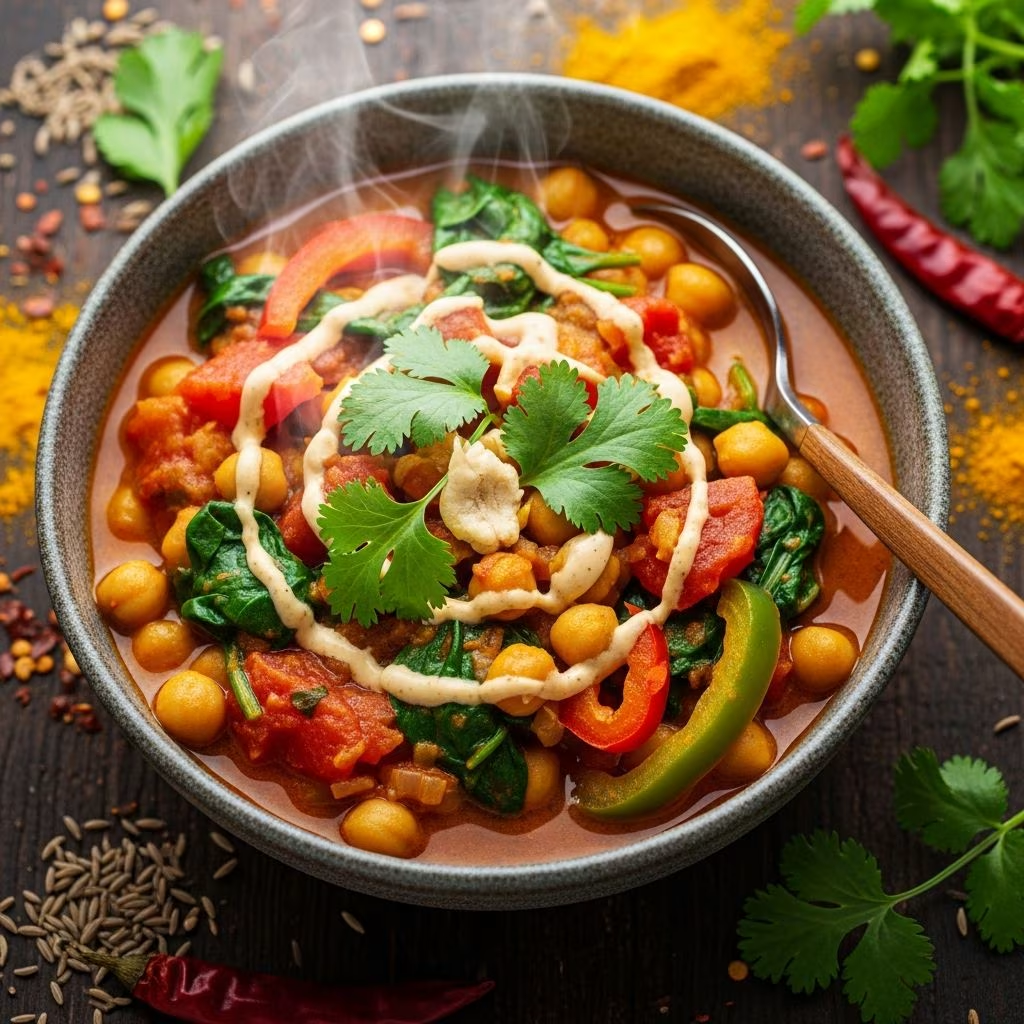
Curry dishes have long been celebrated in plant-based cooking for their complexity, warmth, and ability to transform simple ingredients into restaurant-quality meals. However, traditional coconut milk-based curries aren’t the only path to achieving that creamy, deeply satisfying curry experience. This guide explores how to craft delicious, nutrient-dense chickpea curry dishes using dairy-free alternatives and authentic spice combinations that deliver authentic flavor without relying on coconut milk.
Understanding the Fundamentals of Non-Coconut Curries
The foundation of any successful curry lies in building layers of flavor through careful spice selection and proper cooking technique. When you remove coconut milk from the equation, you’re not losing the ability to create depth and richness—you’re simply working with different aromatic and creamy components. The key to success involves understanding how various plant-based liquids interact with spices, how to properly bloom aromatics, and how to balance heat, acidity, and sweetness.
Chickpeas serve as an ideal protein base for curry dishes. These legumes offer a mild, slightly nutty flavor that acts as a canvas for bold spices while providing substantial fiber and plant-based protein. When properly seasoned and cooked within a flavorful sauce, chickpeas absorb surrounding flavors while maintaining their distinctive texture.
Core Ingredients for Building Your Curry Base
Successful coconut-free curries rely on a strategic combination of components. Understanding each ingredient’s role helps you make informed substitutions and adjustments:
- Legumes: Chickpeas form the protein foundation, but white beans, black-eyed peas, or even crumbled tofu work equally well depending on your texture preference.
- Liquid Base: Plant-based milk alternatives like almond milk, oat milk, or cashew cream provide creaminess. Vegetable or mushroom stock adds umami depth and savory notes.
- Aromatics: Onions, garlic, and fresh ginger create the flavor foundation when sautéed until fragrant and caramelized.
- Tomato Component: Fresh tomatoes, crushed canned tomatoes, or tomato paste add acidity, brightness, and natural sweetness to balance the spices.
- Spice Blend: Curry powder, cumin, coriander, turmeric, smoked paprika, and optional Thai red curry paste create the characteristic warmth and complexity.
- Vegetables: Frozen or fresh spinach, bell peppers, carrots, peas, and corn add nutrition, texture, and visual appeal.
- Finishing Elements: Fresh lime juice, cilantro, and quality salt enhance and brighten the final dish.
Selecting the Right Creaminess Alternative
Achieving creamy texture without coconut milk requires choosing an appropriate plant-based liquid. Each option brings distinct flavor characteristics and nutritional profiles to your curry:
| Alternative | Flavor Profile | Best Use | Preparation |
|---|---|---|---|
| Unsweetened Almond Milk | Mild, neutral | Versatile; doesn’t compete with spices | Use directly; optional blending with cashews |
| Cashew Cream | Rich, buttery | Creates authentic creamy texture | Blend soaked or unsoaked raw cashews with water |
| Vegetable Stock | Savory, umami | Deepens overall flavor complexity | Use as partial or complete liquid base |
| Oat Milk | Creamy, slightly sweet | Creates body and richness | Use directly; works well blended with stock |
| Cashew-Stock Blend | Complex, deeply savory | Maximum flavor and creaminess | Combine cashew cream with vegetable stock |
The Spice Foundation: Building Authentic Depth
The aromatic spices distinguish an exceptional curry from a basic tomato-bean stew. Traditional curry compositions typically include primary spices like curry powder, cumin, and coriander, with supporting notes from turmeric, paprika, and optional red curry paste.
Proper spice blooming—cooking dried spices in oil or other fat before adding wet ingredients—releases essential oils and intensifies their flavors. This technique prevents spices from tasting dusty or muted in the finished dish. Toast spices for approximately thirty to forty seconds over medium heat until fragrant, stirring constantly to prevent burning.
Garlic powder, fresh garlic, and ginger work synergistically to create warmth and prevent the curry from tasting one-dimensional. Red curry paste, when included, adds subtle heat and authentic Thai-inspired complexity, though it remains optional for those preferring milder dishes.
Step-by-Step Preparation Method
Creating your curry follows a logical progression that builds flavor systematically. Begin by heating your chosen cooking fat—olive oil or avocado oil works well—over medium heat. Add diced onions and cook until softened and translucent, approximately three to five minutes, stirring occasionally to encourage even browning.
Once onions become translucent, add minced garlic and ginger if using fresh versions, cooking for an additional minute until fragrant. This stage is crucial for developing the aromatic foundation. Add your dried spices at this point, stirring constantly for about thirty seconds to bloom them in the hot oil.
Introduce crushed or diced tomatoes, stirring well to combine with the spice mixture. Allow the tomato mixture to cook for several minutes, letting the tomato soften and the flavors meld. This step reduces raw spice flavors and allows the tomato acidity to balance emerging flavors.
Add your chosen plant-based liquid slowly, stirring to incorporate smoothly and prevent lumps. If using cashew cream, blend it thoroughly beforehand for a uniform consistency. Bring the mixture to a gentle simmer, then add your prepared chickpeas. Simmer uncovered for approximately fifteen to twenty minutes, stirring occasionally, until the sauce reaches desired thickness and flavors have melded.
In the final minutes, incorporate fresh spinach or other delicate vegetables, allowing them to wilt into the sauce. Finish with fresh lime juice, chopped cilantro, and taste adjustments for salt and spice level. Remember that flavors continue developing slightly as the curry cools, so initial tasting might feel slightly under-seasoned.
Cooking Chickpeas: Fresh Preparation versus Convenience
You can use canned chickpeas directly for maximum convenience, simply draining and rinsing them before adding to your curry. This approach works perfectly well and requires no advance planning. Alternatively, some cooks prefer briefly roasting canned chickpeas in the oven at four hundred twenty-five degrees Fahrenheit for twenty to thirty minutes, turning halfway through, to develop additional texture and nutty flavor before incorporating into the curry sauce.
If preparing dried chickpeas from scratch, soak overnight, then simmer until completely tender before using. This method offers cost savings and allows control over firmness, though it requires advance planning.
Serving Suggestions and Complementary Sides
Curry dishes shine when served alongside appropriate grains and accompaniments. Basmati rice, white rice, brown rice, or quinoa all work beautifully, absorbing the flavorful sauce. Naan bread, particularly vegan varieties prepared with plant-based milk, provides a textured vehicle for enjoying the curry and sauce.
Fresh vegetables offer textural contrast: sliced red onions, cucumber, shredded carrots, or diced bell peppers provide crunch and cooling sensation against the warm spices. Lime wedges allow individual diners to adjust brightness and acidity to their preference. Additional fresh cilantro scattered across the finished dish adds herbaceous notes and visual appeal.
Customization and Flavor Adjustments
The beauty of homemade curry lies in adaptability. Prefer spicier heat? Add cayenne pepper, additional red curry paste, or fresh chili peppers. Enjoy sweeter profiles? Increase the quantity of coconut sugar, regular sugar, or add diced mango or pineapple. Want more vegetables? Incorporate bell peppers, mushrooms, snap peas, or any preferred produce.
Adjusting creaminess is equally straightforward. More almond milk or stock creates thinner consistency, while reducing liquid produces thicker sauce. For those with nut allergies, using only vegetable stock or oat milk provides necessary body and moisture.
Nutritional Considerations
This curry-preparation method creates nutrient-dense meals balancing protein, fiber, and healthy fats. Chickpeas provide substantial plant-based protein and soluble fiber supporting digestive health. Turmeric contains curcumin, studied for potential anti-inflammatory properties, while garlic and ginger offer their own potential health benefits. Fresh vegetables and herbs contribute vitamins, minerals, and phytonutrients.
Using plant-based milk alternatives reduces saturated fat compared to coconut milk while maintaining creamy texture. Lime juice enhances mineral absorption, particularly important for plant-based diets.
Storage, Reheating, and Make-Ahead Strategies
Prepared curry keeps well refrigerated in covered containers for three to four days, with flavors often improving as ingredients continue marinating together. Freeze portions in airtight containers for up to three months, allowing grab-and-go meal preparation.
Reheat gently over low to medium heat, stirring occasionally and adding additional liquid if sauce has thickened significantly during storage. Alternatively, reheat individual portions in microwave-safe containers, stirring halfway through. Always ensure thoroughly heated throughout before consuming.
Make-ahead preparation works wonderfully for meal planning. Cook curry up to two days in advance, refrigerate, then simply reheat when needed. This approach reduces weeknight cooking time substantially.
Frequently Asked Questions About Coconut-Free Curries
Can I make this curry without any plant-based milk? Yes, vegetable stock alone creates adequate liquid and sauce consistency, though creaminess differs. Blending soaked cashews with water provides richness without dairy or milk products.
What if I don’t have specific spices listed? Curry powder serves as a complete spice blend on its own, though supplementing with cumin, coriander, and turmeric increases complexity. Avoid skipping spices entirely, as they define the dish’s character.
How thick should the finished sauce be? Sauce should coat the back of a spoon but remain pourable. If too thick, thin with additional liquid. If too thin, simmer uncovered longer to reduce.
Can I add coconut milk to this recipe? Absolutely. Replace half the plant-based milk with coconut milk for traditional texture, though this deviates from the coconut-free concept.
Is this recipe naturally gluten-free? Yes, provided you use gluten-free curry powder and ensure no cross-contamination during preparation.
How do I adjust spice levels for sensitive palates? Reduce curry powder and eliminate optional red curry paste for milder versions. Start with smaller quantities, then adjust upward after tasting.
References
- Chickpea Curry Without Coconut Milk — Pepper Bowl. 2024. https://www.pepperbowl.com/chickpea-curry/
- Easy Vegan Chickpea Curry Recipe (No Coconut Milk) — Bites with Blair. 2024. https://biteswithblair.com/easy-vegan-chickpea-curry-without-coconut-milk/
- Creamy 1-Pot Chickpea Curry (Without Coconut!) — Glue and Glitter. 2024. https://www.glueandglitter.com/chickpea-curry-without-coconut/
- Tomato Chickpea Curry Without Coconut Milk — Carol’s Vegan Kitchen. 2024. https://carolsvegankitchen.com/blog/creamy-cashew-chickpea-curry
- Easy Chickpea Curry — Veggie Desserts. 2024. https://veggiedesserts.com/quick-chickpea-curry-vegan-easy/