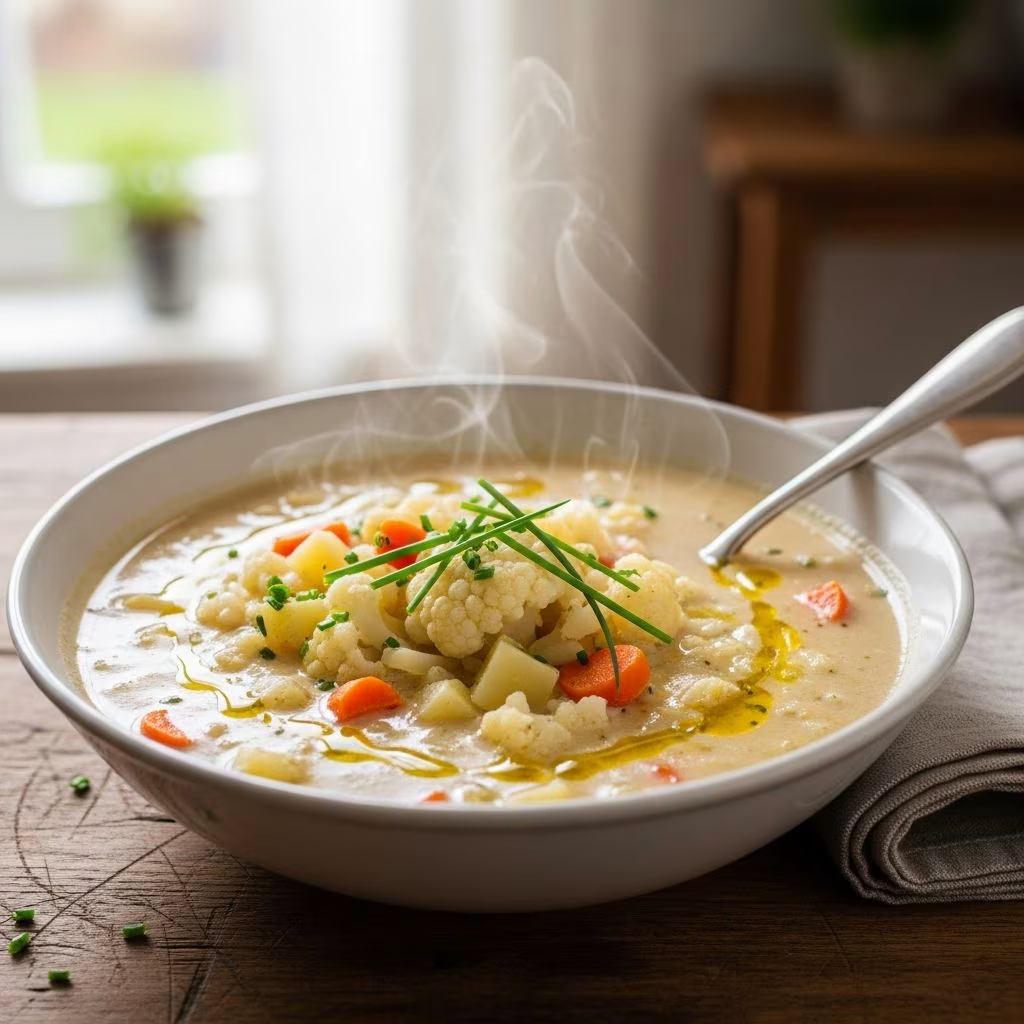
When the temperature drops and comfort food cravings strike, few dishes can compete with a steaming bowl of chowder. However, traditional potato-laden versions often leave diners feeling overly full and sluggish. Enter cauliflower chowder—a modern interpretation that delivers all the warmth, creaminess, and satisfaction of its classic predecessor while offering a lighter, more nutritionally balanced alternative. This versatile soup has gained popularity among home cooks seeking meals that satisfy without compromise.
Why Cauliflower Makes the Perfect Chowder Base
Cauliflower possesses unique culinary properties that make it exceptionally suited for chowder preparation. Unlike potatoes, which rely primarily on starch for body and thickness, cauliflower contributes a naturally creamy texture when cooked down properly. The vegetable’s neutral flavor profile allows it to complement rather than compete with other ingredients, creating a harmonious blend of tastes and aromas.
The beauty of using cauliflower lies in its versatility. When simmered in broth, the florets soften and partially break down, naturally thickening the soup. This means you can achieve that desired creamy consistency without relying entirely on heavy cream or excessive butter, though these ingredients can certainly enhance the final dish. Additionally, cauliflower contains fewer carbohydrates than potatoes, making this version appealing to those monitoring their carb intake while still craving substantial, filling meals.
Building Layers of Flavor
The foundation of any exceptional chowder begins with proper preparation of aromatics and proteins. Rather than beginning directly with cream or broth, the best approach involves developing depth through careful, sequential cooking of your ingredients.
Starting with Bacon and Fat
Bacon serves as the flavor anchor for this soup. Begin by cooking 3 to 4 slices of diced bacon in a large Dutch oven or stockpot over medium-high heat. Allow the bacon to render gradually, crisping on the edges while releasing its flavorful fat into the pot. This rendered fat becomes invaluable, providing richness and depth that permeates every spoonful of the finished chowder. Once the bacon reaches optimal crispness, transfer it to a paper towel-lined plate, reserving most of the fat in the pot.
Aromatics and Supporting Vegetables
With the bacon fat in place, introduce your aromatic vegetables. Combine diced onion, sliced celery stalks, and peeled diced carrots into the pot. These three vegetables form the mirepoix foundation common to French cooking and countless soup traditions. Cook these vegetables over medium heat for approximately 4 to 5 minutes, stirring occasionally, until they begin to soften and release their aromatic compounds into the fat.
For additional flavor complexity, add minced garlic cloves during the final minute of this cooking phase. Timing matters here—adding garlic too early can result in burnt, bitter flavors, while adding it too late prevents adequate melding with other ingredients. Some recipes incorporate fresh thyme at this stage, adding herbaceous notes that complement the earthy cauliflower.
The Cauliflower Component
After your aromatics have softened, introduce roughly chopped cauliflower florets directly into the pot. At this point, reduce your heat to medium or medium-low to ensure the cauliflower cooks gently without browning. The vegetables should simmer together for approximately 4 to 5 minutes before introducing liquids, allowing the cauliflower to begin breaking down while maintaining its structural integrity.
Thickening Techniques and Liquid Integration
Several methods can be employed to achieve the desired thickness in your chowder, each offering slightly different results and appealing to different preferences.
Traditional Roux Method
The classical approach involves creating a roux—a mixture of fat and flour cooked together. To prepare this technique, incorporate 3 tablespoons of all-purpose flour directly into your vegetable mixture, stirring continuously for 1 to 2 minutes. This step “toasts” the flour slightly, eliminating the raw flour taste while allowing it to bond with the fat in the pot. The result is a thickening agent that will incorporate smoothly into your liquids without creating lumps.
Cornstarch Slurry Alternative
For those preferring a different thickening method, a cornstarch slurry offers an elegant solution. Combine 2 tablespoons of melted butter with 2 tablespoons of cornstarch in a small bowl, stirring until the mixture reaches a smooth consistency. This preparation is added after you’ve introduced your liquids, creating a reliable thickening mechanism that prevents lumping and provides superior control over final soup consistency.
Blending for Natural Thickness
A third approach involves harnessing the cauliflower’s natural starches. By allowing the soup to simmer longer and gently blending a portion of the cooked vegetables back into the broth, you create a naturally thickened soup without additional thickening agents. This method appeals to those seeking minimalist ingredient lists and showcases the vegetable’s inherent properties.
Liquid Components and Seasoning
Once your vegetables are prepared and your thickening method selected, introduce your liquids carefully. The combination typically includes chicken or vegetable broth alongside milk or cream, creating the soup’s signature richness.
The standard ratio combines 4 cups of chicken or vegetable broth with 1 cup of milk for a balanced consistency. This proportion allows the broth’s savory depth to dominate while the milk adds richness and body without overwhelming other flavors. For those preferring maximum creaminess, higher milk ratios work well, though more conservative cooks might reduce milk to ½ cup and compensate with additional broth.
Season your chowder with a bay leaf for subtle background complexity, salt, and freshly ground black pepper. Some variations include Old Bay seasoning—a regional favorite that adds distinctive spice notes reminiscent of coastal American cuisine. Add these seasonings as the soup begins its final simmer phase, allowing 20 to 40 minutes for flavors to fully develop and meld.
Achieving Perfect Texture
The ideal cauliflower chowder maintains a careful balance between tender vegetables and a thickened broth that clings gently to each spoonful. Cooking time proves crucial in achieving this balance. Allow your soup to simmer for approximately 12 to 15 minutes after introducing liquids, maintaining relatively gentle heat to encourage gradual thickening.
Monitor the cauliflower carefully—it should be fork-tender yet maintain its shape rather than dissolving into the broth. Timing varies based on floret size and your stove’s heat characteristics, so periodic tasting remains important. If cauliflower becomes overcooked and mushy, don’t despair. Blending the entire batch creates a smooth, velvety soup that remains delicious despite textural changes.
Customization and Dietary Adaptations
The fundamental cauliflower chowder recipe adapts beautifully to various dietary preferences and ingredient availability.
Vegetarian and Vegan Modifications
For those eliminating bacon, simply replace it with 2 tablespoons of olive oil added to the pot at the outset. While the soup loses bacon’s distinctive smoky quality, the remaining ingredients still create a deeply satisfying dish. Vegan cooks can substitute plant-based milk and nutritional yeast for dairy products, though this requires careful balancing to maintain appropriate consistency and flavor.
Cheese Variations
Sharp cheddar remains the classic choice for serving, but this soup welcomes numerous cheese options. Gruyère adds subtle nuttiness, while white cheddar provides a sharper bite. Smoked gouda introduces additional smokiness for bacon-free versions. Always add cheese directly to individual bowls immediately before serving to prevent broken, separated curds in the main pot.
Herb and Spice Adjustments
Beyond Old Bay, experiment with other seasonings. Fresh thyme, rosemary, or sage complement cauliflower beautifully. Smoked paprika adds warmth and depth, while a pinch of cayenne provides subtle heat for those who enjoy mild spice. Fresh parsley serves as the traditional garnish, but chives or fresh dill offer interesting alternatives.
Serving Suggestions and Pairings
A proper chowder bowl requires thoughtful garnishing and complementary accompaniments. Ladle your soup into wide bowls or mugs, depending on consistency preference and ambient temperature. Top each serving generously with crispy bacon bits, grated sharp cheddar cheese, and freshly chopped parsley. For added texture, consider croutons or crusty bread pieces scattered across the surface.
Pair your chowder with crusty bread for soaking up the flavorful broth, or serve alongside a simple green salad to balance the meal’s richness. Grilled cheese sandwiches complement chowder beautifully, creating a nostalgic combination that appeals across age groups. For lighter accompaniments, serve with fresh fruit or a simple vegetable side dish.
Storage and Make-Ahead Convenience
Cauliflower chowder stores excellently in the refrigerator for up to four days in airtight containers. The flavors actually improve as they meld during storage, making this an ideal dish for meal preparation. Reheat gently over medium-low heat, adding a splash of broth or milk if the soup has thickened excessively during storage.
For freezing, allow the soup to cool completely before transferring to freezer-safe containers. Most chowders freeze successfully for up to three months, though milk-based soups sometimes separate upon thawing. Gentle reheating and whisking typically resolves this issue, restoring the soup to its original creamy consistency.
Nutritional Considerations
Compared to traditional potato chowders, cauliflower versions typically contain fewer calories and carbohydrates while maintaining similar satisfaction levels. The soup provides substantial protein from bacon and dairy components, plus fiber from the vegetable base. The inclusion of colorful vegetables like carrots and celery contributes vitamins and minerals, creating a more nutritionally complete dish than heavier cream-soup alternatives.
Frequently Asked Questions
Can I make this soup in a slow cooker?
Yes, though adjustments are necessary. Cook bacon separately, then combine all ingredients in a slow cooker with reduced liquid (use approximately 3 cups broth and ¾ cup milk). Cook on low for 4 to 6 hours. If using a thickening agent, add it during the final 30 minutes of cooking. The extended low heat may cause more cauliflower breakdown than stovetop cooking, resulting in a creamier consistency.
What’s the best way to reheat without breaking the soup?
Use low to medium-low heat and stir frequently, allowing the soup to warm gradually. Adding a splash of milk or broth during reheating compensates for liquid evaporation and helps restore creamy consistency. Avoid high heat or rapid boiling, which can cause the dairy component to separate.
How do I fix oversalted soup?
Add additional unsalted broth or milk to dilute the excess salt. Alternatively, peel and add a whole potato to the pot for 10 minutes—the potato absorbs salt from the broth. Remove the potato before serving.
Can I use frozen cauliflower?
Frozen cauliflower works acceptably, though fresh typically provides superior texture. If using frozen, increase cooking time slightly to ensure complete tenderness. Thaw the cauliflower first if possible to ensure even cooking.
Is there a dairy-free version?
Yes—replace dairy milk with unsweetened coconut milk, oat milk, or cashew cream. Note that these alternatives create different flavor profiles. Cashew cream provides the closest textural match to dairy, while coconut milk introduces subtle sweetness. Adjust seasoning accordingly.
References
- Cauliflower Chowder — Shutterbean. 2023. https://www.shutterbean.com/2023/cauliflower-chowder/
- Creamy Cauliflower Chowder (Easy One Pot Soup) — Oh Sweet Basil. https://ohsweetbasil.com/one-pot-cauliflower-chowder-recipe/
- Nutritional Aspects of Cruciferous Vegetables — Harvard School of Public Health. https://www.hsph.harvard.edu/nutritionsource/vegetables-full-topic-page/cruciferous-vegetables-cabbage-broccoli-cauliflower-brussels-sprouts/
- Bacon Cauliflower Chowder — Delish via YouTube. https://www.youtube.com/watch?v=aeq7dCJHbYM