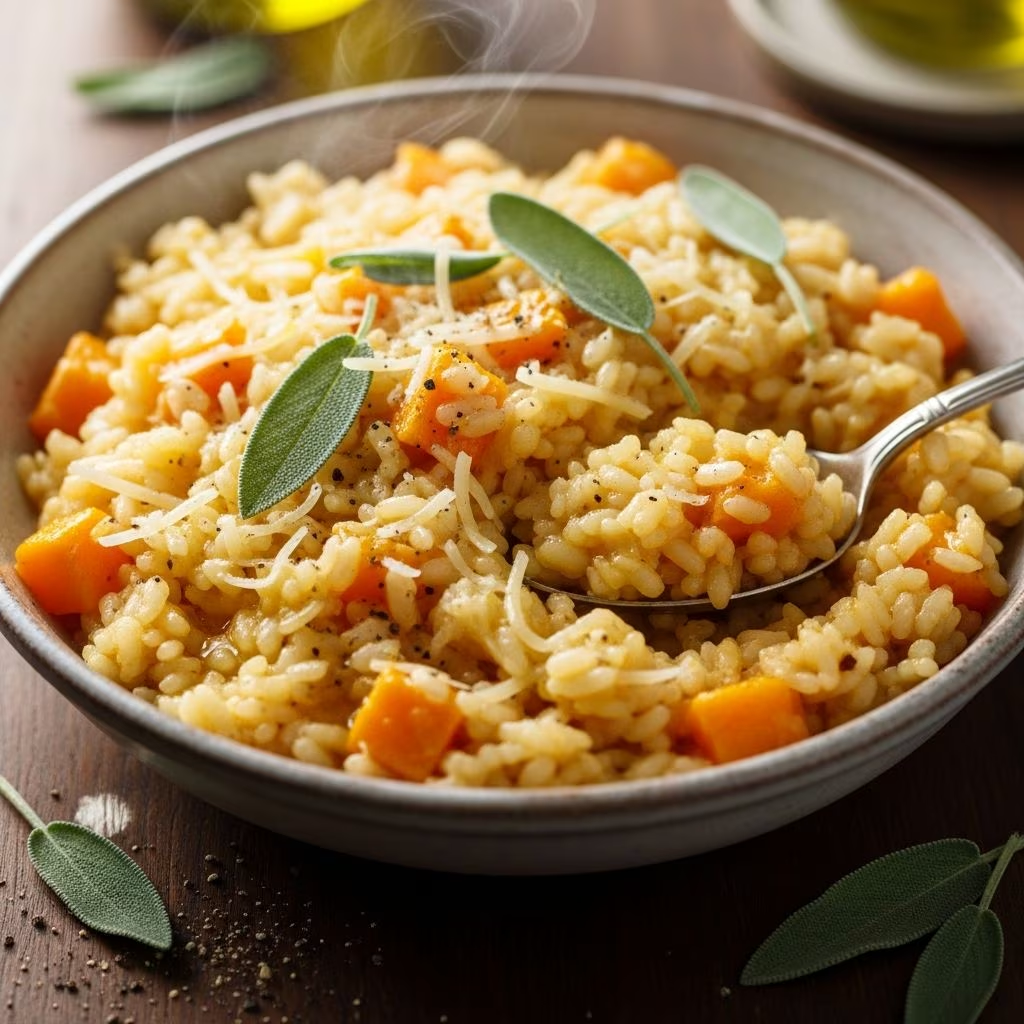
Risotto represents one of the most versatile and rewarding dishes in contemporary cooking, offering an excellent canvas for seasonal ingredients and creative flavor combinations. When butternut squash enters the equation, this traditional Italian preparation transforms into something particularly appealing—a marriage of earthy sweetness with luxurious creaminess that appeals to both seasoned cooks and kitchen novices alike. The natural sweetness of roasted butternut squash complements the subtle earthiness of quality rice, while the cooking technique itself becomes a meditation on patience and technique.
Understanding Risotto Fundamentals
Before diving into specific preparations, it helps to understand the foundational principles that make risotto such a distinctive cooking technique. Unlike simple rice pilaf or standard boiled rice preparations, risotto relies on a gradual addition of warm liquid combined with constant stirring. This methodical approach encourages the rice grains to release their natural starches, creating an inherently creamy consistency without requiring heavy cream or excessive butter.
The choice of rice variety proves critical to success. Arborio rice, with its higher starch content and distinctive plump grain structure, remains the gold standard for risotto preparation. The grain’s ability to absorb liquid while maintaining structural integrity directly contributes to the dish’s characteristic texture—simultaneously creamy and supporting tender yet slightly firm individual grains.
Why Butternut Squash Works Beautifully in This Preparation
Butternut squash brings several advantages to the risotto formula. Its natural caramelization when roasted creates depth of flavor that elevates the entire dish beyond simple vegetable-studded rice. The squash’s moisture content contributes additional liquid during cooking, while its mild sweetness provides balance against the savory components. Furthermore, the vegetable’s warm color creates visual appeal that makes the finished dish restaurant-worthy in appearance.
Ingredient Selection and Preparation
Essential Components
- Arborio rice: Two cups of quality arborio rice forms the foundation, providing the proper starch release necessary for authentic risotto texture
- Fresh butternut squash: One large or two medium squash, yielding approximately three cups of prepared vegetable, roasted until caramelized
- Vegetable or chicken broth: Four to five cups of warm liquid, maintained at a gentle simmer throughout cooking
- Dry white wine: One cup of crisp wine that adds acidity and complexity to the dish
- Yellow onion: One medium onion, finely diced to create an aromatic base
- Garlic: Three to four cloves, minced for subtle flavor depth
- Parmesan cheese: One cup of freshly grated cheese, added at the final stages
- Unsalted butter: Four tablespoons for finishing and enrichment
- Extra virgin olive oil: Quality oil for both cooking and drizzling
- Sea salt and freshly ground black pepper: Essential seasonings throughout
- Fresh sage or thyme: Optional herb for garnish and flavor enhancement
Preparing the Butternut Squash
Proper squash preparation significantly impacts the final dish. Begin by selecting a squash that feels heavy for its size, indicating good moisture content. Carefully cut the squash in half lengthwise and scoop away seeds and fibrous material. Rub the exposed surfaces with olive oil, salt, and pepper, then place cut-side down on a baking sheet. Roast at 400°F for approximately forty-five minutes until the flesh becomes deeply caramelized and tender. This caramelization develops complex sugars that wouldn’t be present in raw or undercooked squash.
Allow the roasted squash to cool until manageable, then scoop the flesh from the skin. Roughly half the roasted squash should be pureed into a smooth consistency using a food processor or immersion blender, while the remaining half can be cut into small cubes. This combination of puree and whole pieces creates textural interest and ensures the squash flavor permeates the entire dish.
The Risotto Cooking Process
Building Your Flavor Foundation
Heat olive oil in a large, heavy-bottomed pot over medium heat. Once shimmering, add the finely diced onion and cook gently for approximately three minutes, stirring occasionally to prevent browning. The goal involves softening the onion’s structure and beginning to release its natural sugars without developing color. Add minced garlic and cook for an additional minute until fragrant, stirring continuously to avoid scorching, which would impart an unpleasant bitter quality.
Toasting the Rice
Add the arborio rice to the aromatic base and stir constantly for roughly two minutes. During this toasting phase, each grain becomes coated with oil and the rice begins releasing its nutty flavors. Listen for a subtle crackling sound, which indicates proper toasting without burning. This step, though brief, substantially improves the final dish’s flavor profile and contributes to proper texture development.
Incorporating Wine and Beginning the Liquid Addition
Pour the white wine into the toasted rice and stir frequently, allowing the rice to absorb nearly all the liquid before adding broth. This typically requires three to five minutes of continuous stirring. The wine’s acidity brightens the dish while the alcohol cooks off, leaving only enhanced flavor complexity.
Begin adding warm broth one ladle at a time, stirring almost constantly. After each addition is nearly absorbed by the rice, add another ladle of liquid. This gradual incorporation, combined with continuous stirring, encourages optimal starch release. Maintain the cooking temperature at a gentle simmer rather than a rolling boil, as excessive heat can cause the rice to break down unevenly.
Incorporating Butternut Squash
After approximately ten minutes of broth additions, fold the butternut squash puree into the rice mixture. Continue stirring and adding broth gradually. The squash will distribute throughout the risotto, creating a subtle color variation and consistent flavor. The cubed roasted squash can be added toward the end of cooking, approximately five minutes before completion, ensuring these pieces remain intact and visibly distinct.
Achieving Ideal Texture and Consistency
The total cooking time typically ranges from eighteen to twenty minutes. The rice should progress from firm and distinct to increasingly tender while maintaining a slight bite. The consistency should resemble a thick soup rather than pilaf—the risotto should flow slightly when plated but not appear soupy. If the mixture becomes too thick before the rice reaches ideal texture, add warm broth gradually. Conversely, if the rice finishes cooking but the risotto seems too loose, continue stirring over moderate heat to allow gradual evaporation.
The Essential Finishing Technique
Creating Restaurant-Quality Creaminess
Remove the pot from heat and stir in freshly grated Parmesan cheese and cold butter cut into small pieces. This final enrichment, known as “mantecare,” transforms the risotto from good to exceptional. The cold butter emulsifies with the rice starches, creating a glossy, luxurious consistency. The Parmesan contributes nutty richness and balanced saltiness. Stir vigorously for one to two minutes, ensuring even distribution throughout.
Final Seasoning and Adjustment
Taste the finished risotto and adjust seasoning with sea salt and freshly ground black pepper as needed. Remember that Parmesan already contributes sodium, so taste before adding excessive salt. A squeeze of fresh lemon juice can brighten the flavors, while a small splash of additional broth can be added if the consistency isn’t quite right.
Serving and Presentation
Ladle the risotto into warm bowls and drizzle with quality extra virgin olive oil. A light grating of Parmesan cheese and a few leaves of fresh sage or thyme provide elegant finishing touches. The warm bowl ensures the risotto maintains its ideal temperature and creamy consistency as diners enjoy it. Serve immediately, as risotto’s texture changes quickly as it cools.
Helpful Cooking Tips and Techniques
- Maintain consistent broth temperature: Keeping broth warm in a separate pot prevents temperature fluctuations that can affect rice cooking
- Never leave the pot unattended: Continuous stirring proves essential for optimal starch release and even cooking
- Use fresh ingredients: Quality Parmesan and butter noticeably impact the final flavor profile
- Adjust liquid gradually: Every kitchen’s humidity and heat sources differ, so add broth in small increments
- Test rice for doneness: Bite a grain to check texture; it should be tender but maintain a slight resistance
- Resist the urge to rush: The cooking process cannot be significantly accelerated without compromising quality
Flavor Variations and Creative Adaptations
Seasonal Modifications
While butternut squash risotto excels as a fall and winter preparation, creative cooks can adapt the basic technique for other seasons. Summer versions might incorporate zucchini or pumpkin alongside lighter herbs like basil or mint. Spring preparations could feature asparagus tips and fresh peas. The fundamental cooking method remains constant while ingredients shift with availability and preference.
Protein Additions
Though this preparation works beautifully as a vegetarian main course, those seeking additional protein might incorporate crispy pancetta or sage-brown butter for depth. Some cooks fold in sautéed mushrooms for umami richness or top finished risotto with pan-seared scallops or shrimp for elegant entertaining.
Troubleshooting Common Issues
| Problem | Potential Cause | Solution |
|---|---|---|
| Rice remains firm and chalky | Insufficient cooking time or liquid | Continue cooking and gradually add more warm broth |
| Risotto appears soupy | Excess liquid or insufficient stirring | Continue stirring over heat to allow evaporation and starch release |
| Lacks butternut squash flavor | Insufficient roasting or too much broth | Use more squash puree or reduce overall liquid slightly |
| Grainy, broken texture | Temperature too high or overworking the rice | Reduce heat and avoid vigorous stirring |
Frequently Asked Questions
Can this recipe be made ahead?
Traditional risotto should be prepared just before serving for optimal texture. However, the rice can be cooked to the halfway point, spread on a sheet pan to cool, then finished with remaining liquid shortly before service. This makes entertaining more manageable, though the final result differs slightly from completely fresh preparation.
What if I don’t have arborio rice?
Carnaroli rice serves as an excellent substitute, offering similar starch content and structure. Vialone Nano works well for slightly firmer results. Avoid short-grain sushi rice or long-grain varieties, which won’t produce authentic risotto texture.
Is vegetable broth necessary or can I use water?
While water technically works, vegetable or chicken broth significantly enhances the final flavor. Homemade broth provides superior results compared to commercial varieties, though quality store-bought options suffice.
How far in advance can I roast the butternut squash?
Roasted squash keeps well in the refrigerator for up to four days, making advance preparation convenient. Simply reheat gently before incorporating into the risotto, or use at room temperature if time permits.
Should I use freshly grated or pre-shredded Parmesan?
Freshly grated Parmesan melts more smoothly and contributes superior flavor and texture. Pre-shredded varieties often contain anti-caking agents that prevent proper emulsification.
Storage and Reheating Considerations
Leftover risotto, while best consumed immediately, can be refrigerated in an airtight container for approximately two days. Reheating requires gentle warming over low heat with gradual additions of warm broth to restore the original creamy consistency. Alternatively, risotto cakes can be formed from leftovers, chilled, then pan-fried until golden for a completely different preparation.
References
- The Science of Cooking: Understanding the Biology and Chemistry Behind Food Preparation — McGee, Harold. Scribner, 2004. https://www.haroldmcgee.com/
- Cooking with Rice: A Guide to Rice Varieties and Preparation Methods — Food Science Institute, University of California Davis. https://www.ucdavis.edu/
- Culinary Fundamentals: Traditional Italian Pasta and Rice Preparations — Italian Culinary Academy. 2024. https://italianculinaryacademy.com/
- Vegetable-Based Risotto Techniques and Seasonal Adaptation — Culinary Institute of America. https://www.ciachef.edu/