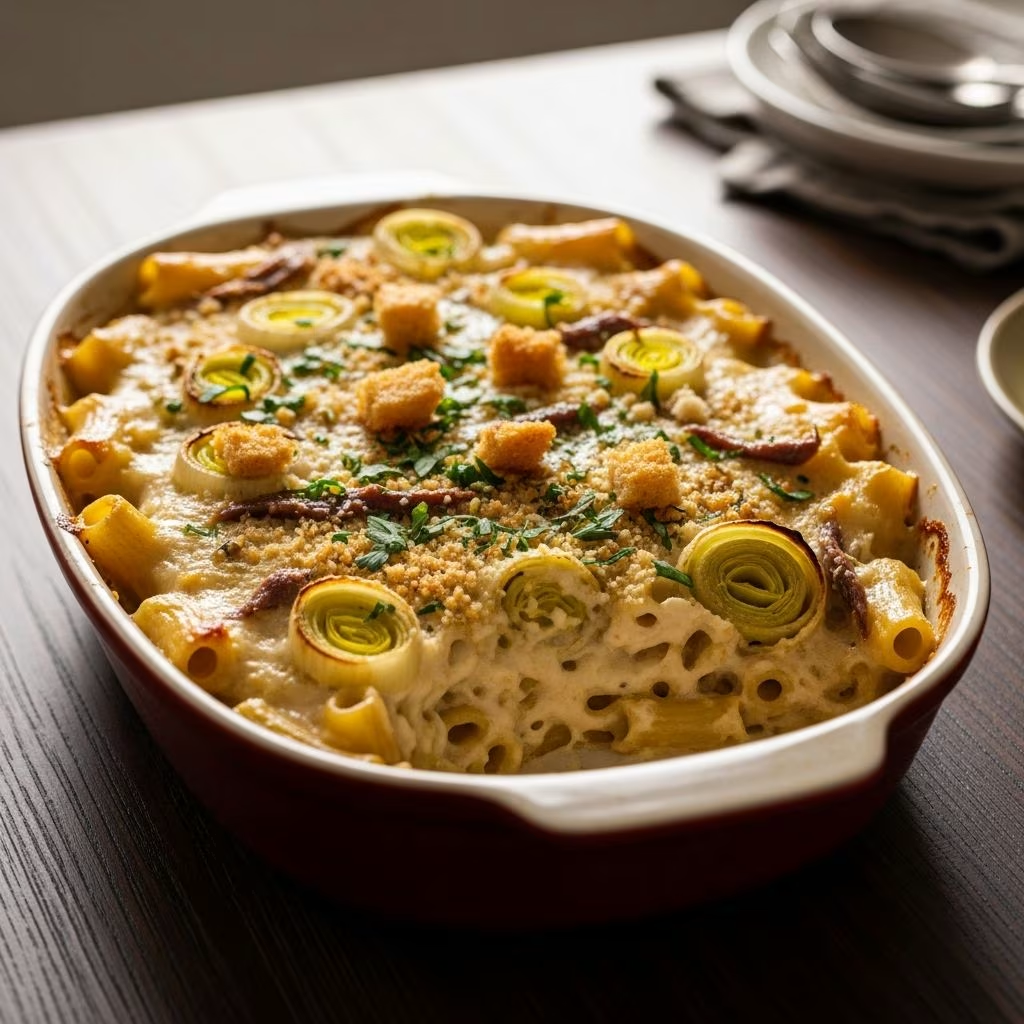
When it comes to transforming humble ingredients into something truly memorable, few combinations rival the sophistication of baked pasta featuring leeks, anchovies, and cream. This dish bridges the gap between casual weeknight cooking and restaurant-quality cuisine, proving that comfort food need not be simple or predictable. The marriage of sweet caramelized leeks, umami-forward anchovies, and luxurious cream creates a sauce that elevates pasta from ordinary to extraordinary.
Understanding the Core Components
At its heart, this baked pasta dish relies on a triumvirate of essential ingredients that work in concert to deliver complex flavors. Each component plays a crucial role in the final result, and understanding their individual contributions helps ensure success in the kitchen.
The Foundation: Leeks as Your Vegetable Star
Leeks serve as the vegetable foundation of this dish, offering a subtle sweetness that develops through slow cooking. Unlike their sharper onion cousins, leeks provide a gentler, more refined flavor profile that becomes increasingly mellow as they cook. When sliced and cooked low and slow, they transform into silky strands that practically melt into the cream sauce. The key to maximizing their potential lies in using only the white and pale green portions, which are more tender and have a milder flavor compared to the darker green tops.
Before cooking, leeks should be carefully rinsed to remove any trapped soil between their layers. Slice them crosswise into half-inch rounds, then give them a final rinse in a colander to ensure they’re completely clean. This preparation step, while occasionally overlooked, significantly impacts both the final texture and safety of your dish.
The Umami Powerhouse: Anchovies Dissolved Into Deliciousness
Anchovies have long been misunderstood, dismissed by those who’ve never tasted them properly prepared. In this dish, anchovies don’t announce themselves with a fishy flavor; instead, they dissolve into the sauce, leaving behind only their magical umami essence. This fifth taste sensation amplifies all the other flavors in the dish, creating depth and complexity that seems to come from nowhere—a culinary sleight of hand that transforms the entire eating experience.
Select oil-packed anchovies rather than salt-packed varieties for this recipe, as they’re ready to use without additional preparation. The oil acts as both preservative and flavor carrier. After draining the anchovies, add them to the pan with garlic and let them break apart naturally during cooking, distributing their essence throughout the dish.
The Binding Agent: Cream and Cheese
Heavy cream provides the luxurious base for the sauce, while Parmesan cheese adds both richness and a subtle complexity. Together, they create a binding medium that clings to each pasta strand while baking, ensuring every bite delivers creamy satisfaction. The cream should be brought to a gentle simmer before combining with the pasta and vegetables, allowing it to thicken slightly and marry with the other flavors already developing in the pot.
Building Your Recipe: Step-by-Step Execution
Success in this dish depends not on complicated techniques but on proper sequencing and timing. Follow these steps to achieve optimal results.
Pasta Preparation Techniques
Begin by bringing a large pot of generously salted water to a rolling boil. Add your chosen short pasta—rigatoni, penne, or conchiglie work excellently due to their ability to capture and hold sauce. Cook the pasta until it achieves what chefs call “very al dente,” which means removing it from heat approximately two minutes before the package directions recommend completion. This slight undercooking proves essential because the pasta will continue softening during its time in the oven, and proper timing prevents mushy results.
As soon as the pasta reaches the desired texture, drain it thoroughly and set it aside. Some cooks reserve a cup of pasta water at this stage—a technique that provides additional starch if the final dish seems too dry, though with this recipe’s cream-based sauce, this precaution usually proves unnecessary.
Developing the Leek and Anchovy Foundation
While the pasta cooks, begin building your sauce in a large Dutch oven or high-sided skillet. Heat extra-virgin olive oil over medium heat, then add your prepared leeks seasoned with a couple of pinches of kosher salt. Cover the pan and allow the leeks to cook undisturbed except for occasional stirring, approximately six to eight minutes. This covered cooking method gently steams the leeks while the dry heat slowly caramelizes their exteriors, developing their natural sugars into deeper, more complex flavors.
Once the leeks have begun showing golden brown edges and have softened considerably, remove the cover and add your drained anchovies along with thinly sliced garlic and red pepper flakes. The heat of the pan will begin melting the anchovies almost immediately. Continue cooking and stirring frequently for about five minutes, allowing the garlic to soften completely and the anchovies to disintegrate into the oil, releasing their umami-rich essence throughout.
Creating the Creamy Sauce
Pour the heavy cream into the pan and add your finely grated Parmesan cheese. Stir gently to combine, then allow the mixture to come to a simmer. At this stage, taste and adjust your seasoning with additional salt and freshly ground black pepper. The sauce should taste slightly more seasoned than you’d normally prefer, as the pasta will absorb some of this seasoning during baking. This counterintuitive approach ensures your final dish reaches perfect flavor balance.
Add your thawed frozen peas to the cream mixture, stir gently, then add your reserved drained pasta. Toss everything together carefully to ensure each strand gets coated with the creamy sauce. Transfer this mixture to your baking dish and top generously with additional grated Parmesan cheese.
The Baking Process: Bringing It All Together
Preheat your oven to 400 degrees Fahrenheit before you begin cooking the pasta and leeks. This ensures the oven reaches proper temperature by the time your assembled dish is ready. Bake for twenty-five to thirty minutes, or until the top becomes crisp and golden while the cream bubbles vigorously around the dish’s edges. This visible bubbling indicates that the sauce has heated through completely while the pasta absorbs some of the liquid, creating the perfect texture.
Resist the temptation to check the dish frequently. Each time the oven door opens, heat escapes and the cooking time extends. Allow the dish to finish cooking undisturbed, then remove it from the oven and let it cool for five to ten minutes before serving. This brief cooling period allows the sauce to set slightly, making serving cleaner and more elegant.
Ingredient Variations and Substitutions
While the classic recipe shines in its simplicity, several modifications can accommodate different preferences and dietary needs.
Vegetable Additions
- Spinach or other leafy greens: Add fresh or thawed frozen spinach to the cream sauce for additional nutrition and color contrast. Chop finely and incorporate just before adding the pasta.
- Mushrooms: Sauté sliced mushrooms alongside the leeks for earthy depth and additional umami reinforcement.
- Roasted red peppers: Add roasted red pepper strips for sweetness and visual appeal, complementing the leek’s mild flavor.
Pasta Shape Options
While the classic recipe calls for short pasta shapes, you can experiment with alternatives. Long pasta like spaghetti or linguine requires adjustment to the baking method—transfer to a baking dish and ensure adequate spacing to allow even heat circulation. Larger shells like conchiglie work beautifully as they capture more sauce with each bite.
Cheese Variations
Pecorino Romano offers a sharper alternative to Parmesan, adding a more assertive edge to the sauce. Gruyère adds subtle nuttiness, while a combination of cheeses creates more complex flavor dimensions. For those seeking lactose-free options, lactose-free heavy cream and aged Parmesan (which naturally contains minimal lactose) provide solutions.
Addressing Common Concerns About Anchovies
Many cooks hesitate to use anchovies due to past negative experiences or preconceived notions about their flavor. Understanding how they function in this dish helps overcome such reservations.
When anchovies are dissolved into a cream sauce through gentle cooking, they transform completely from their recognizable form into an invisible flavor enhancer. Diners typically cannot identify anchovy as a distinct ingredient; instead, they experience heightened satisfaction and a sense that the dish possesses uncommon depth. This technique—using small quantities of a strong ingredient to enhance rather than dominate—represents classic culinary practice found in numerous cuisines worldwide.
For those genuinely opposed to anchovies, Worcestershire sauce provides an alternative source of umami, though the final flavor profile will shift slightly. Add one teaspoon of Worcestershire sauce to the cream mixture, adjusting to taste.
Serving Suggestions and Pairings
This sophisticated baked pasta shines as a standalone main course but benefits from thoughtful accompaniments. Serve alongside a crisp green salad dressed with bright vinaigrette to cut through the richness of the cream sauce. A simple arugula salad with lemon dressing provides particularly elegant contrast.
For beverages, pair with dry white wines such as Pinot Grigio or Vermentino, which echo the dish’s herbaceous notes while providing acidity to balance the cream. Those preferring red wine should choose lighter varieties like Pinot Noir rather than heavy, tannic options.
Crusty bread for mopping up remaining sauce proves essential, while grated Parmesan available at the table allows diners to customize their cheese quantity.
Make-Ahead Strategies and Storage
This dish adapts well to advance preparation. Assemble the complete baking dish up to eight hours ahead, cover with plastic wrap, and refrigerate. When ready to cook, add an additional five to ten minutes to the baking time, as the dish begins from a colder temperature. The assembled dish should not be frozen, as the cream-based sauce separates upon thawing.
Leftover baked pasta keeps refrigerated for up to three days. Reheat gently in a 325-degree oven, covered with foil, until warmed through. The texture will be softer than freshly baked, but flavor remains excellent. Individual portions can be reheated in a microwave, though this method may create uneven heating.
Frequently Asked Questions
Can I use fresh anchovies instead of oil-packed?
Fresh anchovies require gutting, deboning, and preparation—a technique beyond most home kitchens. Stick with oil-packed for convenience and consistent results. The oil also prevents them from drying out during storage.
What if my cream sauce breaks or separates?
Separation typically occurs when cream is heated above a gentle simmer or when acidic ingredients are added excessively. Remove from heat and allow to cool slightly, then whisk in a tablespoon of cold cream to help re-emulsify the sauce.
How do I prevent the pasta from becoming mushy?
Cook pasta to very al dente before adding to the sauce, as it will continue cooking in the oven. Set a timer for twenty-five minutes initially; add additional baking time only if needed for the top to brown properly.
Can this dish be made vegetarian?
Omit the anchovies and substitute two teaspoons of soy sauce plus one teaspoon of miso paste for their umami contribution. The flavor profile will differ but remain deeply satisfying.
What’s the difference between Aleppo pepper and crushed red pepper flakes?
Aleppo pepper provides fruity, moderately spicy heat, while crushed red pepper flakes deliver sharper, more aggressive heat. Start with less crushed red pepper and adjust to taste; Aleppo pepper allows for more generous quantities.
Conclusion: Why This Dish Deserves Your Attention
This baked pasta represents everything that makes home cooking worthwhile—a humble collection of ingredients transformed through proper technique into something elegant and memorable. The recipe requires no exotic components, specialized equipment, or advanced culinary training, yet delivers restaurant-quality results. Whether feeding family on a weeknight or impressing guests at a dinner party, this creamy baked pasta with leeks and anchovies proves that sophistication and accessibility need not be mutually exclusive. Master this dish and you’ll find yourself returning to it repeatedly, each time discovering new nuances in its carefully balanced flavors.
References
- Baked Leeks with Pasta and Anchovy Cream — The Millstone. Recipe adapted from Bon Appétit. https://millstonenews.com/baked-leeks-with-pasta-and-anchovy-cream/
- Baked Pasta with Leeks and Anchovy Cream — Two of a Kind Cooks. Recipe adapted from Bon Appétit. http://www.twoofakindcooks.com/baked-pasta-with-leeks-and-anchovy-cream/
- Creamy Baked Spaghetti with Leeks and Anchovies — The Culinary Chase. 2021-03-XX. https://theculinarychase.com/2021/03/creamy-baked-spaghetti-with-leeks-and-anchovies/