Cream of coconut stands as one of the most versatile and misunderstood ingredients in modern kitchens. This tropical staple has become a cornerstone ingredient in both professional bars and home cooking, yet many home cooks remain uncertain about its true nature, proper applications, and relationship to similar coconut products. Whether you’re crafting tropical cocktails, preparing savory Asian dishes, or developing dessert creations, understanding cream of coconut will elevate your culinary capabilities and expand your recipe repertoire significantly.
Defining Cream of Coconut: Composition and Characteristics
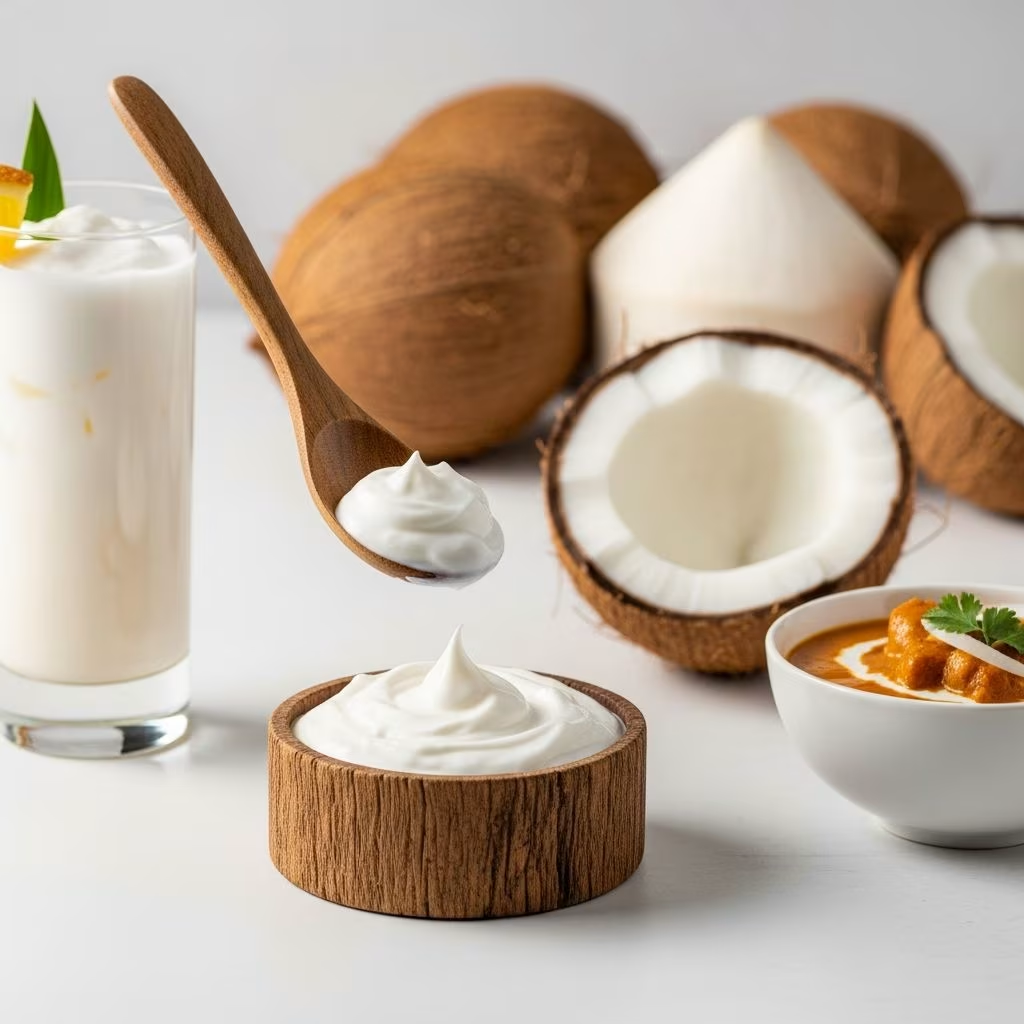
Cream of coconut represents a sweetened, concentrated coconut puree that arrives in a thick, syrupy consistency ready for immediate use. Unlike fresh coconut products that require processing or fresh extraction, commercial cream of coconut comes pre-prepared in convenient canned or bottled formats, eliminating the need for cooking or additional preparation before consumption.
The ingredient list for commercial cream of coconut typically includes coconut, added sugar, and preservation agents such as xanthan gum or similar thickening compounds. This combination creates a product fundamentally different from unsweetened coconut products, as the added sugar serves as both a preservative and flavor enhancer. The sweetness level distinguishes cream of coconut from other coconut preparations, making it particularly suited for specific culinary applications where sugar content matters to the final dish.
The physical appearance of cream of coconut resembles a pourable syrup when at room temperature, though it may thicken further when refrigerated. This characteristic makes it distinctly identifiable on pantry shelves and simple to incorporate into recipes without requiring mixing or blending with other components.
Cream of Coconut Versus Coconut Cream: Understanding the Critical Distinctions
The terminology surrounding coconut products creates substantial confusion in kitchens worldwide. Home cooks frequently interchange “cream of coconut” and “coconut cream,” assuming they represent identical products with interchangeable names. However, these ingredients possess fundamental differences that significantly impact their performance in recipes.
| Product Characteristic | Cream of Coconut | Coconut Cream |
|---|---|---|
| Sugar Content | Sweetened with added sugar | Unsweetened, no added sugar |
| Primary Ingredients | Coconut, sugar, thickeners | Coconut, water, sometimes thickeners |
| Texture | Pourable syrup | Thick, resembles softened shortening |
| Typical Uses | Beverages, cocktails, desserts | Soups, curries, savory dishes |
| Sweetness Level | Notably sweet | No inherent sweetness |
Coconut cream, the unsweetened alternative, emerges directly from processing coconut meat without the addition of sweetening agents. Its thicker, more solid consistency at room temperature makes it ideal for whipping into dairy-free whipped cream alternatives or for enriching soups and curries with creamy texture without contributing sugar. Many Asian cooking traditions rely specifically on coconut cream rather than cream of coconut, as the recipes depend on savory flavor profiles rather than sweetness.
Understanding this distinction prevents recipe failures and disappointment. Substituting one for the other without adjustment will either result in unexpectedly sweet savory dishes or overly thin cocktails and desserts requiring reformulation.
Culinary Applications: Where Cream of Coconut Excels
Cream of coconut has earned its place in kitchens through proven versatility across multiple culinary domains. Its unique combination of sweetness and coconut flavor opens possibilities ranging from tropical beverages to unexpected savory applications.
Tropical and Mixed Beverages
The most recognized application for cream of coconut involves blended tropical cocktails, with the Piña Colada representing the quintessential example. The ingredient’s built-in sweetness and thick consistency create the characteristic smooth, creamy texture that defines this beloved drink. Beyond cocktails, cream of coconut enriches smoothies, frozen beverages, and non-alcoholic tropical drinks with luxurious mouthfeel and authentic coconut flavor that appeals to diverse palates.
Sweet Applications and Desserts
Dessert applications showcase cream of coconut’s natural affinity for sweet preparations. The ingredient serves as a topping for pies, crisps, crumbles, and baked oatmeal, adding a tropical dimension to familiar preparations. Chocolate coconut cream puddings, multi-layered coconut desserts with graham cracker crusts, and coconut-forward confections all benefit from this ingredient’s inherent sweetness and smooth consistency.
Savory and Asian Cuisine
Many cooks discover that cream of coconut performs admirably in unexpected savory contexts. When used judiciously, it enriches marinades for proteins, adds depth to curry preparations, and creates complexity in sauce development. The key to successful savory applications involves using cream of coconut sparingly and ensuring other flavor components adequately balance its sweetness, preventing the final dish from becoming cloying or unbalanced.
Preparation and Storage: Practical Guidelines
One of cream of coconut’s most appealing characteristics involves its ready-to-use convenience. The product requires no cooking, blending, or reconstitution before incorporation into recipes. Simply open the container and measure the desired quantity directly into your preparation, whether incorporating it into a beverage, mixing it into a batter, or drizzling it over finished dishes.
Storage of opened or homemade cream of coconut requires attention to food safety principles. An airtight glass jar stored in the refrigerator maintains quality for several weeks, though most home cooks find that prepared batches disappear quickly due to their versatility and appeal. Commercial products in sealed cans or bottles maintain shelf stability for extended periods when stored in cool, dry pantry conditions according to manufacturer guidelines.
Creating Homemade Cream of Coconut
For cooks preferring complete ingredient control or facing availability challenges, creating cream of coconut at home presents a straightforward alternative to commercial products. The process requires combining three fundamental components: coconut cream or coconut milk as the base, granulated sugar as the sweetening agent, and cornstarch as a thickening agent to achieve the characteristic syrupy consistency.
The preparation method involves gentle simmering over low heat, allowing the mixture to reduce gradually and develop its final texture. Many home preparers enhance flavor complexity by adding a small pinch of salt to balance the sweetness or incorporating coconut powder to intensify the tropical character. The result, when cooled and stored properly, performs comparably to commercial products in most culinary applications.
Substitution Strategies: Working with Alternatives
Situations arise where cream of coconut becomes unavailable, unaffordable, or unsuitable for dietary preferences. Fortunately, several alternatives address different recipe requirements, though perfect one-to-one substitutions remain limited due to cream of coconut’s unique combination of properties.
Suitable Alternatives for Different Recipe Types
- For recipes emphasizing flavor over texture: Coconut syrup, coconut extract, or coconut emulsion can provide coconut character without the specific thickness cream of coconut contributes
- For beverages requiring creaminess: Coconut milk, either full-fat canned or fresh, offers similar richness though with less inherent sweetness
- For thick, creamy applications: Coconut cream, while unsweetened, provides the desired texture and can be combined with sugar or sweetener to approximate cream of coconut’s properties
- For recipes where slight texture differences are acceptable: Sweetened condensed coconut milk, when available, closely mimics commercial cream of coconut in both flavor and consistency
The success of any substitution depends on carefully evaluating whether a specific recipe prioritizes cream of coconut’s sweetness, its viscosity, its coconut flavor, or a combination of these properties. Recipes that rely heavily on these characteristics benefit from attempting homemade cream of coconut rather than accepting potentially inferior substitutions.
Flavor Enhancement and Creative Applications
Beyond straightforward applications, cream of coconut serves as a foundation for creative culinary exploration. The ingredient pairs naturally with chocolate, lime, rum, vanilla, and other tropical flavors, encouraging experimentation across beverage and dessert categories. Its neutral enough character accommodates both traditional recipes and innovative interpretations, making it valuable for cooks developing signature dishes or modernizing classic preparations.
Professional bartenders and pastry chefs often develop house-made versions incorporating vanilla beans, spiced rum infusions, or specialty flavors, demonstrating that cream of coconut functions as a sophisticated base ingredient rather than merely a convenience product.
Frequently Asked Questions
Can cream of coconut be consumed directly from the can without cooking?
Yes, cream of coconut requires no cooking or preparation before consumption. The product arrives fully processed and ready to use immediately upon opening.
How does cream of coconut affect the nutritional profile of recipes?
Cream of coconut contributes significant calories and sugar content due to its sweetened composition. The coconut component provides healthy fats, though the added sugars should factor into dietary considerations for health-conscious cooks.
Why do some recipes specifically call for cream of coconut rather than coconut cream?
Recipes that require built-in sweetness and specific texture depend on cream of coconut’s particular formulation. Substituting unsweetened coconut cream would require manual sugar addition and texture adjustment, fundamentally altering the recipe’s simplicity and final characteristics.
What causes cream of coconut to separate in storage?
Natural separation of coconut components occurs over extended storage periods. Simple stirring or shaking redistributes the components, returning the product to usable consistency without compromising quality.
Are there dairy-free applications where cream of coconut replaces traditional ingredients?
Absolutely. The ingredient serves as an excellent dairy-free alternative in applications requiring creamy texture and sweetness, from beverages to desserts to baked goods.
References
- The Ultimate Cream of Coconut Guide — Tried Tested and True. Accessed April 2026. https://triedtestedandtrue.com/the-ultimate-cream-of-coconut-guide/
- Delectable Recipes with Creamed Coconut — Kind Earth. Accessed April 2026. https://www.kindearth.net/recipes-with-creamed-coconut/
- 3 Ingredient Chocolate Coconut Cream Pudding — Bucket List Tummy. Accessed April 2026. https://www.bucketlisttummy.com/chocolatecoconutcreampudding/