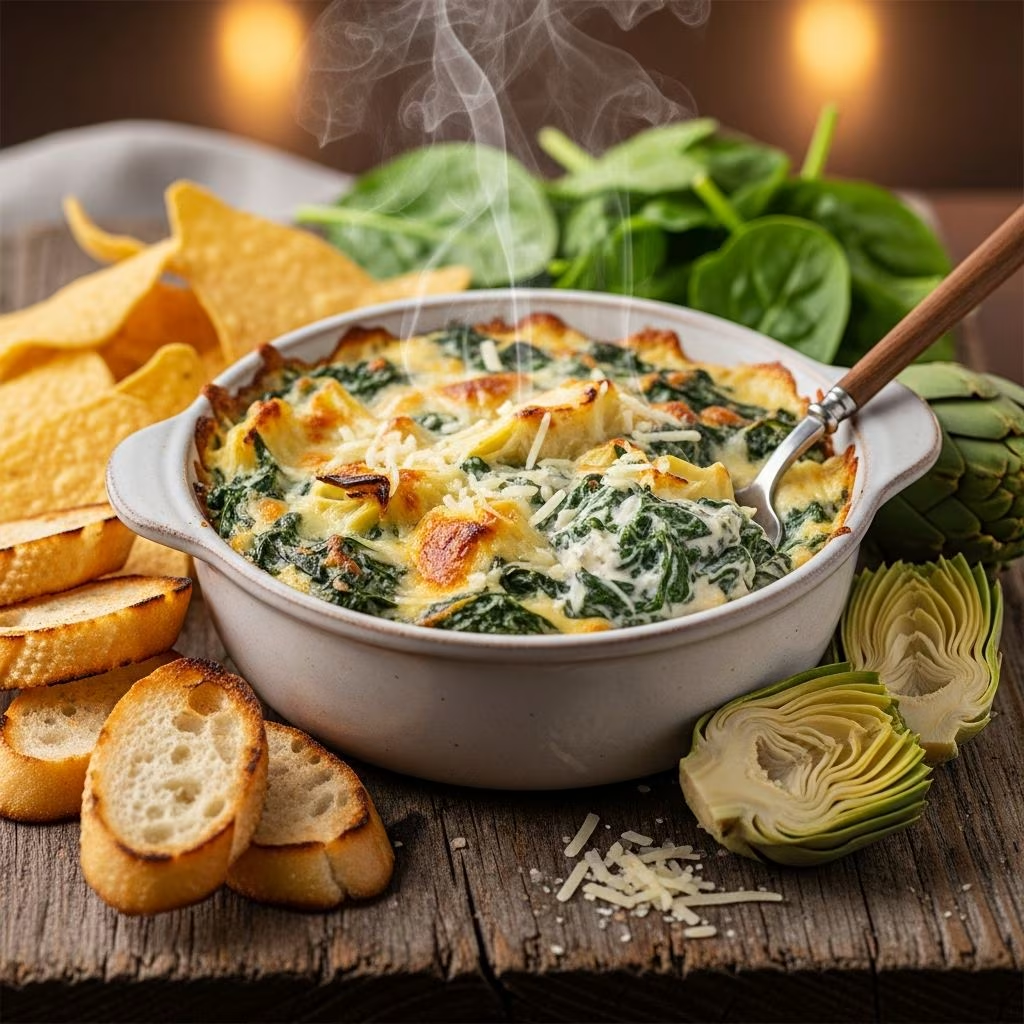
Spinach and artichoke dip has become a staple at gatherings, holiday celebrations, and casual get-togethers across North America. While many traditional recipes rely on mayonnaise as a binding ingredient, there’s a superior alternative that delivers exceptional creaminess and flavor without the heaviness. By substituting cream cheese and sour cream for mayo, you can create a dip that’s not only more luxurious but also more versatile and easier to customize to your preferences.
This approach to preparing spinach and artichoke dip eliminates the reliance on mayo while maintaining the creamy, indulgent texture that makes this appetizer so beloved. The result is a dish that feels restaurant-quality yet comes together in your own kitchen with minimal effort and readily available ingredients.
Understanding the Core Components of This Appetizer
The foundation of an exceptional spinach artichoke dip without mayo begins with understanding each ingredient’s role. Fresh spinach serves as the vegetable backbone, providing earthiness and nutritional value. High-quality artichoke hearts contribute a subtle tanginess and tender texture that complements the richness of the dairy components.
The creamy base comprises full-fat cream cheese and sour cream, which work synergistically to create a smooth, luxurious consistency. Unlike mayonnaise, which can feel oily or separate during baking, cream cheese and sour cream maintain their integrity throughout the cooking process and distribute evenly throughout the dip. This combination also allows for better flavor absorption from other ingredients like garlic and seasonings.
Cheese selection plays a crucial role in the final result. A blend of melting cheeses such as mozzarella, Parmesan, or specialty options like Pepper Jack creates layers of flavor while ensuring the dip achieves the ideal texture. Fresh garlic minced to fine consistency permeates the entire mixture with aromatic depth that enhances every spoonful.
Ingredient Selection and Preparation Techniques
Choosing Your Vegetables
Fresh spinach offers superior flavor and texture compared to frozen varieties, though both work effectively. Fresh baby spinach requires minimal chopping and incorporates smoothly into the mixture. If using fresh spinach, ensure you’ve removed excess moisture by patting it dry with paper towels after washing.
For artichoke hearts, canned varieties that are drained thoroughly work exceptionally well. Rough chopping them into bite-sized pieces creates interesting texture variations throughout the dip. Ensure they’re well-drained to prevent excess liquid from making the dip watery.
Dairy Component Ratios
The balance between cream cheese and sour cream determines the final consistency and tang level. A typical ratio of 8 ounces cream cheese to 8 ounces sour cream creates a stable base that holds together while remaining spreadable. Using full-fat versions of both ingredients ensures optimal richness and prevents the dip from becoming too thin during baking.
Allow these ingredients to reach room temperature before mixing. Cold cream cheese tends to remain lumpy, while room temperature cream cheese blends smoothly and evenly with other components.
Cheese Combinations
| Cheese Type | Quantity (oz) | Function |
|---|---|---|
| Mozzarella (shredded) | 12 | Provides stretch and creamy melting |
| Parmesan (shredded) | 5 | Adds sharp flavor and browning |
| Pepper Jack (optional) | 4-6 | Introduces subtle heat and complexity |
Step-by-Step Preparation Process
Initial Mixing Phase
Begin by gathering all ingredients and ensuring they’re at appropriate temperatures. In a large mixing bowl, combine softened cream cheese, sour cream, fresh spinach, drained and chopped artichoke hearts, minced garlic, and the majority of your cheese blend. Using your hands or a sturdy wooden spoon, mix thoroughly until every component is evenly distributed and no cream cheese lumps remain visible.
This thorough mixing stage is crucial for ensuring consistent flavor and texture throughout the finished dip. Take your time to break down any remaining cream cheese pockets and distribute the vegetables uniformly.
Transferring to Baking Vessel
Select an oven-safe baking dish, typically a 9×9-inch square pan or medium cast iron skillet, and transfer your mixture into it. Spread the mixture into an even layer using a spatula or the back of a spoon. This even distribution promotes uniform heating and browning.
Reserve a portion of your cheese blend to sprinkle across the top. This top layer of cheese creates an appealing golden-brown appearance and provides textural contrast when the dip is served.
Baking and Achieving Perfect Texture
Preheat your oven to 350°F (175°C) before placing the dip inside. Bake for 25 to 30 minutes, until the mixture becomes hot throughout and bubbles appear around the edges. The dip should be piping hot in the center, which you can verify by inserting a knife or skewer to check internal temperature.
For enhanced browning and a more attractive presentation, consider placing the dip under the broiler for an additional 1 to 2 minutes after removing it from the standard bake cycle. Watch carefully during this broiling phase to prevent the cheese from burning or becoming overly charred.
Flavor Enhancement and Customization Strategies
Seasonal and Spice Adjustments
Red pepper flakes add gentle heat without overwhelming the delicate spinach flavor. Fresh ground black pepper contributes a more nuanced bite than pre-ground varieties. Sea salt should be added in layers—some during mixing and some reserved for final seasoning adjustments based on your taste preferences.
Consider incorporating sun-dried tomatoes, roasted garlic, or fresh herbs like dill or tarragon to create unique variations. A small amount of lemon zest brightens the overall flavor profile and adds sophistication to the finished dip.
Texture Variations Through Ingredient Selection
Substituting traditional mozzarella with Pepper Jack cheese introduces a subtle smoky undertone and gentle heat. Gruyère or fontina cheese can replace mozzarella for a more complex, nutty flavor. These alternatives work beautifully in a dip destined for more adventurous palates.
Adding finely minced jalapeños or a touch of chipotle powder transforms this classic appetizer into something with more personality and warmth. These additions maintain the creamy base while introducing exciting flavor dimensions.
Make-Ahead Strategies and Storage Solutions
Refrigerator Storage
Prepare the dip mixture up to two days in advance and store it in an airtight container in your refrigerator. When you’re ready to serve, transfer the cold mixture to your baking dish and add an additional 5 to 10 minutes to the baking time to account for the temperature difference. This advance preparation strategy is particularly valuable when entertaining multiple guests or managing a busy event schedule.
Freezer Preservation
This dip freezes remarkably well for up to three months. Prepare the mixture, place it in a freezer-safe container, and freeze without baking. When ready to serve, thaw in the refrigerator overnight and bake as directed. Alternatively, you can bake the dip completely, cool it, freeze it, and reheat in a 325°F oven until warmed through.
Reheating Techniques
If the dip has been refrigerated or frozen and reheated, check the consistency before serving. The mixture may thicken slightly as it cools. If needed, stir in a tablespoon of sour cream or cream cheese to restore the ideal spreading consistency.
Serving Recommendations and Pairing Ideas
Traditional Accompaniments
Serve this creamy dip warm with an assortment of dippers to complement its rich flavor. Sturdy crackers provide excellent vehicles for transporting the dip to your mouth without breaking apart. Tortilla chips offer a heartier option with interesting textural contrast.
Crusty bread sliced into thick chips or toasted crostini work wonderfully, particularly when rubbed lightly with garlic before toasting. Fresh vegetable crudités—including bell pepper strips, celery, radishes, and cucumber slices—provide refreshing counterpoints to the dip’s richness.
Quantity Planning for Events
This recipe typically yields approximately 12 appetizer servings when presented as part of a larger spread. For a dip-focused event or gathering, plan on approximately 1/3 to 1/2 cup per person to ensure adequate quantity. Having the recipe prepared in double or triple batches ensures you won’t run short during entertaining.
Troubleshooting Common Preparation Challenges
Consistency Issues
If your finished dip appears too thin or watery, excess moisture from the spinach or artichokes may be responsible. Ensure vegetables are thoroughly drained before mixing. For future batches, consider sautéing fresh spinach to remove additional moisture before incorporating it into the dip mixture.
Conversely, if the dip seems overly thick, stir in additional sour cream by the tablespoon until the desired consistency is achieved. This flexibility allows you to adjust the final product based on personal preference and the specific moisture content of your vegetables.
Flavor Adjustment Solutions
If the dip tastes bland after baking, salt and pepper may have been insufficient during mixing. Add these seasonings gradually, mixing well and tasting between additions. Remember that flavors can seem muted when foods are still hot, so allow the dip to cool slightly before making final seasoning decisions.
Browning Concerns
Uneven browning typically results from inconsistent cheese distribution on top or variations in oven temperature. Ensure your top layer of cheese is spread uniformly across the entire surface. If your oven tends to run hot or cold, use an oven thermometer to verify accurate temperature before beginning the baking process.
Nutritional Considerations and Serving Suggestions
This appetizer is naturally vegetarian and delivers protein from both the dairy components and cheese. Each serving contains substantial amounts of calcium and fat-soluble vitamins from the cheese and spinach. The cream cheese and sour cream provide probiotics when using cultured varieties, supporting digestive health.
For those watching caloric intake, serve the dip in smaller portions and pair it with vegetable crudités rather than bread or chips. The vegetable component provides fiber and micronutrients while adding volume to each serving without excessive calories.
FAQ Section
Can I Use Frozen Spinach Instead of Fresh?
Yes, frozen spinach works effectively in this recipe. Thaw it completely and squeeze out excess moisture using a clean kitchen towel before incorporating it into the mixture. This step is crucial because frozen spinach retains more water than fresh varieties.
What Can I Substitute for Sour Cream?
Greek yogurt provides a similar creamy texture with a slightly tangier flavor. Full-fat ricotta or mascarpone cheese can also work, though they may require slight adjustments to liquid ratios. Avoid low-fat or fat-free substitutes, which often produce inferior results.
How Long Does This Dip Stay Fresh?
Store leftover dip in an airtight container in the refrigerator for up to four days. Freezing extends shelf life to three months. Always reheat thoroughly before consuming to ensure food safety.
Can This Dip Be Made in a Slow Cooker?
Absolutely. Mix all ingredients and transfer to a slow cooker set on the low setting for 2 to 3 hours, stirring occasionally. This method keeps the dip warm throughout an event while freeing oven space for other dishes.
Is This Dip Gluten-Free?
The dip itself contains no gluten. However, serve it with gluten-free crackers, chips, or bread if accommodating guests with gluten sensitivity. Always verify packaging on store-bought products to confirm gluten-free status.
References
- Baked Spinach Artichoke Dip Without Mayo — The Frizzled Leek. Retrieved from https://thefrizzledleek.com/baked-spinach-artichoke-dip-without-mayo/
- Baked Spinach Artichoke Dip (No Mayo) — Cozy Cravings. Retrieved from https://cozycravings.com/creamy-spinach-artichoke-dip/
- The Best No Mayo Spinach Artichoke Dip — Sunday Table. Retrieved from https://sundaytable.co/no-mayo-spinach-artichoke-dip/
- Easy Baked Spinach Artichoke Dip (No Mayo!) — Good Noms, Honey!. Retrieved from https://www.goodnomshoney.com/easy-baked-spinach-artichoke-dip-no-mayo/
- The Easiest Spinach + Artichoke Dip Recipe — Midwest Foodie Blog. Retrieved from https://midwestfoodieblog.com/the-easiest-baked-spinach-artichoke-dip/