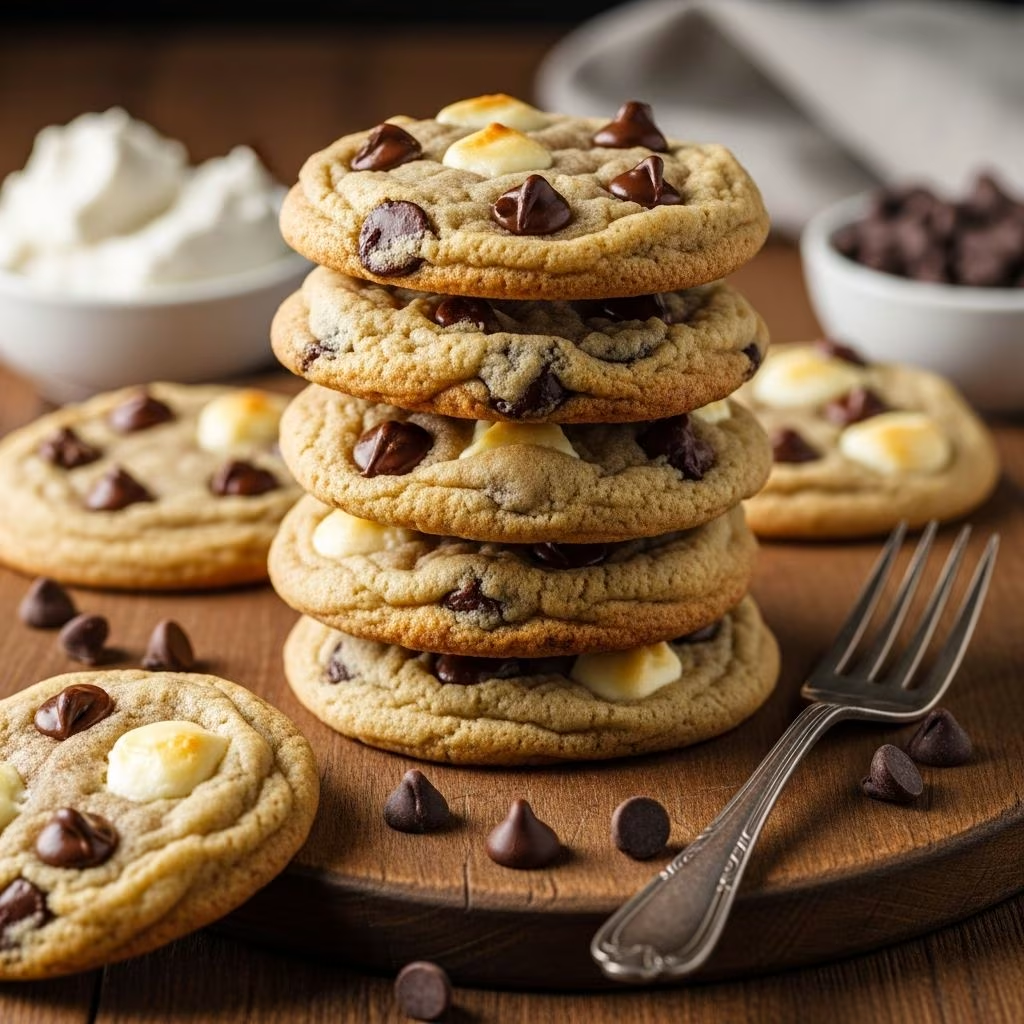
The combination of cream cheese and butter in cookie dough produces a distinctly different texture and flavor profile compared to traditional chocolate chip cookies. These cookies offer a richer, more tender crumb structure that melts on the tongue, making them a favorite among bakers seeking to elevate their homemade treat game. The addition of cream cheese transforms standard cookie dough into something luxuriously smooth and sophisticated.
Understanding the Role of Cream Cheese in Cookie Making
Cream cheese serves multiple purposes when incorporated into cookie dough. Beyond contributing rich flavor, it fundamentally alters the texture of the final baked product. The fat content in cream cheese creates a more tender, almost cake-like consistency, while the slight tanginess it provides balances the sweetness of sugar and chocolate. When combined with butter in equal or near-equal proportions, cream cheese produces a dough that remains soft even after cooling, preventing the hard, brittle texture that sometimes develops in conventional cookies.
The moisture content of cream cheese also plays a critical role in achieving the desired chewiness. Unlike butter alone, which relies on precise baking times to achieve optimal texture, cream cheese helps maintain moisture retention throughout the baking process and cooling period. This characteristic makes these cookies particularly forgiving for home bakers, as slight variations in baking time are less likely to result in overly crispy cookies.
Essential Ingredients and Their Functions
Creating exceptional cream cheese chocolate chip cookies requires understanding what each ingredient contributes to the final product.
Fats and Dairy Components
The foundation of quality cream cheese cookies relies on using softened butter and room-temperature cream cheese. Softening these ingredients before mixing ensures even incorporation and prevents lumps in the dough. Full-fat cream cheese is preferable to light or whipped varieties, as these alternatives contain added air and water that can negatively affect texture and structural integrity. Using approximately equal portions of butter and cream cheese, typically around ½ cup each, creates the optimal balance between richness and structural stability.
Sweetening Agents
A combination of granulated and brown sugar produces superior results compared to using either type alone. Granulated sugar contributes to spread and texture refinement, while brown sugar adds moisture and promotes chewiness due to its molasses content. Using approximately ¾ cup to 1 cup total sugar provides sweetness without overwhelming the palate or creating an overly crispy texture.
Dry Ingredients and Structure
The flour component typically comprises 2 to 2¼ cups of all-purpose flour, which provides structure without creating excessive toughness. Cornstarch, used in quantities of 1 to 2 tablespoons, serves an important function by reducing gluten development and promoting a more tender, almost shortbread-like crumb. Baking soda, rather than baking powder, is the leavening agent of choice for cream cheese cookies, typically using ½ to 1 teaspoon depending on the recipe’s other components. Baking soda reacts with the slight acidity of cream cheese to produce lift and a subtle browning effect.
Chocolate Selection and Quantity
The chocolate component can range from 1 to 1½ cups, with flexibility in the types used. Many bakers combine semi-sweet and bittersweet chocolate chips to create complexity and depth of flavor. Using a mixture of chip types prevents monotony and adds sophistication. Some recipes incorporate larger chocolate chunks alongside traditional chips, creating textural variation in each bite.
Step-by-Step Preparation Technique
Proper preparation methodology ensures consistent, high-quality results with every batch.
Mixing the Wet Ingredients
Begin by creaming together softened butter and cream cheese using an electric mixer on medium to medium-high speed for approximately 2 to 4 minutes. This extended mixing time is crucial—it incorporates air into the mixture and creates a light, fluffy base. The mixture should transform from a dense mass into a pale, aerated texture. This foundational step cannot be rushed, as insufficient creaming results in dense, heavy cookies.
Once the butter and cream cheese mixture reaches the proper consistency, gradually add sugars while continuing to beat. Mix until the combination becomes uniform and slightly lighter in color, typically 1 to 2 minutes. Following sugar incorporation, add the egg and vanilla extract, beating thoroughly until these wet ingredients are fully combined and incorporated. This process typically requires an additional 1 to 2 minutes of mixing.
Combining Dry and Wet Components
While the wet ingredients are being prepared, whisk together all dry components—flour, cornstarch, baking soda, and salt—in a separate bowl. Whisking ensures even distribution of leavening and salt throughout the flour. Once the wet mixture is complete, add the dry ingredients gradually, mixing on low speed. This gentle approach prevents overmixing, which can develop excessive gluten and create tough cookies. Mix only until the dry ingredients are just incorporated; small pockets of flour are preferable to extended mixing.
Chocolate Integration and Dough Preparation
Fold chocolate chips into the finished dough by hand using a rubber spatula or wooden spoon. Hand-folding prevents excessive agitation of the dough and maintains the delicate structure developed during mixing. Distribute chocolate evenly throughout, ensuring every portion of dough contains chocolate pieces.
At this stage, many bakers choose to refrigerate the dough. Chilling serves multiple purposes: it solidifies fats, making the dough easier to portion; it allows flavors to meld and develop; and it can prevent excessive spreading during baking. Refrigeration typically requires a minimum of 1 to 3 hours, though overnight refrigeration is acceptable and sometimes preferred.
Baking Procedures and Temperature Management
Proper oven technique determines whether cookies emerge soft and chewy or become overcooked and hard.
Preheat the oven to 350°F and position racks in the center of the oven. Using parchment paper or silicone baking mats prevents sticking and promotes even heat distribution underneath the cookies. Portion dough using an ice cream scoop or measuring spoon, creating roughly 1½ to 2 tablespoon-sized balls and spacing them 2 to 3 inches apart on the prepared baking sheets. Larger cookies require more baking time and may bake unevenly if crowded.
Bake for 8 to 12 minutes, depending on desired doneness and cookie size. The critical indicator of proper baking is when the edges appear lightly browned while the centers remain slightly underdone and soft. Remove cookies from the oven when they exhibit this characteristic; they will continue to cook slightly as they rest on the baking sheet. After approximately 2 to 3 minutes on the baking sheet, transfer cookies to a cooling rack to prevent overbaking from residual heat.
Troubleshooting Common Baking Challenges
| Challenge | Likely Cause | Solution |
|---|---|---|
| Cookies spread excessively | Dough insufficiently chilled or oven temperature too low | Refrigerate dough longer; verify oven temperature with a thermometer |
| Cookies become hard or brittle | Baking time too long | Reduce baking time by 1-2 minutes; remove when centers appear underdone |
| Dense, heavy texture | Overmixing of dough or insufficient creaming | Mix only until ingredients combine; cream butter and cream cheese longer initially |
| Uneven browning | Oven hot spots or cookie sheet placement | Rotate baking sheet halfway through; use insulated baking sheets |
| Flat cookies without rise | Expired leavening agents or room-temperature dough | Check expiration dates; refrigerate dough before baking |
Storage and Longevity Optimization
Proper storage extends the enjoyment of freshly baked cookies and maintains optimal texture.
Once cookies have cooled completely, transfer them to an airtight container at room temperature. Cookies will remain fresh and soft for approximately 3 to 5 days when stored this way. For extended storage, cookies can be frozen in a freezer-safe container for up to 3 months. When ready to enjoy frozen cookies, allow them to thaw at room temperature for 15 to 30 minutes before serving.
Preventing moisture loss is essential for maintaining the desired chewy texture. Adding a slice of bread to the storage container creates a moisture exchange that keeps cookies soft; replace the bread slice if it becomes hard. Alternatively, storing cookies with a silica gel packet helps maintain optimal humidity levels within the container.
Variations and Creative Adaptations
While the classic recipe provides exceptional results, numerous variations can personalize these cookies to suit different preferences and dietary considerations.
- Replace semi-sweet chocolate chips with white chocolate chips or a combination of milk and dark chocolate
- Add crushed cookies, such as Oreos or graham crackers, to the dough
- Incorporate mix-ins including nuts, dried fruit, or caramel bits
- Use different extracts such as almond or maple in place of vanilla
- Create a swirl pattern by drizzling melted chocolate on finished cookies
- Experiment with different brown sugar ratios for varying degrees of molasses flavor
Frequently Asked Questions
Can I use whipped or light cream cheese in this recipe?
Full-fat cream cheese is strongly recommended for optimal results. Whipped cream cheese contains added air that disrupts the dough’s structure, while light cream cheese has reduced fat content that affects the richness and texture of the final cookies.
Is refrigeration mandatory, or can I bake dough immediately?
While refrigeration is not absolutely mandatory, it significantly improves results by allowing fats to solidify and flavors to develop. Refrigerated dough spreads less during baking and produces more uniformly chewy cookies.
What temperature should all ingredients be before mixing?
Room temperature is ideal for butter, cream cheese, and eggs. Room-temperature ingredients incorporate more evenly and create better emulsification, resulting in a smoother, more consistent dough texture.
How can I ensure my cookies are uniformly chewy?
Remove cookies from the oven when edges appear set but centers still appear slightly underdone. This ensures even texture development as cookies cool.
Can this dough be frozen for later baking?
Yes, portioned cookie dough balls can be frozen in a freezer-safe container for up to 3 months. Bake from frozen, adding 2 to 3 minutes to the standard baking time.
Achieving Professional Results at Home
Creating bakery-quality cream cheese chocolate chip cookies at home requires attention to detail and understanding the science behind ingredient interactions. By following proper techniques, using quality ingredients, and managing oven temperatures carefully, home bakers can consistently produce cookies that rival professional bakeries. The combination of cream cheese and butter creates a sophisticated flavor and texture that elevates these cookies beyond standard varieties, making them an impressive offering for gatherings or a special treat for personal enjoyment.
References
- Cream Cheese Chocolate Chip Cookies — Of Batter and Dough. Accessed April 2026. https://ofbatteranddough.com/cream-cheese-chocolate-chip-cookies/
- Soft Batch Cream Cheese Chocolate Chip Cookies — U.S. Dairy. Accessed April 2026. https://www.usdairy.com/recipes/cream-cheese-chocolate-chip-cookies
- Cream Cheese Chocolate Chip Cookies — Chef Lindsey Farr. Accessed April 2026. https://cheflindseyfarr.com/cream-cheese-chocolate-chip-cookies/
- Cream Cheese Chocolate Chip Cookies — Kitchen Confidante. Accessed April 2026. https://kitchenconfidante.com/cream-cheese-chocolate-chip-cookies-recipe
- Softbatch Cream Cheese Chocolate Chip Cookies — Averie Cooks. Accessed April 2026. https://www.averiecooks.com/softbatch-cream-cheese-chocolate-chip-cookies/
- Cream Cheese Chocolate Chip Cookies — Confessions of a Baking Queen. Accessed April 2026. https://confessionsofabakingqueen.com/cream-cheese-chocolate-chip-cookies/