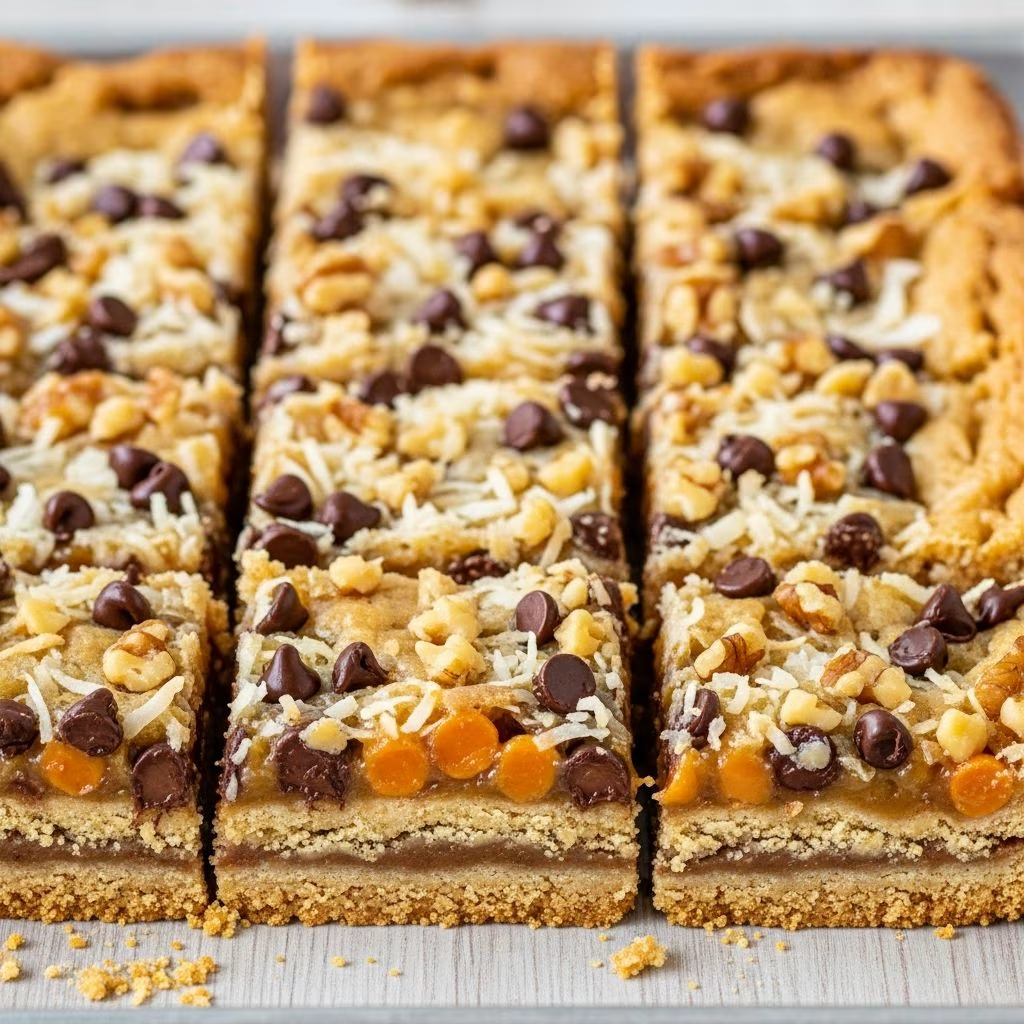
Seven layer bars represent one of the most straightforward yet satisfying desserts you can prepare in your kitchen. These delightful treats combine simple ingredients layered in a baking pan to create a complex flavor profile and texturally interesting confection. Often referred to as magic bars, this dessert has earned its nickname through the seemingly magical transformation that occurs when distinct ingredients bake together, creating something far greater than the sum of their parts.
Understanding the Foundation: What Makes These Bars Special
The appeal of seven layer bars lies in their elegant simplicity and their no-fuss preparation method. Unlike many desserts that require precise mixing techniques, specialized equipment, or extensive preparation time, these bars demand only that you layer ingredients and allow the oven to work its magic. The creation process involves no electric mixers, no complicated timing sequences, and no intermediate cooling periods between steps. This straightforward nature makes these bars an ideal choice for novice bakers and experienced cooks alike.
The magic occurs through the combination of complementary flavors and the chemical transformation of the sweetened condensed milk as it bakes. This key ingredient caramelizes slightly during the baking process, binding all the layers together while creating a cohesive texture and enhancing the overall sweetness and richness of the finished product.
Breaking Down the Seven Essential Components
Each layer contributes distinct characteristics to the final product:
- Graham Cracker Crust Layer: This foundation combines crushed graham cracker crumbs with melted butter to create a crumbly, buttery base that holds the remaining layers in place while providing a subtle sweetness and slight crunch.
- Chocolate Chip Layer: Semi-sweet chocolate chips add richness and cocoa notes to the overall flavor profile, melting slightly during baking to create pockets of chocolate throughout.
- Butterscotch Chip Layer: These chips introduce a warm, caramelized sugar flavor that complements the chocolate while adding depth to the taste experience.
- Coconut Layer: Sweetened shredded coconut provides tropical undertones, subtle texture variation, and toasts lightly during baking to enhance its natural flavors.
- Nut Component: Chopped walnuts or pecans contribute crunchiness, earthiness, and nutritional value while creating satisfying textural contrast.
- Sweetened Condensed Milk: This binding agent drizzled over the top layers caramelizes and permeates downward, connecting all ingredients while creating a cohesive, gooey texture.
- The Butter Component: Mixed with graham cracker crumbs for the crust, butter provides essential fat content that creates richness and helps bind the remaining layers.
Ingredient Selection and Quality Considerations
While these bars tolerate ingredient substitutions well, selecting quality components produces noticeably superior results. Graham cracker crumbs should come from actual graham crackers rather than crumbs that have absorbed moisture or aged in storage. Fresh chocolate chips and butterscotch chips maintain better structural integrity during baking than older varieties that may have become discolored or developed bloom.
For the coconut component, sweetened shredded coconut works best, though unsweetened varieties can be substituted if you prefer less overall sweetness. If using unsweetened coconut, consider toasting it before incorporating it into the bars to intensify its natural coconut flavor. Nut selection depends on personal preference, though walnuts and pecans remain the traditional choices. Almonds, pecans, or even macadamia nuts can provide interesting flavor variations.
The sweetened condensed milk serves as the binding agent that transforms separate ingredients into a cohesive dessert. Do not substitute regular milk or evaporated milk, as these alternatives lack the sugar content necessary to create the desired caramelization and binding action.
Preparation Methods and Baking Techniques
Pan Selection and Preparation
A 9×13 inch baking pan represents the standard choice for traditional seven layer bars. Prepare your pan by lining it with parchment paper that extends up the sides, or spray it thoroughly with cooking spray. This preparation allows for easy removal and cleaner slicing once the bars have cooled. The parchment paper method proves particularly helpful for creating uniform squares with minimal mess.
Temperature and Timing
Preheat your oven to 350°F before beginning the layering process. This temperature allows the bars to bake through completely while achieving golden-brown edges without burning the coconut or chocolate. Baking time typically ranges from 25 to 30 minutes, depending on your specific oven and the exact thickness of your layers.
The Layering Process
Begin by melting butter and mixing it thoroughly with graham cracker crumbs until the crumbs achieve a consistent, damp appearance. Press this mixture firmly into the bottom of your prepared pan, creating an even layer approximately one-quarter inch thick. Press with the back of a measuring cup or your fingers, ensuring the crust compacts sufficiently to hold the remaining layers.
Once the crust is firmly established, sprinkle each remaining ingredient in order: chocolate chips, butterscotch chips, coconut, and nuts. The final step involves drizzling the sweetened condensed milk evenly across the surface. Some recipes recommend pouring the condensed milk from a can or measuring cup, while others suggest spreading it with a spatula or offset knife. The key is ensuring relatively even distribution so all areas receive adequate binding liquid.
Cooling and Storage
Remove the baked bars from the oven when the top achieves a light golden color and the condensed milk has set slightly. Allow the pan to cool to room temperature on a wire rack before attempting to cut the bars. For easier slicing and cleaner edges, refrigerate the cooled bars for at least two hours before cutting. This cooling period allows the layers to set completely and reduces crumbling during cutting.
Ingredient Variation Options
| Component | Traditional Choice | Alternative Options | Result |
|---|---|---|---|
| Chocolate Chips | Semi-sweet | Dark chocolate, white chocolate, milk chocolate | Varies from rich and intense to sweet and creamy |
| Nuts | Walnuts or pecans | Almonds, macadamia nuts, no nuts | Changes textural crunch and flavor profile |
| Coconut | Sweetened shredded | Unsweetened, toasted, flaked | Affects overall sweetness and coconut intensity |
| Butterscotch Chips | Standard butterscotch | Peanut butter chips, caramel chips, toffee bits | Creates entirely different flavor combinations |
| Base | Graham cracker | Digestive biscuits, vanilla wafers, crushed pretzels | Alters crust flavor and texture |
Troubleshooting Common Issues
Bars too cakey or dry: This typically results from overbaking or using old ingredients. Reduce baking time by 2-3 minutes and ensure your condensed milk is fresh. The milk should drizzle easily and not appear overly thick.
Edges burning while center remains underbaked: Tent the pan loosely with aluminum foil during the final 10 minutes of baking to protect edges. Alternatively, reduce oven temperature by 25 degrees and extend baking time accordingly.
Layers separating or not adhering: Ensure the condensed milk distributes evenly across all layers. If layers separate during baking, the milk may not have been drizzled sufficiently. Pressing the crust firmly also helps create a solid foundation for remaining layers.
Bottom crust remains soft or soggy: This occurs when condensed milk drizzles through to the bottom. Try spreading chocolate chips more densely to create a barrier, or partially bake the crust for 5 minutes before adding layers.
Frequently Asked Questions
Can I make seven layer bars in advance?
Yes, these bars store excellently. Keep them covered in an airtight container at room temperature for up to five days, or refrigerate for extended shelf life. They can be frozen for up to three months when wrapped individually in plastic wrap and stored in a freezer-safe container.
Is it necessary to use exactly seven layers?
The “seven” refers to the ingredients, not strictly seven distinct layers. You can combine some ingredients or create additional layers through creative additions like a double layer of different chocolate types.
What size bars should I cut?
Traditional cut sizes range from 1.5 inches to 2 inches square, yielding 24 to 48 bars from a standard 9×13 pan depending on preference. Smaller cuts make ideal serving portions for parties, while larger sizes suit personal consumption or small household servings.
Can I reduce the recipe for smaller portions?
Yes, an 8×8 inch pan works well for half batches. Reduce all ingredient quantities by approximately 40-50 percent and reduce baking time by 3-5 minutes, monitoring carefully as smaller pans bake faster.
Does the order of layers matter?
The traditional order has developed through trial and error and works optimally as written. However, some variations suggest placing nuts directly on the crust before chocolate chips. Experimentation reveals that layer order does affect final texture and how thoroughly the condensed milk permeates the bars.
Serving Suggestions and Occasions
Seven layer bars adapt remarkably well to various serving contexts. Cut into standard squares for everyday desserts, or create smaller bite-sized portions for parties and gatherings. The bars pair excellently with coffee, milk, or tea, making them suitable for afternoon snacks or after-dinner treats. Their portability and durability make them ideal candidates for bake sales, potluck contributions, and gift-giving opportunities.
For holiday gatherings, these bars bring nostalgic charm and familiar comfort to dessert tables. Their make-ahead capability reduces last-minute stress, while their crowd-pleasing nature ensures broad appeal across different palates and preferences.
Nutritional Considerations
Seven layer bars contain significant amounts of sugar, fat, and calories due to their ingredient composition. A single bar typically contains 80-120 calories depending on cut size and specific ingredients used. They serve best as occasional treats rather than daily staples. For healthier variations, consider reducing sugar-sweetened components, using unsweetened coconut, or incorporating additional nuts for increased protein and fiber content.
Conclusion: Mastering a Timeless Classic
Seven layer bars represent accessible dessert excellence, combining minimal effort with maximum flavor impact. Their flexibility accommodates various preferences and dietary considerations while their straightforward preparation invites both novice and experienced bakers to the kitchen. Whether preparing these bars for special occasions, casual gatherings, or personal enjoyment, understanding their components and techniques ensures consistent, delicious results every time.
References
- Belle of the Kitchen: Seven Layer Magic Bars Recipe — Belle of the Kitchen. Accessed April 2026. https://belleofthekitchen.com/seven-layer-magic-bars/
- Luci’s Morsels: Old Fashioned Seven Layer Bars Recipe — Luci’s Morsels. Accessed April 2026. https://www.lucismorsels.com/seven-layer-bars/
- Jessie Sheehan Bakes: Small Batch 7 Layer Bars — Jessie Sheehan Bakes. 2025-03-21. https://www.jessiesheehanbakes.com/2025/03/21/small-batch-7-layer-bars/
- Living Well Mom: Seven Layer Bars Recipe (Easy + Gooey Magic Cookie Bars) — Living Well Mom. Accessed April 2026. https://livingwellmom.com/7-layer-magic-cookie-bars/
- Chef Lindsey Farr: 7 Layer Bars (Magic Bars Recipe) — Chef Lindsey Farr. Accessed April 2026. https://cheflindseyfarr.com/seven-layer-bars/
- Beyond Frosting: Seven Layer Bars Recipe — Beyond Frosting. Accessed April 2026. https://beyondfrosting.com/seven-layer-bars/