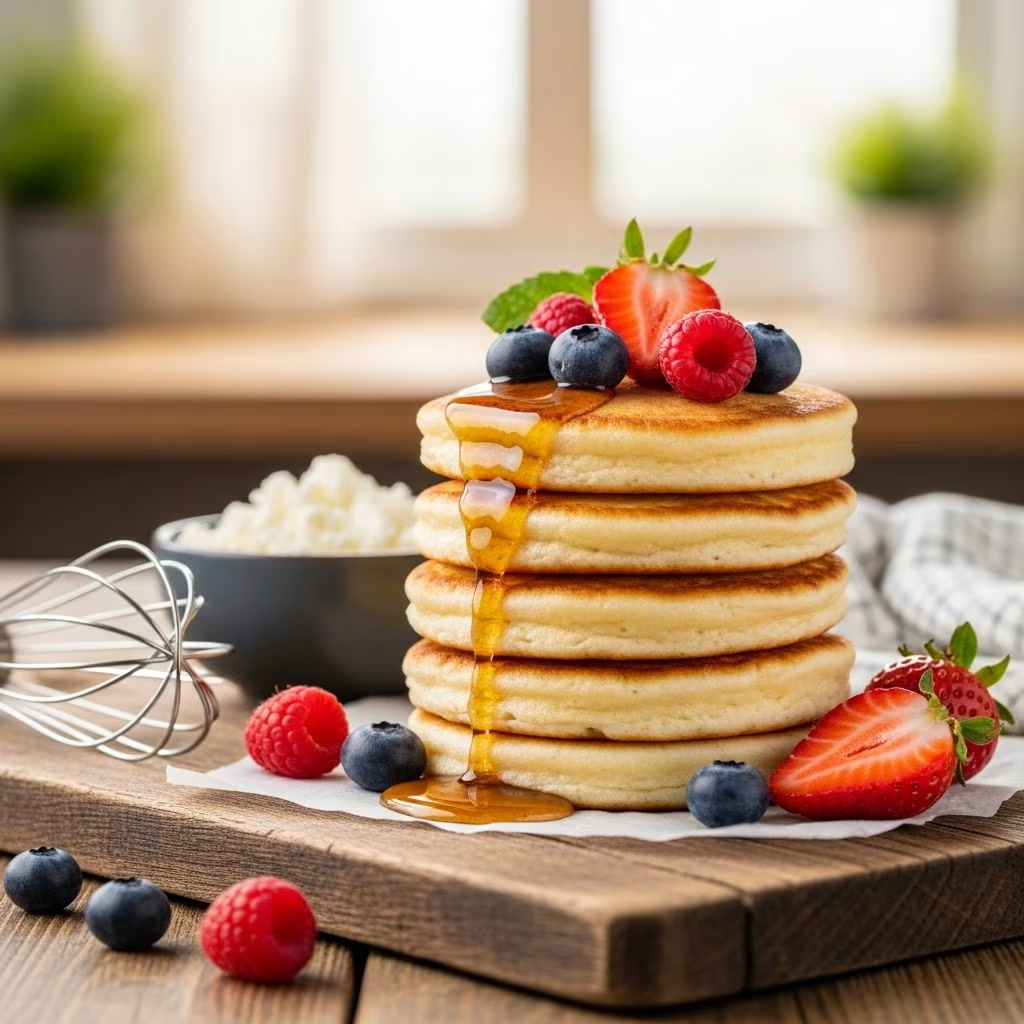
Pancakes have long been a beloved breakfast staple, but traditional recipes often lack nutritional substance. Cottage cheese pancakes represent a modern twist on this classic, transforming a carbohydrate-heavy meal into a protein-rich breakfast option that satisfies both taste buds and nutritional needs. These pancakes deliver exceptional protein content while maintaining the fluffy texture and comforting nature of conventional pancakes.
Understanding Why Cottage Cheese Transforms Pancake Nutrition
The addition of cottage cheese fundamentally changes the nutritional profile of traditional pancake recipes. Cottage cheese serves as an excellent source of complete proteins containing all essential amino acids necessary for muscle repair and maintenance. A single batch of cottage cheese pancakes can deliver substantial protein content, making them particularly suitable for those following fitness-oriented diets or seeking sustained energy throughout the morning.
Beyond protein enrichment, cottage cheese contributes moisture to the batter, creating a naturally tender and thick pancake without excessive egg consumption. This creamy dairy product also introduces beneficial probiotics in certain varieties, supporting digestive health when using live-culture cottage cheese products.
Essential Components for Your Cottage Cheese Pancake Batter
Creating successful cottage cheese pancakes requires understanding how each ingredient contributes to the final product. The foundation consists of straightforward pantry staples combined with fresh dairy ingredients.
Base Dry Ingredients
- All-purpose flour provides structure and helps bind the batter components together. Quantities typically range from three-quarters to one and one-quarter cups depending on desired consistency.
- Baking powder acts as the primary leavening agent, creating the characteristic fluffy texture. Typically one to one and one-half teaspoons suffices for most recipes.
- Salt enhances flavor complexity and balances sweetness, requiring only a pinch to one-quarter teaspoon.
- Optional sweetener such as sugar or honey adds depth to the pancakes, though many find the dairy provides sufficient sweetness.
Wet Ingredient Components
- Cottage cheese forms the nutritional foundation, with one to one and one-half cups providing the primary protein source and moisture.
- Eggs function as a binding agent and contribute additional protein, with two to four large eggs being standard across most variations.
- Milk or water adjusts batter consistency, typically ranging from two tablespoons to one-quarter cup depending on desired thickness.
- Vanilla extract provides aromatic complexity, requiring only one teaspoon in most recipes.
- Oil or melted butter introduces richness and prevents sticking during cooking, though actual cooking surfaces will require additional fat.
Preparation Techniques That Ensure Success
The Blending Method for Optimal Texture
Professional kitchen experts consistently recommend blending wet ingredients before combining with dry components. This approach achieves several important outcomes. First, blending cottage cheese completely eliminates lumps that could compromise texture consistency. Second, incorporating eggs thoroughly creates an emulsified mixture that distributes moisture evenly throughout the batter. This technique produces the characteristic fluffy pancakes that cottage cheese recipes promise.
Add ingredients to your blender in the specified order: cottage cheese first, followed by eggs, any sweeteners, vanilla, then milk or water, and finally baking powder and salt. Blend for approximately thirty to sixty seconds until the mixture reaches complete smoothness. Avoid overmixing, which can develop gluten and result in tougher pancakes.
Combining Wet and Dry Components
Once your blended wet mixture achieves proper consistency, transfer it to a separate bowl containing pre-whisked dry ingredients. The key technique here involves gentle stirring rather than aggressive mixing. Combine the ingredients just until the wet and dry components incorporate fully. Overmixing at this stage introduces unnecessary gluten development, resulting in dense, chewy pancakes rather than the desired light texture. Small flour streaks are acceptable and preferable to overworking the batter.
Alternative Texture Considerations
Some cooks prefer hand-mixing the batter instead of using a blender, deliberately creating pockets of intact cottage cheese throughout the pancakes. This approach produces a chunkier texture with melted cheese deposits that some find more flavorful. Both methods produce delicious results; choose based on your personal texture preferences and available equipment.
Cooking Techniques for Perfect Results
Pan Selection and Heat Management
Selecting appropriate cookware significantly impacts cooking outcomes. Non-stick skillets or griddles eliminate the necessity for constant oil reapplication between pancakes while preventing sticking. If non-stick surfaces aren’t available, traditional cast iron skillets work excellently when properly maintained.
Heat management requires patience and attention. Medium heat represents the optimal temperature setting for cottage cheese pancakes. While higher temperatures cook faster, they often result in burnt exteriors with undercooked interiors. Medium heat allows the pancakes to develop golden-brown coloring while the interior cooks completely through. Resist the temptation to increase heat in pursuit of faster cooking.
The Cooking Process Step-by-Step
Begin by preheating your cooking surface for one to two minutes over medium heat. Once adequately hot, add a small amount of butter or oil and allow it to melt completely. This initial coating prevents initial sticking and promotes even browning.
Pour approximately one-quarter cup of batter per pancake onto the heated surface, adjusting quantity based on desired pancake size. Many cooks use ice cream scoops to maintain consistent sizing across batches. Allow the batter to cook undisturbed for approximately one to two minutes. The pancake is ready for flipping when bubbles begin forming on the surface and the edges appear defined with visible drying.
Flip the pancake gently using a spatula, avoiding the common mistake of pressing down on the pancake after flipping. This pressure compacts the structure, resulting in dense pancakes and potential leakage of undercooked batter. Continue cooking the second side for approximately one to two minutes until golden brown and cooked through. The entire cooking process requires about four to five minutes per pancake.
Temperature and Timing Guide
| Cooking Stage | Temperature | Duration | Visual Indicator |
|---|---|---|---|
| Initial heating | Medium heat | 1-2 minutes | Butter begins to sizzle |
| First side cooking | Medium heat | 1-2 minutes | Bubbles form on surface, edges dry |
| Second side cooking | Medium heat | 1-2 minutes | Golden brown coloration |
Customization Options to Suit Your Preferences
Flour Variations
While all-purpose flour serves as the standard foundation, various flour alternatives produce excellent results. Whole wheat flour adds nutritional depth and nutty flavor complexity. Gluten-free all-purpose flour accommodates dietary restrictions without sacrificing texture. Oat flour introduces subtle sweetness and additional fiber. Some adventurous cooks experiment with almond flour for lower-carbohydrate variations. Each flour type produces slightly different results; experiment to find your preferred combination.
Flavoring and Spice Additions
Cinnamon introduces warmth and spice to cottage cheese pancakes, with one-half teaspoon added to the blender providing noticeable enhancement. Nutmeg offers subtler complexity in quarter-teaspoon quantities. Vanilla extract can increase from the standard teaspoon to one and one-half teaspoons for pronounced vanilla notes. These additions require minimal ingredient changes but significantly influence the final flavor profile.
Sweetening Options
The dairy base of cottage cheese pancakes provides inherent sweetness, allowing flexibility in added sweeteners. Maple syrup, honey, or traditional sugar each contribute distinct flavor notes. Alternatively, sugar substitutes like stevia or erythritol accommodate various dietary preferences. Some cooks omit added sweeteners entirely, relying on toppings to provide sweetness.
Serving Suggestions and Topping Ideas
The neutral flavor profile of cottage cheese pancakes accommodates numerous topping options. Traditional choices include warm maple syrup and butter, which complement the pancakes’ natural creaminess. Fresh fruit selections such as blueberries, strawberries, or banana slices add nutritional value and natural sweetness.
Yogurt-based toppings introduce additional protein and probiotics, creating a complete nutritional breakfast package. Nut butters such as almond or peanut butter provide healthy fats and extended satiety. Honey drizzled over warm pancakes creates an elegant presentation while enhancing the dairy-forward flavor. Even jam preserves offer quick, delicious topping options for those seeking traditional pancake experiences.
Nutritional Profile and Health Advantages
Cottage cheese pancakes deliver impressive nutritional benefits compared to conventional pancake recipes. A typical serving provides fifteen to twenty grams of protein depending on specific ingredient ratios and cottage cheese variety selected. This protein content supports muscle maintenance and repair while promoting sustained satiety throughout the morning.
The carbohydrate content remains moderate compared to traditional flour-based pancakes when recipes follow standard proportions. Fat content varies based on cottage cheese selection and cooking oil choices, with full-fat cottage cheese providing creamy texture and flavor while lower-fat varieties reduce overall fat content.
These pancakes work particularly well within high-protein diet frameworks, fitness recovery protocols, and general wellness approaches emphasizing balanced macronutrient distribution. The sustained energy released by protein-carbohydrate combinations prevents the energy crashes often following traditional breakfast consumption.
Storage and Make-Ahead Strategies
Cottage cheese pancakes refrigerate successfully for three to five days when stored in airtight containers. Separation between pancakes using parchment paper prevents sticking during storage. Reheating gently in toasters or low-temperature ovens restores much of the original texture and warmth without creating tough or rubbery results.
Freezing represents another excellent preservation option. Fully cooled pancakes separated by parchment layers maintain quality for up to three months in freezer storage. Frozen pancakes reheat quickly in toasters, providing convenient grab-and-go breakfast options throughout the week or month.
Some cooks prepare batter in advance, storing it in refrigerated containers for up to forty-eight hours. Fresh batter requires slightly longer cooking times than immediate-use batter but produces acceptable results. This advance preparation strategy streamlines busy morning cooking routines.
Frequently Asked Questions
Why are my cottage cheese pancakes not fluffy?
Several factors compromise fluffiness. Overmixing the batter develops gluten strands that prevent proper rising. Using expired baking powder fails to provide adequate leavening. Inadequate blending of wet ingredients before combining with dry components can leave lumps that disrupt even cooking. Additionally, cooking temperatures that are too low prevent proper structure setting before moisture evaporates.
Can I make these pancakes without a blender?
Yes, though blending produces superior texture. Hand-mixing requires vigorous whisking to break cottage cheese into small pieces and thoroughly incorporate eggs. The resulting pancakes will have chunkier texture but remain delicious. Those seeking completely smooth texture will find blending superior, but hand-mixing proves acceptable for most purposes.
What cottage cheese type works best?
Full-fat cottage cheese containing four percent milk fat provides superior creaminess and flavor compared to lower-fat varieties. Brands with smaller curds blend more smoothly than those with large curds. Avoid extremely watery cottage cheese varieties, which require flour adjustment to achieve proper consistency.
How do I prevent pancake burning?
Medium heat represents the most important factor in preventing burning. Heat that is too high browns the exterior before the interior cooks completely. Non-stick cooking surfaces reduce burning tendency compared to traditional skillets. Adding a small amount of oil or butter to the pan before each pancake prevents sticking and browning that results from direct heat contact.
Can I use Greek yogurt instead of cottage cheese?
Greek yogurt produces acceptable results though with different texture characteristics. The tanginess of Greek yogurt influences final flavor noticeably. Thinner consistency requires reduced milk addition to maintain proper batter thickness. Blending becomes even more important when substituting yogurt. The result differs from traditional cottage cheese pancakes but offers its own appeal.
Conclusion: Embracing Nutritious Breakfast Innovations
Cottage cheese pancakes represent a simple yet transformative approach to breakfast preparation, combining familiar comfort food elements with impressive nutritional benefits. Whether you prioritize high-protein intake for fitness goals, seek sustained morning energy, or simply enjoy exploring new recipes, cottage cheese pancakes deliver satisfying results. The straightforward ingredient list and flexible preparation methods accommodate various dietary preferences and cooking skill levels. By understanding fundamental techniques and avoiding common pitfalls, anyone can master this nutritious pancake variation. The result justifies the minimal effort required—delicious pancakes that nourish your body while satisfying your breakfast cravings.
References
- Cottage Cheese Nutrition and Protein Content — USDA FoodData Central. 2024. https://fdc.nal.usda.gov
- Protein Requirements and Muscle Recovery — National Institutes of Health, National Library of Medicine. 2024. https://pubmed.ncbi.nlm.nih.gov
- Baking Techniques for Fluffy Pancakes — King Arthur Baking Company. 2025. https://www.kingarthurbaking.com
- Gluten Development and Texture in Baked Goods — American Society of Baking. 2024. https://www.asbe.org
- Probiotic Foods and Digestive Health — Harvard School of Public Health. 2024. https://www.hsph.harvard.edu