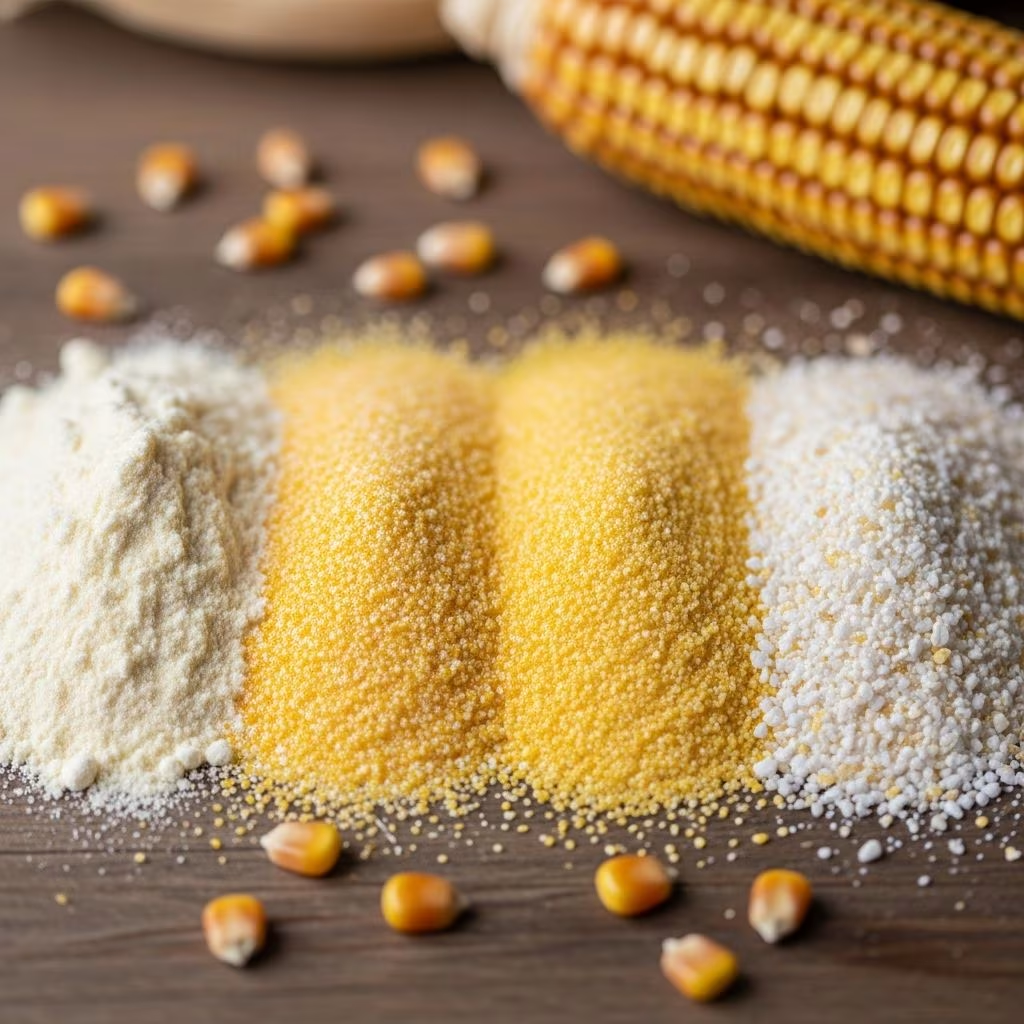
Corn-based ingredients form the backbone of countless dishes across cultures, from hearty Southern breakfasts to Italian comfort foods. Yet, the grocery aisle often confuses shoppers with overlapping labels like cornmeal, corn flour, polenta, and grits. Each has unique characteristics in grind size, processing, flavor, and ideal uses, influencing everything from texture to nutrition.
Understanding the Basics of Corn Grinding
All these products start with dried field corn, also known as maize, ground into varying degrees of fineness. The primary differences arise from grind coarseness, treatment methods, and regional traditions. Fine grinds suit baking, while coarser ones excel in porridges. In the U.S., lack of strict labeling regulations adds to the mix-up, as manufacturers use familiar terms interchangeably.
Yellow corn yields golden products, while white corn produces paler versions, mainly affecting appearance rather than taste. Stone-ground options retain more nutrients like fiber and vitamins by avoiding high-heat processing.
Breaking Down Cornmeal: The Versatile Staple
Cornmeal is simply dried corn kernels ground into meal. It ranges from fine (like sand) to coarse (gritty like polenta). Fine cornmeal stars in cornbread, muffins, and coatings for frying fish or vegetables, creating a light, crisp exterior.
Coarse cornmeal absorbs liquids slowly, making it perfect for rustic breads or as a pizza dough base. Brands like Bob’s Red Mill offer consistent textures for home bakers. Unlike flour, cornmeal adds a distinct corn flavor and speckled look to baked goods.
- Fine cornmeal: Ideal for tender cornbread or dredging proteins.
- Medium cornmeal: Balances texture in pancakes or dumplings.
- Coarse cornmeal: Best for hearty polenta-like dishes or grill marks on cornbread.
Corn Flour: The Ultra-Fine Powerhouse
Corn flour takes grinding to the extreme, resulting in a powdery texture akin to wheat flour but with a sweeter corn taste. In the U.S., it’s ultra-fine cornmeal used sparingly for thickening sauces, gluten-free baking, or dusting doughs. It lacks the gluten in wheat flour, so it can’t replace it one-to-one in recipes requiring rise.
Across the Atlantic, ‘cornflour’ means cornstarch—a refined starch for puddings and gravies. American corn flour shines in tortillas when mixed with masa harina or in flatbreads. Its lightness makes it prone to clumping, so sift before use.
| Product | Grind Size | Common Uses |
|---|---|---|
| Corn Flour | Ultra-fine | Thickening, gluten-free blends, dusting |
| Fine Cornmeal | Fine | Cornbread, batters, muffins |
| Coarse Cornmeal | Coarse | Porridges, breads, frying |
Polenta: From Ingredient to Iconic Dish
Polenta blurs lines—it’s both a product and a preparation. Dry polenta is typically coarse yellow cornmeal, cooked into a creamy mush with water or broth. In Italy, authentic polenta demands slow stirring over low heat for 45-60 minutes, yielding a versatile base for meats, cheeses, or veggies.
Supermarket tubes offer pre-cooked, firm polenta for slicing, grilling, or frying—convenient but less nuanced in flavor. Quick-cook versions are pre-gelatinized for 5-minute results, though they sacrifice some depth. Polenta isn’t exclusive to corn; farro or chestnut versions exist, but corn dominates.
Experiment by topping firm polenta fries with marinara or blending soft polenta into creamy desserts with honey.
Grits: Southern Comfort in a Bowl
Grits hail from the American South, made from hominy—corn treated with an alkali like lime to remove hulls and boost niacin absorption (nixtamalization). This process yields a softer, creamier cooked texture than plain cornmeal, often from white corn for mildness or yellow for color.
Stone-ground grits, the gold standard, cook in 40-50 minutes for nutty flavor and chew. Instant grits trade authenticity for speed. Serve savory with shrimp, cheese, or gravy, or sweet with butter and sugar. Grits’ softer starch creates an oatmeal-like smoothness.
Key Distinctions: A Side-by-Side Comparison
Texture drives usage: corn flour for delicacy, grits for creaminess, polenta for versatility, cornmeal for structure.
| Aspect | Cornmeal | Corn Flour | Polenta (Dry) | Grits |
|---|---|---|---|---|
| Base | Ground corn | Ultra-fine ground corn | Coarse cornmeal | Alkali-treated hominy |
| Texture When Cooked | Gritty | Smooth, thickens | Creamy porridge | Very creamy |
| Cook Time | 5-10 min fine; longer coarse | Instant thickener | 30-60 min | 5 min instant; 45+ stone-ground |
| Regional Fame | Global baking | U.S. gluten-free | Italian | Southern U.S. |
Special Mentions: Masa Harina and Beyond
Masa harina, nixtamalized corn flour, is essential for tortillas, tamales, and pupusas. Its lime treatment adds flavor and nutrition, distinguishing it from plain cornmeal—don’t swap them in Mexican recipes. Cornstarch, derived from corn endosperm, is a pure thickener unrelated to meal or flour in use.
Cooking Techniques for Success
Ratio basics: Use 4:1 liquid to grain for polenta/grits; adjust for creaminess. Salt water first for flavor infusion. Stir constantly to prevent lumps.
- Polenta: Simmer with stock, finish with Parmesan.
- Grits: Boil with milk for richness, top with bacon.
- Cornmeal: Mix into batters dry; hydrate for mush.
Store in airtight containers to fend off pests. Freeze extras in portions.
Recipe Ideas to Try at Home
Creamy Parmesan Polenta
Boil 4 cups broth, whisk in 1 cup coarse cornmeal. Cook 40 min, stir in butter and cheese. Serves 4.
Shrimp and Grits
Cook stone-ground grits in milk. Sauté shrimp in garlic butter, pour over grits with green onions.
Classic Cornbread
Blend fine cornmeal, flour, buttermilk, egg, bake at 425°F for 20 min.
Gluten-Free Corn Flour Pancakes
Mix corn flour, baking powder, milk, fry golden.
Nutritional Insights
Corn products pack fiber, antioxidants, and carbs. Nixtamalization in grits/masa enhances bioavailability of B vitamins. Opt for whole-stone-ground for maximum benefits. All are naturally gluten-free, ideal for celiacs.
Frequently Asked Questions (FAQs)
Can I substitute cornmeal for polenta?
Yes, coarse cornmeal works for polenta; fine makes it grittier.
Are grits and polenta the same?
No—grits use hominy for creamier results; polenta is plain cornmeal mush.
What’s the difference between cornmeal and corn flour?
Corn flour is finer, for thickening; cornmeal is coarser for texture.
How do I make polenta creamy?
Use hot liquid, stir vigorously, cook low and slow.
Is masa harina the same as cornmeal?
No, masa is lime-treated for unique flavor and nutrition.
Choosing the Right Product for Your Pantry
Stock fine cornmeal for baking, coarse for porridges, grits for breakfast, masa for tacos. Experiment to match your cuisine—Southern, Italian, or Mexican. With these distinctions, you’ll navigate labels confidently and craft authentic dishes.
References
- Cornmeal vs Polenta vs Grits – What’s the difference? — Happy Herbivore. 2018-01. https://happyherbivore.com/2018/01/cornmeal-vs-polenta-vs-grits-whats-difference/
- The Kinds of Cornmeal: Polenta vs. Masa vs. Grits — Ancient Harvest. N/A. https://ancientharvest.com/kinds-cornmeal-polenta-vs-masa-vs-grits/
- Grits vs. Polenta: Uncovering the Key Differences — YouTube (WebstaurantStore). N/A. https://www.youtube.com/shorts/IQlxdkrqeTs