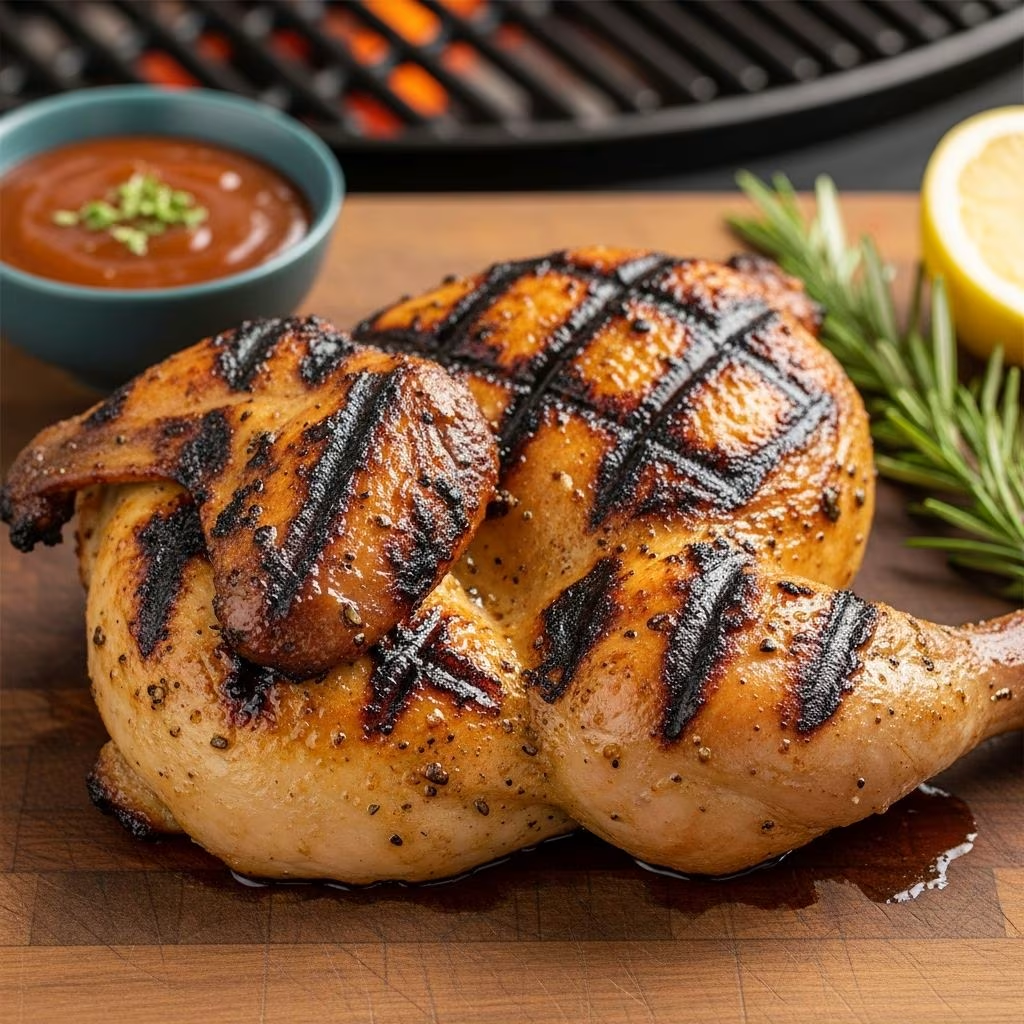
When it comes to backyard barbecuing, few recipes deliver the consistent excellence that Cornell-style chicken provides. This distinctive preparation method combines a revolutionary marinade with precise grilling techniques to produce poultry that is simultaneously tender, juicy, and adorned with a beautifully caramelized exterior. Whether you’re a seasoned grill master or a beginner looking to elevate your outdoor cooking repertoire, understanding the principles behind Cornell chicken will transform how you approach this humble protein.
The Origins and Legacy of Cornell Chicken
The Cornell chicken recipe emerged from an unexpected source: academic innovation. A physician working at Cornell University in New York developed this cooking method with a specific agricultural mission in mind—to help local farmers increase sales of their smaller poultry. During the era when this recipe was conceived, farmers in the region were raising birds that typically weighed around three pounds, which weren’t always easy to market compared to larger specimens. The doctor’s creation solved this problem by showcasing how smaller chickens could deliver superior flavor and texture when prepared using the distinctive marinade technique that would bear the university’s name.
This origin story reflects an important culinary principle: innovation often emerges when practical problems meet creative thinking. What began as a solution to a regional agricultural challenge has since become a celebrated technique adopted by barbecue enthusiasts across North America and beyond.
Understanding the Signature Marinade
The defining characteristic of Cornell chicken is its unusual marinade composition. Unlike conventional marinades that rely on acidic ingredients or oil-based preparations, this formula creates what might be called a “brinerade”—a hybrid between a traditional brine and a marinade. This innovative approach produces a preparation that imbues the chicken with moisture while simultaneously promoting browning and flavor development.
The marinade’s composition is deliberately engineered to achieve multiple objectives simultaneously. The combination of ingredients creates a stable emulsion through careful whisking, producing a bright yellow, homogeneous mixture that adheres to poultry surfaces while penetrating the meat. This adherence quality distinguishes it from many other preparations that may drip away during cooking.
Marinade Components and Their Functions
- Vegetable Oil (1 cup): Provides fat content that carries flavor compounds and promotes browning reactions. Neutral oils like canola or avocado work equally well.
- Apple Cider Vinegar (2 cups): Delivers acidity that tenderizes meat proteins while preventing bacterial growth in the marinade and creating a tangy flavor foundation.
- Egg (1 large): Functions as an emulsifier, binding the oil and vinegar together into a stable, cohesive mixture rather than allowing them to separate.
- Kosher Salt (2-3 tablespoons): Works as both a seasoning agent and a preservative, while the larger crystal structure of kosher salt provides superior control over salinity levels compared to table salt.
- Poultry Seasoning (1 tablespoon): Introduces herbal and aromatic elements specifically formulated to complement chicken’s subtle flavor profile.
- Black Pepper (1 tablespoon or to taste): Adds pungency and visual appeal, particularly when applied to skin surfaces for aesthetic presentation.
Preparation Methodology
Creating the Emulsified Base
The initial preparation of the marinade requires attention to technique. Begin by combining the egg yolk and white in a large mixing bowl, using a balloon whisk or hand mixer to break down the proteins. The whisking action is critical—it initiates the emulsification process that will bind incompatible ingredients. Continue whisking vigorously as you slowly incorporate the vegetable oil, maintaining consistent motion until the mixture transforms into a thick, glossy, bright yellow emulsion. This stage typically requires approximately two minutes of dedicated whisking.
Once the emulsion reaches the desired consistency and color, gradually introduce the apple cider vinegar while continuing to whisk. The vinegar will initially seem resistant to blending, but persistent whisking will integrate it fully. Finally, incorporate the kosher salt, ensuring even distribution throughout the marinade.
Marinade Storage and Food Safety
A common concern about using raw eggs in marinades relates to salmonella contamination. However, the Cornell marinade’s formulation provides inherent protection through multiple mechanisms. The high acid content from the vinegar, combined with the salt concentration and refrigeration, creates an environment that prevents harmful bacteria from multiplying. Additionally, when the marinade contacts chicken that reaches an internal temperature of 165°F during cooking, any remaining pathogens are destroyed through heat treatment. The prepared marinade can be safely stored in the refrigerator for several days, making it convenient for advance preparation.
Preparing the Chicken for Cooking
Cutting and Portioning Considerations
While traditional Cornell recipes often call for splitting whole birds in half, many contemporary preparations benefit from quartering the chickens into individual pieces. This modification addresses a fundamental cooking challenge: different parts of the chicken reach optimal doneness at different rates. Breast meat, with its lower fat content and greater density, requires more careful monitoring to prevent overcooking and drying out. Thighs and drumsticks, conversely, contain higher fat percentages and remain moist even with slightly extended cooking times.
By quartering the birds, you can rotate pieces individually, moving smaller or thinner portions away from direct heat sources while keeping thicker sections closer to heat, thereby promoting more even cooking throughout the batch.
Applying Seasonings and Preparing for Marinading
Before introducing chicken to the marinade, apply the dry rub components directly to all meat surfaces. Distribute the poultry seasoning and ground black pepper evenly across both sides of each piece, ensuring comprehensive coverage. This pre-application layer creates a flavorful crust that won’t wash away during the marinading process and contributes to the appealing visual texture of the finished dish.
Grilling Techniques and Temperature Management
Setting Up the Cooking Environment
Successful Cornell chicken preparation demands a two-zone grilling setup. This configuration involves creating distinct temperature regions on your grill—one zone maintained at moderate to high heat for browning and crisping, and an opposite zone at significantly lower heat for gentle cooking. For optimal results, aim to establish the indirect cooking zone at approximately 225°F, though this can be adjusted upward to 325°F if time constraints require faster cooking.
The two-zone approach prevents the common problem of burnt exteriors with undercooked interiors, instead allowing precise control over the Maillard reaction—the chemical process that creates those desirable browned, flavorful surfaces.
The Basting and Rotation Protocol
Throughout the cooking process, regular maintenance of the chicken pieces is essential. Every five to ten minutes, apply additional marinade to the surfaces of the chicken using a dabbing motion rather than sweeping brush strokes. This technique prevents disturbing the developing crust and rub layer. Simultaneously, rotate each piece and adjust their positions relative to the heat source—moving pieces that have been in hotter zones to cooler areas and vice versa. This rotation strategy promotes even browning and prevents any single surface from charring excessively.
The basting process serves multiple functions: it maintains surface moisture, reinforces flavor development, and creates the characteristic glossy appearance that distinguishes properly prepared Cornell chicken from standard grilled poultry.
Determining Doneness and Finishing
Rather than relying on appearance alone, use an instant-read thermometer to verify that chicken has reached safe internal temperatures. Thigh and drumstick meat should reach 175°F for optimal tenderness and food safety, while breast meat achieves safety at 165°F. For the most foolproof results, aim for 160-165°F as a universal target temperature across all pieces.
In the final minutes of cooking, if desired, move chicken pieces directly over the heat source briefly to dry and crisp the skin surfaces, creating additional textural contrast. This finishing step should be brief—just one to two minutes—to avoid drying out the meat beneath.
Serving and Accompaniment Suggestions
Cornell chicken delivers maximum enjoyment when served immediately after cooking, allowing diners to experience the contrast between the crispy exterior and moist interior while both are at their peak temperature. The bold, tangy flavors of the marinade pair excellently with simple side dishes that provide textural and flavor balance.
Consider complementing Cornell chicken with classic barbecue accompaniments such as creamy coleslaw, grilled corn, baked beans, or fresh salad preparations. Lighter vegetable sides help balance the richness of the poultry, while starchy options provide satisfying substance to the meal.
Technical Tips for Success
Salt Concentration Adjustments
If your recipe calls for table salt rather than kosher salt, remember that table salt possesses approximately double the concentration density of kosher salt. Consequently, if substituting table salt, use only half the specified quantity to avoid oversalting the final dish.
Marinade Preparation Equipment
The tool used for initial marinade emulsification matters more than might be initially apparent. A balloon whisk, with its multiple wire strands, excels at breaking down the molecular barriers between oil and water-based ingredients, creating a more stable and homogeneous emulsion than simpler implements. However, if a balloon whisk is unavailable, even a fork can accomplish the task with additional elbow grease and patience.
Frequently Asked Questions
Can I prepare Cornell marinade in advance?
Yes, the completed marinade can be prepared up to several days ahead and stored in the refrigerator. The vinegar and salt content preserve the mixture safely despite the presence of raw egg.
What’s the difference between Cornell chicken and other grilled chicken methods?
The distinctive emulsified brinerade sets Cornell chicken apart. This creates superior flavor penetration and moisture retention compared to conventional marinades or dry rubs alone.
Can I use chicken thighs exclusively for Cornell-style preparation?
Absolutely. Thighs are naturally forgiving during the cooking process and may actually benefit from the longer cooking times sometimes required for uniform browning across a batch.
Is the egg truly safe to consume in the finished dish?
Yes. The combination of vinegar acidity, salt concentration, and the 165°F internal temperature reached during cooking ensures complete safety.
References
- Crispy Grilled Cornell Chicken Recipe — Meathead’s AmazingRibs.com. 2024. https://amazingribs.com/tested-recipes/chicken-recipes/crispy-grilled-cornell-chicken-recipe/
- Cornell Chicken Recipe | How to Grill Half Chickens — Mama and Papa Joe (YouTube). https://www.youtube.com/watch?v=JbUtMLcrSWE