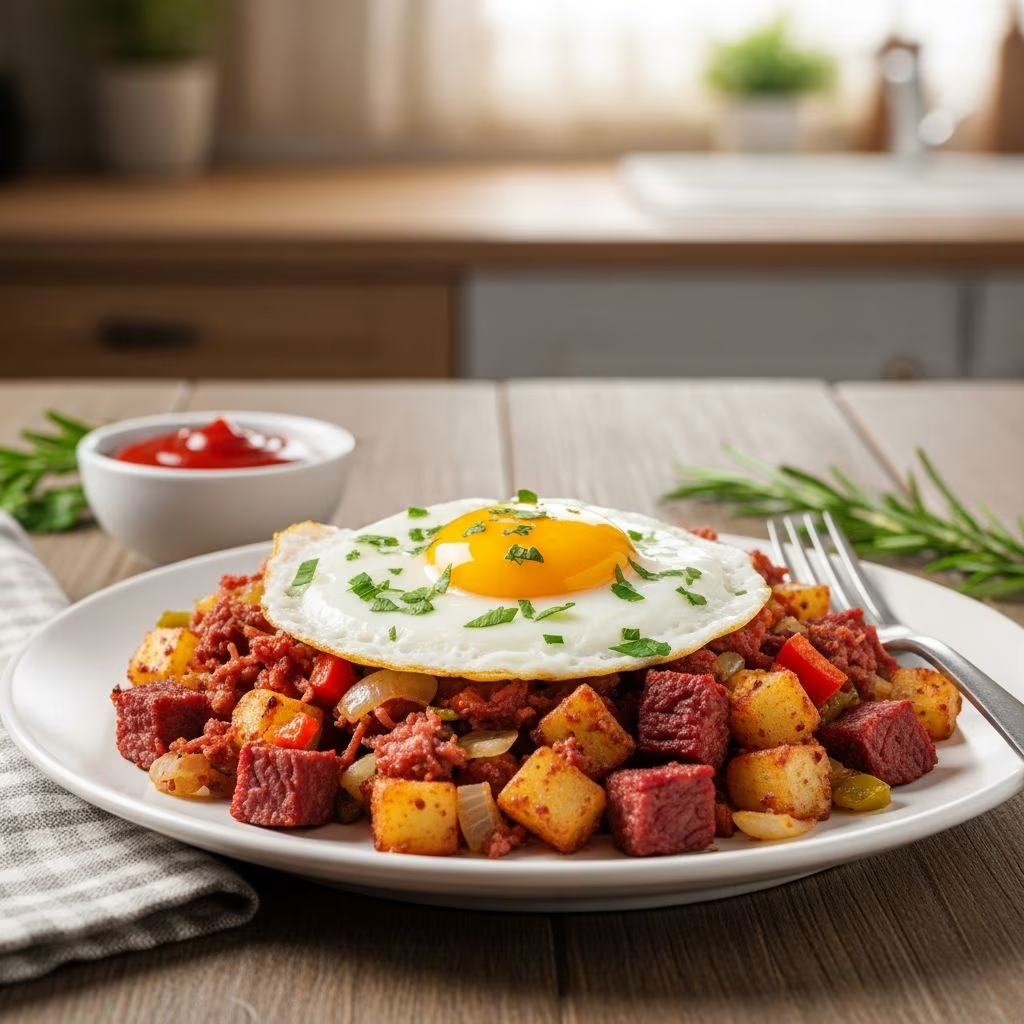
Corned beef hash represents a timeless breakfast tradition that transforms simple ingredients into a satisfying and flavorful dish. This classic preparation combines tender potatoes, savory corned beef, and caramelized onions into a single skillet masterpiece. Whether you’re looking to use leftover corned beef from a special occasion or planning to prepare this dish from scratch, understanding the fundamental techniques and ingredient selection will help you achieve restaurant-quality results at home.
Understanding the Core Ingredients
The foundation of exceptional corned beef hash relies on selecting quality ingredients and preparing them correctly. Each component plays a crucial role in developing the final texture and flavor profile of your dish.
Selecting and Preparing Potatoes
Potatoes form the structural backbone of your hash, and choosing the right variety matters significantly. Russet potatoes and Yukon Gold potatoes are preferred choices due to their starch content and ability to develop crispy exteriors while maintaining a tender interior. Begin by peeling your potatoes and cutting them into uniform half-inch dice. Consistency in size ensures even cooking throughout the entire batch.
The preparation method for potatoes involves parboiling them until they reach fork-tender consistency, typically requiring five to ten minutes of boiling time. This crucial step partially cooks the potatoes, reducing the overall cooking time in the skillet and ensuring they achieve the desired crispy texture without becoming mushy. After boiling, drain the potatoes thoroughly to remove excess moisture, which would otherwise interfere with browning.
Corned Beef Selection and Preparation
You have flexibility in choosing your corned beef source. Leftover homemade corned beef from a previous cooking session provides superior flavor and texture compared to canned alternatives. However, canned corned beef offers convenience and works admirably when quality homemade versions aren’t available.
Regardless of your source, chop the corned beef into bite-sized cubes approximately half to three-quarters of an inch in size. This sizing allows the meat to integrate seamlessly with the potatoes while maintaining distinct texture pieces throughout your hash. If using leftover corned beef from boiling, allow it to cool before chopping to make the process easier and cleaner.
Aromatics and Flavor Enhancers
Onions serve as the primary aromatic component, with sweet onions or yellow onions providing balanced sweetness and depth. Dice your onion finely into small, uniform pieces to ensure even distribution and complete softening during cooking. Some recipes incorporate garlic for additional complexity, typically using three to four minced cloves.
Optional vegetables like green bell peppers add color, texture, and slight sweetness to your hash. When including peppers, dice them to similar sizes as your onions and potatoes for cohesive texture throughout the dish.
Essential Equipment and Preparation Setup
Successful hash preparation requires the right cooking vessel and proper setup. A large skillet with good heat distribution properties works best, whether you use cast iron, stainless steel, or nonstick cookware. Ten to twelve-inch skillets provide adequate space for ingredients while maintaining manageable heat distribution.
Before beginning, gather all prepped ingredients within arm’s reach of your cooking station. This mise en place approach prevents scrambling for components mid-cooking and allows you to work efficiently through each stage. Have your butter or oil measured, vegetables prepped, and corned beef portioned and ready to add at designated times.
Step-by-Step Cooking Methodology
Initial Onion Softening Stage
Begin by melting butter or a combination of butter and oil over medium-high heat in your prepared skillet. The combination of fats provides both richness and improved heat conductivity. Once the butter foams and reaches proper temperature, add your diced onion and sauté for three to four minutes, stirring occasionally to encourage even softening.
During this stage, the onions gradually release their moisture and natural sugars begin caramelizing slightly. If incorporating garlic, add it now and cook for an additional minute until fragrant. The goal is achieving translucent onions with slight golden edges rather than completely caramelized onions, which would require additional time and higher heat.
Potato Browning Development
Add your parboiled potatoes and optional vegetables to the skillet, stirring to coat everything evenly with the melted fat. Season at this point with salt, black pepper, garlic powder, and smoked paprika, adjusting quantities based on personal preference and the saltiness of your corned beef. Stir and allow the mixture to cook undisturbed for five to seven minutes.
This undisturbed cooking period is critical for developing the characteristic crispy brown crust on the potato exteriors. Avoid the temptation to stir frequently, as constant movement prevents proper browning. The potatoes and onions should develop golden-brown areas on their bottoms while beginning to crisp up.
Using a spatula, scrape the bottom of the skillet and flip large sections of the hash to expose new surfaces to the hot cooking surface. Cook for an additional three to five minutes, allowing the newly exposed surfaces to develop their own browning. If the mixture appears to be darkening too rapidly, reduce heat slightly to prevent burning while maintaining browning activity.
Corned Beef Integration and Final Cooking
Add your chopped corned beef to the skillet and gently fold it into the potato and vegetable mixture, ensuring even distribution throughout. Cook for two to three minutes, allowing the corned beef to warm through and release its flavorful fat into the hash. The fat contributes significantly to overall taste and helps further crisp the potatoes.
During this final cooking stage, continue using your spatula to press down the mixture gently and fold portions over to maintain browning development. The goal is creating a hash where components are integrated but maintain some distinct texture variation rather than becoming a uniform paste.
Achieving Optimal Texture and Crispness
The hallmark of excellent corned beef hash lies in achieving the perfect balance between crispy exteriors and tender interiors. Several techniques contribute to this textural achievement:
- Use medium-high heat rather than extremely high temperatures, which can burn exteriors before interiors cook properly
- Allow adequate time between stirring for crust development without rushing through the cooking process
- Press the hash gently with your spatula to maximize contact between ingredients and the hot skillet surface
- Incorporate adequate fat through butter or oil to facilitate browning reactions
- Cook with minimal lid coverage, allowing moisture to escape and steam to dissipate
- Avoid overcrowding the skillet, which creates steaming rather than browning conditions
Seasoning Strategies and Flavor Development
Proper seasoning elevates corned beef hash from adequate to exceptional. Beyond basic salt and pepper, consider incorporating:
| Seasoning Component | Quantity (for 4 servings) | Flavor Profile |
|---|---|---|
| Smoked Paprika | 1/2 to 1 teaspoon | Adds depth and subtle smokiness |
| Garlic Powder | 1/2 teaspoon | Enhances savory characteristics |
| Onion Powder | 1/2 teaspoon | Amplifies aromatic sweetness |
| Worcestershire Sauce | 2-3 tablespoons | Adds umami and complexity |
| Fresh Herbs (chives, parsley, rosemary) | 1-2 teaspoons each, minced | Provides freshness and brightness |
| Caraway Seeds (optional) | 1 teaspoon | Traditional spice with slight licorice note |
Add dried spices during the initial potato cooking stage to allow flavors to distribute throughout the dish. Fresh herbs work better as final garnishes, added just before serving to preserve their bright, vibrant characteristics.
Serving Suggestions and Accompaniments
While corned beef hash stands alone as a satisfying breakfast, strategic accompaniments elevate the entire meal experience. Fried eggs with jammy yolks provide richness and visual appeal, their runny yolks creating a natural sauce that binds hash components together. Over-easy or sunny-side-up eggs are traditional choices, though fried eggs cooked to your preferred doneness work equally well.
Fresh garnishes including sliced green onions, fresh parsley, or chives add color contrast and fresh flavor notes that balance the richness of the corned beef. Serve hash immediately upon completion to preserve optimal temperature and texture, as cooling allows the crispy exterior to soften.
Frequently Asked Questions
Can I prepare corned beef hash in advance?
Corned beef hash is best prepared and consumed immediately for optimal texture. However, you can prepare components ahead: cook potatoes the day before and refrigerate, chop vegetables several hours in advance, and have corned beef ready to chop. Final cooking should occur close to serving time.
What potato varieties work best?
Russet potatoes and Yukon Gold potatoes are ideal choices. Avoid waxy potatoes like red potatoes, which don’t brown as effectively. Higher starch content in russet varieties creates superior crispness, while Yukon Gold provides creamy texture beneath crispy exteriors.
How do I prevent the hash from sticking?
Use adequate fat in your skillet and avoid moving ingredients too frequently during the browning stage. Nonstick skillets reduce sticking concerns, though proper fat usage and technique work with any quality cookware.
Can I use canned corned beef instead of homemade?
Yes, canned corned beef works effectively and offers convenience. Quality varies by brand, so select reputable manufacturers. Canned versions often contain added salt, so adjust additional seasoning accordingly.
What’s the best way to reheat leftover hash?
Reheat in a skillet over medium heat rather than microwave, which can make potatoes rubbery. Add small amounts of butter or oil to restore crispness, cooking just until heated through.
Variations and Creative Adaptations
While the classic preparation remains timeless, several variations offer interesting alternatives:
- Vegetable-Enhanced Hash: Incorporate diced bell peppers, mushrooms, or zucchini for additional vegetables and nutrition
- Cheesy Variation: Top finished hash with grated sharp cheddar or Swiss cheese, allowing it to melt over the warm mixture
- Spicy Adaptation: Add diced jalapeños, hot sauce, or cayenne pepper for those preferring heat
- Herb-Forward Version: Increase fresh herb quantities and incorporate fresh dill or tarragon for herbaceous notes
- Breakfast Skillet: Create wells in the finished hash and crack eggs directly into them, covering until eggs reach desired doneness
Storage and Make-Ahead Considerations
Properly stored leftover corned beef hash keeps refrigerated for three to four days in an airtight container. Reheat gently in a skillet over medium heat to restore some crispness. Freezing is not recommended, as texture degrades significantly after thawing due to ice crystal formation in the potatoes.
Plan ahead by cooking potatoes and chopping vegetables the day before, storing each component separately in the refrigerator. This approach allows you to complete final preparation quickly during busy mornings while maintaining quality and texture in the finished dish.
Conclusion
Homemade corned beef hash represents comfort food at its finest, combining simple ingredients through proper technique into an exceptional breakfast or brunch centerpiece. By understanding ingredient selection, mastering fundamental cooking techniques, and applying strategic seasoning choices, you’ll create hash that rivals any restaurant preparation. Whether you’re utilizing leftover corned beef or starting fresh, this comprehensive guide provides the knowledge and methods needed to achieve consistent, delicious results every time you prepare this classic dish.
References
- Budget Bytes – Corned Beef Hash — Budget Bytes. Accessed 2026. https://www.budgetbytes.com/corned-beef-hash/
- Chef Savvy – Corned Beef Hash — Chef Savvy. Accessed 2026. https://chefsavvy.com/corned-beef-hash/
- The Country Cook – Corned Beef Hash — The Country Cook. Accessed 2026. https://www.thecountrycook.net/corned-beef-hash/
- Chef Billy Parisi – Corned Beef Hash Recipe with Jammy Eggs — Chef Billy Parisi. Accessed 2026. https://www.billyparisi.com/corned-beef-hash-recipe-with-jammy-eggs/
- Sip and Feast – Easy Corned Beef Hash — Sip and Feast. Accessed 2026. https://www.sipandfeast.com/corned-beef-hash/
- Striped Spatula – Corned Beef Hash and Eggs — Striped Spatula. Accessed 2026. https://stripedspatula.com/corned-beef-hash-and-eggs/