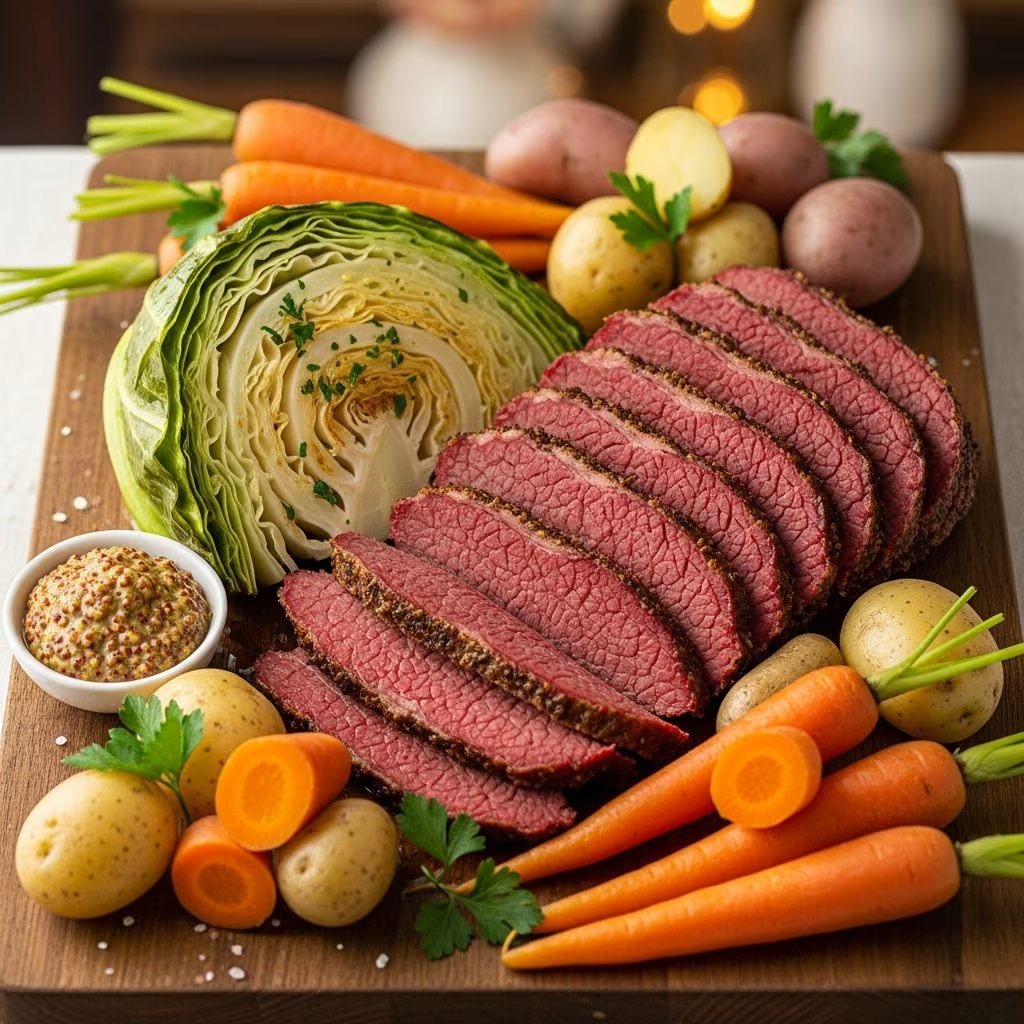
Nothing captures the spirit of celebration quite like a steaming platter of corned beef and cabbage. This iconic dish, synonymous with St. Patrick’s Day, brings families together around tables laden with tender brisket, vibrant vegetables, and aromatic spices. But beyond the holiday hype lies a rich culinary tradition worth exploring year-round. In this comprehensive guide, we’ll dive into the dish’s backstory, essential ingredients, multiple cooking techniques, and innovative ways to make it your own. Whether you’re a novice cook or a seasoned chef, you’ll find everything needed to create a memorable meal.
The Fascinating Origins of Corned Beef and Cabbage
The story of corned beef and cabbage stretches back centuries, evolving from European preservation methods to an American staple. ‘Corned’ refers to the large kernels—or corns—of salt used in the brining process, a technique popularized in 17th-century Ireland for preserving beef. Irish immigrants in the U.S., particularly in New York, adapted it further by pairing the affordable cut with cabbage, a cheap and hearty vegetable available in local markets.
By the 19th century, this combination became a symbol of immigrant resilience. Unlike the bacon-heavy meals back home, corned beef offered a flavorful alternative. Today, it’s less common in Ireland but reigns supreme in American celebrations. Historians note its rise coincided with urban Jewish delicatessens supplying brisket to Irish communities, blending cultures in a delicious fusion.
Selecting the Best Ingredients for Success
Quality starts with your choices. Opt for a flat-cut brisket for even cooking and less fat—about 4-5 pounds serves 8-10 people. Look for vibrant pink spice packets included with store-bought corns, typically containing mustard seeds, coriander, peppercorns, and bay leaves.
- Meat: Grass-fed brisket for deeper flavor; point-cut for richer taste if you don’t mind trimming.
- Vegetables: Firm green cabbage heads, carrots, potatoes, and onions. Baby potatoes hold shape better.
- Spices: Fresh garlic, allspice, and cloves enhance the packet. Use low-sodium stock for boiling.
- Extras: Guinness or apple cider vinegar for braising liquid adds complexity.
Pro tip: Rinse the brisket under cold water to remove excess salt before cooking, preventing an overly briny result.
Classic Boiled Corned Beef and Cabbage Recipe
The traditional method is simple yet rewarding. This foolproof approach yields fork-tender meat in about 3-4 hours.
- Place brisket in a large pot, cover with water, add spice packet, 4 garlic cloves, and 2 bay leaves. Bring to boil, then simmer covered for 3 hours.
- Add quartered onions, carrots, and potatoes in the last 45 minutes. Cabbage wedges go in for the final 20 minutes to stay crisp-tender.
- Rest meat 15 minutes before slicing against the grain. Serve with mustard or horseradish sauce.
Yield: 8 servings. Prep: 20 min. Cook: 3.5 hours. Nutrition per serving: 450 calories, 35g protein, 20g fat.
Oven-Braised Version for Deeper Flavor
For a richer taste, switch to the oven. Preheat to 325°F. Pat brisket dry, sear in a Dutch oven with oil for 5 minutes per side. Deglaze with 2 cups beef broth and 1 cup stout. Tuck in spices, cover, and braise 3 hours. Add veggies as before, uncovered for the last 30 minutes to caramelize.
This method concentrates flavors, mimicking slow-cooked perfection. Slice thin and drizzle with pan juices reduced to a glossy sauce.
Slow Cooker Magic for Effortless Results
Busy cooks rejoice: the Crock-Pot delivers without babysitting. Layer brisket fat-side up, add liquids (water or broth to cover), spices, and garlic. Cook low 8-10 hours. Add veggies 2 hours before done.
Benefits include hands-off prep and even tenderness. Finish under the broiler 5 minutes for crispy edges.
| Method | Time | Effort Level | Best For |
|---|---|---|---|
| Boil | 3-4 hrs | Low | Tradition |
| Oven-Braise | 3.5 hrs | Medium | Flavor |
| Slow Cooker | 8-10 hrs | Very Low | Convenience |
Creative Twists and Modern Variations
Elevate the classic with these ideas:
- Glazed Corned Beef: Brush with honey-mustard during the last 30 minutes for sticky sweetness.
- Asian Fusion: Swap spices for ginger, star anise, and soy; serve with kimchi cabbage.
- Vegetarian Option: Tempeh or jackfruit brined in the same spices mimics texture.
- Reuben-Inspired: Layer leftovers in sandwiches with Swiss, sauerkraut, and rye.
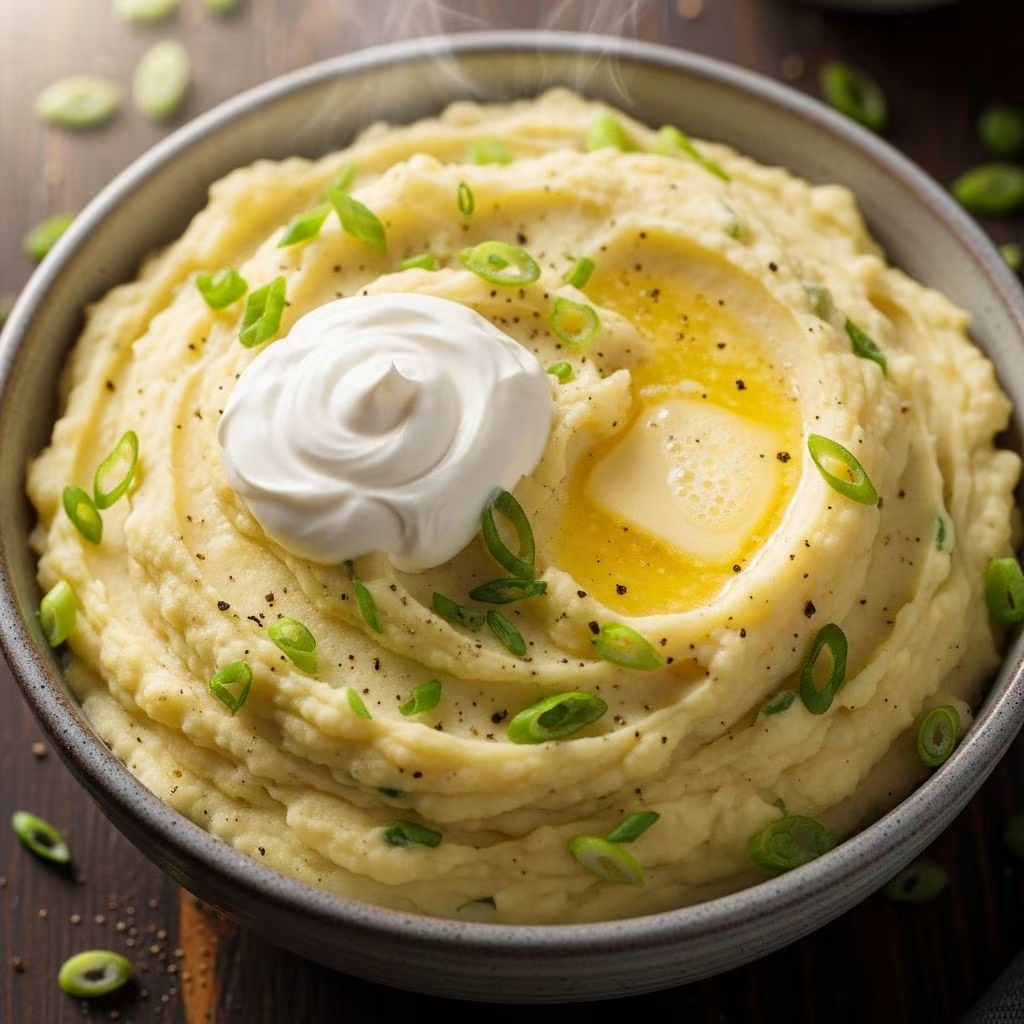
For sides, pair with Irish soda bread, colcannon (mashed potatoes with kale), or a crisp green salad to balance richness.
Perfect Sides and Sauces to Complement
No platter is complete without accompaniments. Parsley sauce—made by blending cream, stock, and fresh herbs—cuts through fat. Homemade horseradish cream (sour cream, prepared horseradish, chives) adds zing.
Roasted parsnips or beets introduce earthiness. For drinks, a dry Irish stout or green-tinted ale fits the theme.
Storage, Reheating, and Leftover Ideas
Leftovers shine. Refrigerate in juices up to 4 days; freeze sliced for 3 months. Reheat gently in broth to avoid drying.
- Hash: Dice meat and potatoes, fry with onions for breakfast.
- Shepherd’s Pie: Top with mashed potatoes.
- Salad: Cold slices over greens with vinaigrette.
Common Mistakes and How to Avoid Them
Avoid these pitfalls:
- Tough Meat: Cook to 195°F internal temp; low and slow is key.
- Soggy Veggies: Time additions precisely; cabbage last.
- Too Salty: Rinse and use low-salt stock.
- Overboiled Spice Packet: Tie in cheesecloth for easy removal.
Nutrition and Health Considerations
Per 4oz serving: High in protein (30g), iron, and B-vitamins, but watch sodium (1200mg). Trim fat pre-cooking and pair with fiber-rich veggies for balance. For lower-sodium, homemade brine controls salt.
Frequently Asked Questions (FAQs)
Can I make corned beef from scratch?
Yes! Brine brisket 5-7 days in salt-sugar-spice mix. Recipe: 1 gallon water, 1 cup kosher salt, ½ cup sugar, spices. Refrigerate weights submerged.
What’s the best cut for corned beef?
Brisket; flat-cut for uniformity, point for marbling.
How do I know when it’s done?
Probe tender (fork slides in easily) and 195°F internal.
Can I cook in an Instant Pot?
Absolutely: 90 minutes high pressure, natural release, add veggies after.
Is it gluten-free?
Yes, naturally; check spice packet labels.
Meal Planning for Large Gatherings
For 20 people: 10-12 lbs brisket, double veggies. Prep day ahead, slice post-cook. Use chafing dishes to keep warm.
Budget tip: Buy brisket post-holiday sales; freezes well uncooked.
References
- Food Timeline: Corned Beef and Cabbage — Food Timeline. 2023-05-15. https://www.foodtimeline.org/foodfaq.html#cornedbeef
- USDA Brisket Cooking Guidelines — United States Department of Agriculture. 2024-02-10. https://www.fsis.usda.gov/food-safety/safe-food-handling-and-preparation/meat-fish/beef-ground-beef/brisket
- Irish-American Food Traditions — Library of Congress. 2022-11-01. https://www.loc.gov/collections/irish-immigrant-folk-songs/articles-and-essays/irish-food/
- Beef Brisket Internal Temps — AmazingRibs.com (Meathead Goldwyn). 2025-01-20. https://amazingribs.com/tested-recipes/beef-and-bison-recipes/hot-and-spicy-brined-corned-beef
- St. Patrick’s Day Food History — Smithsonian Magazine. 2024-03-15. https://www.smithsonianmag.com/arts-culture/st-patricks-day-food-history-180983789/
(Word count: 1678)