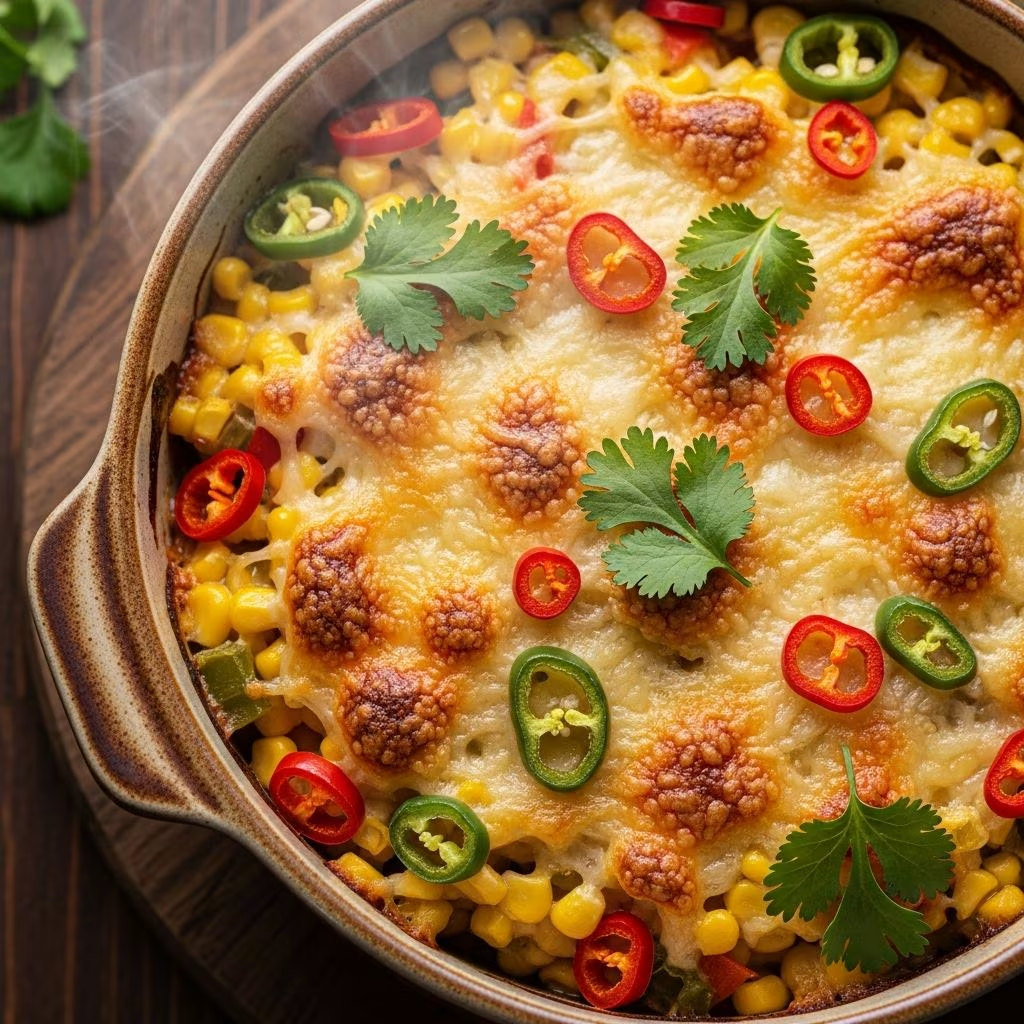
A well-crafted corn casserole with cheese and jalapeños represents one of the most versatile side dishes in modern cooking. This beloved comfort food combines simple, accessible ingredients into a dish that delivers both visual appeal and satisfying flavors. Whether you’re preparing meals for family gatherings, holiday celebrations, or everyday weeknight dinners, understanding the fundamentals of this recipe will help you create consistently excellent results.
Understanding the Core Components of This Dish
The foundation of a successful corn and cheese casserole rests on understanding how each ingredient contributes to the final product. The interplay between different corn preparations, binding agents, and flavor elements creates a cohesive dish that balances creaminess with texture.
The Role of Corn Varieties
Most successful versions of this casserole employ a combination of corn preparations rather than relying on a single type. Creamed corn, typically available in 14-15 ounce cans, provides the essential moisture and silky texture that defines this dish’s character. This ingredient prevents the casserole from becoming dry while contributing natural sweetness. Whole kernel corn, whether fresh, frozen, or canned, adds textural contrast and visible corn pieces that make each bite interesting. Using both varieties together creates a layered mouthfeel that neither option could achieve independently.
The ratio typically balances one can of creamed corn with one to one-and-a-half cans of whole kernel corn. Fresh corn can be substituted when in season, offering superior flavor and a more delicate texture than canned alternatives. If using fresh corn, aim for approximately five to six cups after removing kernels from the cob.
Cheese Selection and Application
Cheese serves as both flavor anchor and structural component in this casserole. Sharp cheddar cheese, valued for its pronounced flavor and reliable melting properties, typically comprises the primary cheese element. The sharp variety provides more assertive taste than mild cheddar, preventing the casserole from tasting bland despite its large volume. Monterey Jack cheese, when included, adds creaminess and helps bind ingredients together effectively.
Most recipes suggest using one to one-and-a-half cups of shredded cheese mixed into the base, with additional cheese sprinkled on top before baking. This two-stage application ensures cheese distribution throughout while creating an attractive, golden top layer. Parmesan cheese, when used, typically appears as a finishing element that adds nuttiness and encourages browning.
Heat Sources and Flavor Balance
Jalapeños provide the distinctive spice element that elevates this casserole beyond standard corn dishes. The amount of jalapeño used should be calibrated to personal preferences, as these peppers vary considerably in heat intensity. One to two medium jalapeños, finely diced, creates moderate heat suitable for mixed-age gatherings. For those preferring milder flavors, removing jalapeño seeds and membranes significantly reduces spiciness while maintaining flavor complexity.
Additional heat sources often include cayenne pepper, paprika, and black pepper, each contributing distinct flavor notes alongside their warming effects. These dry spices distribute evenly throughout the casserole, ensuring consistent seasoning in every portion.
Ingredient Variations and Substitutions
The flexibility of this dish allows for numerous ingredient modifications based on dietary needs, available products, or personal taste preferences.
Binding and Texture Agents
Sour cream serves as the primary binding agent in most recipes, contributing tanginess and richness while helping the casserole maintain moisture during baking. Approximately one cup of sour cream works well in standard-sized casseroles. Heavy cream can replace sour cream for a richer result, though this changes the flavor profile slightly. Some recipes incorporate cornmeal or corn muffin mix, which adds substance and encourages firmer structure without creating a dense final product.
Protein and Vegetable Additions
While the basic recipe stands alone as a side dish, several additions enhance nutritional value and complexity. Diced onions, both yellow and red varieties, add sweetness and depth. Scallions, sliced and separated into white and green parts, contribute mild onion flavor with visual interest. Some cooks incorporate diced bell peppers for additional color and sweetness. Proteins like crispy bacon bits or diced ham can transform this side dish into a more substantial offering.
Preparation Techniques for Optimal Results
Pre-Baking Steps
Proper preparation significantly influences the final outcome. Begin by preheating your oven to the appropriate temperature, typically between 350°F and 375°F depending on your specific recipe variation. This ensures the casserole begins cooking immediately when placed inside, promoting even baking throughout.
Preparing your baking dish prevents sticking and ensures easy serving. Use an adequately sized dish—typically 8×8 inches, 9×9 inches, or 9×13 inches depending on ingredient quantities. Greasing with butter, oil, or cooking spray protects the casserole and facilitates removal.
Combine ingredients thoughtfully, mixing wet components separately from dry ingredients before folding them together. This approach ensures even distribution and prevents overdevelopment of gluten if flour-based components are included. Mix gently to maintain texture; excessive stirring can result in a denser, less appealing final product.
Baking Strategies
Most casseroles bake for 30 to 45 minutes depending on size and oven characteristics. Some recipes suggest covering the dish with aluminum foil for the first portion of baking to prevent excessive browning on top before the interior sets. Typically, covering for the first 30-40 minutes followed by uncovering for the final 5-15 minutes achieves ideal results.
The casserole is done when the center appears set with only slight jiggling when the dish is gently shaken. A toothpick inserted near the center should come out clean. The top should display light golden-brown coloring, indicating proper cheese melting and browning.
After removing from the oven, allowing the casserole to rest for 5-15 minutes permits the structure to set properly, making serving easier and improving the eating experience.
Comparing Preparation Approaches
| Approach | Best For | Baking Time | Key Characteristics |
|---|---|---|---|
| Simple Mix Method | Quick preparation, weeknight dinners | 40-45 minutes uncovered | All ingredients mixed together, minimal steps |
| Two-Cheese Layered | Impressive presentations, holiday meals | 30 minutes covered, 15-20 minutes uncovered | Distinct cheese layers, more visual appeal |
| Stove-Start Method | Deeper flavor development, creamy results | 25-30 minutes baking | Initial stovetop cooking, then oven finishing |
Flavor Enhancement and Seasoning
Beyond jalapeños, several seasonings amplify the casserole’s appeal. Garlic powder contributes savory depth without adding moisture. Smoked paprika introduces complexity suggesting slow-cooked flavors. Salt and fresh-ground black pepper provide essential seasoning base. Some recipes include a small amount of sugar or honey to balance spiciness and accent natural corn sweetness.
Experiment with these seasonings in small increments, tasting the raw mixture before baking to make adjustments. Flavors intensify during baking as moisture reduces, so initial seasoning might seem subtle.
Serving Suggestions and Accompaniments
This casserole functions excellently alongside grilled meats, making it ideal for barbecue contexts. It complements traditional Southern dishes like pulled pork or fried chicken. Mexican-influenced meals benefit from this dish’s spicy, cheesy profile. The casserole works equally well at casual family dinners or formal holiday celebrations.
Garnishing with fresh sliced jalapeños, chopped scallion greens, or crispy bacon bits adds visual interest and final flavor notes. Serving while warm ensures optimal cheese pull and overall texture experience.
Troubleshooting Common Issues
Overly Dry Results
If your casserole emerges dry, likely causes include excessive baking time or insufficient sour cream and butter. For future attempts, reduce baking time by 5-10 minutes or increase sour cream by 1/4 cup. Ensure you’re not draining creamed corn, as its liquid contributes essential moisture.
Excessively Runny Texture
When the casserole appears too wet after baking, the filling likely hasn’t set adequately. Increase baking time incrementally, checking every five minutes. Alternatively, reduce sour cream by 1/4 cup in future preparations. Avoid over-draining whole kernel corn, but ensure excess liquid is removed.
Dense or Heavy Results
Over-mixing ingredients creates this undesirable texture. Fold ingredients together gently until just combined, leaving small unmixed streaks acceptable. Additionally, ensure your baking dish isn’t significantly overfilled, as crowding prevents proper rising and texture development.
Unevenly Cooked Casserole
Hot spots in ovens create this common problem. Position the casserole in the center rack for most even heat distribution. Rotate the dish halfway through baking if your oven tends toward uneven temperatures.
Make-Ahead and Storage Strategies
This casserole can be assembled up to 24 hours ahead, covered, and refrigerated. Baking time may increase by 10-15 minutes when starting from refrigerated state. Alternatively, bake completely, cool, and refrigerate up to four days. Reheat covered at 350°F for 15-20 minutes until warmed through.
Freezing is possible but affects texture slightly due to moisture separation during thawing. If freezing, cool completely, wrap tightly in plastic wrap and foil, and freeze up to three months. Thaw overnight in the refrigerator before reheating.
Frequently Asked Questions
Can I use fresh jalapeños instead of canned?
Yes. Fresh jalapeños offer superior flavor and adjustable heat levels. Remove seeds and membranes for milder results. Finely dice and add directly to the mixture. One to two fresh jalapeños typically replace one 4-ounce can of canned jalapeños.
What size casserole dish should I use?
For standard recipes using two cans of corn and one cup of sour cream, use an 8×8-inch, 9×9-inch, or 9×13-inch dish. Smaller dishes require longer baking time; larger dishes may bake slightly faster. Fill the dish approximately two-thirds full for optimal results.
How do I prevent the cheese from browning too quickly?
Cover the casserole with aluminum foil for the first 30-40 minutes of baking, removing it for the final 5-15 minutes. This technique allows the interior to set while protecting the cheese top from excessive browning.
Can I make this dairy-free?
Dairy-free preparations require substituting sour cream with non-dairy alternatives and using dairy-free cheese. Results differ slightly from traditional versions, but acceptable outcomes are achievable with quality substitutes.
How spicy will this casserole be?
Heat level depends entirely on jalapeño quantity and whether seeds are removed. One jalapeño with seeds removed creates mild heat; two whole jalapeños create moderate heat; three or more creates substantial spiciness. Adjust based on your audience’s preferences.
Conclusion: Mastering This Versatile Dish
Creating an exceptional corn and cheese casserole with jalapeños requires understanding ingredient roles, following proper technique, and remaining willing to adjust recipes for personal preferences. The beauty of this dish lies in its forgiving nature and flexibility—variations can address dietary restrictions, ingredient availability, or taste preferences without compromising the final result. Whether you’re preparing your first batch or refining techniques developed over years, these guidelines provide the foundation for consistent success in creating a casserole that satisfies and impresses.
References
- Whole Grains and Corn Products — U.S. Department of Agriculture. 2024. https://www.usda.gov/
- Cheese Melting Properties and Cooking Applications — American Cheese Society. 2025. https://www.cheesesociety.org/
- Capsaicin Heat Management in Peppers — National Institutes of Health. 2024. https://www.nih.gov/