Comeback sauce represents one of the South’s most celebrated condiment contributions to American cuisine. This versatile sauce has transcended regional boundaries to become a staple in kitchens across the country, appearing on tables from casual dining establishments to fine dining establishments. Understanding the nuances of this sauce—from its humble origins to its modern interpretations—enables home cooks to harness its potential and transform everyday meals into memorable dining experiences.
Understanding the Origins and Evolution of Comeback Sauce
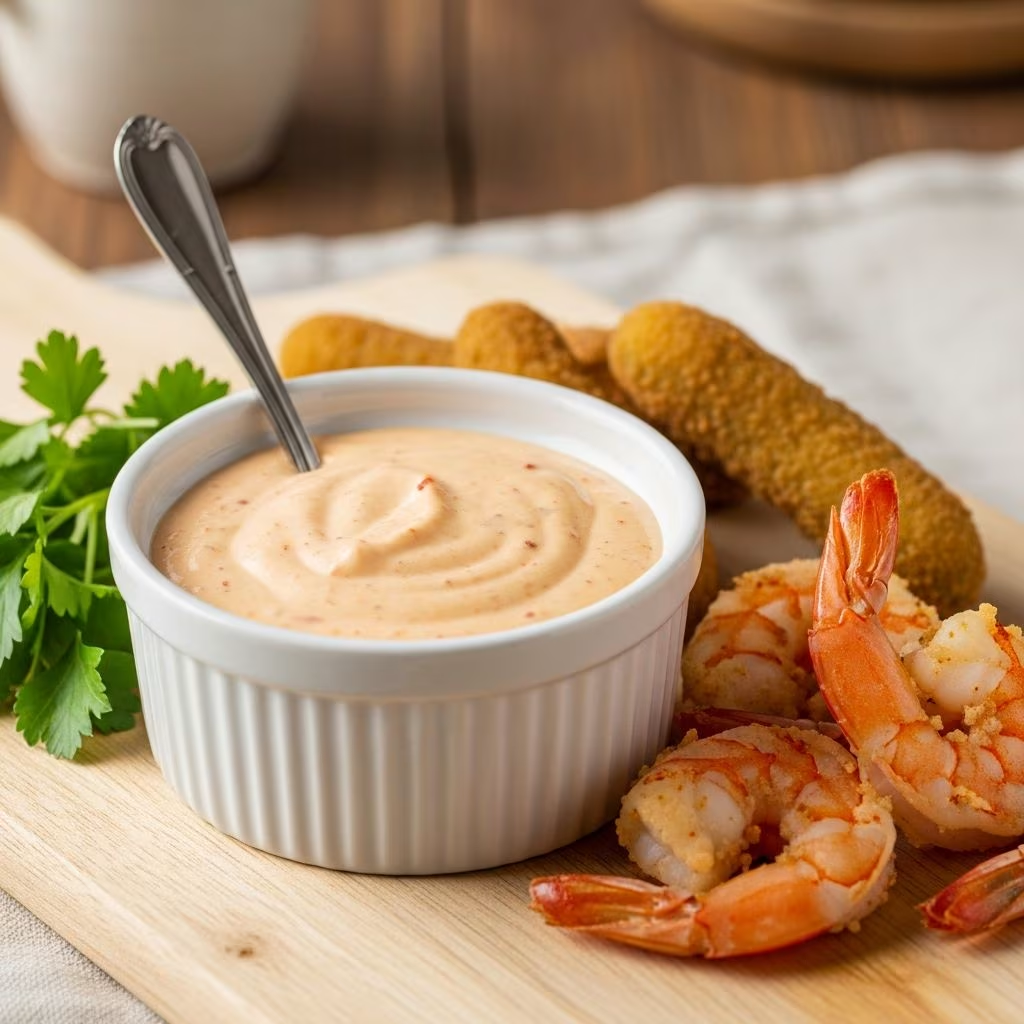
The genesis of comeback sauce traces back to Mississippi, where resourceful cooks developed this condiment as a response to regional culinary traditions and available ingredients. The name itself carries a charming backstory: the sauce earned its designation because diners found it so compelling that they would inevitably return for more, hence the moniker “comeback.” This playful naming convention reflects the sauce’s irresistible appeal and the joy it brings to those who encounter it.
The sauce occupies a unique position in the condiment landscape, blending characteristics of multiple classic sauces into a single, coherent creation. Mississippi comeback sauce combines elements reminiscent of Thousand Island dressing with undertones of rémoulade sauce, creating a flavor profile that feels both familiar and distinctly regional. This fusion approach demonstrates how regional cuisines evolve by synthesizing culinary influences and local preferences into something entirely new.
Understanding this historical context enriches the appreciation of comeback sauce beyond mere ingredient combination. It represents innovation born from necessity and creativity—a testament to how communities develop distinctive culinary identities through experimentation and refinement over time.
Core Components and Flavor Architecture
The fundamental structure of comeback sauce relies on a carefully balanced combination of components that work in concert to create its distinctive profile. The foundational ingredients include ketchup, mayonnaise, and chili sauce, which form the flavor base upon which other components build.
The precise composition varies slightly depending on regional interpretation and personal preference, but several essential elements remain consistent:
- Ketchup: Provides sweetness, acidity, and umami depth, forming the sauce’s aromatic foundation
- Mayonnaise: Contributes creaminess and richness while emulsifying other components into a cohesive texture
- Chili sauce: Adds complexity and subtle heat through concentrated tomato paste and spice blends
- Aromatics: Grated onion and minced garlic deliver pungency and savory notes
- Acidic elements: Fresh lemon juice brightens the overall flavor and prevents heaviness
- Umami boosters: Worcestershire sauce deepens the savory dimension and adds fermented complexity
- Spice components: Mustard powder, paprika, and black pepper provide depth and subtle heat
This layering technique ensures that no single flavor dominates, instead creating a harmonious blend where each component enhances the others. The interplay between sweet (ketchup, mustard), savory (Worcestershire, garlic), acidic (lemon), and slightly spicy (paprika, pepper) elements creates the sauce’s signature balance.
Comprehensive Recipe Development and Preparation Methodology
Creating authentic comeback sauce at home requires attention to both ingredient quality and preparation technique. The following represents a thoroughly tested approach:
Ingredient Specifications:
- 3/4 cup ketchup
- 3/4 cup mayonnaise (homemade or premium brand recommended)
- 1/4 cup chili sauce
- 2 tablespoons finely grated yellow onion with its juice
- 1 tablespoon fresh lemon juice
- 1 tablespoon Worcestershire sauce
- 3/4 tablespoon minced fresh garlic
- 1 teaspoon mustard powder
- 1 teaspoon paprika
- 1/2 teaspoon freshly ground black pepper
- 1/2 teaspoon kosher salt
- 2 tablespoons extra virgin olive oil
Preparation Instructions:
Begin by combining all dry ingredients (mustard powder, paprika, black pepper, and salt) in your food processor, allowing them to distribute evenly throughout the mixture. Add the wet components—ketchup, mayonnaise, and chili sauce—followed by the aromatics (grated onion with its juice, minced garlic) and acidic elements (lemon juice and Worcestershire sauce). Process this combination for approximately 20 seconds until the ingredients are thoroughly combined but not over-processed.
With the food processor running, slowly drizzle in the olive oil while continuing to process for an additional 20 seconds. This gradual introduction of oil ensures proper emulsification, creating a smooth, cohesive sauce rather than a separated mixture. The gradual incorporation technique prevents the sauce from becoming too thin or developing an oily appearance.
Transfer the finished sauce to a clean glass or plastic container suitable for refrigeration. Properly prepared comeback sauce maintains peak quality for up to 10 days when stored in airtight conditions.
Alternative Variations and Customization Approaches
While the traditional recipe provides an excellent foundation, creative adaptations allow home cooks to tailor the sauce to personal preferences and dietary requirements. Consider these variations:
| Variation Type | Key Modifications | Flavor Impact |
|---|---|---|
| Spicy Enhancement | Add cayenne pepper, hot sauce, or sriracha | Increases heat while maintaining complexity |
| Herb-Infused Version | Incorporate fresh dill, cilantro, or tarragon | Adds freshness and subtle garden notes |
| Sweet Profile Increase | Include a touch of honey or maple syrup | Balances spice elements and deepens richness |
| Smoky Interpretation | Use smoked paprika instead of regular paprika | Develops barbecue-inspired characteristics |
| Lighter Alternative | Replace half the mayonnaise with Greek yogurt | Reduces fat content while maintaining creaminess |
These modifications allow home cooks to maintain the essential character of comeback sauce while exploring new flavor territories and accommodating different culinary philosophies.
Versatile Applications Beyond Traditional Uses
Comeback sauce extends far beyond a simple condiment, functioning as a culinary bridge that elevates diverse dishes and meal components. The sauce performs exceptionally well with fried pickles, fish, shrimp, and chicken, providing complementary flavors that enhance rather than overpower.
Beyond these classic applications, creative cooks have discovered numerous innovative uses:
- Sandwich Enhancement: Works beautifully as a spread for gourmet sandwiches, including classic preparations like the Croque Monsieur
- Salad Dressing Foundation: Can be drizzled directly over fresh greens or thinned with vinegar for a more fluid dressing consistency
- French Fry Accompaniment: Provides sophisticated dipping alternative to standard condiments, transforming simple fried potatoes into elevated fare
- Seafood Pairing: Complements fish and shellfish preparations through its acidic brightness
- Appetizer Vehicle: Serves as accompaniment for vegetable crudités, fried mushrooms, or calamari
- Burger Topping: Elevates burger presentations beyond conventional toppings
The sauce’s adaptability stems from its balanced flavor profile—neither too heavy nor too sharp, it integrates seamlessly into various culinary contexts without imposing a singular identity.
Storage, Preservation, and Shelf-Life Management
Proper storage practices ensure that homemade comeback sauce maintains its quality and safety throughout its usable lifespan. The sauce should be transferred to airtight containers—either glass or high-quality plastic—immediately after preparation.
Refrigeration remains essential for maintaining safety and quality. Under proper refrigerated conditions, the sauce remains suitable for consumption for up to 10 days. Several factors influence this timeline: the freshness of initial ingredients, the cleanliness of storage containers, and the consistency of refrigeration temperature.
Signs that comeback sauce has deteriorated and should be discarded include off-odors, visible mold growth, separation of components that cannot be reintegrated through stirring, or any change in color indicating oxidation or contamination.
Frequently Asked Questions About Comeback Sauce
Can I prepare comeback sauce without a food processor?
Yes, while a food processor streamlines the process, you can combine ingredients in a bowl using vigorous whisking. This manual method requires more effort and may produce a slightly less uniform texture, but the results remain satisfactory. Whisk all wet and dry ingredients together until smooth, then slowly incorporate the olive oil while continuing to whisk until fully emulsified.
How should I adjust the recipe for dietary restrictions?
Several substitutions accommodate common dietary needs. For reduced-fat versions, replace half the mayonnaise with Greek yogurt or sour cream. For vegan applications, substitute vegan mayonnaise and ensure the Worcestershire sauce is vegan-certified. For gluten-free requirements, confirm all ingredient labels specify gluten-free production, particularly regarding chili sauce and Worcestershire sauce formulations.
Can comeback sauce be frozen for extended storage?
While freezing is technically possible, the emulsified structure may become compromised during thawing, resulting in separation or texture degradation. Fresh preparation within the 10-day refrigeration window produces superior results and is recommended.
What distinguishes comeback sauce from similar condiments?
While comeback sauce shares characteristics with Thousand Island dressing and rémoulade sauce, its unique identity emerges from its specific ingredient proportions and the intentional balance achieved between sweetness, savory depth, and acidic brightness. The inclusion of chili sauce rather than relish provides concentrated flavor without textural elements.
How can I make comeback sauce spicier without overwhelming other flavors?
Rather than simply increasing hot sauce volume, consider incorporating cayenne pepper gradually—starting with 1/8 teaspoon and adjusting upward. This approach distributes heat evenly throughout the sauce rather than creating hot spots. Alternatively, use smoked paprika in combination with a small quantity of chipotle powder for layered heat and complexity.
Conclusion: Integrating Comeback Sauce Into Your Culinary Repertoire
Comeback sauce represents more than a regional condiment—it embodies the innovative spirit of Southern cuisine and the transformative power of balanced flavor combination. Whether served alongside fried seafood, spread on sandwiches, or drizzled across French fries, this versatile sauce enhances ordinary ingredients and elevates everyday meals into occasions worth celebrating.
The accessibility of homemade preparation, combined with the flexibility for personal customization, makes comeback sauce an ideal addition to any home cook’s repertoire. By understanding its origins, mastering its preparation, and exploring its myriad applications, you unlock the potential to enhance countless meals and create memorable dining experiences for yourself and those you cook for.
References
- Comeback Sauce — James Beard Foundation. Retrieved April 2026. https://www.jamesbeard.org/recipes/comeback-sauce
- Mississippi Comeback Sauce Recipe — The Cooking Bride. Retrieved April 2026. https://cookingbride.com/sauces-and-seasonings/comeback-sauce/