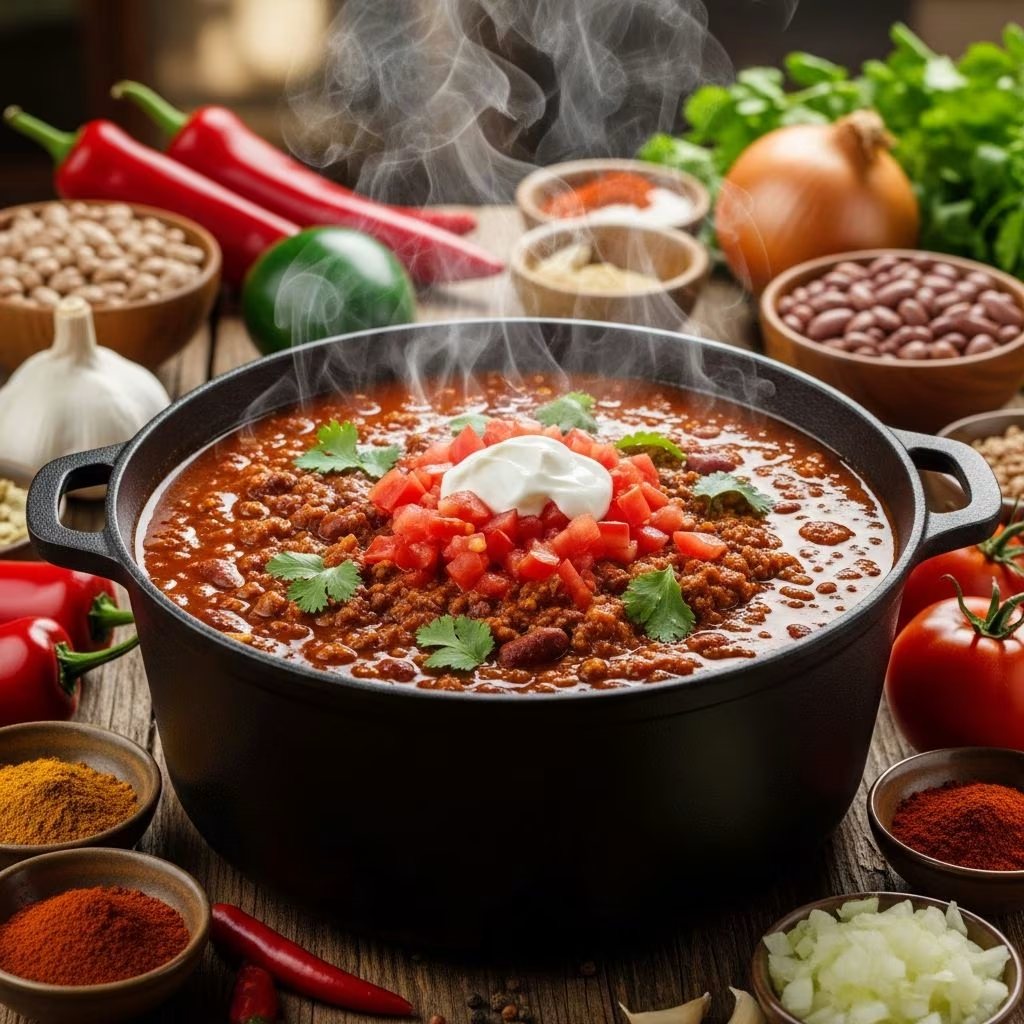
The pursuit of the perfect chili has driven cooks across the nation to refine their techniques, experiment with ingredient combinations, and perfect the balance of flavors that distinguish a memorable bowl from an exceptional one. Competition chili represents the pinnacle of this culinary exploration, where dedicated cooks invest considerable effort into developing recipes that capture judges’ palates and earn recognition at prestigious cook-offs.
Understanding the Foundation of Competitive Chili
Successful competition chili distinguishes itself through careful attention to ingredient quality, precise technique, and a deep understanding of flavor development. Award-winning chili cooks recognize that building layers of flavor requires more than simply combining ingredients—it demands methodical preparation and strategic decision-making at each step of the cooking process.
The backbone of most championship recipes involves selecting quality proteins that will withstand extended cooking times while developing complex flavors. Many contest winners employ combinations of beef cuts, including chuck roast and ground beef, which provide different textural elements and contribute distinctly to the overall mouthfeel of the finished dish.
Core Ingredient Categories in Winning Recipes
Protein Selection and Preparation
The protein component serves as the foundation upon which successful chili is built. Traditional competition recipes frequently feature cubed chuck beef rather than exclusively ground meat, as the larger pieces retain moisture and develop deeper flavors during the extended simmering process. Some innovative cooks incorporate specialized proteins such as ground venison or Italian sausage varieties to create distinctive flavor profiles that distinguish their entries from conventional beef-based submissions.
The preparation method significantly impacts the final result. Properly searing proteins at high temperatures creates a flavorful crust through the Maillard reaction, which develops complex compounds that enhance the overall taste dimension of the chili.
The Spice Foundation
Championship chili distinguishes itself through sophisticated spice layering rather than reliance on a single dominant flavor. Winning recipes typically incorporate multiple chili powder varieties, including standard chili powder, ancho chili powder, and sometimes additional specialty powders such as chipotle. This multi-dimensional approach creates depth and complexity that cannot be achieved through single-spice reliance.
Complementary warm spices including cumin, coriander, paprika, and cayenne work in concert to build a balanced heat profile and aromatic character. The specific ratios vary among championship recipes, but successful cooks recognize that these supporting spices should enhance rather than overshadow the primary chili flavor component.
Flavor-Building Liquids and Pastes
Tomato products form a crucial structural element in most award-winning chili recipes. Champion cooks employ multiple tomato-based ingredients including tomato paste, tomato sauce, and whole crushed tomatoes, each contributing distinct flavor characteristics. The concentrated paste provides deep umami notes, while whole tomatoes offer subtle acidity and textural variation.
Broths—whether chicken, beef, or specialized options such as venison—provide the liquid foundation that allows flavors to marry and develop during the extended cooking process. Some innovative recipes incorporate unexpected ingredients such as red wine, which adds complexity and subtle sweetness that elevates the finished dish beyond conventional expectations.
Signature Variations in Competition Chili
Traditional Red Chili Approaches
Traditional red chili represents one of the most common competition categories, requiring cooks to balance heat, depth, and the characteristic red color that defines the style. These recipes emphasize beef as the primary protein and focus on developing robust flavors through careful spice selection and extended cooking times.
Successful traditional recipes often feature multiple chile varieties, including jalapeños, which provide fresh heat, and dried chiles such as chipotles, which contribute smoky undertones. This layered approach to heat and flavor creates a complex sensory experience rather than a one-dimensional spicy profile.
Homestyle and Comfort-Focused Variations
Homestyle chili appeals to judges seeking comfort and accessibility while maintaining the quality standards expected in competition settings. These recipes frequently incorporate ingredients that evoke familiarity while still demonstrating sophisticated technique and flavor development.
Homestyle variants may include beans more prominently than traditional varieties, provide a slightly thicker consistency, and emphasize approachable flavors that resonate with broad audiences. Despite their comfort-food positioning, championship homestyle chilis maintain the same quality standards and careful technique as their more specialized counterparts.
Specialized Chili Categories
Beyond traditional and homestyle categories, competition circuits increasingly feature specialty variations including chili verde (green chili), vegetarian options, and white chicken chili. These specialized categories challenge cooks to demonstrate versatility while maintaining the fundamental principles of flavor building and technique that define championship-level cooking.
Green chili varieties emphasize poblano peppers, Anaheim chiles, and jalapeños for a fresher flavor profile while maintaining the depth associated with competition recipes. Vegetarian entries focus on creating textural variety and umami depth through careful selection of vegetables, beans, and complementary seasonings.
Essential Cooking Techniques for Competition Success
The Searing Process
Championship chili begins with properly seared proteins, which develop the flavorful foundation upon which subsequent layers build. High heat application creates a caramelized exterior that locks in juices while developing complex flavor compounds. This initial step should not be rushed; allowing adequate time for proper crust formation distinguishes professional-level chili from amateur attempts.
Aromatics and Flavor Building
The cooking of onions, garlic, and fresh peppers represents a critical phase where judges’ sensory expectations form. Properly cooked aromatics should soften gradually without browning excessively, allowing their natural sugars to caramelize gently while their volatile compounds release into the cooking environment.
Award-winning cooks recognize that this phase establishes the flavor trajectory for the entire dish. Rushing or mishandling aromatics at this stage compromises the final result regardless of subsequent technique.
Spice Integration and Toasting
Many championship recipes employ a strategic spice-blooming technique where dry spices are briefly toasted in fat before wet ingredients are added. This method volatilizes essential oils present in the spices, releasing their full aromatic potential and creating a more vibrant flavor profile than simply stirring dry spices directly into liquid.
Extended Simmering and Development
Competition chili typically requires a minimum of two hours of gentle simmering, with many award-winning recipes extending well beyond this timeframe. This extended cooking allows flavors to marry, mellows harsh edges in spice blends, and allows proteins to reach optimal tenderness. The slow heat also permits gradual water evaporation, which concentrates flavors and develops the signature consistency judges expect.
Key Ingredients Comparison Table
| Recipe Type | Primary Proteins | Key Spices | Liquid Base | Cooking Time |
|---|---|---|---|---|
| Traditional Red | Chuck beef, ground beef | Chili powder, ancho, cayenne, cumin | Beef broth, tomato products | 2+ hours |
| Homestyle Chili | Ground beef, beans featured | Standard chili powder, paprika, cumin | Chicken or beef broth | 1.5-2 hours |
| Green Chili Variety | Ground pork, beef | Poblano-based, jalapeño, coriander | Chicken broth, green salsa | 1.5 hours |
| Specialty Proteins | Venison, sausage blends | Ancho, chipotle, cumin, coriander | Venison broth, wine varieties | 2-3 hours |
Ingredient Sourcing and Quality Considerations
Championship chili cooks understand that ingredient quality directly impacts the final result. Sourcing high-quality proteins from reputable butchers ensures optimal flavor development and appropriate fat-to-lean ratios that contribute to mouthfeel and satisfaction.
Spices represent another critical quality consideration. Many competitive cooks prefer whole spices that they toast and grind immediately before use, rather than relying on pre-ground options that may have lost aromatic volatile compounds over time. Fresh garlic, quality tomato products, and properly preserved peppers all contribute to the distinctive character that judges recognize as championship-level work.
Strategic Approaches to Flavor Development
Umami Enhancement
Award-winning chili recipes frequently employ umami-building techniques that create savory depth and satisfaction. Some innovative competition recipes incorporate unconventional ingredients such as anchovies, soy sauce, or miso derivatives that add umami dimension without obviously altering the chili’s character.
Heat Management and Balance
Championship cooks recognize that heat should enhance rather than overwhelm the palate. Strategic use of multiple heat sources—fresh peppers, dried peppers, cayenne, and red pepper flakes—allows judges to experience nuanced heat development rather than a single flat spice note.
Sweet and Acidic Balance
Many winning recipes incorporate subtle sweetness through brown sugar or other sweetening agents that balance the natural acidity of tomato products and the intensity of spices. This careful balance prevents the finished chili from tasting one-dimensional and creates a more sophisticated flavor experience.
Frequently Asked Questions About Competition Chili
What distinguishes competition chili from everyday chili?
Competition chili emphasizes technique precision, ingredient quality, and deliberate flavor-building strategies. Cooks invest considerable time in sourcing premium ingredients and employ careful temperature control and timing to achieve results that exceed casual home cooking standards.
Should beans be included in championship chili?
Traditional red chili typically excludes beans, while homestyle and specialty categories may incorporate them prominently. The specific rules vary depending on the competition circuit, so successful cooks familiarize themselves with category-specific guidelines before developing their recipes.
How long should championship chili simmer?
Most award-winning recipes require a minimum of two hours of gentle simmering, with many extending to three hours or longer. This extended timeframe allows flavors to fully develop and meld while proteins reach optimal tenderness.
Can competition chili be prepared in advance?
Yes, many championship cooks prepare their chili ahead of competition dates, as the flavors continue developing during refrigerated storage. Reheating gently before serving ensures the chili reaches the proper temperature without degrading the careful flavor work.
What role does personal innovation play in competition success?
While respecting traditional guidelines, successful competition cooks incorporate subtle innovations that reflect their culinary perspective. These might include unexpected spice combinations, specialty proteins, or ingredient additions that create memorable distinctive character while maintaining category authenticity.
Building Your Competition Chili Strategy
Developing a successful competition chili recipe requires systematic experimentation, careful attention to technique, and willingness to refine based on feedback and results. Many championship cooks begin by studying winning recipes from previous years, identifying common elements while developing their unique interpretation.
The pathway to competition success involves multiple cook sessions, taste testing, and gradual refinement. Award-winning cooks recognize that excellence emerges through iterative improvement rather than sudden inspiration.
References
- Winning Recipes — Chili Cook Off Championships. https://www.chilicookoff.com/winning-recipes
- Eddie’s Award Winning Chili Recipe — Panning The Globe. https://www.panningtheglobe.com/eddies-award-winning-chili/
- The Winning Recipe from MeatEater’s Chili Cook-Off — MeatEater. https://www.themeateater.com/cook/recipes/the-winning-recipe-from-meateaters-chili-cook-off
- 2024 Chili Cookoff Winning Recipes — Maltose Falcons. https://www.maltosefalcons.com/blogs/news/2024-chili-cookoff-winning-recipes