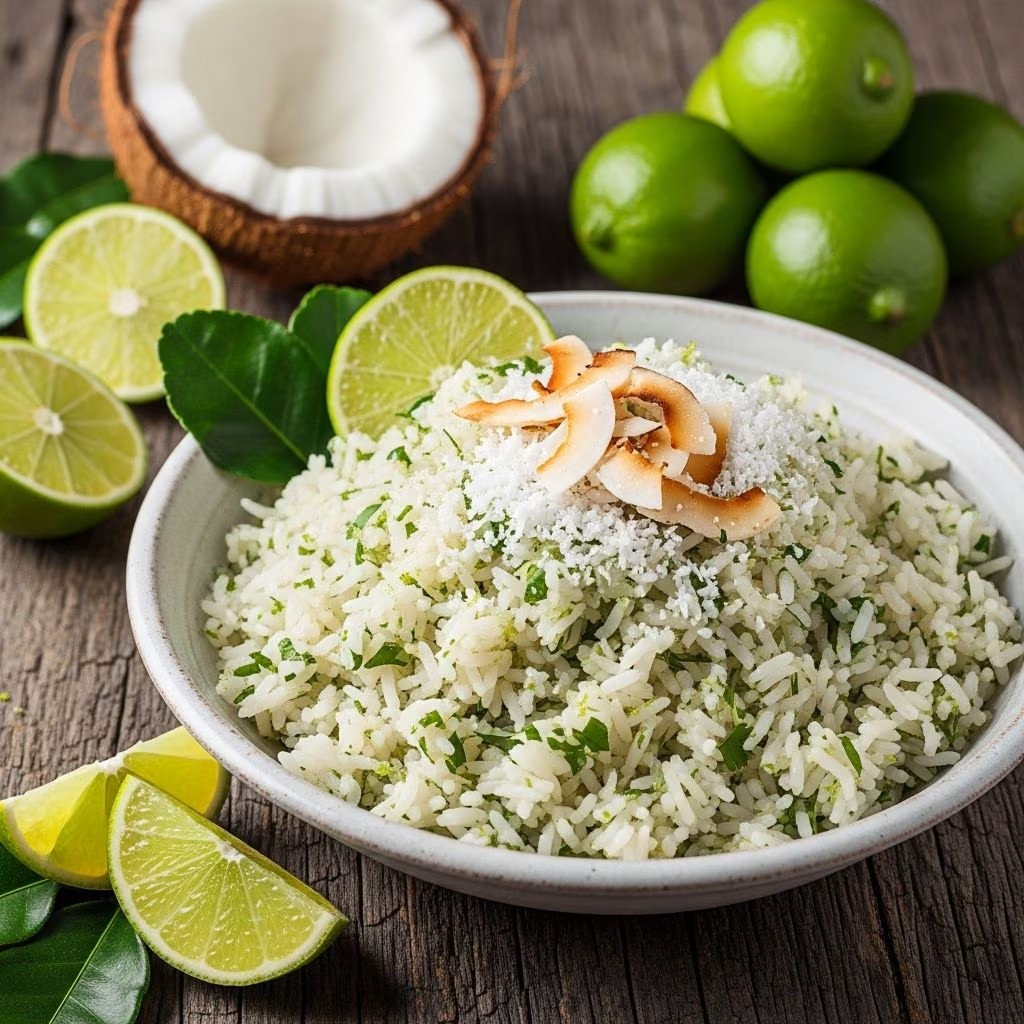
Creating a memorable side dish that complements both everyday meals and special occasions requires understanding the fundamentals of flavor pairing and cooking technique. One particularly versatile option combines the richness of coconut milk with the bright acidity of fresh lime juice, resulting in a dish that elevates simple rice into something extraordinary. This guide explores every aspect of preparing this beloved tropical accompaniment, from ingredient selection through presentation.
Understanding the Essential Components
The beauty of this preparation lies in its simplicity. The core components work in harmony to create a balanced, flavorful dish. Jasmine or basmati rice forms the foundation, prized for their delicate fragrance and ability to absorb flavors without becoming mushy. When rinsed thoroughly before cooking, these varieties produce individual, separate grains rather than a starchy, clumpy result.
Coconut milk provides both creaminess and subtle sweetness that distinguishes this dish from standard preparations. The choice between full-fat and light varieties affects richness; full-fat versions create an indulgent texture, while light coconut milk offers a lighter alternative without sacrificing flavor. The final essential element is fresh lime, which cuts through the richness of coconut and prevents the dish from becoming one-dimensional. Both the juice and zest contribute distinct qualities—the juice offers brightness while zest provides concentrated citrus oils and aromatic compounds.
Why Lime Elevates Your Dish
Many traditional coconut rice recipes rely solely on coconut milk, but the addition of lime transforms the preparation into something remarkable. The acidic properties of lime juice interact with the fat in coconut milk in ways that create perceived lightness, similar to how vinegar in salad dressing balances oil. This combination makes each bite feel fresher and more complex, encouraging appreciation for subtle flavors rather than overwhelming coconut sweetness.
Selecting and Preparing Ingredients
| Ingredient | Quantity | Notes |
|---|---|---|
| Long-Grain White Rice | 1-2 cups | Choose jasmine or basmati for optimal flavor and texture |
| Canned Coconut Milk | 1 cup | Shake can before opening; full-fat recommended for best results |
| Water or Broth | ½-1 cup | Chicken or vegetable broth adds depth; adjust based on rice variety |
| Fresh Lime | 1-2 limes | Use both juice and zest; select firm limes with thin skin |
| Sea Salt | ¼-½ tsp | Adjust to taste; coconut milk may contain sodium |
Rinsing Your Rice: Before cooking, place rice in a fine-mesh strainer and rinse under cold running water, agitating gently with your fingertips. Continue rinsing until the water runs clear or nearly clear. This removes excess starch that would otherwise create a gummy texture. Most recipes require three to four rinses for optimal results.
Preparing Lime: Select limes that feel heavy for their size and have unblemished skin. Microwave the lime for approximately ten seconds before zesting to release more aromatic oils, or simply roll it firmly on a cutting board using downward pressure. Use a microplane or fine grater for zest to avoid bitter white pith beneath the colored skin.
Stovetop Cooking Method
The most straightforward approach to creating coconut lime rice uses basic stovetop equipment. Begin by combining rinsed rice with coconut milk, water or broth, and salt in a medium saucepan with a tight-fitting lid. The liquid-to-rice ratio varies slightly depending on rice variety; jasmine typically requires approximately one cup liquid per cup of rice, while other varieties may need adjustment.
Step-by-Step Process:
- Place the saucepan over medium-high heat and bring the liquid to a vigorous boil, stirring occasionally to prevent sticking.
- Once boiling, reduce heat to the lowest setting your stovetop allows.
- Cover the pot completely with a lid, ensuring a tight seal.
- Maintain this gentle simmer for approximately 15-20 minutes, depending on rice type and your specific stovetop.
- Resist the urge to lift the lid and stir; this disrupts the steaming process and results in uneven cooking.
- When the cooking time has elapsed, remove the pot from heat and allow it to rest, covered, for an additional 5-10 minutes.
- Remove the lid carefully, directing any steam away from your face.
- Fluff the rice gently using a fork, separating any clumped grains.
- Stir in lime juice, zest, and salt to taste.
Alternative Cooking Techniques
While stovetop preparation remains most common, several alternatives produce excellent results. Rice cooker method: Combine rinsed rice, coconut milk, water, and salt in your rice cooker’s inner pot according to manufacturer guidelines. Most modern rice cookers automatically adjust cooking time based on liquid amount, producing consistently reliable results. This hands-off approach suits meal preparation and entertaining.
Instant Pot preparation: Rinse rice and add to the inner pot along with coconut milk, water, and salt. Use the sauté function for one minute before adding liquid, which enhances nutty flavor development. Lock the lid and cook on high pressure for approximately half the stovetop time. Quick-release pressure and fluff before finishing with lime and salt.
Toasting technique: Some preparation methods recommend toasting dry rice in a small amount of coconut oil before adding liquid. This optional step for one to two minutes over medium-high heat develops deeper, more complex flavors by lightly browning the rice grains.
Flavor Customization and Enhancement
While the base recipe delivers satisfying results, numerous additions personalize the dish to match specific menus or preferences. Fresh herbs prove particularly effective; cilantro adds peppery brightness, parsley contributes earthiness, and chives offer mild onion notes. Finely chop approximately ¼ to ½ cup fresh herbs and stir in just before serving to preserve their aromatic qualities.
Additional flavor boosters include:
- Minced garlic or ginger for warmth and complexity
- Red pepper flakes for gentle heat
- Fish sauce or tamari for umami depth
- Toasted sesame oil for nutty richness
- Freshly cracked black pepper for subtle spice
- Coconut oil for enhanced tropical character
- Shallots for sweet, mild onion flavor
Pairing and Serving Suggestions
This versatile side dish complements numerous main courses across various cuisines. The tropical coconut-lime combination particularly enhances grilled or baked fish, shrimp, and chicken preparations. Thai, Vietnamese, and Southeast Asian mains find natural harmony with this rice. The bright lime flavor also balances rich, spiced curries and helps cut through fattier meat preparations.
For vegetarian meals, serve alongside roasted vegetables, stir-fried tofu, or hearty grain-based salads. The creamy texture provides satisfying substance even without animal proteins. Cold leftover coconut lime rice becomes the foundation for refreshing rice bowls the following day; simply add fresh vegetables, protein, and additional lime juice to revive the dish.
Common Challenges and Solutions
| Challenge | Possible Cause | Solution |
|---|---|---|
| Mushy or overcooked rice | Too much liquid or extended cooking time | Reduce liquid by ¼ cup or decrease cooking time by 2-3 minutes |
| Dry or undercooked rice | Insufficient liquid or high heat | Add ¼ cup water and continue cooking 2-3 minutes longer |
| Clumpy texture | Excess starch not removed by rinsing | Rinse rice more thoroughly; rinse 4-5 times if necessary |
| Insufficient flavor | Added lime and salt after rice cooled | Season while rice is warm for better absorption |
| Coconut flavor overpowers lime | Too much coconut milk relative to lime | Increase lime juice and zest; consider light coconut milk |
Storage and Make-Ahead Options
Prepared coconut lime rice stores well for several days when properly refrigerated. Transfer cooled rice to an airtight container and maintain at 40°F or below. Before serving, reheat gently on the stovetop with a splash of water or broth, stirring occasionally until warmed through. Alternatively, microwave portions in a covered dish for two to three minutes, stirring halfway through.
For meal preparation, cook the rice through the resting stage but omit lime juice and zest until serving. This prevents the lime from becoming excessively acidic and altering texture during storage. Add lime finishing touches just before eating for maximum brightness and flavor impact.
Nutritional Considerations
This preparation offers nutritional advantages compared to plain white rice. Coconut milk provides medium-chain triglycerides, while lime juice supplies vitamin C and antioxidants. The combination of jasmine or basmati rice with the fat from coconut milk helps your body absorb fat-soluble vitamins more efficiently when served alongside vegetables or proteins.
For reduced-fat versions, substitute light coconut milk or increase the proportion of water or broth relative to full-fat coconut milk. The resulting rice will be less rich but remains flavorful when properly seasoned with adequate lime juice and fresh herbs.
Frequently Asked Questions
Can I use brown rice instead of white rice?
Yes, though cooking time extends to 35-45 minutes depending on the specific brown rice variety. You may need to increase the liquid proportion slightly and check for doneness before the timer ends.
What if I don’t have fresh lime available?
Bottled lime juice works adequately for juice, though freshly squeezed delivers superior flavor. For zest, grated lemon zest serves as an acceptable substitute, providing similar aromatic compounds and brightness.
Is this recipe naturally vegan?
Yes, when prepared with vegetable broth or water instead of chicken broth. All core ingredients—rice, coconut milk, lime, and salt—are plant-based.
How far in advance can I prepare coconut lime rice?
The rice portion can be prepared up to three days ahead. Store in the refrigerator and reheat before serving. Add lime juice and zest within an hour of serving for optimal flavor and texture.
What’s the difference between jasmine and basmati rice?
Jasmine rice has a subtly sweet, floral aroma and slightly sticky texture, while basmati features a nutty flavor and remains firmer with more separation between grains. Either works for this recipe; choose based on your texture preference.
References
- USA Rice Federation — Rice Cooking Guidelines — USA Rice Federation. https://www.usarice.com
- Coconut Oil and Coconut Milk Nutritional Information — United States Department of Agriculture, Agricultural Research Service. https://fdc.nal.usda.gov
- Lime Juice and Citric Acid in Culinary Applications — University of California Division of Agriculture and Natural Resources. https://ucanr.edu