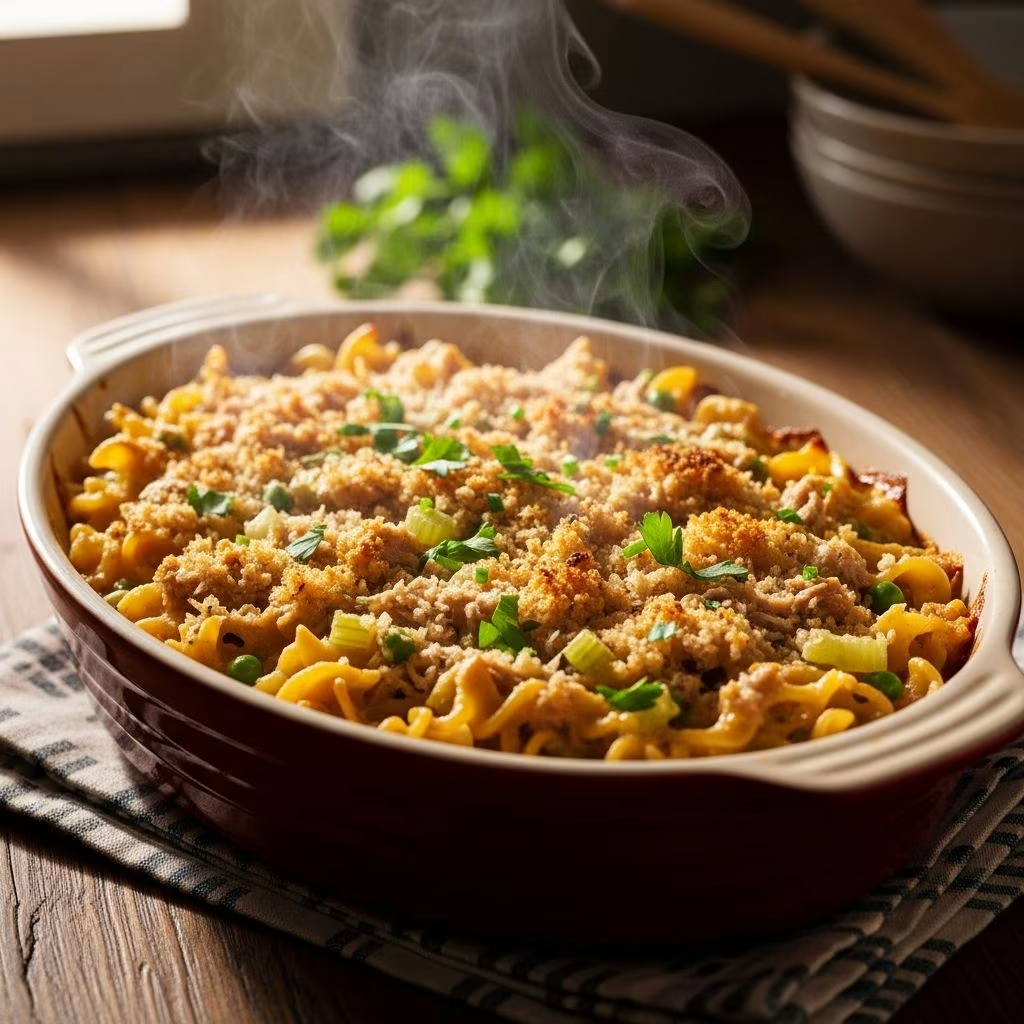
The tuna noodle casserole stands as one of America’s most enduring comfort food staples, particularly when prepared with Campbell’s cream of mushroom soup as the binding agent. This dish combines simple, affordable pantry ingredients into a satisfying meal that appeals to families across all generations. Whether you’re seeking a quick dinner solution or planning to feed a gathering of guests, this classic casserole delivers warmth, nourishment, and genuine homestyle appeal that transcends culinary trends.
Understanding the Foundation of This Beloved Dish
At its core, the tuna noodle casserole represents practical, economical cooking that doesn’t compromise on flavor or satisfaction. The recipe emerged during an era when canned goods became household staples, allowing home cooks to create elaborate dishes with minimal preparation time and effort. The marriage of tender egg noodles, flaked tuna, and creamy condensed soup creates a unified dish where each component contributes essential textural and flavor elements.
The beauty of this particular formulation lies in its elegant simplicity. Rather than requiring specialized culinary techniques or hard-to-find ingredients, the casserole relies on items most households maintain in their pantries. This accessibility has contributed significantly to its sustained popularity across decades, making it an ideal choice for busy weeknights, potluck contributions, and nostalgic family gatherings.
Essential Components and Ingredient Selection
Creating an excellent tuna noodle casserole begins with understanding each ingredient’s role in the final dish. The following components work together to produce the characteristic creamy texture, protein content, and satisfying bulk that make this casserole so appealing:
- Condensed cream of mushroom soup provides the creamy base that binds ingredients together while adding umami depth and savory undertones
- Egg noodles offer a starchy foundation that absorbs flavors while providing substantial, filling bulk to the dish
- Canned tuna supplies lean protein and a distinctive oceanic flavor that defines the casserole’s character
- Milk dilutes the concentrated soup to achieve the desired sauce consistency without overpowering density
- Frozen peas contribute color, texture contrast, and nutritional balance while adding natural sweetness
- Crispy topping delivers textural contrast through options like French fried onions, crushed potato chips, or bread crumbs
Preparation Methodology for Optimal Results
The preparation sequence significantly influences the final casserole’s quality. Beginning with properly cooked noodles ensures they reach an al dente texture—slightly firm to the bite—rather than becoming mushy during the baking phase. Most recipes recommend cooking noodles for approximately five to six minutes in salted boiling water, stopping slightly before the package’s standard cooking time recommends.
Draining the cooked noodles thoroughly prevents excess moisture from creating an overly soupy casserole. Similarly, ensuring the canned tuna is well-drained and gently flaked with a fork preserves tender fish texture rather than creating compressed clumps throughout the dish.
The mixing process deserves careful attention. Combining the condensed soup with milk first, whisking until smooth, creates an even base before incorporating the noodles and tuna. This approach ensures uniform distribution of the creamy sauce throughout the casserole rather than creating pockets of concentrated soup.
Step-by-Step Cooking Instructions
Preparation Phase: Preheat your oven to 350°F and lightly grease a casserole dish appropriate to your serving size. A standard 9-by-13-inch baking dish accommodates the typical recipe size adequately.
Ingredient Assembly: In a large mixing bowl, whisk together one can of condensed cream of mushroom soup with half a cup of milk, stirring until completely smooth and lump-free. Add one cup of frozen peas and gently combine. Drain two five-ounce cans of tuna thoroughly, then fold into the soup mixture along with the cooked and drained egg noodles, combining until all ingredients receive even coating.
Casserole Assembly: Transfer the combined mixture into the prepared baking dish, spreading evenly to ensure uniform cooking. Cover the dish with aluminum foil to trap steam during the initial baking phase.
Initial Baking: Place the covered casserole in the preheated oven and bake for approximately 25 minutes. This timeframe allows the casserole to heat thoroughly while allowing flavors to meld.
Topping Application: Remove the casserole from the oven and carefully peel back the foil. Distribute your chosen crispy topping evenly across the surface—French fried onions create traditional crunchiness, though crushed potato chips or grated cheese offer excellent alternatives.
Final Baking: Return the uncovered casserole to the oven and bake for an additional 10 to 15 minutes, until the topping achieves golden-brown coloring and crispness. The entire cooking process, from preparation through completion, requires approximately 45 minutes.
Creative Variations and Customization Options
While the traditional Campbell’s recipe provides wonderful results, countless variations allow personalization based on dietary preferences, available ingredients, or desired flavor profiles. Understanding these adaptations empowers home cooks to create casseroles that reflect their individual tastes while maintaining the dish’s essential character.
Protein Alternatives: Substitute canned tuna with drained, cooked chicken for a milder flavor profile. Ground turkey mixed with vegetables creates a completely different but equally satisfying casserole variation. Some cooks combine multiple proteins for enhanced complexity.
Cheese Enhancements: Stir grated sharp cheddar, Swiss, or Monterey Jack cheese directly into the casserole mixture before baking. This addition creates a richer, more complex sauce while contributing additional savory depth. For maximum cheese flavor, combine cheese both in the mixture and as part of the topping.
Vegetable Additions: Beyond the traditional peas, incorporate diced carrots, broccoli florets, sliced mushrooms, or diced bell peppers to increase nutritional content and textural variety. Many cooks blanch fresh vegetables briefly before adding them to prevent excessive moisture in the finished dish.
Seasoning Refinements: Layer additional flavors by incorporating fresh herbs like parsley, thyme, or chives into the sauce. A splash of Worcestershire sauce, a dash of Old Bay seasoning, or a pinch of hot sauce can elevate the flavor profile without overwhelming the dish’s classic character.
Topping Alternatives for Textural Interest
While French fried onions represent the traditional choice, numerous topping options create different effects:
| Topping Option | Flavor Profile | Texture | Special Considerations |
|---|---|---|---|
| French Fried Onions | Savory, slightly sweet | Light and crispy | Classic choice; add in final minutes to prevent excessive softening |
| Crushed Potato Chips | Salty, familiar | Crunchy, substantial | Use plain or flavored varieties; apply just before final baking |
| Grated Cheese | Rich, umami | Melted and browning | Combine with bread crumbs for optimal texture |
| Bread Crumbs | Neutral, toasted | Crisp when browned | Toss with melted butter for enhanced browning and flavor |
| Crushed Crackers | Varies by type | Crispy when baked | Choose varieties that complement other flavors |
Frequently Asked Questions About Casserole Preparation
Can I prepare this casserole in advance?
Yes, the assembled casserole can be prepared several hours ahead and refrigerated before baking. When baking a cold casserole, add approximately 10 to 15 minutes to the cooking time to ensure the center heats thoroughly. You may also prepare the casserole through the topping stage, then cover and refrigerate, adding the crispy topping just before the final baking phase.
What causes the casserole to become watery or too thick?
Excessive moisture typically results from inadequately drained tuna or noodles, or from including too much milk. Ensure tuna is pressed well to remove excess liquid, and drain noodles completely. If the mixture seems too thick, add milk gradually by the tablespoon until reaching desired consistency. Conversely, if the casserole appears soupy, the soup-to-milk ratio may need adjustment, or additional noodles can help absorb excess liquid.
How many servings does a typical recipe yield?
A standard recipe using one can of soup, two cans of tuna, and approximately 4 ounces of dry noodles typically yields four to six servings as a main course, depending on portion size. Scaling the recipe proportionally accommodates different group sizes.
Which soup varieties work best as alternatives to cream of mushroom?
Cream of celery, cream of chicken, or cream of potato soups provide excellent alternatives while maintaining the dish’s creamy character. Each soup variety contributes slightly different flavor undertones while preserving the casserole’s essential structure.
Can this casserole be frozen successfully?
Yes, the assembled unbaked casserole freezes well for up to three months. Simply prepare the casserole in a freezer-safe dish, cover tightly with plastic wrap and aluminum foil, then freeze. When ready to bake, thaw in the refrigerator overnight, then add topping and bake as directed, adding a few extra minutes if the casserole remains cold.
Serving Suggestions and Complementary Dishes
The tuna noodle casserole’s mild, creamy character allows it to pair well with numerous side dishes. A crisp green salad with tangy vinaigrette provides refreshing contrast to the rich casserole. Steamed or roasted vegetables like asparagus or green beans add nutritional balance. For carbohydrate accompaniment, warm crusty bread or dinner rolls complement the meal adequately.
Beverage pairings might include iced tea, lemon water, or light white wines such as Sauvignon Blanc. These options provide palate cleansing without overwhelming the casserole’s subtle flavors.
Storage and Reheating Guidelines
Leftover casserole stores well in the refrigerator for three to four days in an airtight container. Reheating can be accomplished by covering the casserole with foil and warming it in a 350°F oven for approximately 15 to 20 minutes, or by portioning individual servings into microwave-safe containers and heating for one to two minutes until warmed through. If the topping has softened during storage, consider adding fresh crispy topping during reheating for optimal textural contrast.
References
- Tuna Noodle Casserole Made with Campbell’s Cream of Mushroom Soup — Campbell’s Food Service. Accessed 2026. https://www.campbellsfoodservice.com/recipe/tuna-noodle-casserole-made-with-campbells-cream-of-mushroom-soup/
- Classic Tuna Noodle Casserole — The Seasoned Mom. Accessed 2026. https://www.theseasonedmom.com/classic-tuna-noodle-casserole/
- Classic Tuna Noodle Casserole (Easy, WW Friendly Comfort Food) — Simple Nourished Living. Accessed 2026. https://simple-nourished-living.com/classic-campbells-tuna-noodle-casserole-made-weight-watchers-friendly/
- Tuna Noodle Casserole Recipe — Campbell’s. Accessed 2026. https://www.campbells.com/recipes/tuna-noodle-casserole/
- Easy One-Pot Tuna Casserole — Campbell’s. Accessed 2026. https://www.campbells.com/recipes/easy-one-pot-tuna-casserole/