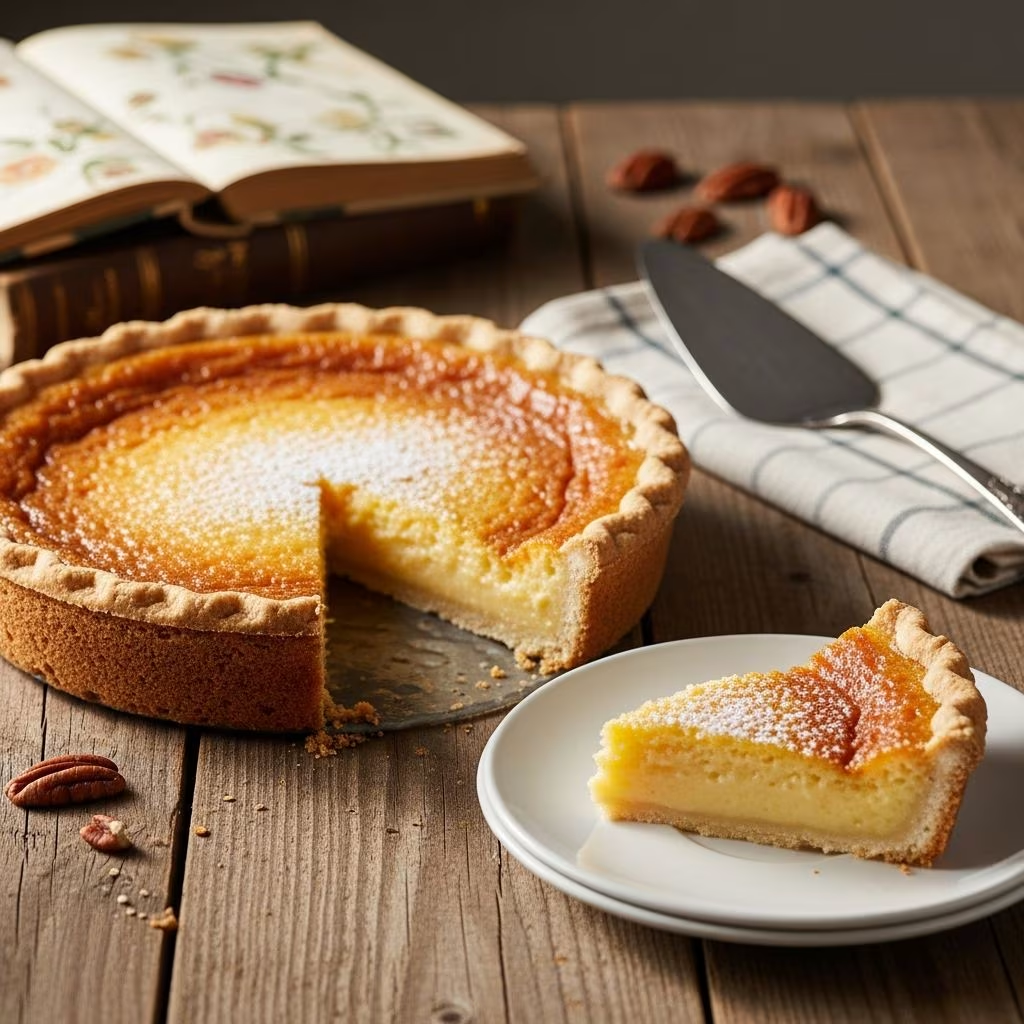
Chess pie represents a cherished tradition in Southern American baking, combining a flaky pie crust with a luxuriously sweet custard filling that delivers both comfort and elegance in every bite. This timeless dessert has graced family tables for generations, offering bakers of all skill levels an opportunity to create something genuinely impressive using ingredients likely already in their pantries. The beauty of this classic lies in its simplicity—requiring no exotic components or advanced techniques, yet producing results that taste far more complicated than the straightforward preparation actually demands.
Understanding Chess Pie’s Origins and Appeal
Chess pie belongs to a category of traditional American desserts that emerged from colonial-era cooking practices when bakers worked with the ingredients readily available to them. The exact etymology of “chess” pie remains somewhat mysterious, with culinary historians proposing various theories about its naming. What remains undisputed is that this dessert exemplifies resourcefulness and culinary wisdom passed down through countless Southern families.
The appeal of chess pie transcends generations because it satisfies fundamental baking desires: it requires minimal ingredients, demands reasonable oven time, and consistently produces an impressive result. The custard filling develops a slightly jiggly center that sets as it cools, creating a texture that hovers between creamy and set—distinctly different from cream pies or meringue pies, yet equally satisfying.
Essential Ingredients for Traditional Chess Pie
A proper chess pie relies on a carefully balanced combination of simple components that work together to create both structure and flavor:
- Butter: Typically between one-half to one full stick (room temperature works best for proper mixing), providing richness and contributing to the custard’s velvety texture
- Granulated Sugar: Usually one and one-half to two cups, depending on desired sweetness and specific recipe variations
- Cornmeal: Yellow cornmeal at roughly one to two tablespoons adds a subtle texture and slight cornbread note that distinguishes chess pie from other custard desserts
- All-Purpose Flour: Typically one tablespoon, providing minimal structural reinforcement to the filling
- Eggs: Three to five large eggs (at room temperature), serving as the primary binder and structure provider
- Milk or Buttermilk: Between one-third to one full cup, creating the custard base and providing tang when buttermilk is used
- Vanilla Extract: One teaspoon for aromatic depth
- Lemon Components: Fresh lemon juice and zest add brightness; some recipes substitute vinegar for the lemon juice
- Pie Crust: One unbaked nine-inch pie crust, either homemade or commercial
Preparing Your Pie Crust: Foundation for Success
The foundation of exceptional chess pie begins with proper crust preparation. Whether you choose to prepare a homemade crust from scratch or utilize a high-quality commercial option, the initial steps remain crucial. Roll out your pie dough to approximately twelve inches in diameter and carefully transfer it into a nine-inch pie pan, allowing the edges to drape slightly over the rim for crimping.
Many experienced bakers employ a technique called blind baking—partially pre-baking the crust before adding the filling. This approach involves pricking the crust bottom with a fork to prevent air pockets, lining the surface with parchment paper, filling with pie weights or dried beans, and baking at 350°F for approximately ten minutes. This step prevents a soggy bottom crust by removing excess moisture and ensuring the crust maintains its integrity when the wet custard filling is added. While not strictly mandatory, this technique significantly improves results, particularly for bakers working with commercial frozen crusts.
Crafting the Custard Filling: Step-by-Step Process
Creating the chess pie filling requires attention to mixing order and technique, though the actual process remains surprisingly straightforward:
- Begin by creaming together softened butter and granulated sugar using an electric mixer set to medium speed. Mix for three to four minutes, beating until the mixture achieves a light, fluffy consistency resembling clouds. This process incorporates air into the butter-sugar combination, establishing the texture foundation for your final custard.
- Add the cornmeal and flour to the creamed mixture, mixing until these dry components fully incorporate and no streaks remain visible.
- Introduce eggs individually, beating well after each addition before incorporating the next. This staged approach ensures proper emulsification and prevents the mixture from separating or becoming grainy.
- Pour in your chosen milk or buttermilk alternative, along with vanilla extract, lemon juice, and lemon zest. Beat the combined filling until the mixture achieves a smooth, silky appearance. Some recipes include a small pinch of salt at this stage to balance sweetness.
Don’t be alarmed if the filling appears slightly curdled or uneven at this point—this appearance often masks perfectly acceptable mixture that will bake beautifully. The heat of the oven will transform the apparently separated components into a cohesive custard.
Baking Your Chess Pie to Perfection
Pour the prepared filling carefully into your pie crust, which should already be positioned in the oven or prepared on a secure baking surface. Gently tap the pie to release any trapped air bubbles that could create unwanted pockets in the finished dessert.
Set your oven temperature to 350°F and bake for fifty to sixty minutes, depending on your specific oven’s characteristics and the depth of your filling. The chess pie achieves doneness when the edges appear fully set but the center maintains a subtle jiggle—approximately a one-inch radius of movement in the pie’s middle when gently shaken. This critical point indicates the custard has set sufficiently while remaining creamy rather than rubbery.
If your pie’s top begins browning too rapidly before the filling sets, cover it loosely with aluminum foil to prevent over-darkening while allowing the interior to continue cooking. Remove the finished pie from the oven and allow it to rest at room temperature for approximately one hour before serving. This resting period allows the filling to continue setting slightly, developing a texture that’s neither soupy nor overly firm.
Flavor Variations and Creative Adaptations
The basic chess pie formula serves as an excellent foundation for creative experimentation. Several popular variations build upon this classic template:
| Variation | Primary Modification | Key Consideration |
|---|---|---|
| Honey Chess Pie | Replace granulated sugar with approximately one and one-quarter cups honey | Honey adds distinctive floral notes and creates slightly different texture |
| Chocolate Chess Pie | Incorporate cocoa powder or melted chocolate into the filling | Requires different ingredient ratios than traditional recipe |
| Lime Variation | Substitute lime juice and zest for lemon components | Creates tropical flavor profile while maintaining traditional technique |
| Vinegar-Based Chess Pie | Replace lemon juice with apple cider vinegar | Provides similar tartness with different flavor character |
Storage and Make-Ahead Strategies
Chess pie demonstrates excellent keeping qualities when properly stored. After cooling completely, cover the pie well using plastic wrap or aluminum foil and refrigerate for up to four days. The pie actually develops deeper flavor as it sits, making it an excellent candidate for advance preparation.
For longer storage, completely cooled chess pie freezes beautifully for up to three months when wrapped carefully to prevent freezer burn. Simply transfer the frozen pie to your refrigerator the night before serving, allowing it to thaw gradually. Reheat the thawed pie gently in a 300°F oven for approximately fifteen to twenty minutes before serving if you prefer it warm.
Key Tips for Chess Pie Excellence
- Employ high-quality ingredients, as the pie’s simplicity means inferior components become immediately apparent in the final result
- Bring all ingredients, particularly eggs and butter, to room temperature before mixing for optimal emulsification and texture
- Don’t skip the creaming step—properly creamed butter and sugar create essential air incorporation that develops the pie’s texture
- Mix just until combined after adding wet ingredients to avoid developing excess gluten or over-mixing
- Avoid opening the oven door excessively during baking, as sudden temperature changes can interfere with proper setting
- Trust the gentle jiggle test rather than relying solely on baking time, as oven variations affect cooking speed
- Allow adequate resting time after baking—this significantly improves the final texture and flavor development
Frequently Asked Questions About Chess Pie
Why is my chess pie filling separating or curdling during baking? This appearance often occurs during the baking process but typically resolves as the pie finishes cooking. Ensure all ingredients reached room temperature before mixing, and avoid opening the oven excessively.
Can I use store-bought pie crust? Absolutely. Quality commercial pie crusts produce excellent results and eliminate preparation time. Both frozen and refrigerated options work well for chess pie.
What’s the difference between chess pie and custard pie? Chess pie includes cornmeal and specific proportions that create its distinctive texture and slight grain, while traditional custard pie typically omits cornmeal and relies primarily on eggs and cream for structure.
How do I know when my chess pie is done baking? The pie reaches completion when the edges are set and the center jiggles slightly—roughly a one-inch area in the middle when gently shaken. The top should appear golden or light brown.
Can I make chess pie ahead of time? Yes, completely cooled pie keeps refrigerated for up to four days or frozen for three months. Thaw overnight in the refrigerator before serving or reheating.
Conclusion: Mastering a Southern Classic
Chess pie exemplifies how simple, carefully balanced ingredients can produce genuinely impressive desserts that deserve a place at any table. The combination of buttery crust and creamy, slightly jiggly custard filling creates a textural and flavor experience that continues attracting bakers to this traditional recipe across generations. By understanding the purpose of each ingredient and following straightforward techniques, any home baker can confidently prepare this classic Southern dessert. Whether serving at family gatherings or enjoying a personal treat, chess pie delivers satisfaction that belies its humble preparation and ingredient list.
References
- Chess Pie – Tastes Better from Scratch — Tastes Better from Scratch. Retrieved April 2026. https://tastesbetterfromscratch.com/chess-pie/
- Chess Pie Recipe — Homesick Texan. Retrieved April 2026. https://www.homesicktexan.com/taste-of-yellow-chess-pie/
- Classic Southern Chess Pie Recipe — Grandbaby Cakes. Retrieved April 2026. https://grandbaby-cakes.com/chess-pie/
- Chess Pie – Budget Bytes — Budget Bytes. Retrieved April 2026. https://www.budgetbytes.com/chess-pie/
- Chess Pie – Life’s Little Sweets — Life’s Little Sweets. Retrieved April 2026. https://www.lifeslittlesweets.com/chess-pie/