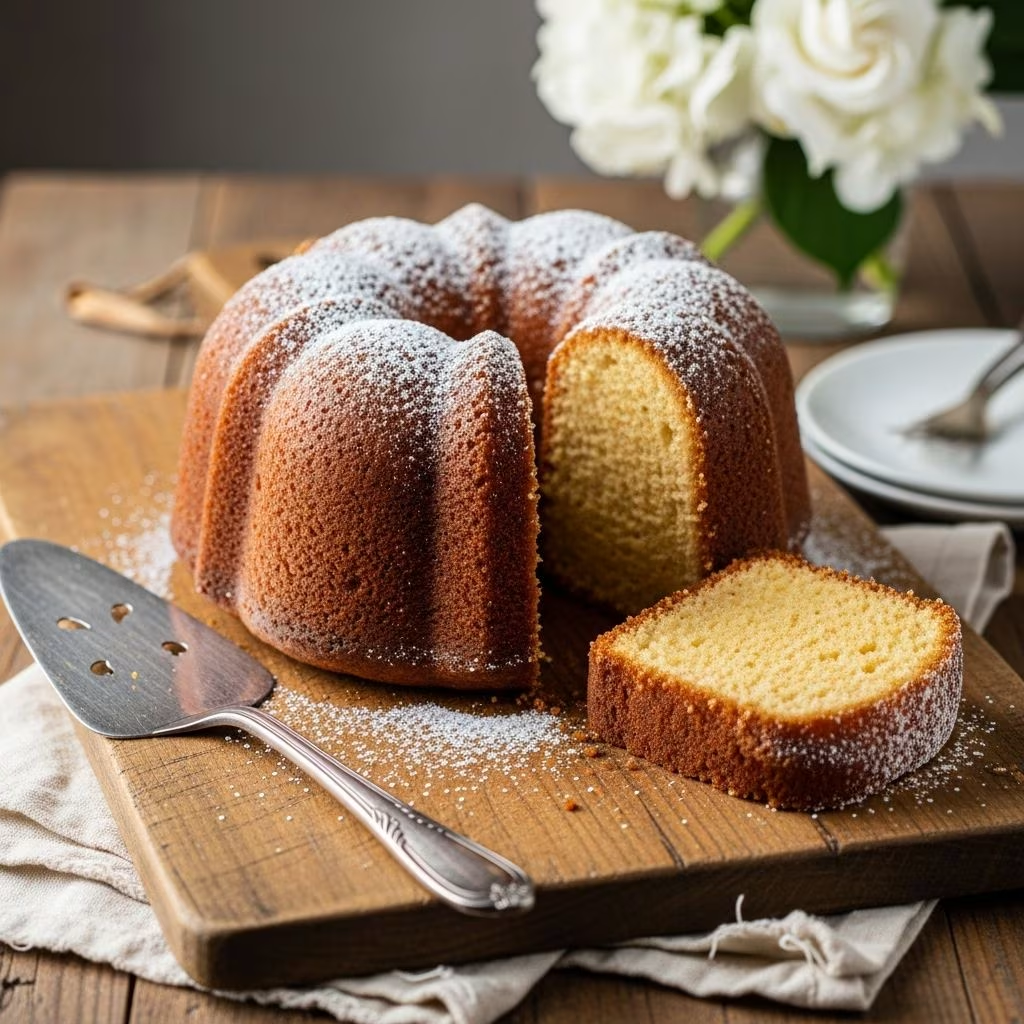
Pound cake represents one of the most enduring and beloved desserts in culinary tradition, prized for its simplicity, elegance, and comforting richness. This classic treat has graced American tables for generations, offering home bakers a straightforward path to creating an impressive dessert that requires minimal complexity yet delivers maximum satisfaction. The beauty of pound cake lies in its straightforward ingredient list and the reliable results it produces when proper technique is employed.
Understanding the Historical Foundation of Pound Cake
The origins of pound cake trace back centuries, with recipes documented as far back as the 1700s. The name itself derives directly from the cake’s original composition—a formula that called for precisely one pound each of four essential ingredients: flour, sugar, butter, and eggs. This mathematical simplicity made pound cake an accessible recipe that could be memorized and executed without written measurements, proving invaluable in an era before standardized measuring tools became commonplace.
Throughout the centuries, bakers have adapted the foundational recipe while maintaining its essential character. Modern interpretations frequently incorporate vanilla extract, lemon zest, almond flavoring, and various dairy products to enhance moisture and complexity. Despite these refinements, authentic pound cake retains the dense, buttery crumb that distinguishes it from lighter, fluffier cake varieties.
Essential Ingredients for Superior Results
Creating an exceptional pound cake begins with understanding the role each ingredient plays in the final product. Quality ingredient selection significantly impacts texture, flavor, and overall success.
The Core Components
- Unsalted Butter: This provides the foundation for the cake’s rich flavor and tender crumb. Using unsalted butter allows complete control over the salt content in your finished cake. Room temperature butter is essential, as it incorporates air more efficiently during the creaming process, creating a lighter batter that bakes evenly.
- Granulated Sugar: Sugar serves multiple functions beyond sweetness—it helps create a tender crumb, promotes browning during baking, and contributes to the cake’s golden exterior.
- Large Eggs: Eggs bind ingredients together while also contributing moisture and structure. Room temperature eggs integrate more smoothly into the butter-sugar mixture, creating a cohesive batter without separation.
- All-Purpose Flour: This versatile flour provides structure without creating excessive toughness. Sifting flour before measuring ensures accurate quantities and eliminates lumps that could create dense pockets in the finished cake.
- Pure Vanilla Extract: This ingredient adds aromatic complexity and depth of flavor that elevates the cake beyond a simple butter cake.
- Leavening Agents: Baking powder and salt work together to help the cake rise slightly and enhance flavor development. These components distinguish modern pound cake from its strictly mathematical ancestor.
Preparation Techniques That Ensure Success
Before mixing begins, proper preparation sets the stage for consistent results. This preliminary work might seem obvious, yet skipping these steps frequently leads to disappointing outcomes.
Pan Preparation
Select a 10-cup Bundt pan or tube pan for most pound cake recipes, as these designs accommodate the generous batter volume and allow heat to circulate properly. Grease the pan generously using butter-flavored shortening, which creates a golden, appetizing crust while preventing sticking. Follow greasing with a light flour coating, shaking out any excess to prevent a thick, gritty layer on the cake’s exterior. Some bakers prefer using cooking spray followed by a light flour dusting, which offers reliable results with minimal effort.
Oven Temperature Control
Most pound cake recipes call for baking temperatures between 325°F and 350°F. Lower temperatures allow the cake to bake through without excessive browning, while slightly higher temperatures promote golden exterior development. Positioning the oven rack in the center of the appliance ensures even heat distribution throughout the baking process.
Ingredient Temperature Matters
Allowing butter, eggs, and any dairy components to reach room temperature before mixing creates a more homogeneous batter with superior texture. Cold ingredients resist proper incorporation, resulting in a batter with visible separation and uneven crumb structure.
The Mixing Process: Building Texture and Structure
The mixing methodology directly influences the final cake’s texture and moisture content. Understanding each step prevents over-mixing and ensures proper ingredient integration.
Step-by-Step Mixing Instructions
- Cream Butter and Sugar: Beat the softened butter until it transforms into a smooth, creamy consistency. This aerating step incorporates tiny air bubbles throughout the butter. Gradually add sugar while maintaining mixer speed, continuing until the mixture achieves a pale yellow color and noticeably lighter texture. This process typically requires 3-5 minutes with an electric mixer.
- Incorporate Eggs Gradually: Add eggs one at a time, ensuring each egg fully incorporates before introducing the next. This methodical approach prevents the batter from becoming curdled or separated. Continue beating after each egg addition until the mixture appears smooth and uniform.
- Add Vanilla and Extracts: Mix in vanilla extract with the final egg, allowing it to distribute evenly throughout the batter.
- Dry Ingredient Integration: In a separate bowl, whisk together sifted flour, baking powder, and salt. Add this mixture to the wet ingredients alternately with milk or other liquid components, beginning and ending with the dry ingredients. This alternating method prevents over-mixing while ensuring proper hydration.
- Final Mixing: Mix just until everything combines into a smooth, uniform batter. Avoid excessive beating at this stage, which can develop gluten and create a tough crumb.
Batter Consistency Indicators
The properly mixed batter should appear completely smooth with no visible lumps or flour streaks. If properly executed, the batter will have a thick, creamy consistency that slowly flows when spooned into the prepared pan.
Baking Time and Temperature Monitoring
Pound cake typically requires 55 minutes to 1 hour and 20 minutes in the oven, depending on your specific oven’s performance and the exact pan size. Ovens vary considerably in actual temperature delivery, so relying solely on time recommendations can lead to under-baked or over-baked cakes.
Testing for Doneness
Insert a wooden skewer or toothpick into the center of the cake at the 55-minute mark. If the skewer emerges clean or with only a few moist crumbs, the cake has reached the proper doneness point. If batter clings to the skewer, return the cake to the oven and check again after 5 minutes. Continue monitoring until the proper doneness stage is achieved.
Preventing Common Issues
| Problem | Cause | Solution |
|---|---|---|
| Sunken Center | Oven temperature too high or cake underbaked | Use an oven thermometer to verify actual temperature; check doneness earlier |
| Dry Texture | Overbaking or insufficient fat content | Monitor baking time carefully; ensure proper ingredient measurements |
| Dense, Heavy Crumb | Overmixing or inadequate creaming | Mix only until ingredients combine; cream butter and sugar thoroughly |
| Uneven Browning | Oven hot spots or improper rack placement | Use center rack position; rotate pan halfway through baking if needed |
Cooling and Storage Procedures
After removing the cake from the oven, allow it to cool in the pan for a minimum of 30 minutes. This resting period allows the structure to set, reducing the risk of breakage during removal. After 30 minutes, gently run a thin knife around the pan’s edges to loosen the cake, then invert onto a cooling rack to complete the cooling process.
Once completely cooled, store pound cake in an airtight container at room temperature for up to 4 days. Pound cake actually improves slightly after one day, as flavors meld and the crumb becomes more tender. For extended storage, wrap well and refrigerate for up to 2 weeks, or freeze for up to 3 months.
Flavor Variations and Creative Adaptations
While the classic vanilla version remains beloved, pound cake serves as an excellent canvas for creative flavor experimentation. Consider adding lemon zest for brightness, incorporating almond extract for nutty notes, or mixing in fresh fruit purees for subtle flavor complexity. These variations maintain the cake’s essential character while offering personal touches.
Serving Suggestions and Pairings
Pound cake’s versatility extends to presentation and serving options. Slice and serve plain to showcase its inherent richness, or complement with fresh berries and whipped cream for elegant simplicity. Toast slices lightly and serve with jam or honey, or use pound cake as a foundation for more elaborate desserts like baked Alaska.
Frequently Asked Questions
Why is my pound cake dense and heavy?
Excessive mixing during batter preparation develops gluten, creating a tough crumb. Ensure you cream butter and sugar adequately, but mix only until ingredients combine after adding flour. Also verify that you’ve incorporated sufficient air through proper creaming.
Can I use salted butter instead of unsalted?
While possible, unsalted butter provides better flavor control. If using salted butter, reduce the added salt by half to prevent an overly salty cake.
What if my oven runs cool or hot?
Invest in an inexpensive oven thermometer to verify actual temperature. Adjust accordingly—if your oven runs hot, reduce the temperature by 25°F and monitor baking time closely.
How should I bring room temperature ingredients?
Remove butter and eggs from the refrigerator 1-2 hours before baking. Cold milk can be gently warmed in the microwave for 15-20 seconds.
Can pound cake be made ahead?
Yes, pound cake actually tastes better the next day. Bake it up to 4 days in advance and store in an airtight container.
References
- The Best Pound Cake Recipe — Sugar Spun Run. Accessed 2026. https://sugarspunrun.com/best-pound-cake-recipe/
- Southern Pound Cake (Classic Pound Cake 101) — Divas Can Cook. Accessed 2026. https://divascancook.com/pound-cake-recipe/
- Old Fashioned Pound Cake Recipe — Farmette Kitchen. Accessed 2026. https://farmettekitchen.com/old-fashioned-pound-cake/
- Easy Old-Fashioned Pound Cake Recipe — Beyond Frosting. Accessed 2026. https://beyondfrosting.com/classic-pound-cake/