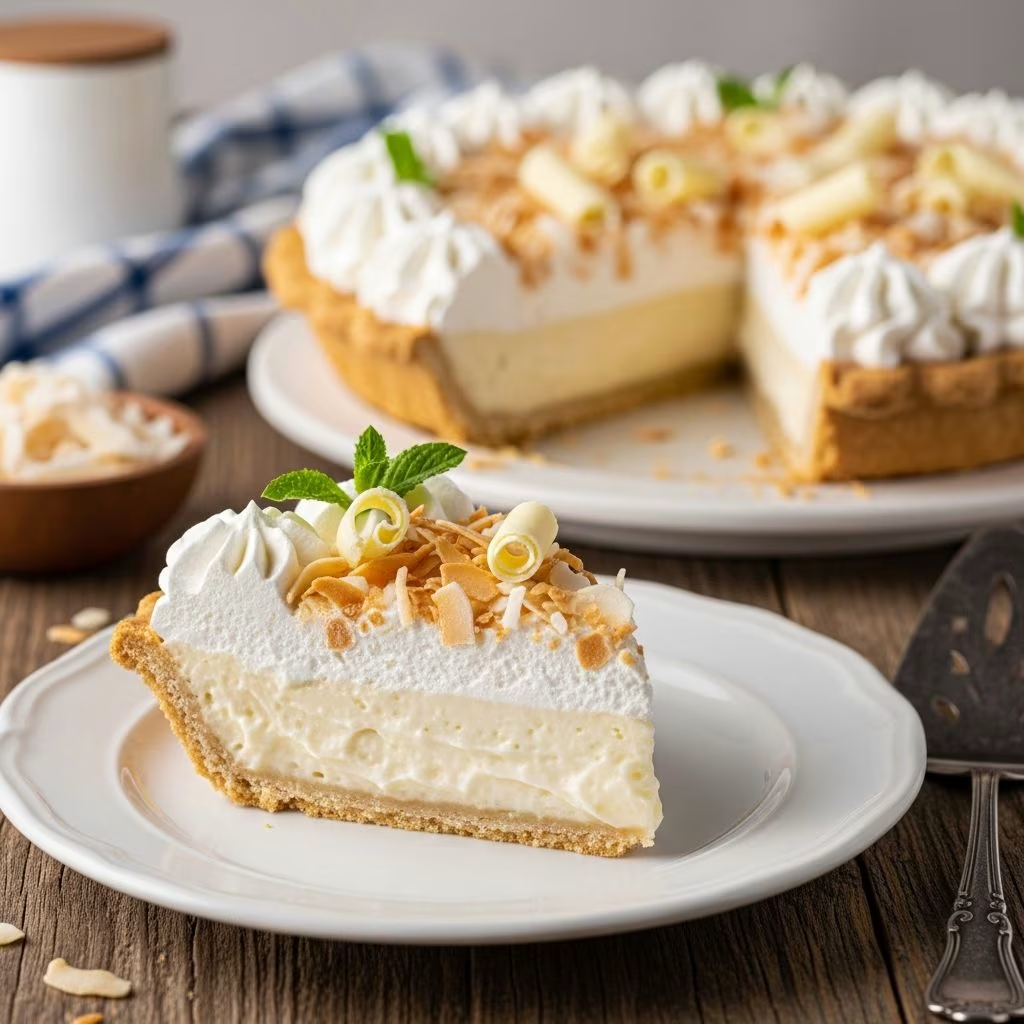
Coconut cream pie represents one of the most beloved American desserts, combining a buttery foundation with a luxurious tropical filling and airy topping. This classic confection has graced dessert tables for generations, evoking memories of diner experiences and holiday gatherings. Whether you’re an experienced baker or attempting this delicacy for the first time, understanding the fundamentals of construction transforms the baking process into an enjoyable and rewarding endeavor.
Understanding the Foundation: The Pie Crust
The crust serves as the structural foundation for any successful cream pie. A properly executed crust provides textural contrast to the smooth filling while preventing sogginess through blind baking—a technique where the crust is partially cooked before the filling is added. This critical step ensures that the bottom remains crispy rather than developing an undesirable soggy texture.
When preparing your crust, selecting the right flour and fat composition matters significantly. All-purpose flour provides the ideal balance for tenderness and structure, while butter creates superior flavor compared to shortening alone. For those preferring convenience, high-quality store-bought options deliver acceptable results, though homemade crusts offer superior taste and texture control.
The blind baking process involves lining your rolled dough with parchment paper or foil and filling it with pie weights or dried beans to prevent puffing. Baking at 350 degrees Fahrenheit for approximately 15-20 minutes creates a partially set foundation ready to receive the custard filling.
Building the Custard: The Heart of Your Pie
The custard filling distinguishes a mediocre pie from an exceptional one. This component requires precision and attention, as several elements must work in harmony to achieve the desired silky, thick consistency.
Essential Custard Ingredients and Their Roles
- Egg Yolks: These provide both structure and richness, creating the custard’s luxurious mouthfeel. Using 4 large room-temperature yolks ensures proper incorporation and smooth texture.
- Cornstarch: Acting as a thickening agent, cornstarch prevents excessive custard and creates the ideal consistency. Approximately 1/3 cup dissolves seamlessly into the mixture.
- Coconut Milk: Full-fat coconut milk delivers authentic tropical flavor and creaminess that regular milk cannot replicate. One 14-ounce can provides sufficient richness.
- Cream Products: Heavy cream or half-and-half adds velvety texture and enhances the overall mouthfeel. Most recipes employ 1-1.5 cups for optimal richness.
- Sugar: Between 2/3 and 3/4 cup granulated sugar balances the custard’s flavor profile without overwhelming the coconut notes.
- Butter: Two tablespoons of softened unsalted butter finish the custard, adding shine and improving flavor depth.
- Coconut Extract or Vanilla: One teaspoon of either extract amplifies coconut flavor or provides complementary vanilla notes, depending on preference.
- Shredded Coconut: Sweetened shredded coconut, typically 1.5-2 cups, creates texture and intensifies tropical character throughout the filling.
Custard Preparation Technique
Creating silky custard requires understanding the tempering process—a method that gradually raises the temperature of egg yolks to prevent scrambling. Begin by whisking together egg yolks and cornstarch in a separate bowl until pale and foamy.
In a medium saucepan, combine coconut milk, heavy cream or half-and-half, granulated sugar, and salt. Whisking occasionally, bring this mixture to a gentle boil over medium heat. Once boiling, maintain the heat for 2 minutes to ensure the cornstarch activates fully.
Reduce heat to medium-low. Carefully add small amounts of the hot coconut mixture to the egg yolks while whisking constantly. This gradual addition raises the yolk temperature without causing them to scramble. After adding approximately one-third of the hot mixture to the yolks, pour the entire egg mixture back into the saucepan while continuing to whisk.
Continue heating the combined mixture for another 1-2 minutes, whisking constantly. The custard should thicken noticeably during this period. Remove from heat, then add softened butter one tablespoon at a time, stirring until completely melted and incorporated. Finally, fold in the coconut extract and shredded coconut by hand using a spatula.
Place plastic wrap directly against the custard surface to prevent a skin from forming, then allow it to cool at room temperature for at least one hour. This step is crucial—pouring hot custard into a pie shell risks damaging the crust.
Assembly and Chilling: Bringing It Together
Once your crust has cooled completely after blind baking and the custard has reached room temperature, assembly commences. Pour the thickened custard into the prepared pie shell, smoothing the top with a spatula. Again, press plastic wrap directly against the filling surface, then refrigerate for a minimum of 2 hours, preferably 4 hours or overnight. This extended chilling period allows the custard to set firmly and flavors to meld.
Creating the Whipped Cream Topping
The whipped cream topping represents the final layer of luxury. For optimal results, prepare this component on the day of serving rather than in advance. Cold equipment proves essential—place your mixing bowl and beaters in the freezer for 15 minutes before beginning.
Pour 2 cups of heavy whipping cream into the chilled bowl and begin whipping at high speed. After approximately 1-2 minutes, the cream becomes foamy. Continue whipping until soft peaks form—the cream holds peaks that gently curl over. At this stage, add 1 cup powdered sugar, 1/2 teaspoon vanilla extract, and 1/4 teaspoon cream of tartar if desired (cream of tartar stabilizes the whipped cream). Resume whipping until stiff peaks form, where the peaks hold their shape without collapsing.
Toasted Coconut Garnish
Toasted coconut provides both visual appeal and enhanced flavor complexity. Spread remaining sweetened shredded coconut on a baking sheet and bake at 350 degrees Fahrenheit for 5-7 minutes, stirring occasionally. Coconut burns quickly, so vigilant monitoring prevents charring. The coconut should turn light golden brown with a fragrant, nutty aroma.
Immediately transfer toasted coconut to a cool surface to halt the cooking process. Just before serving, generously spread whipped cream across the pie’s surface and sprinkle the toasted coconut on top.
Critical Tips for Success
- Room Temperature Ingredients: Egg yolks at room temperature incorporate more smoothly into the hot mixture during tempering.
- Constant Whisking: Never stop whisking during the custard-making process. Continuous whisking prevents lumps and ensures even heat distribution.
- The Finger Test: Before removing the custard from heat, perform a finger test by running your finger across the spatula—it should leave a clear trail without liquid flowing back across.
- Plastic Wrap Placement: Placing plastic wrap directly on the custard surface prevents skin formation, which can create texture issues in the finished pie.
- Refrigeration Timing: Do not rush the chilling process. Proper refrigeration develops flavor and allows the custard to achieve ideal consistency.
- Serving Temperature: Serve the pie directly from refrigeration for the best textural contrast and flavor presentation.
Ingredient Quality Considerations
The quality of your final product directly correlates with ingredient selection. Full-fat coconut milk provides superior flavor compared to light varieties. Unsalted butter allows precise salt control. Fresh eggs from reliable sources ensure food safety and optimal texture. Real coconut extract delivers authentic tropical notes, though vanilla extract provides an acceptable alternative.
When selecting crust options, consider your time availability. Homemade crusts require approximately 30 minutes of active preparation but yield superior flavor and texture. Store-bought options reduce active time significantly while still producing acceptable results.
Storage and Make-Ahead Strategies
Properly stored coconut cream pie maintains quality for 2-3 days when kept in an airtight container in the refrigerator. The whipped cream topping is best applied within a few hours of serving for optimal texture. If preparing ahead, you can complete the pie through the custard filling stage and refrigerate for up to 24 hours before adding the whipped cream topping.
Freezing is not recommended for completed pies due to texture degradation in the whipped cream and custard. However, blind-baked crusts and prepared custard can be frozen separately for up to one month, significantly reducing preparation time when ready to assemble.
Troubleshooting Common Issues
| Problem | Cause | Solution |
|---|---|---|
| Soggy Crust | Insufficient blind baking or hot custard poured into warm crust | Ensure complete blind baking and cool custard to room temperature before filling |
| Lumpy Custard | Inadequate whisking or improper tempering | Whisk continuously and add hot mixture gradually to egg yolks |
| Thin Custard | Insufficient cornstarch or undercooking | Measure cornstarch accurately and maintain boiling temperature for full 2 minutes |
| Grainy Whipped Cream | Over-whipping or warm equipment | Stop whipping at soft peaks and use chilled equipment |
| Burnt Toasted Coconut | Oven temperature too high or insufficient monitoring | Stir frequently and remove at first sign of golden color |
Frequently Asked Questions
Can I substitute coconut milk with cream of coconut?
Cream of coconut is significantly sweeter and more concentrated than coconut milk, so direct substitution will result in an overly sweet filling. If using cream of coconut, reduce the granulated sugar by half and adjust to taste.
What if I don’t have cornstarch?
Cornstarch provides reliable thickening without affecting flavor. Flour can substitute in equal measure, though it produces slightly less glossy results. Tapioca starch works effectively and creates a similarly transparent filling.
Is it necessary to blind bake the crust?
While some recipes skip this step using a refrigerated store-bought crust, blind baking prevents the soggy bottom syndrome that compromises eating experience. The extra 20 minutes delivers substantially improved results.
How do I prevent the meringue-like skin on cooling custard?
Plastic wrap placed directly against the custard surface prevents air contact, which causes skin formation. This method proves more effective than covering the entire bowl.
Can I make this pie dairy-free?
Substitute heavy cream with coconut cream, dairy milk with coconut milk or oat milk, and butter with coconut oil. Results will differ slightly but remain acceptable for dairy-free diets.
Variations to Explore
Once mastering the classic version, consider experimenting with complementary flavors. A touch of lime zest brightens the filling and evokes Caribbean notes. White chocolate shavings provide elegant garnish and subtle richness. Macadamia nuts add crunch and authenticity. Toasted almond slivers complement coconut’s natural flavor profile.
For a more sophisticated presentation, incorporate a graham cracker crust instead of traditional pie crust. This variation provides textural contrast and integrates seamlessly with the tropical filling.
Conclusion: Mastering Your Technique
Creating an exceptional coconut cream pie combines precise technique with ingredient quality and attention to detail. By understanding each component’s role and following proper procedures, even novice bakers produce restaurant-quality results. The reward for your effort—a slice of creamy, coconut-laden heaven topped with billowing whipped cream—justifies every minute spent in the kitchen.
References
- The Best Coconut Cream Pie – Dad’s Recipe — Mom On Timeout. 2024. https://www.momontimeout.com/best-coconut-cream-pie-recipe/
- Coconut Cream Pie Recipe — Stacy Lyn Harris. 2024. https://stacylynharris.com/coconut-cream-pie/
- Easy Coconut Cream Pie Recipe — Beyond Frosting. 2024. https://beyondfrosting.com/die-coconut-cream-pie/
- Homemade Coconut Cream Pie — Sally’s Baking Addiction. 2024. https://sallysbakingaddiction.com/coconut-cream-pie/
- The Best Coconut Cream Pie You’ll Ever Make! — YouTube. 2024. https://www.youtube.com/watch?v=Jvy86bsSfuw
- Southern Homemade Coconut Cream Pie — Well Seasoned Studio. 2024. https://www.wellseasonedstudio.com/coconut-cream-pie/