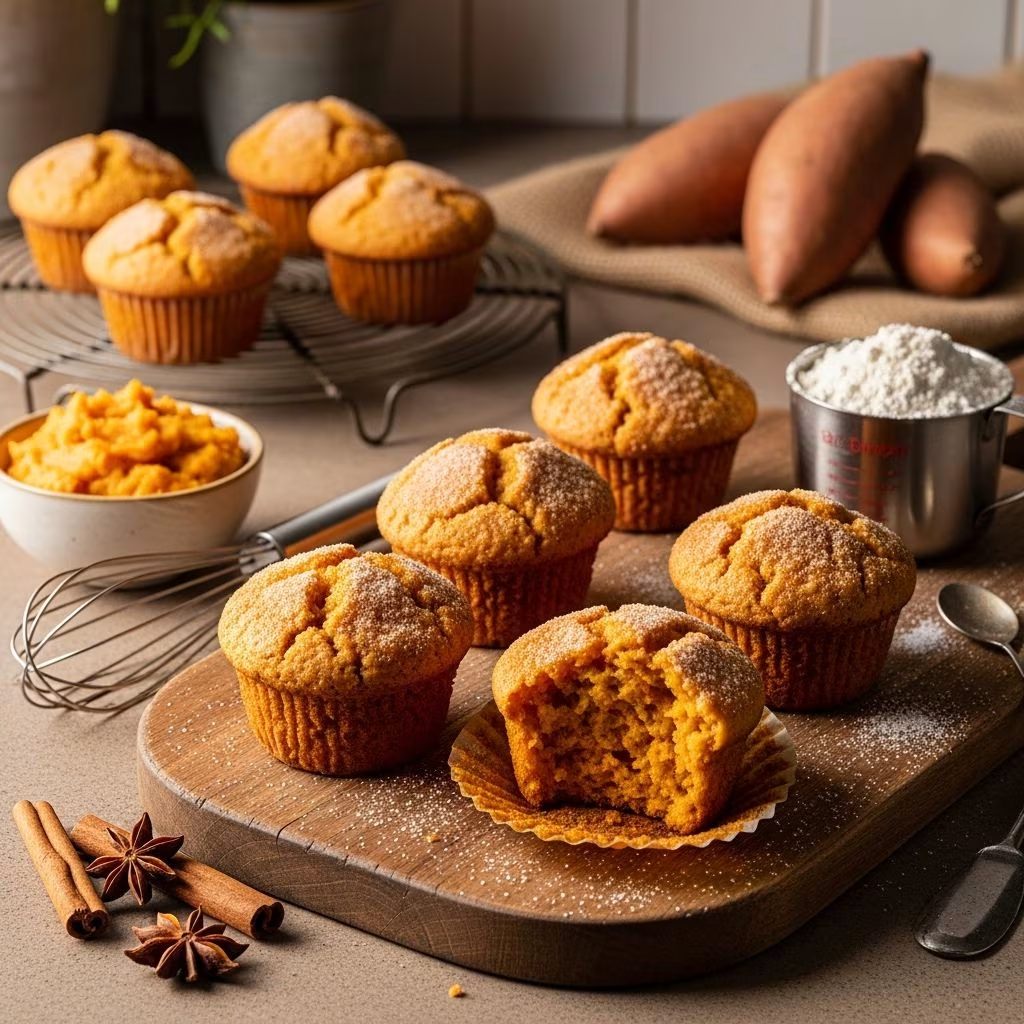
Sweet potato muffins represent a delightful intersection of comfort, nutrition, and seasonal flavor that appeals to bakers of all skill levels. These tender, moist treats capture the essence of autumn with their natural sweetness and warm spice profile, making them ideal for breakfast gatherings, afternoon snacks, or dessert tables. Whether you’re a seasoned baker seeking to refine your technique or a novice exploring the world of muffin baking, understanding the fundamentals of sweet potato muffin preparation ensures consistent, satisfying results.
Understanding Sweet Potato Selection and Preparation
The foundation of exceptional sweet potato muffins begins with selecting and preparing quality sweet potatoes. Fresh sweet potatoes should have unblemished skin and feel firm when gently squeezed. The preparation method significantly influences the texture and flavor intensity of your final product. Roasting sweet potatoes in the oven brings out their natural sugars and creates a deeper, more concentrated flavor compared to boiling or microwaving methods.
To roast sweet potatoes, preheat your oven to 400 degrees Fahrenheit. Pierce each potato several times with a fork to allow steam to escape during cooking. Place the pierced potatoes directly on a foil-lined baking sheet and bake for approximately 45 minutes, or until a fork easily penetrates the flesh. The skin should yield slightly to pressure when fully cooked. Allow the roasted potatoes to cool completely before peeling away the skin and mashing the flesh. This cooling period prevents premature moisture release and ensures better texture in your batter.
For the average muffin recipe yielding 12 muffins, you’ll typically need about 1.5 to 3 cups of mashed sweet potato, depending on your recipe’s specific proportions. Measure your mashed sweet potato after any large lumps have been removed, as consistency matters for proper batter texture.
Essential Ingredients and Their Functions
Sweet potato muffins combine both wet and dry ingredients in carefully balanced proportions. Each component serves a specific purpose in creating the desired texture, flavor, and structure.
Wet Ingredients
- Mashed sweet potato: Provides moisture, natural sweetness, and nutritional value while contributing to the distinctive flavor
- Eggs: Bind ingredients together and provide structure; use room-temperature eggs for better incorporation
- Oil: Creates tenderness and moisture; vegetable oil, olive oil, or avocado oil all work effectively
- Milk or dairy alternatives: Adds liquid for proper batter consistency and contributes subtle richness
- Vanilla extract: Enhances sweetness and adds depth to the flavor profile
Dry Ingredients
- All-purpose flour: Provides structure and framework for the muffins
- Baking powder and baking soda: Create lift and light, airy crumb structure
- Cinnamon: Delivers warm spice notes that complement sweet potato’s earthiness
- Nutmeg: Adds subtle complexity and aromatic warmth
- Salt: Balances sweetness and enhances overall flavor complexity
- Sugar: Contributes sweetness; brown sugar adds moisture and depth while white sugar provides structure
The Mixing Method: Technique Matters
The approach you take when combining ingredients directly impacts your muffins’ final texture. Improper mixing can result in dense, tough muffins, while correct technique produces light, tender results.
Begin by preparing your mashed sweet potatoes by whipping them with a hand mixer until they achieve a smooth, creamy consistency. This preliminary step incorporates air into the sweet potato base, which contributes to a lighter final product. Transfer the whipped sweet potatoes to a large mixing bowl and set aside.
In a separate medium-sized bowl, combine all dry ingredients: flour, sugar, cinnamon, nutmeg, baking powder, baking soda, and salt. Whisk these ingredients together thoroughly, ensuring even distribution of the leavening agents and spices. Uneven distribution of baking powder or baking soda can result in uneven rising or bitter spots.
To the whipped sweet potato base, add oil, eggs, milk, and vanilla extract. Using your hand mixer or a sturdy spatula, blend these wet ingredients together until they’re thoroughly combined. The mixture should appear smooth and homogeneous without visible streaks of unmixed ingredients.
Now comes the critical step: adding the dry ingredients to the wet ingredients. Use a folding motion with a spatula rather than vigorous mixing. Fold the dry mixture into the wet base until just combined, stopping as soon as you no longer see white streaks of flour. Over-mixing at this stage develops gluten, resulting in tough, dense muffins. The batter will be noticeably thick, which is appropriate for muffin baking.
Customization and Flavor Variations
The basic sweet potato muffin recipe provides an excellent foundation for creative variations. Common additions enhance flavor and texture while maintaining the muffins’ essential character.
Chopped pecans or walnuts add pleasant crunch and complement the sweet potato-spice flavor combination beautifully. Fold these nuts into the batter just before dividing it into muffin cups. Chocolate chips or dried cranberries provide tartness or richness that contrasts with sweet potato’s mild sweetness. Flaxseed added to the batter contributes nutritional value and subtle nuttiness, while a sprinkle on top creates visual interest and textural contrast.
Many bakers create a streusel topping using brown sugar, chopped nuts, cinnamon, and melted butter crumbled together into small pieces. This topping adds crunch, visual appeal, and an additional layer of flavor that develops during baking. Apply the streusel generously to the top of each muffin before baking, pressing it gently so it adheres during the baking process.
Preparation and Baking Procedure
Proper preparation of your baking equipment and careful oven management ensure even, reliable results.
Preheat your oven to 350 degrees Fahrenheit, allowing sufficient time for complete heating. Uneven or low oven temperature is a common cause of undercooked or improperly risen muffins. While the oven heats, prepare your muffin pan by either spraying it generously with non-stick cooking spray or inserting paper liners into each cup. Both methods effectively prevent sticking; choose whichever you prefer.
Divide the batter evenly among the 12 muffin cups, filling each approximately two-thirds full. Overfilled muffins will overflow and stick to your oven, while underfilled ones produce small, dense results. A muffin scoop or one-quarter cup measuring cup ensures consistent portions.
Bake for 18 to 22 minutes, depending on your oven’s characteristics and your muffins’ size. Check for doneness using the traditional toothpick test: insert a toothpick into the center of a muffin. If it emerges clean or with just a few moist crumbs clinging to it, your muffins are done. If batter clings to the toothpick, return them to the oven for an additional 2 to 3 minutes and test again.
Remove the muffin pan from the oven and allow the muffins to cool in the pan for 5 to 10 minutes. This brief cooling period allows the structure to set, making removal easier and preventing breakage. Transfer the muffins to a wire cooling rack to cool completely, which prevents steam from making the bottoms soggy.
Storage and Shelf Life Considerations
Properly stored sweet potato muffins maintain their quality for several days. Room-temperature storage in an airtight container keeps muffins fresh for up to 3 days. For longer storage, freeze baked muffins in a freezer-safe container for up to 3 months. Thaw frozen muffins at room temperature or briefly warm them in a 350-degree oven for 10 to 12 minutes.
You can also freeze unbaked batter for future baking. Divide prepared batter into muffin cups, freeze until solid, then transfer to a freezer bag. Bake frozen muffins directly from the freezer, adding 2 to 3 minutes to the standard baking time.
Common Baking Challenges and Solutions
| Problem | Likely Cause | Solution |
|---|---|---|
| Dense, heavy texture | Over-mixing batter or too much flour | Mix only until combined; measure flour accurately by spooning and leveling |
| Dry muffins | Over-baking or insufficient moisture ingredients | Reduce baking time; ensure sweet potato measurement is accurate |
| Uneven rising | Uneven oven temperature or inconsistent batter distribution | Use oven thermometer; fill muffin cups to consistent levels |
| Muffin tops sticking to pan | Inadequate pan preparation | Generously coat muffin cups with non-stick spray or use paper liners |
| Sunken centers | Under-baking or opening oven too early | Bake full duration; avoid opening oven before 15 minutes |
Nutritional Considerations
Sweet potato muffins offer nutritional advantages alongside their delicious flavor. Sweet potatoes are naturally rich in beta-carotene, fiber, and various vitamins and minerals. The spices used in these muffins, particularly cinnamon, contain beneficial compounds with antioxidant properties. Using whole grain flour, oat flour, or reducing refined sugar increases the nutritional density of your muffins. Many recipes incorporate maple syrup or honey instead of white sugar, providing not only sweetness but also trace minerals.
Serving Suggestions and Pairing Ideas
Sweet potato muffins pair excellently with various beverages and complement different occasions. A warm muffin with a spread of butter or cream cheese provides satisfying breakfast fare. Morning coffee or hot tea pairs naturally with these spiced treats. For afternoon snacks, serve muffins with yogurt or a small glass of milk. Breakfast gatherings benefit from muffins arranged on a buffet alongside fresh fruit and savory options, offering guests both sweet and healthful choices.
Frequently Asked Questions
Can I use canned sweet potato puree instead of fresh?
Yes, canned sweet potato puree works well as a convenient substitute for fresh roasted sweet potatoes. However, ensure you’re using pure pumpkin or sweet potato puree rather than pie filling, which contains added spices and sugar that will alter your recipe’s flavor balance and moisture content.
What if I don’t have vanilla extract?
Vanilla extract adds subtle depth but isn’t absolutely essential. You can omit it entirely or substitute almond extract for a slightly different flavor dimension. The muffins will be perfectly acceptable without it.
How can I make these muffins less sweet?
Reduce the sugar by one-quarter to one-third of the original amount. The muffins will be less sweet while maintaining acceptable texture. Increasing spice amounts can enhance flavor despite reduced sugar.
Are sweet potato muffins suitable for a gluten-free diet?
Yes, substituting all-purpose flour with a quality gluten-free flour blend creates acceptable results. Use a blend that includes xanthan gum for best texture, or add one-quarter teaspoon of xanthan gum per cup of gluten-free flour used.
Can I make mini muffins or jumbo muffins?
Absolutely. Adjust baking times accordingly: mini muffins bake for 12 to 15 minutes, while jumbo muffins require 25 to 30 minutes. Check doneness using the toothpick test rather than relying on time alone.
References
- I Heart Recipes: Moist Homemade Sweet Potato Muffins — I Heart Recipes. https://iheartrecipes.com/moist-sweet-potato-muffins/
- Good in the Simple: Sweet Potato Muffins with Crunchy Flax Topping — Good in the Simple. https://goodinthesimple.com/sweet-potato-muffins-with-crunchy-flax-topping/
- The Real Food Dietitians: Easy Sweet Potato Muffin Recipe — The Real Food Dietitians. https://therealfooddietitians.com/sweet-potato-muffins/
- Bakes by Brown Sugar: Sweet Potato Muffins with Pecan Streusel — Bakes by Brown Sugar. https://bakesbybrownsugar.com/sweet-potato-muffins/
- Detoxinista: Healthy Sweet Potato Muffins — Detoxinista. https://detoxinista.com/sweet-potato-muffins/