Understanding This Classic Jewish Comfort Dish
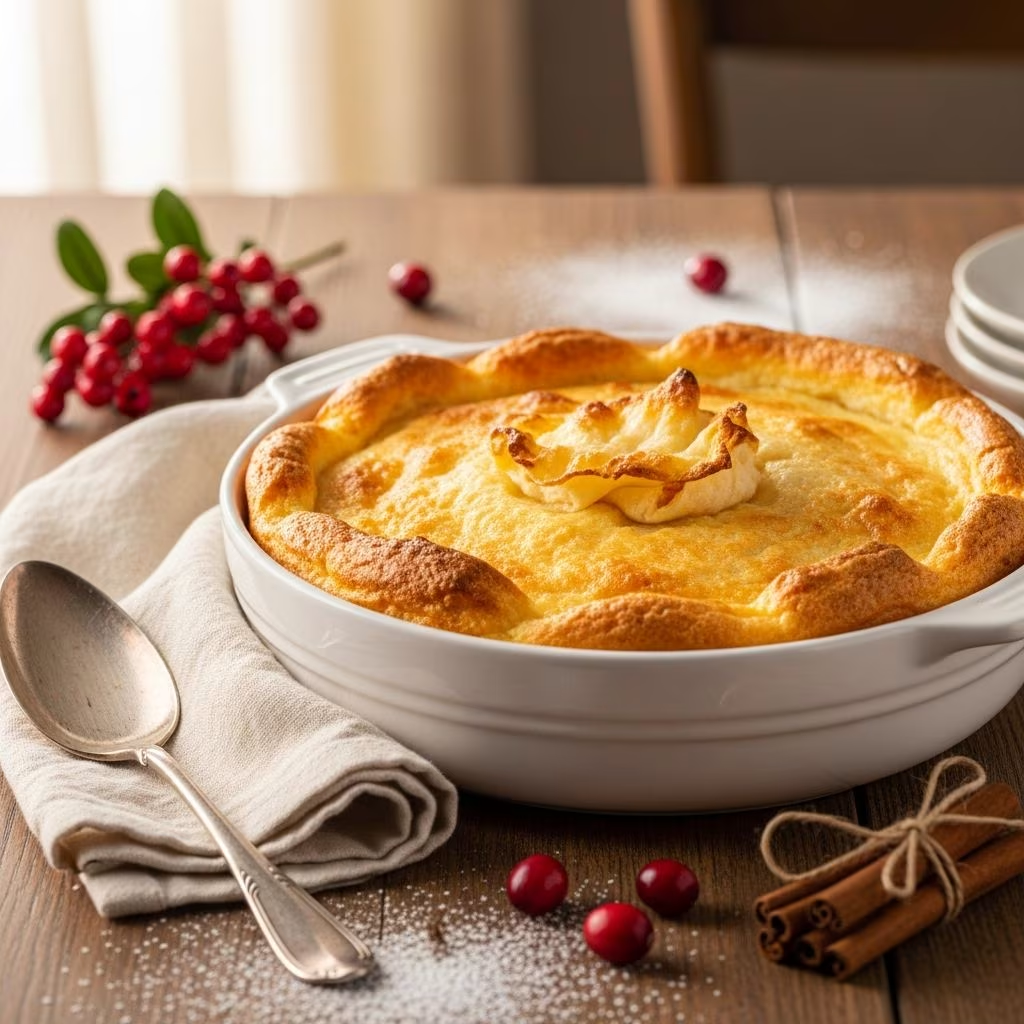
The blintz soufflé represents a beloved intersection of traditional Jewish cooking and elegant brunch presentation. This **casserole combines frozen cheese blintzes with a luxurious custard topping**, creating a dish that rises dramatically in the oven and delivers both substance and sophistication. Whether you’re preparing for a holiday breakfast or a casual weekend gathering, this recipe offers both simplicity and impressive results.
What makes this dish particularly appealing is its versatility. The foundation remains consistent—layered blintzes and a creamy mixture—yet you can adapt it to match your preferences and dietary needs. The soufflé’s light, airy texture belies how straightforward the preparation actually is, making it an excellent choice for home cooks at any skill level.
Essential Ingredients and Their Roles
The Core Components
Creating an excellent blintz soufflé requires understanding how each ingredient contributes to the final result. The recipe relies on a careful balance of dairy products, eggs, and subtle flavorings that work together to create the characteristic puffed texture.
- Frozen cheese blintzes—The foundation of this dish, typically requiring 12 blintzes (approximately two standard boxes). Brands like Golden and Trader Joe’s are commonly recommended. It’s crucial to use them frozen; thawing compromises the texture and structural integrity.
- Unsalted butter—Usually between 3 to 8 ounces, depending on the recipe variation. Butter creates a rich base layer and contributes to the golden-brown exterior.
- Sour cream—The primary dairy component, typically ranging from 1 to 2 cups. This ingredient creates the creamy custard mixture and adds subtle tanginess.
- Eggs—Usually 4 to 6 large eggs that provide structure and help the soufflé rise. Room-temperature eggs blend more smoothly into the batter.
- Granulated sugar—Typically ¼ cup to ⅓ cup, adding sweetness that balances the savory cheese filling.
- Orange juice—Fresh or bottled, usually ½ cup, contributing a subtle citrus note that enhances the overall flavor profile.
- Vanilla extract—A small amount (½ to 2 teaspoons) that adds depth without overpowering other flavors.
- Baking powder and flour—Some variations include these leavening agents to increase the soufflé effect, though simpler recipes omit them.
Preparation Methods: Two Approaches
The Simple Method
For those seeking maximum convenience, the straightforward approach eliminates extra steps while maintaining excellent results. This method involves arranging frozen blintzes directly in a buttered baking dish, then pouring a simple egg and sour cream mixture over them. The components are whisked together, creating a smooth custard that bakes into a light, pillowy texture.
The Enhanced Method
An alternative approach adds an intermediate layer between the blintzes and the final custard topping. This version involves creating a batter using flour and baking powder, which gets spread partially over the blintzes. A separate cheese filling—made from cream cheese, cottage cheese, and egg yolks—sits between two layers of batter. This technique creates more distinct layers and can produce an even more impressive rise during baking.
Step-by-Step Preparation Guide
Oven Setup and Initial Steps
- Preheat your oven to 350°F, positioning the rack at center height for even heat distribution.
- Select a 9 by 13-inch casserole dish, preferably glass or ceramic for even baking.
- Melt 3 to 8 ounces of unsalted butter, depending on your recipe choice.
- Distribute half the melted butter evenly across the dish bottom.
Arranging the Blintzes
- Place 12 frozen cheese blintzes directly from the freezer into the buttered dish.
- Arrange them tightly in rows, typically creating two rows of six blintzes each.
- Drizzle the remaining melted butter over the top surface.
- Don’t worry about achieving a perfectly even coating—the butter will distribute during baking.
Creating the Custard Mixture
- Combine eggs, sour cream, sugar, orange juice, vanilla extract, and any additional ingredients in a blender or food processor.
- Blend on high speed for approximately one minute until the mixture achieves a completely smooth consistency.
- Alternatively, whisk ingredients by hand in a medium bowl if kitchen equipment is unavailable.
- Ensure no lumps remain in the final mixture.
Combining and Baking
- Pour the custard mixture over and around the arranged blintzes until nearly completely covered.
- Allow the mixture to settle between the blintzes for a moment before placing in the oven.
- Bake uncovered for 45 to 60 minutes, depending on your oven’s characteristics.
- The soufflé is ready when the top develops a deep golden-brown color and the mixture puffs noticeably.
- If browning appears uneven, gently rotate the casserole dish midway through baking.
Managing Texture and Appearance During Baking
The blintz soufflé’s dramatic rise during baking represents one of its most appealing characteristics. The eggs in the custard mixture create air pockets that expand when heated, causing the casserole to puff upward significantly. This visual transformation makes the dish particularly impressive when presented at the table.
It’s important to note that some deflation occurs after removal from the oven—this is completely normal and doesn’t negatively impact texture or taste. The interior remains light and airy even as the exterior settles slightly. Allowing the casserole to cool briefly before cutting helps maintain its structural integrity during plating.
Make-Ahead Options and Storage
One significant advantage of this recipe is its flexibility regarding preparation timing. The unbaked soufflé can be covered and refrigerated for several hours or even overnight before baking. This feature makes it particularly valuable for entertaining, allowing you to complete the labor-intensive assembly portion in advance.
Before baking a refrigerated soufflé, bring it to room temperature for optimal results. This step ensures even cooking throughout the casserole and promotes proper rising. Simply allow the dish to sit on the counter for 20 to 30 minutes before placing it in the preheated oven.
Serving Suggestions and Flavor Pairings
Traditional Accompaniments
The classic pairing for blintz soufflé involves serving it with additional sour cream on the side, allowing guests to add as much as they prefer. A light dusting of granulated sugar over individual servings adds subtle sweetness that complements the rich cheese filling.
Fruit-Based Toppings
Fruit selections dramatically enhance this dish’s appeal and flavor profile. **Blueberry compote or syrup** provides tartness that balances the custard’s richness. **Raspberry or strawberry preserves** offer a jammy sweetness that pairs beautifully with the cheese. Mixed berry options allow for more complex flavor combinations. For those preferring homemade preparations, fresh berry sauces create an elegant presentation.
Optimal Serving Times
While this casserole works excellently for breakfast or brunch applications, it also functions well as a dessert course. The versatility of its flavor profile accommodates either sweet or savory meal contexts. Many families traditionally serve it on Christmas Eve or during other significant holidays.
Creative Variations and Adaptations
Flavor Enhancements
| Variation | Ingredient Addition | Effect |
|---|---|---|
| Citrus Brightness | Lemon zest (1-2 teaspoons) | Adds fresh, vibrant citrus notes to the custard |
| Warm Spice | Ground cinnamon (sprinkled on top) | Complements the sweetness and cheese flavor |
| Alternative Blintzes | Blueberry-filled blintzes | Creates integrated berry flavor throughout |
| Tangier Custard | Greek yogurt instead of sour cream | Increases protein content and tang |
Dietary Accommodations
The recipe’s straightforward ingredient list makes it relatively adaptable for various dietary preferences. Greek yogurt can substitute for sour cream in a 1:1 ratio, maintaining creaminess while adjusting flavor profile. Some cooks experiment with reduced-fat dairy options, though this may slightly affect the final texture’s richness.
Troubleshooting Common Issues
When the Soufflé Doesn’t Rise Adequately
Insufficient rising typically results from using room-temperature eggs instead of cold ones, or from opening the oven door too frequently during baking. Ensure eggs are at room temperature before blending, and resist checking on the casserole until at least 40 minutes have passed.
Uneven Browning Concerns
If one section of the casserole browns significantly faster than others, gently rotate the dish halfway through baking. Some ovens have hot spots that require this adjustment for uniform color development.
Custard Separation or Curdling
This typically occurs from overheating or insufficient blending of ingredients. Ensure your custard mixture is completely smooth before pouring over blintzes. Use medium oven temperature rather than higher settings to prevent this issue.
Nutritional Considerations
The blintz soufflé represents a rich, protein-dense dish due to its eggs, dairy, and cheese filling components. Individual portions typically provide substantial nutritional content, particularly in fat and protein categories. The casserole works best as part of a balanced meal rather than as a standalone course, potentially accompanied by fresh fruit salads or vegetables to round out the dining experience.
Cultural Significance and Holiday Connections
This dish holds particular importance in Jewish culinary traditions, often appearing at significant occasions like Shavuot, which celebrates the giving of the Torah and traditionally emphasizes dairy foods. Many families prepare blintz soufflé during Christmas Eve festivities, creating a cherished breakfast tradition. The recipe’s presence across multiple cultural celebrations demonstrates its universal appeal and adaptability to various festive occasions.
Final Thoughts on Mastering This Classic
Creating an impressive blintz soufflé doesn’t require advanced culinary skills or obscure ingredients. The recipe’s fundamental simplicity belies the elegant results it produces, making it an excellent choice for home cooks seeking to expand their entertaining repertoire. By understanding the role each ingredient plays and following the basic preparation guidelines, anyone can confidently prepare this **stunning casserole** that combines traditional appeal with modern convenience.
Frequently Asked Questions
Can I prepare this casserole completely in advance?
Yes, the unbaked soufflé can be covered and refrigerated overnight. Bring it to room temperature before baking for best results.
What if I don’t have a blender or food processor?
You can whisk all custard ingredients by hand in a medium bowl or use an electric mixer. The goal is achieving a smooth, lump-free mixture.
Is there a difference between using frozen versus homemade blintzes?
While homemade blintzes can work, frozen varieties are specifically recommended for this recipe’s success. They maintain better structural integrity during baking.
How should leftovers be stored?
Cover and refrigerate leftover soufflé for up to three days. Reheat gently in a 300°F oven to maintain texture.
Can I substitute the orange juice with another liquid?
Apple juice or lemon juice work as alternatives, though orange juice provides the traditional flavor profile. Milk can also substitute if you prefer a more subtle citrus element.
References
- Blintz Soufflé Recipe (Step-by-Step Photos) — Savory Simple. 2024. https://www.savorysimple.net/blintz-souffle-recipe/
- Blintz Soufflé with Blueberry Sauce — What A Girl Eats. 2012. https://whatagirleats.com/blintz-souffle-blueberry-sauce/
- Cheese Blintz Soufflé Recipe — Positively Stacey. 2015. https://positivelystacey.com/2015/12/cheese-blintz-souffle-recipe/
- Easy Blintz Soufflé Casserole — Dana’s Table. 2024. https://danastable.com/easy-blintz-souffle-casserole/
- Grandma Lucille’s Blintz Souffle — Reform Judaism. https://reformjudaism.org/reform-jewish-life/food-recipes/grandma-lucilles-blintz-souffle