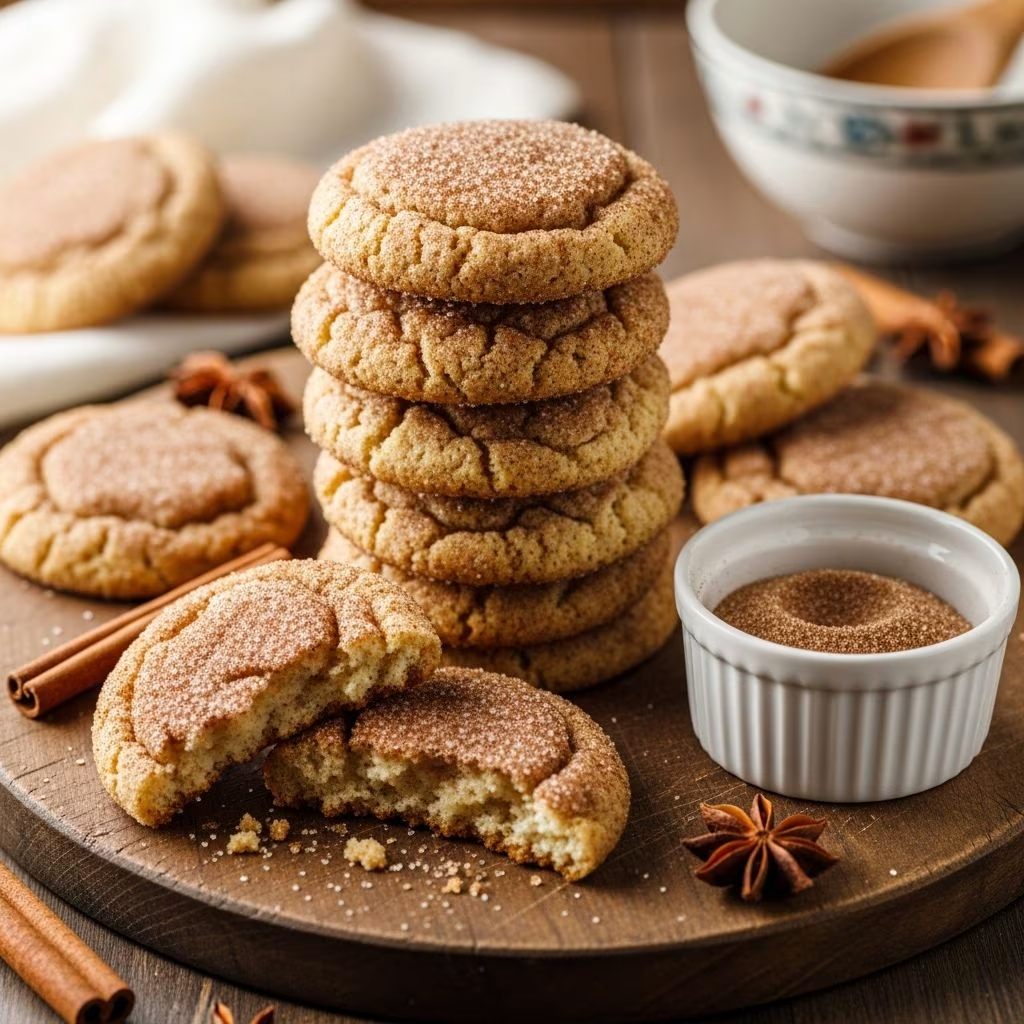
Cinnamon sugar cookies represent one of the most beloved and nostalgic treats in American baking tradition. These delightful confections combine the warmth of spice with the comfort of a simple butter cookie, creating a timeless dessert that appeals to both children and adults alike. The distinctive flavor profile—aromatic cinnamon enveloping a tender, buttery center—makes these cookies instantly recognizable and perpetually crave-worthy. Whether you’re planning a baking session for family gatherings or simply want to satisfy a sweet craving, understanding the fundamentals of making these cookies ensures consistently delicious results.
Understanding the Essential Ingredients
The foundation of exceptional cinnamon sugar cookies rests upon quality ingredients combined in precise proportions. Each component plays a critical role in developing the cookie’s signature texture and taste.
The Dry Components
All-purpose flour serves as the structural foundation of your cookie dough, typically requiring between 2¾ to 3 cups depending on your recipe variation. The flour provides the necessary gluten network that gives cookies their characteristic bite and structure. Cream of tartar, often overlooked in conventional baking, functions as a crucial ingredient that contributes both tanginess and chewiness to the final product. Using approximately 2 teaspoons ensures the proper acid-base reaction when combined with baking soda. Baking soda acts as the leavening agent, creating the slight rise and tender crumb that distinguishes well-made cookies from dense, flat versions. Salt, though used sparingly at ½ teaspoon, amplifies the sweetness and balances the overall flavor profile, preventing the cookies from becoming cloying.
The Wet Ingredients
Unsalted butter, softened to precisely the right consistency, forms the rich, flavorful base of your dough. The butter should be soft enough that pressing your finger leaves a slight indent, yet firm enough to maintain its structure. This balance is essential—butter that’s too warm will result in flat cookies that spread excessively, while overly firm butter won’t incorporate smoothly, leading to dense, tough cookies. Granulated sugar, measuring approximately 1½ cups, sweetens the dough and contributes to the cookie’s texture. Sugar crystals create pockets in the dough that expand during baking, producing the characteristic slightly crispy exterior and chewy interior.
Eggs, typically two large eggs at room temperature, provide moisture and binding power. Room-temperature eggs incorporate more thoroughly into the butter-sugar mixture, creating a smoother, more cohesive dough. Vanilla extract adds warmth and complexity to the flavor, enhancing the overall taste without dominating it. One teaspoon is generally sufficient to provide noticeable vanilla character without overpowering the cinnamon spice.
The Cinnamon Sugar Coating
The coating represents what many consider the best part of these cookies. A simple mixture of granulated sugar and ground cinnamon—typically ⅓ cup sugar combined with 2 tablespoons cinnamon—creates the distinctive exterior. Quality cinnamon makes a notable difference here; fresh, aromatic cinnamon produces a more vibrant, appealing flavor than stale varieties that have lost potency during extended storage.
Preparing Your Workspace and Equipment
Success in cookie baking begins before you combine any ingredients. Gather all materials and prepare your workspace to create a streamlined baking process.
- Preheat your oven to 350°F, allowing it to reach the target temperature before placing cookies inside
- Line baking sheets with parchment paper or silicone baking mats to prevent sticking and ensure even browning
- Measure all ingredients before beginning, using the spoon-and-level method for flour to avoid compacting
- Bring eggs to room temperature by leaving them on the counter for 15-20 minutes
- Soften butter by leaving it at room temperature for 30-45 minutes until it reaches the ideal consistency
The Step-by-Step Baking Process
Combining Dry Ingredients
Begin by whisking together your flour, cream of tartar, baking soda, and salt in a medium bowl. This dry mixture should be thoroughly combined to ensure even distribution of the leavening agents, which promotes consistent rising and texture throughout your batch. Setting this aside before you begin working with wet ingredients prevents overmixing, which can develop gluten and create tough cookies.
Creaming Butter and Sugar
In a stand mixer or using a hand mixer, combine your softened butter with granulated sugar. Beat this mixture for approximately 2-3 minutes until it becomes light, fluffy, and noticeably paler in color. This creaming process incorporates air into the dough, contributing to a lighter texture and promoting proper spreading during baking. The mixture should have a consistency similar to whipped frosting.
Incorporating Eggs and Vanilla
Add your room-temperature eggs one at a time, beating well after each addition to ensure thorough incorporation. Pour in the vanilla extract and mix until completely blended. This step creates an emulsion that helps bind all the ingredients together, resulting in a smoother, more cohesive dough.
Combining Wet and Dry Mixtures
Gradually add your prepared dry ingredients to the wet mixture, mixing on low speed until just combined. Avoid overmixing at this stage, as excessive stirring develops gluten and creates tough cookies. Mix only until you no longer see streaks of flour.
Shaping and Coating
Using a cookie scoop or your hands, roll the dough into uniform 1-inch balls. Place your cinnamon-sugar mixture in a shallow bowl and roll each dough ball thoroughly in the coating. Many bakers recommend a double-coating technique—rolling each ball once, then immediately rolling a second time—to create a thicker, more pronounced cinnamon sugar layer that doesn’t completely cook off during baking.
Baking to Perfection
Space your coated dough balls approximately 2 inches apart on your prepared baking sheets. Bake for 8-12 minutes, depending on your oven’s characteristics and whether you prefer softer or crispier cookies. The cookies should be golden brown around the edges while the centers remain slightly underbaked and soft. Let them rest on the baking sheet for 2-3 minutes before transferring to a wire rack to cool completely.
Texture Variations and Personal Preferences
| Cookie Style | Baking Time | Characteristics | Best For |
|---|---|---|---|
| Soft and Chewy | 8-9 minutes | Tender interior, slight underbake | Fresh eating, immediate consumption |
| Medium Texture | 10-11 minutes | Balanced softness and structure | General preference, storage |
| Crispy Exterior | 12-13 minutes | Crisp edges, firm center | Dunking in coffee or milk |
Ingredient Substitutions and Modifications
While the classic recipe yields excellent results, several substitutions work effectively for dietary preferences or ingredient availability.
Leavening Agent Alternatives
If you lack cream of tartar, substitute by combining 2 teaspoons baking powder with ½ teaspoon lemon juice or white vinegar. This combination replicates the acid-base reaction, though the resulting tang will be slightly less pronounced than the traditional cream of tartar version.
Sugar Variations
Some bakers incorporate brown sugar into the dough, using 1 cup granulated sugar and ⅓ cup brown sugar for a deeper, more complex molasses flavor. This modification produces slightly chewier cookies with enhanced depth.
Vanilla Alternatives
For more sophisticated flavor development, consider using almond extract, using only ½ teaspoon due to its concentrated flavor, or combining vanilla with a pinch of nutmeg for warmer spice notes.
Troubleshooting Common Baking Issues
Flat, Spreaded Cookies
This typically indicates overly soft butter or insufficient chilling. Ensure your butter is just barely softened, and if your kitchen is particularly warm, chill the dough for 20-30 minutes before baking.
Dense, Cake-Like Texture
Dense cookies usually result from overmixing the dough, which develops gluten and creates a tougher crumb. Mix only until ingredients are just combined, leaving some slight streaks of flour.
Cookies Browning Too Quickly
Dark edges with underbaked centers suggest oven temperature is too high. Use an oven thermometer to verify accuracy, and consider reducing temperature by 25°F if necessary.
Coating Falling Off
Insufficient coating adhesion indicates the dough balls aren’t moist enough. Ensure you’re not over-mixing the dough, which prevents proper moisture retention, and use the double-coating technique for better adhesion.
Storage and Longevity
Properly stored cinnamon sugar cookies maintain quality for up to one week at room temperature. Place cooled cookies in an airtight container, preferably with parchment paper separating layers to prevent sticking. For extended storage, freeze cookies for up to three months in freezer-safe containers, thawing them at room temperature when ready to serve.
Frequently Asked Questions
Why are my cookies too cakey?
Cakey texture typically results from too much flour or overmixing the dough. Use the spoon-and-level method for flour measurement, and mix only until ingredients are just combined.
Can I make the dough ahead of time?
Yes, you can refrigerate dough for up to 48 hours before baking. This actually improves flavor development. Simply shape into balls, coat with cinnamon sugar, and bake when ready.
What’s the difference between cream of tartar and baking powder?
Cream of tartar is an acid that reacts with baking soda to produce lift. Baking powder contains both an acid and base. Using cream of tartar separately allows greater control over texture and tang.
How do I prevent cookies from spreading too much?
Slightly chill the dough before baking, ensure your butter isn’t too soft, and use parchment paper on baking sheets. Also verify your oven temperature isn’t too high.
Can I use salted butter?
While unsalted butter is preferred for recipe accuracy, salted butter works in a pinch. Simply reduce the added salt by ¼ teaspoon to account for the salt already present in the butter.
Elevating Your Cookie Technique
Mastering cinnamon sugar cookies opens doors to variations and creative adaptations. Consider experimenting with different cinnamon varieties—Ceylon cinnamon offers a milder, sweeter profile compared to Cassia cinnamon’s stronger spice. You might also explore adding complementary spices like cardamom, ginger, or cloves for more complex flavor dimensions.
The double-coating technique, while simple, dramatically enhances the visual appeal and flavor intensity of the final product. Taking time to perfect your creaming technique ensures optimal texture development. Understanding how oven characteristics affect baking results—recognizing that dark pans bake faster than light ones, for instance—empowers you to adjust recipes to your specific kitchen.
With practice and attention to detail, you’ll develop the intuitive understanding that separates good cookies from exceptional ones. These cinnamon sugar cookies represent a perfect entry point into refined home baking, offering immediate gratification while teaching fundamental techniques applicable to countless other recipes.
References
- The Science of Baking: Understanding Chemical Reactions in Baked Goods — American Institute of Baking. 2023. https://www.aibonline.org/
- Food Safety Guidelines for Home Baking — U.S. Food and Drug Administration. 2024. https://www.fda.gov/
- Ingredient Quality and Storage Best Practices — United States Department of Agriculture. 2023. https://www.usda.gov/
- Temperature Control in Home Ovens — National Institute of Standards and Technology. 2024. https://www.nist.gov/