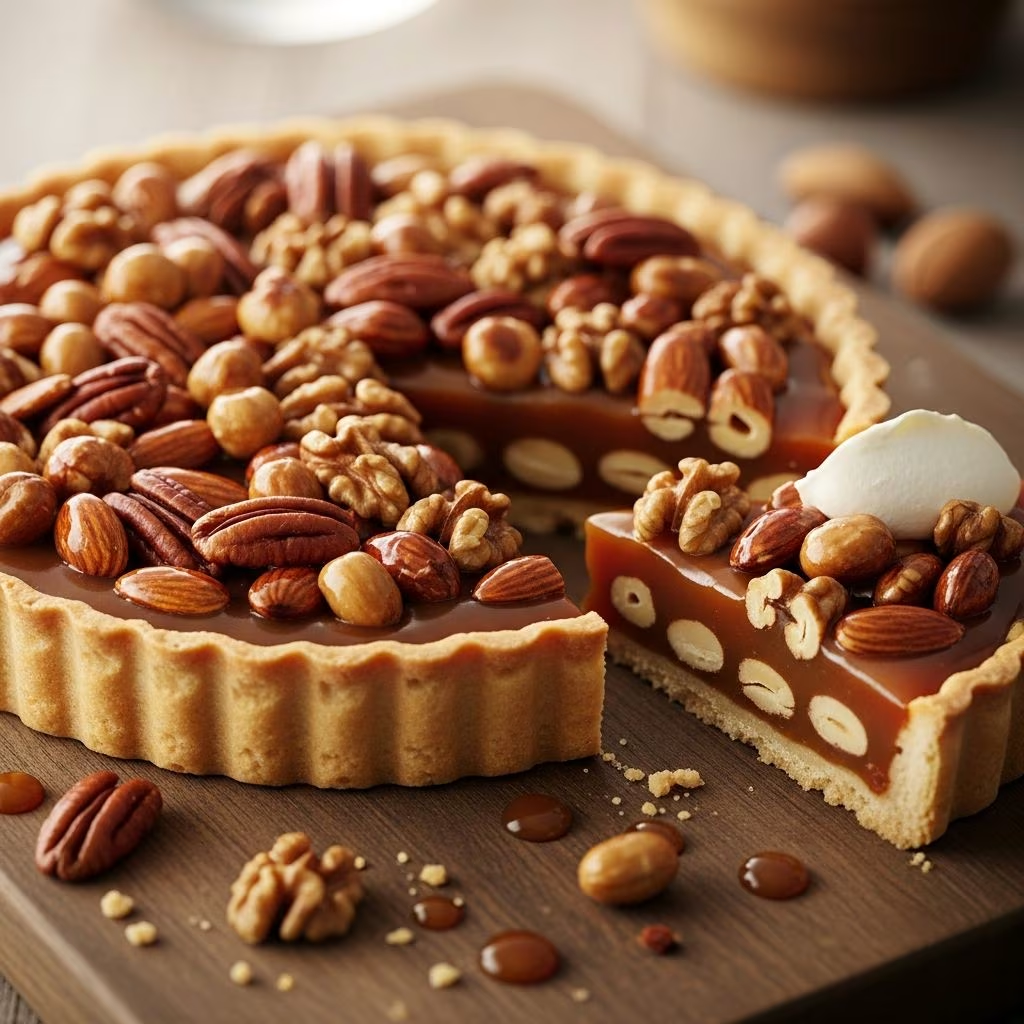
A caramel nut tart represents one of the most sophisticated desserts you can create in your kitchen. This elegant confection combines the richness of buttery pastry, the depth of perfectly roasted nuts, and the luxurious sweetness of homemade caramel into a single showstopping dessert. Whether you’re preparing for a special occasion or simply indulging in an impressive homemade treat, understanding the fundamentals of tart construction will elevate your baking repertoire.
Understanding the Foundation: Building Your Pastry Base
The success of any tart begins with its foundation. The pastry shell serves as both a structural support and a flavor component that must complement rather than compete with your filling. A well-constructed tart shell should offer a delicate crumb, subtle butter flavor, and structural integrity to contain your caramel and nuts without becoming soggy.
Selecting Your Pastry Approach
When considering pastry options, you have several viable paths. A short-crust pastry made with flour, butter, and minimal liquid creates a tender, crumbly texture that pairs beautifully with rich fillings. Alternatively, some bakers prefer using cream cheese in their dough, which adds richness and slightly reduces gluten development for an exceptionally tender crumb. For those seeking convenience without sacrificing quality, pre-made pie crusts offer a reliable option when time constraints become a factor.
The critical consideration lies in balancing sweetness levels throughout your dessert. When your filling features prominent caramel notes, employing a savory or lightly sweetened pastry prevents the overall dessert from becoming cloying. This thoughtful flavor architecture demonstrates the difference between a competent dessert and a truly memorable one.
Pastry Preparation and Prebaking
Proper pastry preparation requires attention to temperature and technique. Begin by combining your dry ingredients thoroughly, then work cold butter into the flour mixture until it resembles coarse breadcrumbs. This methodology creates the distinct layers that produce a flaky texture. Add liquid gradually, using just enough to bring the dough together without overworking it.
Once your dough comes together, press it firmly into your tart pan, ensuring even coverage along the bottom and sides. Freezing the shaped dough for at least thirty minutes before baking prevents shrinkage during the prebaking process. Line your shell with aluminum foil and fill with pie weights to maintain shape during initial baking. Prebake at 400°F for approximately ten minutes, then remove weights and foil, reduce temperature to 375°F, and continue baking until lightly golden, approximately fifteen to twenty additional minutes. This prebaking step ensures your crust remains crispy rather than becoming soft from moisture in the filling.
The Nut Component: Selection and Preparation
Nuts represent far more than mere toppings in a caramel tart—they contribute essential textural contrast, nutritional value, and sophisticated flavor complexity. The selection and preparation of your nuts significantly influences the final result.
Choosing Your Nut Combination
While some tarts feature a single nut variety, combining multiple types creates interesting flavor and texture dimensions. A traditional five-nut combination might include hazelnuts, sliced almonds, chopped walnuts, and pecans. Hazelnuts contribute a delicate, slightly sweet flavor and elegant appearance when properly skinned. Almonds offer subtle earthiness and graceful aesthetics when sliced. Walnuts provide robust flavor and satisfying bite, while pecans add buttery richness.
You might consider the following nut selections based on availability and personal preference:
- Hazelnuts for their delicate flavor and elegant presentation
- Almonds for textural interest and mild sweetness
- Walnuts for robust, earthy characteristics
- Pecans for buttery richness and slightly sweet notes
- Macadamia nuts for luxurious, buttery texture
- Pistachios for unique flavor and visual appeal
Proper Nut Preparation Techniques
Preparation significantly influences both flavor and appearance. Hazelnuts benefit from a specific process: bring water to a boil with baking soda, add hazelnuts, and boil for thirty seconds. Transfer immediately to a kitchen towel and rub vigorously to remove skins. This simple technique prevents bitterness and creates an attractive appearance in your finished tart. After skinning, chop hazelnuts into coarse pieces.
Other nuts benefit from light roasting before incorporation into your tart. Spread prepared nuts on a baking sheet and bake at 375°F for three to five minutes until lightly golden and fragrant. This roasting process deepens flavor compounds and adds subtle complexity that distinguishes homemade tarts from ordinary versions.
Mastering Caramel: Technique and Science
Caramel represents the soul of this dessert, and creating silky, perfectly set caramel requires understanding both technique and chemistry. The transformation of sugar into caramel involves precise temperature management and careful ingredient handling.
The Caramel-Making Process
Begin by combining sugar and water in a heavy-bottomed saucepan over medium-high heat. Allow the mixture to reach a gentle boil without stirring—agitation can cause crystallization. Once the mixture boils, maintain consistent heat while observing color development. The sugar will progress from clear to pale amber, then medium amber, and finally dark amber. Remove from heat when it reaches your desired shade, as residual heat will continue the caramelization process.
The most critical step involves adding cream and butter, which causes vigorous bubbling. Careful attention prevents dangerous steam burns. Whisk in warmed cream slowly and deliberately, maintaining awareness of the violent reaction occurring in your pan. Once the bubbling subsides, add softened butter in pieces, stirring until completely incorporated. Finally, stir in honey, salt, and your prepared nuts, then allow the mixture to cool for approximately fifteen minutes before transfer to your prebaked shell.
Achieving the Ideal Consistency
The consistency of your caramel filling depends on the specific balance between sugar and cream quantities. Heavier cream ratios produce creamier, softer sets, while reduced cream results in firmer, more defined texture. Most recipes aim for a texture that remains spreadable but holds its shape on the tart, creating that signature combination of creamy white and russet-caramel colors with dotted holes appearing on the surface during baking.
Assembly and Baking Considerations
Once your pastry shell cools and your caramel and nuts combine, assembly becomes straightforward but requires careful attention to detail. Pour the nut-caramel mixture into your prebaked tart shell, using an offset spatula to spread evenly if necessary. Place the filled tart on a baking sheet for easier handling and transfer to the oven.
Bake at 375°F for thirty to thirty-five minutes. Your tart is properly baked when the top displays that distinctive combination of creamy white and caramel brown coloring with small holes throughout the surface. These holes indicate proper moisture evaporation and filling set. Overbaking risks a crust that becomes too dark or filling that becomes excessively firm and loses its silky quality.
After removing from the oven, allow your tart to rest on a cooling rack for fifteen minutes. This resting period allows the filling to set properly, making removal from the tart pan feasible without causing structural damage. Remove the pan sides gently and slide the finished tart onto a serving plate. Complete cooling at room temperature for at least two hours before slicing allows the caramel to achieve its final, optimal texture.
Flavor Pairing and Presentation
The richness and depth of a caramel nut tart invites thoughtful beverage pairings. An aged tawny port, particularly Portuguese varieties aged ten to twenty years, harmonizes beautifully with the meaty nuts and buttery caramel. The wine’s oak-influenced sweetness and oxidized character create a sophisticated accompaniment. For non-alcoholic options, strong coffee or hot chocolate complement the tart’s richness without overwhelming the palate.
Presentation enhances the tart’s appeal. Dust with fleur de sel before serving to highlight the caramel’s sweetness, or drizzle with melted dark chocolate across the top for additional sophistication. Serving at room temperature allows all flavor components to register fully on the palate, avoiding the muting effects that cold temperatures produce.
Storage and Make-Ahead Strategies
The pastry benefits from advance preparation. Making your dough one day ahead improves flavor development as gluten relaxes and flavors meld. Wrap finished dough tightly and refrigerate overnight before shaping and prebaking.
Once baked and cooled, your finished tart maintains quality for three to four days when stored in an airtight container at room temperature. The tart should not be refrigerated, as cold temperatures can cause filling to become overly firm and crust to lose desirable crispness. If you must refrigerate, allow the tart to return to room temperature for one hour before serving.
Troubleshooting Common Challenges
Several issues commonly arise during tart preparation, but understanding solutions prevents disappointment:
| Challenge | Cause | Solution |
|---|---|---|
| Crust shrinks during baking | Insufficient freezing or overworking dough | Freeze dough at least 30 minutes; handle gently to minimize gluten development |
| Caramel becomes grainy | Crystallization from stirring or temperature fluctuations | Avoid stirring; maintain consistent medium-high heat; use wet pastry brush to prevent crystals |
| Filling separates from crust | Inadequate shell cooling before filling | Allow prebaked shell to cool completely before adding caramel mixture |
| Overly hard or chewy filling | Over-reduced caramel or excessive baking time | Monitor baking carefully; remove when surface shows characteristic holes |
Variations and Creative Adaptations
While the classic caramel nut tart stands excellently on its own, numerous variations expand creative possibilities. Incorporating a thin layer of dark chocolate between crust and caramel adds richness and prevents potential sogginess. Topping with a chocolate drizzle after baking creates visual interest and additional flavor complexity. Some bakers experiment with alternative nuts or combine nuts with seeds for textural variety.
Salt becomes a crucial variable in modern preparations. While traditional recipes include modest salt quantities, the contemporary appreciation for salted caramel suggests increasing salt to approximately three-quarters teaspoon or adding fleur de sel as a finishing touch to amplify the interplay between sweet and savory elements.
Frequently Asked Questions
Can I use store-bought caramel in my tart?
While store-bought caramel offers convenience, homemade versions provide superior flavor depth and control over consistency. If using prepared caramel, ensure it reaches room temperature and adjust density with cream if necessary for proper spreadability and baking results.
What substitutes work if I lack specific nuts?
Most nuts perform adequately in caramel tarts. Substitute unavailable varieties with equal quantities of alternative nuts. Maintain consistent total nut volume, typically three cups, to ensure proper filling texture and nut presence throughout.
How do I prevent a soggy crust?
Thorough prebaking followed by complete cooling before filling application prevents moisture absorption. Some bakers apply a thin chocolate layer to the crust interior, creating a moisture barrier that preserves crispness.
Can this tart be frozen?
Freeze baked, cooled tarts in airtight containers for up to one month. Thaw at room temperature for two to three hours before serving. Freezing preserves quality but may slightly soften the crust texture compared to freshly baked versions.
References
- Williams-Sonoma Recipe Collection — Williams-Sonoma, Inc. 2024. https://www.williams-sonoma.com/recipe/caramelized-nut-tart.html
- The Splendid Table: Five-Nut Caramel Tart — American Public Media. 2011. https://www.splendidtable.org/story/2011/10/01/five-nut-caramel-tart
- How to Make a Perfect Caramel Nut Tart — FoodCrumbles. 2024. https://foodcrumbles.com/caramel-nut-tart/
- French Walnut-Caramel Tart — Bigger Bolder Baking. 2024. https://www.biggerbolderbaking.com/french-walnut-caramel-tart/
- Caramel Nut Tart Recipe — Snackworks. 2024. https://www.snackworks.com/recipes/caramel-nut-tart-68926/