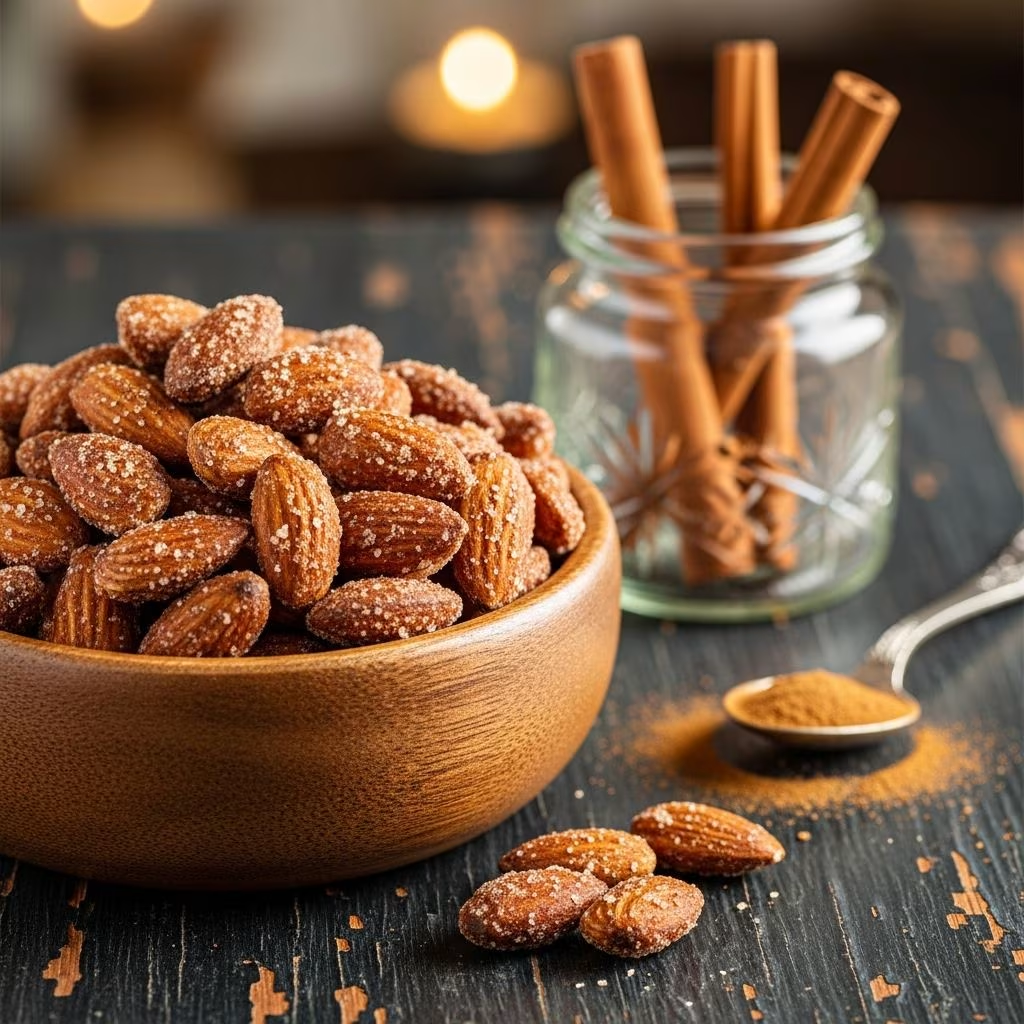
Cinnamon roasted almonds represent an ideal intersection of flavor, convenience, and nutritional value for health-conscious snackers. Whether you prefer them as a standalone treat, a salad component, or an edible gift, mastering the art of preparing these delightful nuts at home allows you to control ingredients while achieving superior taste compared to many commercial varieties. The process requires minimal equipment and readily available pantry staples, making it accessible to home cooks of all skill levels.
Understanding the Two Primary Preparation Methods
Home cooks have traditionally employed two distinct approaches when creating cinnamon roasted almonds: the oven-roasting technique and the stovetop crystallization method. Each approach offers unique advantages depending on your time constraints, kitchen equipment, and desired texture outcomes. Understanding the nuances of both methods empowers you to select the approach that best suits your needs.
The Low-and-Slow Oven Method
The oven-based approach involves coating almonds with a mixture combining egg white, sugar, cinnamon, and salt, then baking them at a low temperature for an extended duration. This technique produces almonds with a delicate, crispy exterior and maintains the nut’s natural moisture balance. The extended baking period at reduced heat (typically 250°F) ensures even coating development and allows the sugar to caramelize gradually without burning the delicate almonds beneath.
This method requires approximately one hour of baking time with periodic stirring to promote uniform heat distribution. The reduced temperature setting proves crucial—it prevents the sugar coating from scorching while allowing the almonds to toast through their interior, developing deeper flavor complexity. Many experienced home cooks recommend stirring every fifteen minutes throughout the baking cycle, ensuring no almonds remain stationary long enough to burn or stick to the pan.
The Rapid Stovetop Approach
The stovetop method offers a faster alternative for those seeking quicker results. This technique involves heating water, sugar, and cinnamon in a pan until the sugar dissolves, then adding raw almonds and stirring constantly while the liquid evaporates. The water rapidly dissipates through continuous stirring, leaving behind a crystallized sugar coating that adheres directly to each almond’s surface. This method typically completes within ten to fifteen minutes, making it ideal for spontaneous cravings or last-minute snacking needs.
The stovetop approach demands attentive stirring—interruptions longer than a minute or two can result in uneven coating or burning. The constant motion prevents sugar crystallization from occurring unevenly and ensures thorough coating distribution. Many cooks find the speed and simplicity of this method particularly appealing for weekday snack preparation or small-batch creations.
Essential Ingredients and Flavor Foundations
The basic ingredient profile for cinnamon roasted almonds remains remarkably simple, though variations exist depending on your chosen preparation method and desired flavor intensity.
Core Ingredient Components
- Raw almonds: The foundation of the recipe, typically ranging from one to four cups depending on batch size. Whole, unsalted almonds work best as they provide a neutral canvas for the cinnamon-sugar coating.
- Granulated sugar: Provides sweetness and creates the crystallized exterior. Most recipes incorporate between half and one cup, though variations exist based on desired sweetness intensity.
- Ground cinnamon: The signature flavor element, usually ranging from one-half to two teaspoons. Higher quantities intensify the spice profile.
- Sea salt: Balances sweetness and enhances flavor complexity, typically one-quarter to one teaspoon.
- Egg white: Required for oven-based methods to create a binding agent that helps the sugar coating adhere. One large egg white typically suffices for most batches.
- Water: Either incorporated into stovetop cooking or used minimally in oven-based methods as part of the egg white mixture.
Optional Enhancement Ingredients
Creative home cooks frequently experiment with supplementary ingredients to create personalized flavor profiles. Brown sugar can replace a portion of granulated sugar, adding subtle caramel notes. Vanilla extract enhances overall depth and provides aromatic complexity. Some enthusiasts incorporate nutmeg, cardamom, or allspice for additional spice dimension. Honey or agave nectar offers alternatives to granulated sugar, particularly for those seeking healthier sweetening options with reduced crystalline texture.
Step-by-Step Preparation Guides
Oven-Roasted Method Instructions
- Preheat your oven to 250°F and prepare a large baking sheet by greasing it lightly. Note that parchment paper and aluminum foil can interfere with the coating development process, so direct contact between almonds and pan is preferable.
- In a small mixing bowl, combine granulated sugar (approximately three-quarters cup), ground cinnamon (two teaspoons), and sea salt (one teaspoon). Stir thoroughly to eliminate any lumps that might affect even coating distribution.
- In a separate large mixing bowl, whip one egg white with a fork or whisk until the mixture becomes frothy but not stiff. Add one tablespoon of vanilla extract and one-quarter teaspoon of water to create the binding mixture.
- Add four cups of raw almonds to the wet mixture and stir thoroughly until every almond receives contact with the egg white solution. Complete coating ensures even sugar distribution.
- Sprinkle the prepared sugar mixture over the coated almonds and toss continuously, scraping the bowl’s sides and bottom to incorporate all coating materials.
- Spread the mixture in a single, even layer across the prepared baking sheet. Distribute almonds so they don’t overlap, allowing even heat circulation.
- Place in the preheated oven and bake for exactly one hour, stirring thoroughly every fifteen minutes. Despite appearances suggesting earlier completion, the full hour ensures proper sugar crystallization and internal toasting.
- Remove from the oven and spread on a clean surface to cool completely before storing in an airtight container.
Stovetop Method Instructions
- Pour one-quarter cup of water into a nonstick skillet or saucepan and add one-half cup of granulated sugar and two teaspoons of cinnamon. Bring to a boil over medium heat, stirring occasionally until the sugar completely dissolves.
- Add two cups of raw almonds to the boiling mixture and reduce heat to medium-low. Stir constantly and vigorously with a wooden spoon or silicone spatula.
- Continue stirring as the water gradually evaporates. The mixture will transition from wet to thick to crystallized as moisture dissipates. This process typically requires eight to fifteen minutes depending on heat intensity.
- Immediately transfer the finished almonds to a prepared baking sheet or parchment paper as soon as the sugar fully crystallizes and forms a dry coating. Work quickly to prevent the coating from hardening excessively in the pan.
- Allow the almonds to cool completely before breaking apart any clusters and transferring to storage containers.
Ingredient Ratio Comparison and Flexibility
| Recipe Variation | Almonds | Sugar | Cinnamon | Cooking Method | Time |
|---|---|---|---|---|---|
| Traditional Oven-Roasted | 4 cups | ¾ cup granulated | 2 teaspoons | Oven at 250°F | 1 hour |
| Quick Stovetop Version | 2 cups | ½ cup granulated | 2 teaspoons | Stovetop pan | 10-15 minutes |
| Health-Conscious Alternative | 1 cup | ½ tablespoon agave | ½ teaspoon | Oven at 350°F | 10 minutes |
| Brown Sugar Variation | 3 cups | ⅔ cup white + ⅓ cup brown | 2 teaspoons | Oven at 300°F | 45-50 minutes |
Texture and Crispness Optimization Techniques
Achieving the ideal texture—crispy exterior with a satisfying crunch—requires understanding how various factors influence the final result. Temperature settings prove particularly influential; lower temperatures (250°F) promote gradual sugar crystallization and nut toasting without scorching, while slightly higher temperatures (300-350°F) accelerate the process but require more vigilant monitoring.
Stirring frequency directly impacts texture uniformity. Irregular stirring allows certain almonds to remain stationary against the hot pan surface, developing darker coloration and sometimes burning. Consistent stirring ensures all almonds experience equal heat exposure, resulting in uniform color and texture. The frequency recommendation of stirring every fifteen minutes during oven-baking represents a practical balance between texture optimization and kitchen convenience.
Cooling methodology influences final crispness. Spreading hot almonds on a cool surface rather than leaving them in the warm pan prevents continued cooking and residual heat damage. Complete cooling before storage is essential—storing warm almonds in airtight containers can trap moisture, leading to softening and loss of that desirable crunch.
Storage Solutions and Shelf Life Considerations
Properly stored cinnamon roasted almonds maintain their quality for extended periods. Airtight containers prove essential, as exposure to ambient humidity causes sugar absorption and texture degradation. Glass containers with tight-sealing lids or plastic containers with snap closures work effectively. Some enthusiasts employ vacuum-sealed bags for extended preservation.
Room temperature storage suffices for almonds intended for consumption within two weeks. For longer preservation, refrigeration extends shelf life to approximately one month, while freezer storage can maintain quality for three to six months. Frozen almonds thaw naturally at room temperature within hours without significant quality loss.
Layering parchment paper or paper towels between almonds in storage containers helps absorb any residual moisture and prevents clumping. Separating clusters while almonds are still warm facilitates easier storage organization.
Frequently Asked Questions
Can I substitute honey or agave for granulated sugar?
Yes, liquid sweeteners like honey or agave nectar create a different texture—smoother and less crystallized than traditional sugar versions. Use approximately half the volume of liquid sweetener compared to granulated sugar. Oven-roasting typically works better than stovetop methods with these alternatives, as they crystallize differently. The resulting almonds will have a glossy finish rather than the typical white crystallized coating.
Why do my almonds keep burning despite following instructions?
Burning typically results from several factors: oven temperature exceeding 250-300°F, insufficient stirring allowing almonds to contact hot pan surfaces too long, or using lower-quality almonds prone to quick darkening. Verify your oven temperature with a separate thermometer, as many home ovens run hot. Stir more frequently (every ten minutes rather than fifteen), and consider reducing heat temperature by 25-50°F if persistent burning occurs.
What’s the difference between candied and roasted almonds?
Cinnamon roasted almonds typically receive minimal additional roasting beyond what’s necessary for the cooking process, with primary flavor development coming from the sugar coating and cinnamon seasoning. Candied almonds specifically refer to varieties with heavier sugar coating application, often resulting in a sweeter, more crystalline exterior. The terms often overlap in common usage, with some recipes describing their products interchangeably.
Can I double the recipe without adjusting cooking times?
Doubling recipes requires careful consideration. Doubling ingredients without adjusting baking duration often results in uneven cooking, as the thicker almond layer doesn’t heat uniformly. When doubling, increase baking time by approximately 15-20 minutes and stir more frequently. Alternatively, divide the doubled batch between two baking sheets and bake simultaneously for more consistent results.
Are stovetop and oven methods truly interchangeable?
While both methods produce delicious cinnamon roasted almonds, they’re not perfectly interchangeable in terms of texture and process. Stovetop methods create a more crystalline, crunchier exterior but require constant attention and work best for smaller batches. Oven methods allow hands-off portions of the process, though they require longer overall time. Choose based on your available time, batch size preferences, and desired texture intensity.
Creative Serving and Application Ideas
Beyond eating directly from a bowl, cinnamon roasted almonds enhance numerous culinary applications. Sprinkle them over autumn salads, providing textural contrast alongside greens and vinaigrettes. Incorporate them into yogurt parfaits for added crunch and flavor complexity. Use them as salad toppings alongside dried cranberries or apples. Crush them coarsely and sprinkle over oatmeal, smoothie bowls, or ice cream. They also make exceptional edible gifts when placed in decorative containers or bags with simple labels describing flavor profiles and storage instructions.
Flavor Experimentation Framework
Once you’ve mastered the basic cinnamon version, consider experimenting with flavor variations. Reduce cinnamon to one-half teaspoon and add one-quarter teaspoon each of nutmeg and cardamom for warmth and complexity. Incorporate vanilla extract at slightly higher quantities (one-and-a-half teaspoons) for increased aromatic richness. Brown sugar substitution adds subtle caramel notes that complement the cinnamon beautifully. Sea salt quantity adjustments—increasing to one-half teaspoon—enhance overall flavor perception through salt’s amplifying effect on sweetness and spice.
Cinnamon roasted almonds represent an accessible entry point into homemade snack creation, offering superior taste and ingredient control compared to commercial alternatives while requiring minimal equipment and expertise. Whether you prefer the rapid stovetop method or the slower oven approach, the fundamental techniques remain straightforward enough for any home cook to execute successfully. Experimenting with ingredient ratios and complementary flavors allows personalization while maintaining the core appeal that makes these almonds perennially popular.
References
- Cinnamon Roasted Almond Recipe — Olivia Beth. 2015. https://oliviabeth.com/2015/12/cinnamon-roasted-almond-recipe/
- Cinnamon Roasted Almonds — Parker Baby Co. https://www.parkerbaby.com/blogs/parker-baby-co-blog/cinnamon-roasted-almonds
- Cinnamon Roasted Almonds — Greenletes. https://greenletes.com/cinnamon-roasted-almonds/
- Candied Almonds (Cinnamon Roasted Almonds) — Joy Food Sunshine. https://joyfoodsunshine.com/candied-almonds/
- Cinnamon Sugar Roasted Almonds — Shutterbean. 2025. https://www.shutterbean.com/2025/cinnamon-sugar-roasted-almonds/
- Easy Cinnamon Candied Almonds — Plated Cravings. https://platedcravings.com/easy-cinnamon-candied-almonds/