Creating beef stock from scratch represents one of the fundamental techniques in culinary arts, transforming simple ingredients into a deeply flavored foundation for countless dishes. Unlike commercially produced alternatives, homemade beef stock captures complex tastes and aromas that elevate soups, stews, sauces, and braised preparations. This comprehensive guide explores the methods, ingredients, and techniques necessary to produce restaurant-quality beef stock in your own kitchen.
Understanding the Foundation: Why Quality Ingredients Matter
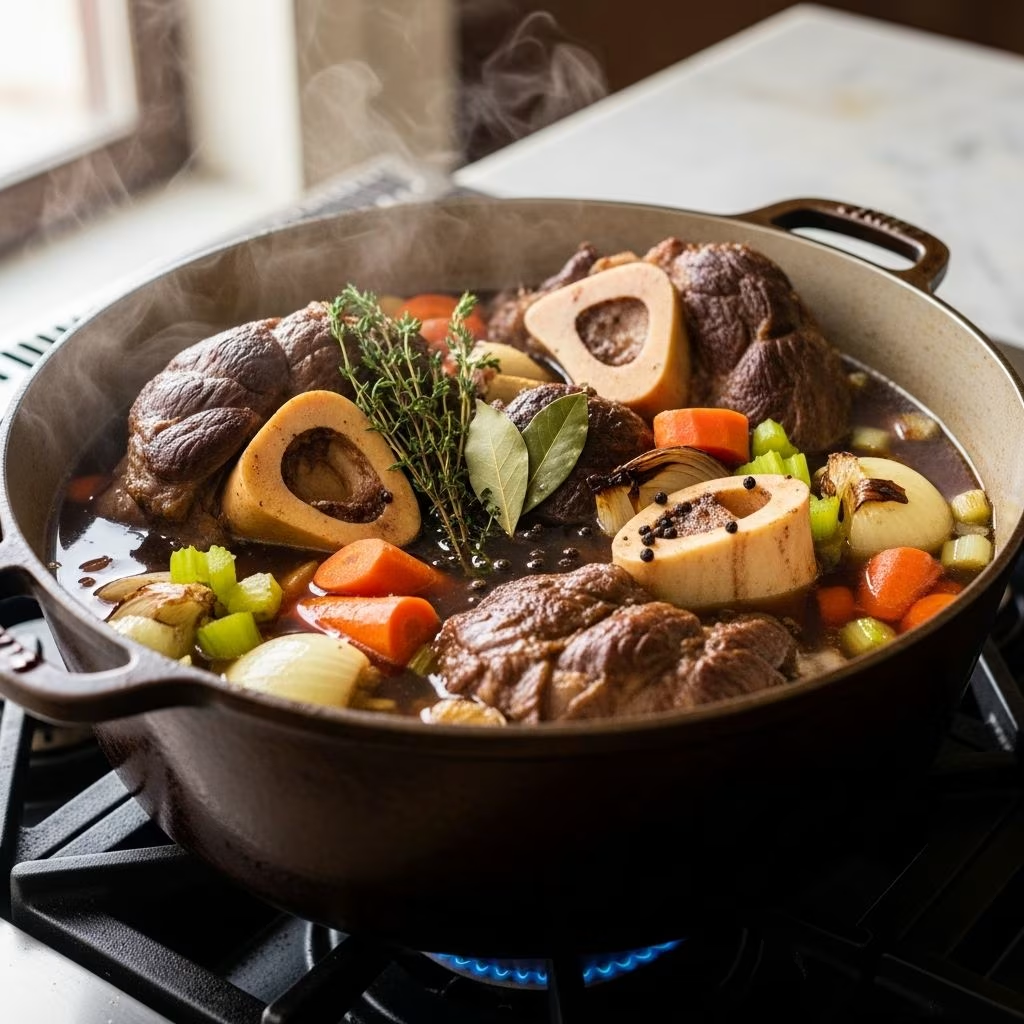
The success of any beef stock begins with thoughtful ingredient selection. Meaty bones represent the cornerstone of flavorful stock, as they provide both body through gelatin and richness through the meat itself. Bones lacking sufficient meat will produce a thin, flat-tasting liquid regardless of cooking time or technique. The ideal ratio involves approximately 2.5 to 3 kilograms of beef bones to produce 5 to 6 cups of finished stock.
Selecting the right bones requires familiarity with various cuts. Beef soup bones, oxtail, and short ribs each contribute distinct characteristics to the final product. Soup bones provide structural gelatin, while meaty cuts like oxtail and short ribs deliver concentrated beefy flavor. Many home cooks find success combining multiple bone types to achieve optimal balance between body and taste.
Beyond bones, aromatic vegetables and herbs form the secondary foundation of quality stock. These ingredients don’t simply float passively; they actively impart character, depth, and subtle sweetness that rounds out the finished product.
Essential Aromatics and Flavor Builders
Traditional stock preparation incorporates a predictable ensemble of vegetables and seasonings that have proven their worth through centuries of culinary practice. Understanding how each component contributes to the final flavor profile helps cooks make informed choices and adapt recipes to personal preferences.
- Onions: Provide sweetness and a foundational savory note that grounds the stock’s flavor profile
- Carrots: Add subtle natural sweetness and contribute body through their inherent pectin content
- Celery: Delivers mineral notes and a delicate herbaceous undertone that prevents one-dimensional flavor
- Garlic: Imparts pungent, aromatic compounds that deepen and complex the overall taste
- Tomato: Introduces additional sweetness and develops the stock’s color toward a desirable rich brown tone
- Bay leaves: Contribute subtle earthy and floral notes
- Fresh thyme: Adds herbaceous complexity and aromatic depth
- Parsley: Provides gentle green notes without overpowering
- Black peppercorns: Create subtle heat and spice dimension
The beauty of this combination lies in its balance. No single element dominates; instead, each flavor builds upon the others, creating a harmonious whole that enhances rather than overwhelms the inherent beefiness of the stock.
Preparation Methods: From Roasting to Simmering
The journey from raw ingredients to finished stock involves several critical steps, each serving a specific purpose in flavor development and clarity.
The Roasting Stage
Roasting bones before adding them to the cooking liquid represents a non-negotiable step in classical stock preparation. This process develops tremendous depth through the Maillard reaction, a chemical process that creates hundreds of new flavor compounds when proteins and sugars heat together. Arrange bones on a roasting pan and place in a preheated 350°F oven for approximately one hour, turning halfway through cooking. Bones should achieve an even golden-brown color across all surfaces. Once roasted, drain excess fat and deglaze the pan by adding water and using a wooden spoon to dissolve the caramelized drippings clinging to the pan’s surface. These concentrated drippings represent liquid gold—pure, concentrated flavor that belongs in the stock.
Combining and Simmering
Transfer roasted bones and vegetables to a large stockpot, preferably containing at least 7 liters of capacity. Add cold water to just barely cover the ingredients, then bring the pot to a simmer over medium-high heat. Once simmering begins, reduce heat to maintain a gentle, rolling simmer rather than a vigorous boil. Vigorous boiling emulsifies fat and impurities into the liquid, creating cloudy, less-refined stock. Gentle simmering allows these impurities to rise to the surface where they can be skimmed away, resulting in a clearer, more elegant final product.
Cooking Methods and Timeline Considerations
Modern cooks have embraced multiple cooking approaches, each offering distinct advantages in terms of time, effort, and results.
| Cooking Method | Duration | Temperature | Best For |
|---|---|---|---|
| Stovetop Simmering | 4-8 hours | Gentle simmer (180-190°F) | Traditional approach, maximum control |
| Oven Braising | 4-8 hours | 325°F | Hands-off cooking, even heat distribution |
| Slow Cooker Method | 8-12 hours | Low setting | Extended cooking, minimal supervision |
| Instant Pot Pressure Cooking | 2 hours plus release | High pressure | Rapid preparation, efficient extraction |
The stovetop method represents the traditional approach, allowing cooks to observe the stock’s development and make real-time adjustments. Oven braising provides entirely hands-off operation once ingredients combine in the pot, with heat distributing evenly around the vessel. The slow cooker method suits cooks preferring extended, gentle cooking and minimal kitchen monitoring. Instant Pot pressure cooking dramatically accelerates the extraction process through high-pressure steam, producing deeply flavored stock in approximately two hours plus a 30-minute natural release period.
Achieving Crystal Clarity and Superior Taste
Several techniques transform good stock into exceptional stock worthy of serious cooking applications. The first involves proper skimming—remove accumulated foam and impurities from the surface during the initial 30 minutes of simmering. This prevents these impurities from reabsorbing into the liquid. Second, maintain a gentle simmer rather than aggressive boiling throughout the entire cooking duration. Finally, never stir the stock during cooking, as this action reincorporates settled impurities into the liquid.
Straining represents the final opportunity to achieve clarity. Use a fine-mesh strainer, or line a regular strainer with cheesecloth for maximum filtration. Pour stock carefully without forcing ingredients through the strainer. Allow gravity to work rather than pressing down on solids, which squeezes impurities into the finished product.
Fat Management and Final Adjustments
After straining, stock will contain a layer of fat that accumulated during cooking. This fat serves important purposes in cooking applications, but some cooks prefer removing it. For immediate use, carefully skim the surface using a fat separator cup or lay paper towels on the surface to absorb fat. For longer storage, refrigerate the stock overnight—fat will solidify on the surface and can be easily lifted away, while clear aspic beneath provides optimal storage conditions.
Taste the finished stock and adjust seasoning if necessary. Remember that stock often serves as a base for other preparations, so avoid over-seasoning at this stage. Subtle, balanced seasoning allows cooks to adjust final salt levels in completed dishes.
Storage and Preservation Techniques
Properly stored beef stock maintains quality for extended periods, making batch cooking an excellent strategy. Refrigerated stock keeps safely for up to four days when stored in airtight containers. For longer preservation, freeze stock in ice cube trays for convenient portioning, or in larger containers for preparations requiring substantial quantities. Frozen stock maintains quality for up to three months.
Applications and Culinary Uses
Homemade beef stock elevates numerous preparations beyond simple soups. Classic applications include beef bourguignon, beef stew, French onion soup, and beef consommé. The rich, complex flavors also enhance pan sauces for roasted meats, provide the foundation for gravy, and enrich braised vegetables. Creative cooks continuously discover new applications for quality stock.
Frequently Asked Questions
- Can I make beef stock without roasting the bones first?
- While technically possible, roasting dramatically improves flavor development through caramelization and the Maillard reaction. Unroasted bones produce paler, less complex stock.
- How much water should I use?
- Add water to barely cover ingredients plus approximately two inches. Too much water produces diluted, weak stock; too little creates an overly concentrated product that doesn’t have proper volume.
- Should I cover the pot while simmering?
- Partial covering allows some evaporation while preventing excessive reduction. Many cooks leave the lid off to monitor progress, but brief covering doesn’t harm the final product.
- Can I reuse bones for multiple batches?
- Roasted bones can be simmered multiple times, producing progressively lighter stock. While less flavorful, second batches still add value and represent economical use of ingredients.
- Why is my stock cloudy instead of clear?
- Vigorous boiling emulsifies impurities into the liquid. Maintain a gentle simmer, skim regularly during the first 30 minutes, and avoid stirring throughout cooking.
Building Confidence Through Practice
Creating beef stock from scratch needn’t intimidate home cooks. The process involves relatively simple steps—roasting, combining, simmering, straining—executed over several hours. Each batch provides opportunities to observe how different cooking durations, temperatures, and ingredient combinations influence the final product. Beginning cooks should expect their initial attempts to be quite good; small refinements come through repeat experience rather than fundamental technique changes.
The investment in making stock yields returns far exceeding the modest ingredient costs. Restaurant-quality stock opens possibilities for sophisticated home cooking, transforming ordinary ingredients into preparations that demonstrate culinary competence and care. Whether pursuing beef bourguignon, enriching soups, or crafting restaurant-quality sauces, homemade stock represents an accessible entry point into serious cooking that rewards the modest time investment with dramatically superior results.
References
- Homemade Beef Stock – Natasha’s Kitchen — Natasha’s Kitchen. Accessed April 2026. https://natashaskitchen.com/beef-stock/
- Homemade Beef Stock – RecipeTin Eats — RecipeTin Eats. Accessed April 2026. https://www.recipetineats.com/homemade-beef-stock/
- Homemade Beef Stock Recipe – Big Kitchen Dreams — Big Kitchen Dreams. Accessed April 2026. https://bigkitchendreams.com/homemade-beef-stock/