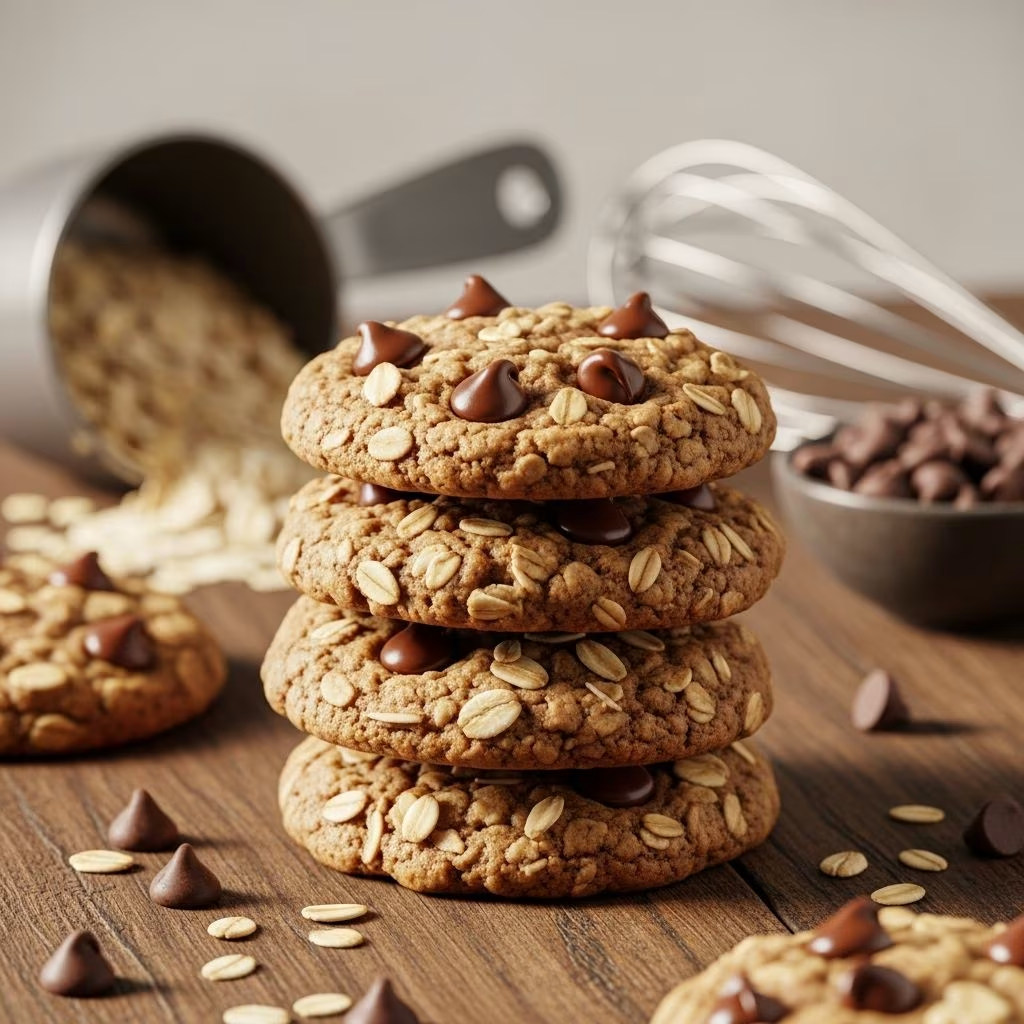
Chocolate oatmeal cookies represent a timeless combination that appeals to both seasoned bakers and those new to the kitchen. These treats bring together the wholesome texture of oats with the indulgent richness of chocolate, creating a cookie that satisfies multiple cravings simultaneously. Whether you’re preparing treats for a gathering, stocking your cookie jar, or simply craving homemade goodness, this comprehensive guide will walk you through everything needed to achieve bakery-quality results in your own oven.
Understanding the Essential Ingredients
The foundation of exceptional chocolate oatmeal cookies begins with understanding each ingredient’s role. The combination of butter, sugars, eggs, and vanilla creates a tender crumb structure that balances flavor and texture. The flour provides structure, while the oats contribute a distinctive chewiness and wholesome character. Cocoa powder or chocolate additions intensify the flavor profile, and leavening agents ensure proper rising and texture development.
The Core Components Explained
- Butter: Room temperature butter blends smoothly with sugars, creating an emulsion that traps air for light, fluffy cookies. Cold butter won’t incorporate properly and results in dense cookies.
- Granulated and Brown Sugar: Granulated sugar contributes sweetness and structure, while brown sugar adds moisture and deeper caramel notes due to its molasses content.
- Eggs: These bind ingredients together and add moisture. Room temperature eggs blend more thoroughly than cold ones.
- Vanilla Extract: This flavor enhancer rounds out the taste profile and complements both oats and chocolate notes.
- All-Purpose Flour: Provides structure without creating excessive toughness. Measuring by weight ensures consistency.
- Oats: Old-fashioned rolled oats work best, offering texture and a slightly nutty flavor that elevates the overall cookie experience.
- Cocoa Powder: Unsweetened varieties provide rich chocolate flavor without additional sugar that might make cookies too sweet.
- Chocolate Chips or Chunks: These melt slightly during baking, distributing chocolate throughout while maintaining some texture.
- Leavening Agents: Baking soda and baking powder create rise and affect texture by influencing how cookies spread and set.
- Salt: Enhances sweetness perception and balances chocolate flavor intensity.
Ingredient Variations and Customizations
One of the greatest advantages of chocolate oatmeal cookies is their adaptability. The basic recipe serves as a canvas for numerous additions that reflect personal preferences or dietary considerations. Many bakers enjoy adding chopped nuts such as walnuts, pecans, or almonds, which contribute crunch and richness. Dried fruits including raisins, cranberries, or chopped dates introduce tartness and chewiness that contrasts beautifully with chocolate sweetness.
For chocolate lovers, experimenting with different chocolate types produces varying results. Milk chocolate chips create a milder sweetness, while dark chocolate chips deliver sophistication and complexity. Some recipes combine both types for balanced flavor. Semi-sweet chocolate provides a middle ground that appeals to wider audiences. Those seeking texture variations might add shredded coconut, espresso powder to deepen chocolate notes, or cinnamon for warmth.
Step-by-Step Baking Instructions
Preparation Phase
Begin by preheating your oven to the specified temperature, typically between 350°F and 400°F depending on desired texture. Line baking sheets with parchment paper or silicone mats to prevent sticking and ensure even browning. Gather all ingredients and measure them accurately using proper techniques. For dry ingredients, spoon flour into measuring cups and level with a knife rather than scooping directly from the bag, which compacts flour and reduces accuracy.
Mixing the Wet Ingredients
In a large bowl or stand mixer, combine room temperature butter with both sugars. Beat on medium speed for approximately 3-4 minutes until the mixture becomes light and fluffy. This creaming process incorporates air, which creates lighter cookies. Add eggs one at a time, ensuring each egg incorporates fully before adding the next. This prevents the batter from breaking and ensures uniform mixing. Add vanilla extract and mix until combined.
Combining Dry Components
In a separate bowl, whisk together flour, cocoa powder if using, baking powder, baking soda, and salt. Whisking incorporates air and distributes leavening agents evenly throughout the flour. This prevents pockets of baking soda that would create unpleasant metallic flavors in finished cookies.
Bringing It Together
Add the dry ingredient mixture to the wet ingredients gradually, mixing on low speed until just combined. Avoid over-mixing at this stage, as excessive mixing develops gluten and creates tough cookies. The dough should just come together without visible dry spots. Next, fold in the oats using a wooden spoon or spatula rather than electric mixing. Finally, add chocolate chips and any other mix-ins, stirring until evenly distributed without over-working the dough.
Shaping and Baking
Using a cookie scoop or rounded tablespoon measure, drop dough portions onto prepared baking sheets, spacing them appropriately to allow for spreading. Bake for 8-11 minutes, depending on oven characteristics and desired texture. Cookies baked for shorter durations will be chewier, while longer baking produces crispier results. Remove from the oven when the edges appear set but the centers still show slight indentation when gently touched.
Cooling and Storage
Allow cookies to rest on the baking sheet for a few minutes—typically 2-3 minutes—before transferring to cooling racks. This resting period allows residual heat to finish cooking the centers while edges set completely. Cool completely before storing in airtight containers at room temperature. Properly stored cookies maintain quality for up to one week, though most disappear well before that timeline.
Achieving Your Preferred Texture
The texture of chocolate oatmeal cookies can be manipulated through several techniques. For chewier cookies, slightly under-bake them by one minute and use more brown sugar relative to granulated sugar, as molasses content promotes moisture retention. Incorporate an extra egg yolk for added richness and moisture. Conversely, for crispier cookies, bake slightly longer until edges darken noticeably, use more granulated sugar relative to brown sugar, and reduce moisture from any additions.
The oat selection also influences texture. Quick oats create finer, more tender cookies, while old-fashioned rolled oats contribute more substantial texture. Some bakers prefer pulse-processing some oats to create a mixture of sizes, combining benefits of both varieties.
Common Baking Challenges and Solutions
| Challenge | Likely Cause | Solution |
|---|---|---|
| Cookies spread too much | Dough too warm; butter too soft; oven too hot | Chill dough before baking; ensure accurate oven temperature; use cooler butter |
| Cookies too dry | Over-baking; too much flour; insufficient fat | Reduce baking time; measure flour correctly; check butter quantity |
| Cookies too dense | Over-mixing dough; insufficient leavening | Mix minimally; verify baking powder and soda are fresh; check expiration dates |
| Flat cookies with no rise | Expired leavening agents; warm dough; high fat content | Replace baking powder/soda annually; refrigerate dough; measure accurately |
| Uneven browning | Hot spots in oven; racks not centered | Rotate baking sheets halfway through; use oven thermometer to verify temperature |
Frequently Asked Questions
Can I prepare the dough in advance?
Yes, dough can be prepared up to 48 hours ahead and refrigerated in an airtight container. Some bakers find that chilled dough produces superior results, as flavors meld and develop. Alternatively, shaped dough portions can be frozen for up to three months, then baked directly from frozen with minimal time adjustment.
How do I prevent cookies from hardening after baking?
Store cooled cookies in airtight containers with a slice of bread or a humidity-control packet. The bread releases moisture, keeping cookies soft. Replace bread daily or as it hardens. Avoid storing warm cookies, as condensation can make them soggy.
What’s the difference between cocoa powder and melted chocolate?
Cocoa powder provides intense chocolate flavor with minimal fat, while melted chocolate adds flavor plus fat, which affects texture and moisture. Recipes using cocoa powder typically require additional fat from butter or oil. Some recipes combine both ingredients for maximum chocolate impact.
Can I substitute ingredients for dietary reasons?
Many substitutions work successfully: use coconut sugar for all or part of the sugar, substitute oil for some butter, use gluten-free flour blends for all-purpose flour, or replace chocolate chips with carob chips. Each substitution may slightly affect texture or flavor, so consider testing in small batches first.
How do I know when cookies are perfectly baked?
Properly baked cookies have set edges while centers remain slightly soft and indented when gently touched. They continue cooking slightly after removal from the oven due to residual heat. If centers look wet or raw, bake longer; if they’re firm throughout, they may be over-baked.
Serving and Presentation Ideas
Chocolate oatmeal cookies pair beautifully with cold milk, hot coffee, or tea. Arrange them on platters lined with parchment paper for gatherings, or package them in decorative boxes as gifts. These cookies work wonderfully for lunchbox additions, after-school snacks, or components of dessert platters. Their wholesome oat content makes them slightly more appealing than purely indulgent desserts, allowing people to feel they’re enjoying a somewhat reasonable treat.
Scaling the Recipe
The basic chocolate oatmeal cookie recipe easily scales up or down. To double the recipe, multiply all ingredients by two and ensure your mixing bowls are large enough to accommodate the increased volume. To halve the recipe, divide all quantities by two. When halving, use one whole egg rather than half an egg. Baking times typically remain consistent regardless of batch size, though very large cookies may require an additional minute.
References
- Soft Chocolate Oatmeal Cookies Recipe — HERSHEY’S Hersheyland. Retrieved from https://www.hersheyland.com/recipes/chocolate-oatmeal-cookies.html
- Oatmeal Chocolate Chip Cookies – Kodiak’s Secret Recipe — Kodiak Cakes. Retrieved from https://kodiakcakes.com/blogs/recipes/oatmeal-chocolate-chip-cookies
- Double Chocolate Oatmeal Cookies — 365 Days of Baking and More. Retrieved from https://www.365daysofbakingandmore.com/double-chocolate-oatmeal-cookies/
- Chewy Oatmeal Chocolate Chip Cookies — Sally’s Baking Addiction. Retrieved from https://sallysbakingaddiction.com/oatmeal-chocolate-chip-cookies/
- Chocolate Oatmeal Cookies — My Name Is Snickerdoodle. Retrieved from https://www.mynameissnickerdoodle.com/chocolate-oatmeal-cookies/