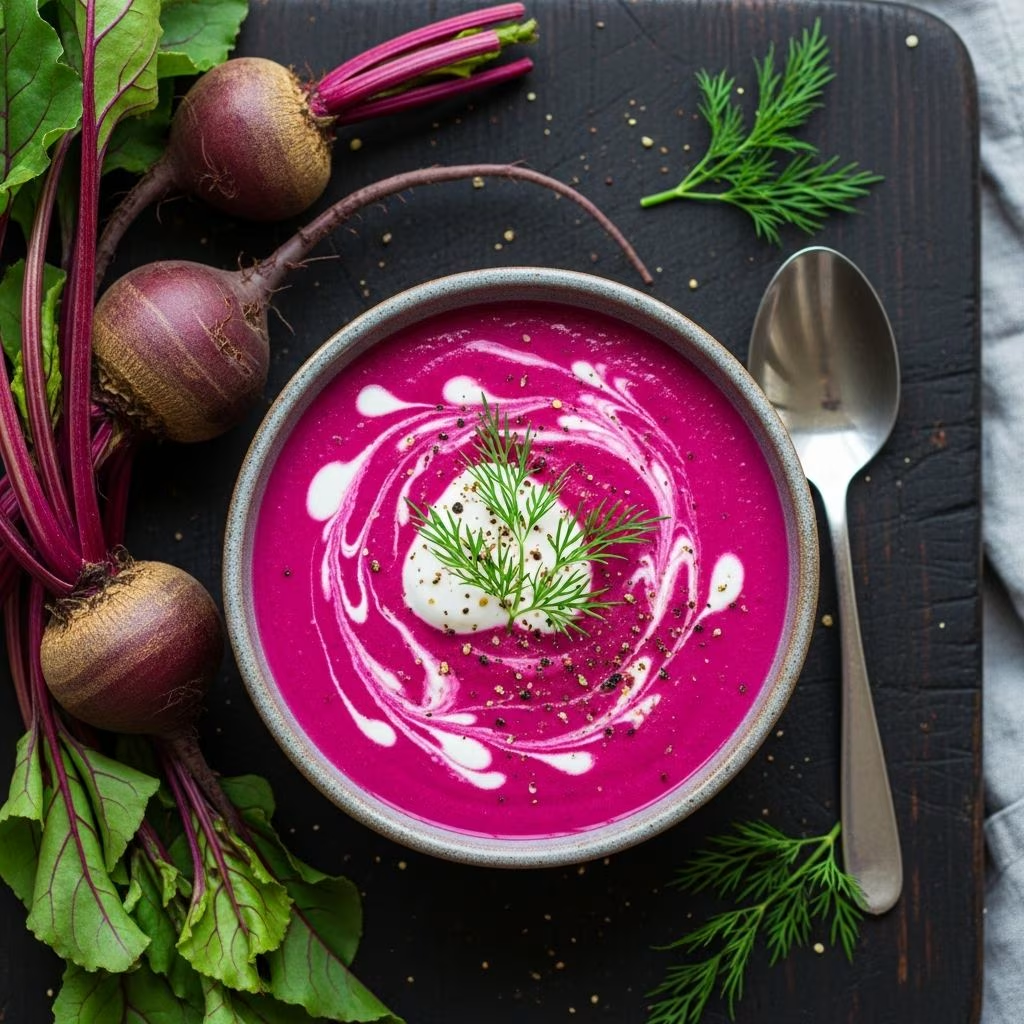
Summer entertaining calls for dishes that are both visually stunning and refreshingly light. A chilled beet and yogurt soup delivers on both fronts, offering diners a vibrant pink or magenta bowlful that tastes as elegant as it looks. This soup combines earthy roasted or boiled beets with creamy yogurt, bright citrus notes, and aromatic herbs to create a sophisticated yet simple starter or light lunch option.
The beauty of this cold soup lies in its versatility and accessibility. Whether you’re an experienced home cook or just beginning your culinary journey, the fundamental technique remains straightforward: cook the beets, blend them with yogurt and complementary flavors, then chill and serve. What varies is how you choose to prepare the beets, which herbs you emphasize, and what creative garnishes you select.
Understanding Your Beet Preparation Options
The foundation of an exceptional chilled beet and yogurt soup begins with selecting and preparing quality beets. Two primary cooking methods yield different flavor profiles and textures, each with distinct advantages.
Boiling Beets for Soup
Boiling represents the quickest path to cooked beets. Begin by scrubbing your beets thoroughly under running water to remove all soil and debris. Place them whole in a large pot of salted boiling water and maintain a gentle boil. Depending on the size of your beets—typically ranging from golf ball to tennis ball proportions—cooking time ranges from thirty-five to forty-five minutes. You’ll know they’re ready when a fork or knife pierces them with minimal resistance.
The cooking liquid itself becomes valuable. Strain it through a fine sieve or cheesecloth-lined colander and allow it to cool completely. This strained liquid forms the soup’s broth foundation, contributing both flavor and volume. Plan to have at least four cups of this liquid on hand.
Roasting Beets for Enhanced Depth
Roasting intensifies beet flavors through caramelization of natural sugars while creating a more concentrated, earthy taste profile. Preheat your oven to 375 degrees Fahrenheit (190°C for metric measurements). After washing and drying the beets carefully, trim the stems to about one and a half inches to prevent excessive juice loss during cooking.
Arrange beets on parchment-lined baking trays and roast for fifty to sixty minutes until they yield to a knife with gentle pressure. The roasting process creates deeper flavor complexity compared to boiling, making it ideal if you prefer a more robust soup character.
Core Components and Their Roles
A balanced chilled beet and yogurt soup requires understanding how each ingredient contributes to the final result.
The Yogurt Foundation
Greek yogurt or regular plain yogurt creates the soup’s creamy base while introducing tangy notes that balance the beets’ earthiness. Greek yogurt, with its higher protein concentration and thicker consistency, produces a more luxurious mouthfeel, though standard yogurt works equally well. Most recipes call for two cups of yogurt per approximately one pound of prepared beets. The yogurt’s acidity is essential—it prevents the soup from tasting one-dimensional and cuts through the beets’ natural sweetness.
Citrus Brightness
Lemon juice serves as the primary acidic component, typically contributing two to four tablespoons depending on desired tartness levels. The lemon’s brightness acts as a flavor amplifier, making beet and yogurt notes more pronounced while providing refreshment. Some variations incorporate white balsamic vinegar instead of or alongside lemon juice, offering subtle sweetness alongside acidity.
Aromatic Herbs
Fresh dill stands as the traditional herb choice, its delicate anise-like notes complementing beets naturally. Most recipes incorporate one-quarter to one-half cup of fresh dill, with some reserved for garnishing. Fresh parsley offers a milder alternative, while combinations of both create additional complexity.
Seasonings and Sweetness
Salt enhances all flavors and typically measures around one to two teaspoons depending on ingredient quantities. Many recipes incorporate one to two tablespoons of maple syrup, honey, or other natural sweeteners to balance the soup’s acidic elements and acknowledge beets’ inherent sugars without creating an overly sweet result.
Step-by-Step Preparation Process
Following a logical sequence ensures optimal flavor development and texture.
- Prepare the beets: After cooking via your chosen method, allow them to cool until handleable. Remove skin by peeling with a small knife or gently rubbing with your hands—the skin often releases easily after cooking. Reserve half the beets for blending into the broth and dice the remaining half for adding texture to the finished soup.
- Gather your supporting ingredients: Dice cucumbers finely (approximately two cups), slice scallions into rings, chop fresh dill, and assemble all remaining ingredients before blending to ensure smooth preparation.
- Blend the broth base: In a high-powered blender, combine the reserved beet halves, yogurt, cooled beet cooking liquid or water, lemon juice, salt, and fresh dill. Blend on high speed until completely smooth and well integrated, typically one to two minutes of continuous blending.
- Combine wet and solid components: Pour the blended broth into a large bowl containing the diced beets, cucumbers, scallions, and additional fresh dill. Stir thoroughly to distribute all components evenly.
- Chill thoroughly: Cover and refrigerate for at least two hours, though overnight chilling allows flavors to meld more completely.
Customization and Variation Strategies
While the foundational recipe remains straightforward, numerous variations accommodate different taste preferences and ingredient availability.
Textural Approaches
Some cooks prefer completely smooth soups achieved through thorough blending of all ingredients. Others intentionally create partial blending, leaving some beet chunks and celery pieces for textural contrast. You control this by varying blending duration and intensity.
Vegetable Additions
Beyond cucumbers, consider incorporating finely diced radishes for peppery notes, grated carrots for additional sweetness, or diced tomatoes for acidic brightness. Some Eastern European traditions include grated beet greens, creating earthier, more complex flavor profiles while maximizing nutritional value.
Protein Enhancements
For lunch-worthy substance, top individual servings with poached or soft-boiled eggs, grilled chicken strips, or smoked fish. These additions transform the soup from an elegant appetizer into a satisfying main course.
Garnishing and Presentation Techniques
The visual impact of chilled beet and yogurt soup deserves equal attention to its flavor profile.
| Garnish Option | Effect on Soup | Best Pairing |
|---|---|---|
| Fresh Dill Sprigs | Reinforces herbal notes | All variations |
| Sour Cream Dollop | Adds richness and tang | Traditional Eastern European style |
| Crispy Beet Chips | Provides textural contrast | Modern plated presentations |
| Lemon-Dill Ice Cubes | Keeps soup cold while flavoring | Warm weather entertaining |
| Toasted Walnuts or Pistachios | Introduces nuttiness and crunch | Sophisticated dinner presentations |
| Microgreens | Adds visual sophistication | Contemporary plating styles |
Frequently Asked Questions
How far in advance can I prepare this soup?
The soup keeps refrigerated for three to four days. Prepare it one to two days ahead for optimal flavor development, as chilling time allows flavors to meld thoroughly. If preparing significantly ahead, store the blended broth and solid components separately, combining them within twelve hours of serving to prevent excessive softening of fresh vegetables.
Can I make this soup vegan?
Yes. Substitute dairy yogurt with unsweetened coconut yogurt, cashew-based yogurt, or commercial vegan yogurt products. The tanginess and creaminess profiles differ slightly, so taste and adjust lemon juice and salt accordingly.
What if I only have access to canned or pre-cooked beets?
Canned beets work acceptably, though fresh versions offer superior flavor intensity. If using canned varieties, drain thoroughly, rinse to remove excess sodium, and proceed as directed. Reduce or omit added salt since canned beets often contain significant sodium already.
Is this soup appropriate for freezing?
Freezing is not recommended, as yogurt-based soups separate and develop grainy textures upon thawing. Fresh preparation or refrigeration best preserves this soup’s character.
How do I adjust the soup’s consistency?
If too thick, incorporate additional water or reserved beet cooking liquid in quarter-cup increments while stirring thoroughly. If too thin, add more yogurt or blend in additional cooked beets to achieve desired creaminess.
Nutritional Considerations and Health Benefits
Beyond its culinary appeal, chilled beet and yogurt soup offers nutritional value worthy of note. Beets provide betalains—pigments with antioxidant and anti-inflammatory properties—alongside fiber, manganese, and folate. Yogurt contributes probiotics supporting digestive health plus substantial protein content. The combination creates a nutrient-dense dish particularly suited to warm-weather consumption when appetites may lean toward lighter fare.
The soup’s vegetable content encourages consumption of earth vegetables often underutilized in contemporary cooking. Fresh herbs contribute micronutrients and aromatic compounds with potential health-supporting properties, while the overall low-fat preparation (especially when using lower-fat yogurt) makes it suitable for various dietary approaches.
Serving Contexts and Entertaining Applications
This soup’s versatility extends to multiple serving contexts. Served in small portions, it functions as an elegant first course for dinner parties, impressing guests with its visual drama and sophisticated flavor profile. As a light lunch accompanied by crusty bread, it provides satisfaction without heaviness. On casual occasions, it becomes a refreshing component of mixed appetizer spreads or summer buffets.
The soup pairs naturally with Mediterranean-inspired mains, fresh fish preparations, grilled chicken, or vegetable-forward entrees. When entertaining, prepare it ahead, allowing more time for final plating and guest interaction rather than last-minute cooking.
Conclusion: Mastering a Timeless Summer Preparation
Chilled beet and yogurt soup represents accessible sophistication—a dish that impresses through simplicity rather than complexity. By understanding fundamental techniques, respecting quality ingredients, and applying thoughtful customization, home cooks create restaurant-worthy results. Whether preparing for intimate gatherings or personal enjoyment during warm months, this vibrant soup delivers nutrition, beauty, and refreshment in every spoonful.
References
- Chilled Beet Soup with Yogurt and Fresh Dill — Abra’s Kitchen. Accessed April 2026. https://abraskitchen.com/chilled-beet-soup/
- Cold Beet Soup With Yogurt — End of the Fork. Accessed April 2026. https://www.endofthefork.com/chilled-roasted-beetroot-yoghurt-soup/
- Chilled Beet Lemon Yogurt Soup with Garden Granola — Victory Dance Foods. Accessed April 2026. https://victorydancefoods.com/blog/chilled-beet-lemon-yogurt-soup-garden-granola-recipe
- Cold Beet Yogurt Soup — Saveur Magazine. Accessed April 2026. https://www.saveur.com/article/Recipes/Cold-Beet-Yogurt-Soup/
- Cold Beet Soup with Yogurt (Polish Chlodnik) — Everyday Healthy Recipes. Accessed April 2026. https://www.everydayhealthyrecipes.com/beetroot-summer-soup-chlodnik/