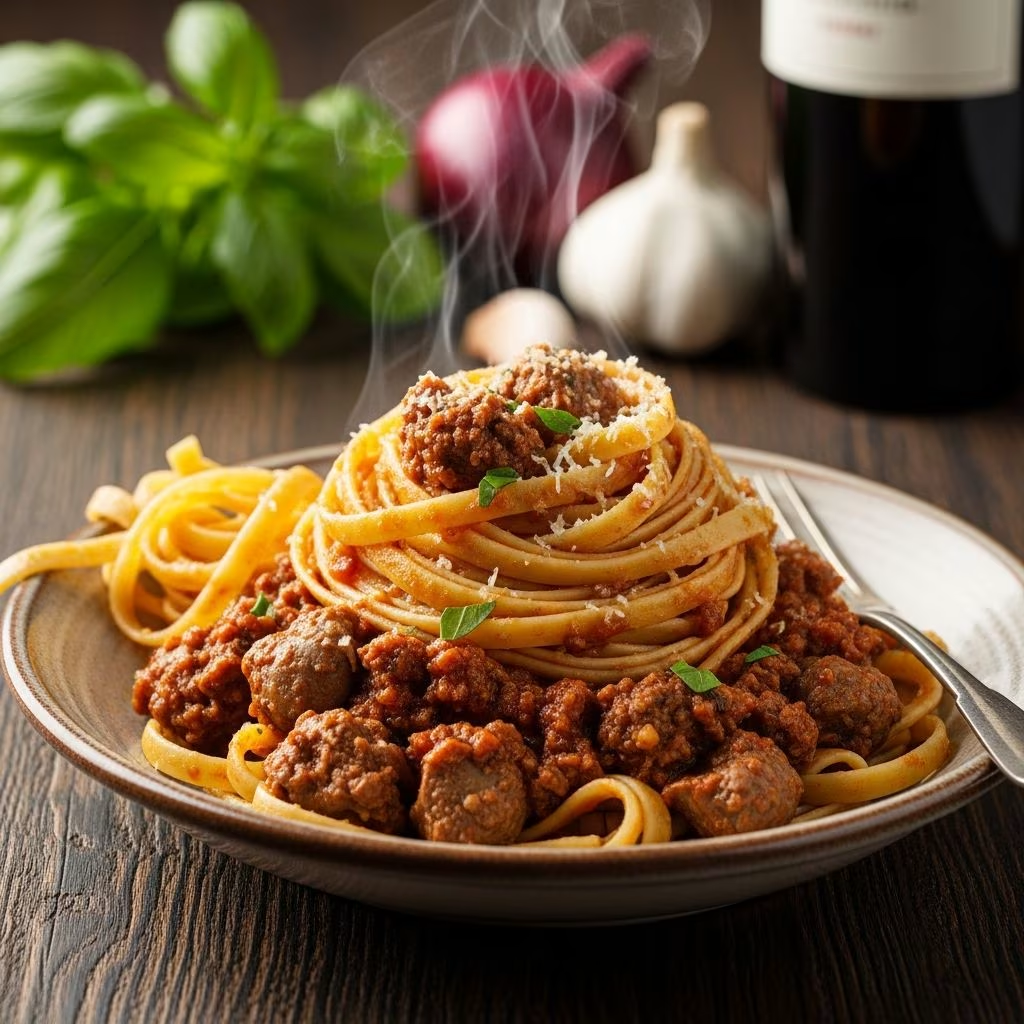
Chicken giblet fettuccine ragu represents a cornerstone of Italy’s rustic culinary tradition, where overlooked cuts like hearts, livers, and gizzards become stars in a deeply flavorful tomato-based sauce served over wide, egg-enriched pasta ribbons. This dish embodies cucina povera, the art of turning humble ingredients into nourishing feasts.
The Roots of a Forgotten Italian Classic
Originating from central Italy, particularly Roman and Lazio regions, chicken giblet ragu with fettuccine traces back to times when resourcefulness ruled the kitchen. Housewives and farmers maximized every part of the bird, reserving offal for hearty family meals. These giblets—cuori (hearts), fegatini (livers), and ventrigli or durelli (gizzards)—were simmered into robust sauces, transforming what was once dismissed as scraps into a delicacy.
Historical accounts link the dish to mid-20th-century popular culture, appearing in Italian cinema like the 1960 film Totò, Fabrizi e i giovani d’oggi, where it symbolized everyday sustenance. Today, it enjoys revival in fraschette (rustic taverns) and home kitchens, celebrated for its intense umami and nutritional density. Giblets pack high levels of iron, vitamin B12, and protein, making the ragu not just tasty but health-supportive.
Essential Ingredients for Authentic Flavor
Building the perfect chicken giblet ragu starts with quality components. Freshness is key for giblets, which should be cleaned meticulously to remove bitterness from bile or membranes.
- Giblets: 400-500g mixed chicken hearts, livers, and gizzards, trimmed and cubed.
- Pasta: 500g fresh egg fettuccine (homemade preferred for superior texture).
- Sauce base: 600-800g peeled tomatoes, crushed by hand for rustic chunks.
- Aromatics: Onion, carrot, celery (soffritto), garlic, bay leaves, marjoram or parsley.
- Liquids: ½ glass white or red wine, broth or mushroom soaking water.
- Fats: Extra-virgin olive oil, butter, or lard for depth.
- Cheese: Grated Parmigiano-Reggiano or Pecorino Romano to finish.
Variations abound: some recipes incorporate dried porcini mushrooms for earthiness or a splash of Marsala for sweetness.
Step-by-Step Guide to Homemade Fettuccine
Crafting fresh pasta elevates the dish. For 4 servings:
- Combine 300g ’00’ flour and 100g semolina on a board. Form a well, crack in 3 eggs, add salt and olive oil. Knead into a smooth dough (10 minutes).
- Rest 30 minutes under a cloth. Roll thin, cut into 1cm-wide ribbons. Dust with semolina to prevent sticking.
Boil in salted water 2-3 minutes until al dente. Reserve pasta water for sauce emulsification.
Mastering the Giblet Ragu Sauce
The ragu demands patience for flavor development. Here’s a reliable method serving 4:
- Prep soffritto: Finely chop 1 onion, 1 carrot, ½ celery stalk. Sauté in 3 tbsp olive oil and 20g butter over medium heat until softened (5-7 minutes). Add 1-2 crushed garlic cloves.
- Brown giblets: Add cleaned, cubed giblets (400g). Cook until liquid releases and evaporates, stirring frequently (8-10 minutes).
- Deglaze: Pour in ½ glass wine (red or white). Simmer until reduced by half, scraping pan bits.
- Build sauce: Stir in crushed tomatoes (600g), bay leaf, marjoram, salt, pepper. Add mushroom water or broth for liquidity. Cover and simmer low 40-90 minutes until thickened.
- Combine: Toss al dente fettuccine directly into ragu with pasta water. Finish off-heat with grated cheese.
Aim for a glossy, clinging sauce—not soupy, not dry.
Regional Twists and Modern Adaptations
| Region/Variation | Key Additions | Cooking Time | Cheese Pairing |
|---|---|---|---|
| Roman Classic | Celery, carrot soffritto; white wine | 20-30 min covered | Pecorino Romano |
| Ciociaria Style | Butter, red wine, alloro | 40-50 min | Parmigiano |
| Central Italy Contadina | Semola pasta, noce moscata, long simmer | 1.5 hours | Parmigiano |
| Modern Gourmet | Porcini, Marsala, salsiccia | 30-45 min | Aged Parmigiano |
Adapt for seasons: add peas in spring or mushrooms in fall.
Nutritional Profile and Health Benefits
Per serving (250g): ~550 calories, 25g protein, 15g fat, 70g carbs. Giblets provide bioavailable iron (up to 10mg/serving), folate, and CoQ10 for heart health. Paired with whole-egg pasta, it’s a balanced meal promoting sustainable eating by reducing food waste.
- Iron boost: Livers combat anemia.
- Protein power: Offal matches lean meat nutrition.
- Antioxidants: Tomatoes’ lycopene pairs with giblet vitamins.
Pairing Suggestions and Serving Tips
Serve hot in warmed bowls, garnished with parsley. Pair with a medium-bodied Chianti or Lazio white wine to cut richness. For sides: simple greens or crusty bread to sop sauce.
Storage: Refrigerate 2 days; freeze ragu 3 months. Reheat gently with water.
Common Pitfalls and Pro Tips
- Avoid overcooking giblets: They toughen quickly—medium-rare livers stay tender.
- Clean thoroughly: Remove green bile sacs to prevent bitterness.
- Low-slow simmer: Builds collagen for silky texture.
- Fresh pasta only: Dried works but lacks egg yolk richness.
FAQ
What are chicken giblets exactly?
Giblets include the heart, liver, and gizzard from poultry, often sold pre-packaged. They’re nutrient-dense organs used in stocks or ragus.
Can I use turkey giblets instead?
Yes, turkey works similarly; adjust cooking time as they’re larger.
Is this dish spicy?
Traditionally no, but add peperoncino for heat.
How do I make it vegetarian?
Substitute mushrooms and lentils for giblets, keeping the soffritto base.
What’s the best pasta alternative?
Pappardelle or tagliatelle hold the hearty sauce well.
Why Revive This Tradition Today
In an era of nose-to-tail dining, chicken giblet fettuccine ragu honors sustainability while delivering bold taste. It’s affordable, customizable, and connects eaters to Italy’s thrifty past. Experiment confidently—your kitchen awaits this umami bomb.
References
- Fettuccine con rigaglie di pollo — Ciociaria e Cucina. N/D. https://www.ciociariaecucina.it/diario-di-cucina/fettuccine-con-rigaglie-di-pollo/
- Rome and culinary art: Fettuccine alle rigaglie di pollo — Hotel Colosseum. N/D. https://www.hotelcolosseum.com/en/Rome-and-culinary-art-A-Roman-delicacy-Fettuccine-alle-rigaglie-di-pollo/
- FETTUCCINE con rigaglie di pollo — YouTube (Transcript). N/D. https://www.youtube.com/watch?v=xnfmiLtWz2I
- Fettuccine con le regaglie di pollo — Insideat. N/D. https://www.insideat.eu/it/insideat-in-cucina-chef-davide-propone-fettuccine-con-le-regaglie-di-pollo/
- LAZIO: FETTUCCINE CON RIGAGLIE DI POLLO — Passione-Pasta.it. N/D. https://passione-pasta.it/fettuccine-con-rigaglie-di-pollo/