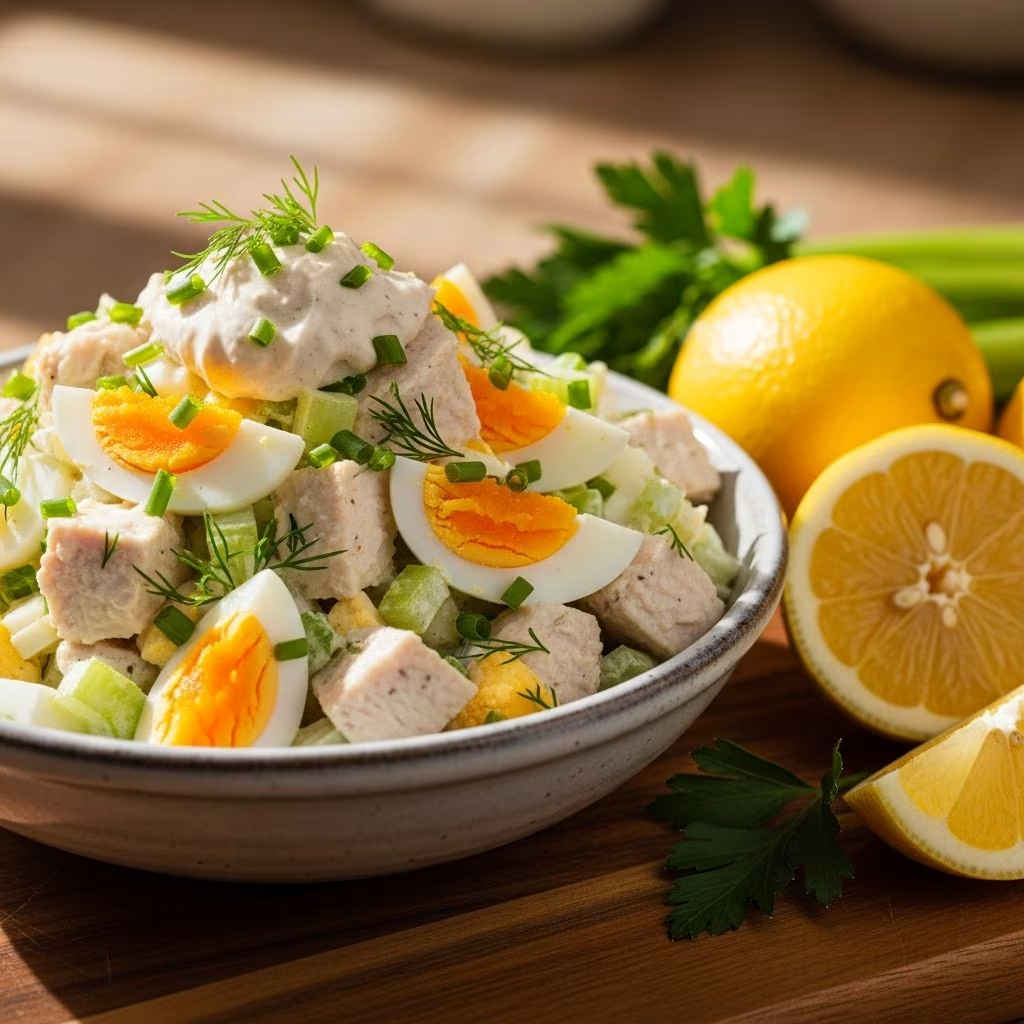
Chicken and egg salad represents one of the most versatile and satisfying dishes in contemporary cuisine. This protein-dense combination has earned its place as a go-to option for busy professionals, health-conscious individuals, and families seeking quick meal solutions. The beauty of this dish lies in its simplicity—requiring minimal cooking skill while delivering maximum nutritional value and flavor. Whether you’re preparing lunch for the week, hosting a casual gathering, or seeking a light dinner option, mastering this recipe opens doors to endless customization possibilities.
Understanding the Foundation: Core Components
The foundation of any exceptional chicken and egg salad begins with selecting quality ingredients. Each component plays a crucial role in determining the final dish’s texture, flavor profile, and nutritional composition. Understanding how these elements work together allows you to create a salad that suits your specific preferences and dietary requirements.
The Protein Base: Poultry Selection
The chicken component forms the backbone of this dish, and your choice directly impacts the overall success. Boneless, skinless chicken breasts provide a lean protein option that pairs beautifully with other ingredients. These cuts offer approximately 31 grams of protein per 3.5-ounce serving, making them an excellent choice for those prioritizing muscle maintenance and recovery. For those preferring convenience, rotisserie chicken from supermarkets works exceptionally well, providing pre-cooked meat that requires minimal additional preparation. Leftover chicken from previous meals also makes an economical choice, reducing food waste while maintaining quality.
The cooking method significantly affects the final texture and flavor. Oven-baking preserves moisture better than pan-frying, resulting in more tender chicken that blends seamlessly with other ingredients. Allow cooked chicken to cool completely before chopping or shredding to ensure easier handling and better texture integration within the salad.
Eggs: Nature’s Protein Powerhouse
Hard-boiled eggs add another dimension of protein while contributing a distinctive texture and subtle flavor to the mixture. Each large egg contains approximately 6 grams of protein alongside essential vitamins and minerals like choline and selenium. The traditional preparation involves boiling eggs until the yolks reach a fully cooked state, typically requiring 10-12 minutes depending on desired firmness. Proper cooling facilitates easier peeling, and some cooks prefer the steaming method for more reliable results. For those watching caloric intake, reducing yolk quantity while maintaining whites provides similar protein benefits with fewer calories.
Building Flavor: The Supporting Cast of Ingredients
Vegetables: Texture and Freshness
Celery traditionally provides the crunch that contrasts beautifully with the creamy dressing components. This humble vegetable contains roughly 95% water, contributing minimal calories while adding satisfying textural elements. Those who dislike celery’s earthy flavor can substitute chopped cucumber for similar crispness or bell pepper for sweetness. Finely dicing these vegetables ensures even distribution throughout the salad and prevents any single ingredient from dominating the palate.
Red onion introduces a peppery bite that elevates the overall flavor profile. The natural sugars in red onion caramelize slightly when exposed to the acidic components of the dressing, creating subtle sweetness. Using finely minced onion ensures its flavor distributes evenly without overpowering more delicate ingredients. Green onions offer a milder alternative for those sensitive to onion’s intensity.
Fresh Herbs: Finishing Touches
Fresh parsley brings herbaceous notes and visual appeal to the finished dish. This mild herb complements chicken without introducing overwhelming flavors. Dill presents an equally valid alternative, particularly when incorporating pickled elements. For adventurous cooks, mixing multiple herbs creates unique flavor combinations that distinguish your version from standard recipes. The chopping method matters—a sharp knife preserves the herbs’ delicate oils and prevents oxidation that occurs with crushing or bruising.
Crafting the Creamy Base: Dressing Fundamentals
Traditional Mayo-Based Approach
Mayonnaise provides the classic richness that defines traditional chicken salad. This emulsion of eggs, oil, and acid creates a luxurious coating that binds all ingredients while maintaining individual flavors. The quantity matters considerably—too little results in a dry, unappealing salad, while excess creates an overly heavy dish. Balancing mayo with other liquid components prevents this common pitfall.
Lemon juice cuts through the mayo’s richness, brightening flavors while adding complexity. The acidity also provides a natural preservative, extending the salad’s refrigerator life. Fresh-squeezed juice provides superior flavor compared to bottled versions, making this small effort worthwhile. Some cooks prefer using a combination of lemon juice and vinegar for additional depth.
Milk or sometimes cream adjusts the dressing’s consistency to desired thickness. Adding milk gradually while stirring allows precise control over the final texture, preventing overcompensation. This ingredient essentially creates a lighter, less dense dressing than mayo alone.
Alternative Binding Options
Health-conscious cooks frequently substitute Greek yogurt for traditional mayonnaise, significantly reducing calories while maintaining creaminess. A single cup of plain Greek yogurt contains approximately 20 grams of protein, essentially doubling the protein content compared to mayo. This substitution works particularly well when combined with Dijon mustard, which adds complexity and reduces the need for additional salt.
Pickle juice presents an intriguing addition that many overlook. This briny liquid introduces tangy notes while naturally enhancing flavors through its acidic content. The combination of Greek yogurt, mustard, and pickle juice creates an entirely different flavor profile than traditional versions, appealing to those who prefer bold, assertive tastes.
Advanced Ingredient Explorations
Incorporating Fruits and Nuts
Adventurous preparations expand beyond the traditional vegetable additions. Diced apples introduce natural sweetness and fresh crunch that appeals to those preferring less savory salads. The subtle sweetness complements both the protein components and acidic dressing elements. Granny Smith apples maintain their texture better than softer varieties, preventing mushiness within hours of preparation.
Walnuts or pecans add nutty flavor alongside healthy fats and additional protein. Roughly chopping these nuts ensures distribution throughout the salad rather than settling toward the bottom. Roasting nuts before adding them intensifies their flavor without requiring additional cooking steps.
Cheese and Other Enhancements
Shredded cheese, particularly cheddar or other sharp varieties, introduces additional richness and flavor complexity. The cheese’s salt content reduces the need for additional seasoning, though taste-testing remains essential. Finely shredded cheese integrates more smoothly than chunky pieces, creating a more cohesive final product.
Dill pickles offer a brined vegetable element for those seeking additional flavor intensity. The fermentation process creates beneficial probiotics while the vinegar content adds preservative qualities. Chopping pickles into small pieces prevents them from dominating the texture profile.
Preparation Techniques and Methods
Step-by-Step Assembly Process
Proper technique ensures even flavor distribution and optimal texture. Begin by preparing all protein components—cooking and cooling chicken, boiling and peeling eggs. Simultaneously, prepare vegetables by dicing celery, mincing onion, and chopping herbs. This mise en place approach prevents rushed preparation and ensures nothing gets overlooked.
Next, prepare the dressing separately in a medium bowl. Combining mayo, milk, lemon juice, salt, and pepper—or the Greek yogurt alternative—ahead of time allows flavors to meld before mixing with other ingredients. This technique prevents uneven distribution of seasonings throughout the finished salad.
Combine the prepared chicken, eggs, vegetables, and herbs in a large mixing bowl. Pour the dressing over these ingredients and stir thoroughly, ensuring every component receives equal coverage. The mixing action should be gentle enough to avoid breaking down ingredients excessively while vigorous enough to achieve uniform consistency.
Critical Chilling Period
Refrigerating the finished salad for at least one hour before serving significantly improves flavor development. This resting period allows ingredients to marry, creating a more cohesive dish than immediately consumed versions. The cold temperature also firms the mixture, making it easier to portion and serve. Many cooks find overnight refrigeration produces even superior results, with flavors continuing to develop through extended contact.
Nutritional Profile and Health Considerations
Chicken and egg salad represents an exceptional nutritional choice for those prioritizing protein intake. A typical serving combining 4 ounces of cooked chicken with two hard-boiled eggs provides approximately 40-45 grams of protein, supporting muscle maintenance and satiety. The complete amino acid profile from these animal proteins makes this dish particularly valuable for athletic recovery and sustained energy throughout the day.
The fat content varies depending on dressing choices, with Greek yogurt-based versions providing significantly fewer calories than traditional mayo preparations. For those monitoring sodium intake, reducing salt additions and using low-sodium mayo preserves flavor while meeting dietary restrictions. The inclusion of vegetables provides fiber and micronutrients often lacking in protein-focused meals.
Serving Suggestions and Creative Applications
| Serving Method | Best Uses | Complementary Elements |
|---|---|---|
| Between Bread | Sandwiches and wraps | Lettuce, tomato, cheese, crusty bread |
| Lettuce Wraps | Low-carb options | Crispy lettuce leaves, avocado |
| Crackers and Dips | Appetizers and snacking | Whole grain or seed crackers |
| Over Greens | Light dinners and lunches | Mixed greens, vinaigrette, vegetables |
| Croissants | Elegant presentations | Butter croissants, arugula, aioli |
The versatility of chicken and egg salad extends far beyond traditional sandwich applications. Served atop crisp lettuce leaves, this mixture transforms into a satisfying salad course requiring minimal additional preparation. Presentation on crackers creates elegant appetizers perfect for gatherings, while nestling the mixture in hollowed-out tomato halves produces visually stunning individual servings.
Frequently Asked Questions
How Long Does Chicken and Egg Salad Keep?
Properly stored in an airtight container, this salad maintains quality for 3-4 days when refrigerated at temperatures below 40°F. The mayonnaise-based dressing contains preservative qualities from its acidic components, extending shelf life compared to unbounded mixtures. Greek yogurt-based versions may last slightly longer due to probiotic content. Always perform a sensory check before consuming aged portions, discarding any samples exhibiting unusual odors or discoloration.
Can This Salad Be Frozen?
Freezing is not recommended due to textural changes that occur during thawing. The dressing separates from solid ingredients, creating an unpleasant, watery final product. For meal planning requiring advance preparation, freeze the cooked chicken and hard-boiled eggs separately, assembling the salad fresh when needed.
What Bread Pairs Best with This Salad?
Sturdy bread varieties prevent sogginess and provide textural contrast. Whole grain, sourdough, and ciabatta rolls maintain structure better than delicate white bread. Toasting bread lightly before assembly creates a barrier preventing moisture absorption, extending sandwich shelf life during transport.
Are There Vegetarian Modifications?
While removing chicken eliminates the dish’s primary protein source, replacing it with additional eggs, legumes, or plant-based proteins creates satisfying alternatives. Mashed chickpeas or white beans provide similar texture and protein content, though flavor profiles shift considerably. Tofu offers another option for those following plant-based diets, though absorption of dressing flavors differs from traditional preparations.
Storage and Make-Ahead Strategies
Chicken and egg salad’s prepare-ahead nature makes it ideal for busy weeks. Cooking chicken and boiling eggs on designated meal-prep days allows assembly of the complete salad minutes before consumption. Alternatively, combining all ingredients except fresh herbs provides flexibility, allowing herb additions immediately before eating to preserve their delicate flavors and vibrant colors.
Maintaining separate containers for the salad components until final assembly maximizes flexibility. This approach permits customization based on individual preferences—some family members might prefer additional mayo while others prefer lighter dressing. It also allows adjusting moisture content to preferred consistency without affecting already-portioned servings.
Troubleshooting Common Issues
Excessively dry salad results from insufficient dressing or high-moisture vegetables releasing liquids over time. Remedy this by adding additional mayo or yogurt-based dressing, stirring thoroughly to redistribute moisture. For future batches, reduce the quantity of high-water vegetables or add dressing incrementally, tasting as you proceed.
Conversely, a watery, soupy texture indicates excessive liquid or vegetable breakdown. Enhance texture by adding finely chopped nuts, fresh vegetables, or additional cooked chicken pieces. Ensure vegetables are prepared properly—celery and onions should be diced rather than minced to maintain structure.
Bland flavor often stems from insufficient seasoning or failure to allow proper chilling time. Taste the salad after the recommended refrigeration period before assuming it requires more salt or acid. Sometimes flavors simply need time to meld and develop fully.
Conclusion: Mastering This Timeless Classic
Chicken and egg salad deserves its reputation as a reliable, delicious option for countless occasions. By understanding core ingredient roles, exploring creative variations, and mastering fundamental techniques, you can produce restaurant-quality results consistently. Whether pursuing a protein-focused meal, quick lunch solution, or elegant entertaining option, this versatile dish adapts beautifully to individual preferences and dietary requirements. The investment in understanding this seemingly simple recipe pays dividends through years of satisfying meals prepared with minimal effort yet maximum impact.
References
- USDA FoodData Central: Chicken, breast, meat only, cooked, roasted — United States Department of Agriculture. https://fdc.nal.usda.gov/fdc-app.html#/?query=chicken%20breast
- USDA FoodData Central: Eggs, chicken, whole, cooked, hard-boiled — United States Department of Agriculture. https://fdc.nal.usda.gov/fdc-app.html#/?query=hard%20boiled%20eggs
- Academy of Nutrition and Dietetics: Protein Needs for Adults — Academy of Nutrition and Dietetics. 2024. https://www.eatright.org/food-and-nutrition/dietary-guidelines-and-myplate/myplate/what-counts-as-ounce-equivalent-of-protein-foods
- USDA FoodData Central: Yogurt, plain, whole milk, Greek type — United States Department of Agriculture. https://fdc.nal.usda.gov/fdc-app.html#/?query=greek%20yogurt