Finding time to prepare a home-cooked dinner that tastes restaurant-quality yet requires minimal effort remains a challenge for busy households. The beauty of culinary simplicity lies in understanding how a few carefully selected ingredients can combine to create something extraordinary. This approach to cooking celebrates the principle that excellence doesn’t require complexity—it requires precision and quality components working in harmony.
The preparation method discussed here transforms basic pantry staples into a main course worthy of special occasions, yet simple enough for ordinary Tuesday evenings. With a combined prep and cooking time of approximately thirty minutes, this dish accommodates even the most demanding schedules while delivering genuine satisfaction at the dinner table.
Understanding the Foundation: What Makes This Recipe Work
The elegance of this culinary approach rests on the complementary nature of its three core components. Each ingredient serves a specific function: creating flavor depth, ensuring moisture retention, and providing textural contrast. Rather than relying on complex seasoning blends or time-intensive marinades, this recipe demonstrates how thoughtful ingredient selection can achieve professional results through straightforward technique.
The creamy element brings richness and moisture to what can otherwise become a dry protein when baked. The cheese layer develops a golden crust while infusing additional savory notes. The pork itself, when selected at appropriate thickness, becomes the perfect canvas for these complementary flavors to work their magic. Understanding these roles helps explain why this deceptively simple formula produces consistently impressive outcomes.
Essential Components: Your Shopping List Simplified
Success begins at the grocery store with thoughtful selection of quality ingredients. The foundation of this dish requires:
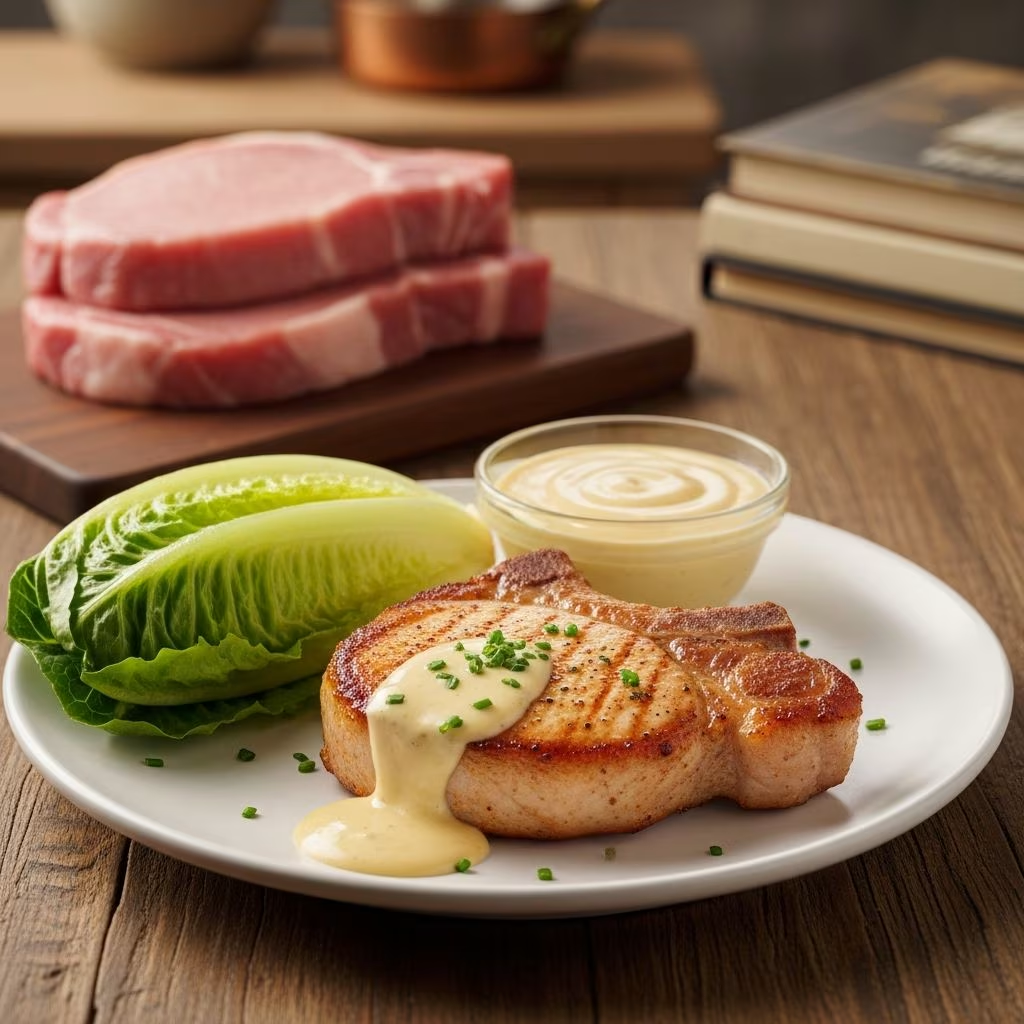
- Thin-sliced pork chops: Select pieces that measure approximately 6 to 8 individual portions from a single package. Thinner cuts cook more evenly and allow the flavoring elements to penetrate effectively throughout the meat.
- Caesar-style dressing: Approximately 1.5 cups of creamy formulation provides the moisture and flavor base. Quality matters here—select a version you genuinely enjoy eating on salads, as this direct flavor transfer is fundamental to the dish’s success.
- Freshly grated Parmesan cheese: Half a cup of quality cheese creates the finishing layer. Fresh grating produces superior texture and flavor compared to pre-packaged versions.
These three components represent the complete ingredient list. Additional seasonings remain optional—the existing components provide sufficient flavor complexity for most palates. Some cooks enjoy adding subtle enhancements like cracked black pepper or fresh herb garnishes, though these fall outside the core three-ingredient structure.
Preparation Techniques That Ensure Success
Getting Your Proteins Ready
Begin by removing the pork chops from their packaging and rinsing them thoroughly under cool running water. Pat each piece completely dry using paper towels—this crucial step removes surface moisture that can interfere with browning and flavor development. While examining each chop, trim any excess fat deposits, though some marbling provides beneficial flavor during cooking.
Clean, dry protein surfaces interact better with the dressing coating, resulting in superior adhesion and more even cooking throughout. This preparation phase takes mere minutes but significantly impacts the final outcome. Many home cooks underestimate this step’s importance, yet it represents the difference between mediocre and excellent results.
Layering for Maximum Impact
Select a 9-by-13-inch baking dish as your cooking vessel. Spread a thin layer of Caesar dressing across the bottom surface—this creates a protective barrier against sticking while contributing flavor to the cooking process. Pour the remaining dressing into a separate shallow container.
Working with each pork chop individually, dredge both sides completely through the dressing in the separate container, ensuring thorough coverage. Arrange the coated pieces in a single layer within the prepared dish, positioning them so they don’t overlap. Uneven stacking prevents uniform heat distribution and creates inconsistent cooking results.
The final step involves distributing the grated Parmesan generously across the top surface of each piece. This cheese layer serves multiple functions simultaneously: it provides textural interest, develops a golden-brown appearance, and creates a flavorful crust that contains the moisture underneath.
Mastering the Baking Process
Temperature and Timing Considerations
Preheat your oven to 350 degrees Fahrenheit before beginning any other preparation steps. This ensures the cooking environment reaches optimal temperature precisely when your dish is ready to enter. While the oven preheats, you can accomplish your ingredient preparation without time pressure.
Once your prepared dish enters the oven, plan for approximately 25 minutes of cooking time. The actual duration may vary slightly based on the thickness of your individual pork chops and your oven’s specific characteristics. Rather than relying solely on time, use an instant-read meat thermometer to confirm doneness—the internal temperature should reach 145 degrees Fahrenheit according to food safety guidelines.
The decision whether to cover the dish during baking affects the final texture significantly. Uncovered baking allows the Parmesan layer to develop a crispier, more golden appearance while the pork retains impressive moisture beneath. Covered baking, using aluminum foil, produces slightly more uniform moisture but results in a softer cheese layer. Most cooks prefer the uncovered method for superior textural contrast.
Recognizing Proper Doneness
Perfectly cooked pork remains juicy rather than dry, with a subtle pink interior that doesn’t indicate undercooking at modern safe temperatures. The meat should feel firm to the touch but not rigid, and should release clear juices rather than pink-tinged liquid when pierced. The cheese topping should display golden-brown coloration with slight crisping around the edges.
Remove the dish from the oven as soon as the temperature target is achieved—additional cooking beyond this point contributes nothing to flavor and risks drying out the protein. Allow the cooked pieces to rest briefly on the serving platter before eating; this brief period permits the proteins to relax and retain maximum moisture.
Dietary Accommodations and Creative Variations
Adapting for Dietary Restrictions
The dairy-free community need not miss this dish’s appeal. Substitute traditional Caesar dressing with dairy-free alternatives now widely available in most grocery stores. These formulations replicate the original flavor profile while accommodating dietary preferences. The Parmesan layer can be replaced with nutritional yeast, dairy-free cheese alternatives, or simply omitted entirely, allowing the dressing layer to form the golden finishing crust independently.
For those monitoring sodium intake, selecting lower-sodium dressing versions maintains the recipe’s simplicity while addressing health considerations. Readers with gluten sensitivities should verify that their chosen dressing contains no gluten-containing additives, though most standard versions prove safe.
Flavor Profile Alternatives
The framework established by this recipe accommodates numerous variations while maintaining the three-ingredient principle. Substituting Italian dressing for Caesar provides an herbaceous dimension, particularly when combined with a balsamic reduction drizzle. Honey mustard variations create sweeter undertones appreciated by those preferring less savory profiles.
Different cheese varieties alter the finishing character substantially. Asiago produces earthier notes, while a sharp cheddar blend introduces more assertive flavors. The recipe’s flexibility permits customization based on available ingredients and personal preferences without compromising the core simplicity that makes this approach appealing.
Strategic Accompaniment Recommendations
The mild, creamy character of these pork chops pairs gracefully with numerous side dishes. Starchy options like wild rice or roasted potatoes balance the richness of the Caesar component. Green vegetables including steamed broccoli, sautéed green beans, or fresh spinach salads provide textural contrast and nutritional completeness.
Consider the overall meal composition when selecting accompaniments. Lighter sides work well if serving to those with smaller appetites, while heartier sides appeal to those seeking more substantial meals. A simple green salad dressed with lemon vinaigrette provides palate-cleansing acidity that complements the savory main course beautifully.
Time Management and Planning Strategies
Quick-Cook Scheduling
The ingredient preparation phase requires approximately 15 minutes from start to finish, while the actual baking occupies about 25 to 30 minutes. This timing permits flexibility for busy evenings: begin your preparation while commuting home, delegate tasks among family members, or engage children in the cooking process as an educational opportunity.
Advance planning enhances efficiency further. Trim excess fat from pork chops and prepare the dressing mixture earlier in the day, storing components separately in the refrigerator. At mealtime, assembly requires mere minutes before the dish enters the oven. This strategy works particularly well for meal-planning households coordinating multiple dinner contributors.
Make-Ahead Considerations
While the assembled dish doesn’t improve substantially from overnight refrigeration, preparing components in advance saves evening time considerably. Assembled dishes can sit refrigerated for up to four hours before cooking, though room-temperature assembly and immediate cooking produces superior results. Cooked leftovers store well for three to four days, though reheating gently at low temperatures prevents additional drying.
Practical Kitchen Guidance
Equipment Essentials
A standard 9-by-13-inch baking dish accommodates the typical recipe quantity perfectly. Glass versions allow visual assessment of browning progression, while ceramic or metal options work equally well functionally. A meat thermometer eliminates guesswork regarding doneness and represents an investment in consistent cooking success across numerous recipes.
Common Challenges and Solutions
| Challenge | Likely Cause | Solution |
|---|---|---|
| Dry, tough texture | Overcooking beyond 145°F target | Use thermometer to monitor precisely; remove immediately at target temperature |
| Uneven cooking | Varying thickness or overlapping pieces | Select similar-sized chops; arrange in single non-overlapping layer |
| Cheese burns before pork finishes | Oven temperature too high | Verify oven calibration; consider covering with foil partially through cooking |
| Dressing separates or becomes greasy | Poor quality dressing or excess oil | Select quality dressing; drain excess liquid before using |
Frequently Asked Questions
Can I substitute different types of pork cuts for these chops? While this recipe optimizes for thin-sliced chops, bone-in varieties work adequately with extended cooking times of 30 to 35 minutes due to increased thickness. Pork tenderloins require adjustment to the recipe structure and aren’t recommended for this particular application.
Does covering the dish during baking significantly affect the outcome? Uncovered baking produces crispier cheese and more appealing browning, while covered cooking yields softer cheese and slightly more moisture retention. Either method produces acceptable results; choose based on your textural preferences and available time.
What temperature indicates proper doneness for food safety? The United States Department of Agriculture recommends an internal temperature of 145 degrees Fahrenheit for pork, measured at the thickest portion away from any bone. A meat thermometer provides the most reliable confirmation.
Can I prepare this dish ahead and cook it later? Yes, assembled dishes refrigerate successfully for up to four hours. Cook from room temperature or extend cooking time by five minutes if cooking directly from refrigerated state.
What if my oven tends to cook unevenly or runs hot? Monitor the first time you prepare this recipe closely, noting actual cooking times in your specific oven. Rotate the baking dish halfway through cooking if your oven has known hot spots. Verify your oven’s calibration periodically using an oven thermometer.
References
- Pork Safety and Temperature Guidelines — United States Department of Agriculture Food Safety and Inspection Service. 2024. https://www.fsis.usda.gov/food-safety/safe-food-handling-and-preparation/meat/pork
- Cooking Methods for Lean Proteins — American Meat Science Association. 2023. https://www.meatscience.org