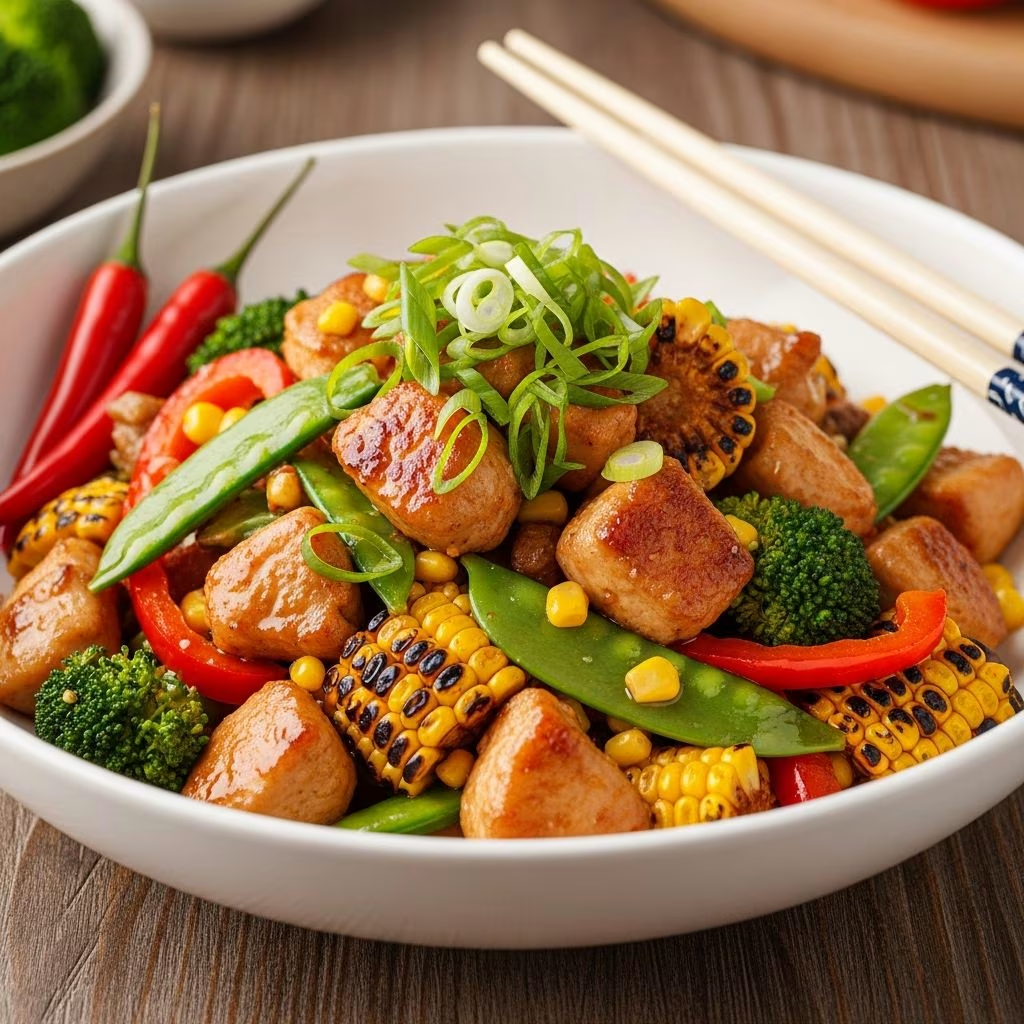
The beauty of stir-fry cuisine lies in its simplicity combined with impressive results. Chicken and corn stir-fry represents one of the most accessible yet satisfying dishes that can grace your dinner table in under thirty minutes. This classic combination of tender poultry and sweet corn kernels, unified by savory sauces and aromatic ingredients, has earned its place in kitchens across the globe. Whether you’re preparing a quick weeknight meal or impressing guests with seemingly effortless elegance, understanding the fundamentals of this versatile dish opens doors to countless culinary variations and personal creativity.
Understanding Protein Selection and Preparation
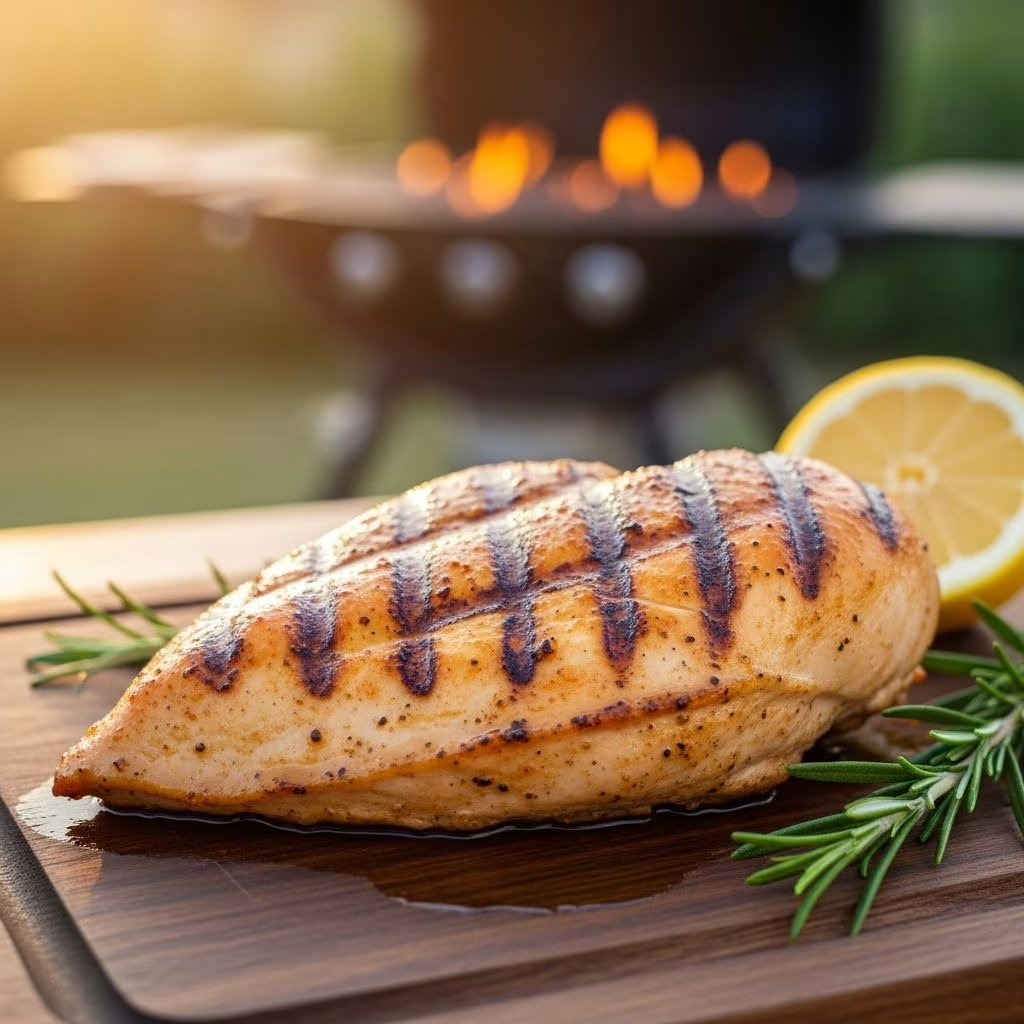
The foundation of any exceptional stir-fry begins with selecting the right protein and preparing it correctly. Your choice between chicken breast and chicken thigh dramatically influences both the final texture and flavor profile of your dish. Chicken breast, with its lean composition, cooks quickly and delivers a cleaner taste that doesn’t overpower delicate vegetables. This option proves ideal when you prioritize speed and health consciousness. Conversely, chicken thighs contain higher fat content and connective tissue that render into rich, savory flavor compounds during cooking, creating a more forgiving and luxurious result even with slight overcooking. Many experienced cooks prefer thighs for stir-frying because they maintain juiciness throughout the cooking process and develop superior caramelization.
Regardless of your protein choice, proper cutting technique establishes the foundation for even cooking. Slice chicken into uniform pieces approximately half an inch thick, ensuring consistency in size allows every piece to cook through simultaneously. For breast meat, cut against the grain to increase tenderness, while thigh meat can be cubed for a more rustic presentation. The thinness of these pieces matters significantly—thinner cuts cook faster and absorb sauce more effectively, while thicker pieces take longer but retain more moisture and develop better texture contrast.
Marinating your chicken before cooking introduces flavor that penetrates the meat itself rather than merely coating the surface. A simple marinade combining soy sauce, sesame oil, ginger, and garlic, even for just five minutes, creates noticeable improvement in the final dish. This brief marinade also prevents the meat from becoming rubbery by allowing the soy sauce’s amino acids to season the protein thoroughly.
Selecting and Processing Corn Components
Corn selection significantly influences whether your stir-fry tastes vibrant or flat. Fresh corn kernels, when available during peak season, deliver superior sweetness and textural contrast. Cutting kernels from the cob requires careful technique—stand the corn upright and use a sharp knife to slice downward along the cob, rotating between cuts to remove all kernels while leaving none behind on the woody core. This method yields pristine kernels ready for immediate cooking.
When fresh corn isn’t available, frozen corn kernels represent an excellent alternative, offering comparable nutritional value and comparable flavor when properly handled. Thaw frozen corn completely and allow excess moisture to drain, as moisture will create steam instead of the sear necessary for developing flavor through the Maillard reaction. Canned corn requires even more attention—rinse thoroughly under cold water and pat dry to remove starch and excess sodium that could dilute your sauce and compromise texture.
Baby corn, a specialty ingredient harvested before maturity, offers a delicate texture and slightly sweet flavor distinct from standard corn kernels. These immature ears remain tender enough to eat whole, eliminating preparation needs while adding visual sophistication to your finished dish. Canned baby corn works satisfactorily provided you drain it completely before use. Some cooks prefer mixing baby corn with standard kernels for textural variation and visual interest.
Building Complementary Vegetables and Aromatics
While corn and chicken anchor your stir-fry, supporting vegetables and aromatics create the complex flavor profile that distinguishes homemade stir-fry from mediocre takeout. Onions—whether red, yellow, or white varieties—provide a sweet, caramelized base when cooked first, creating flavor depth that underlies the entire dish. Cut onions into uniform pieces slightly larger than corn kernels to maintain structural integrity throughout cooking.
Bell peppers contribute vibrant color and slight sweetness without overpowering the delicate chicken and corn. Red peppers offer superior sweetness, while green peppers provide grassy, herbaceous notes. Slice peppers into strips or chunks sized appropriately for your other ingredients. Carrots add natural sweetness and textural contrast, though their longer cooking time requires adding them earlier than more delicate vegetables if you prefer them tender, or later if you prefer them with slight crunch.
The aromatic foundation of snap peas, garlic, and ginger cannot be overstated. Ginger provides peppery warmth and digestive benefits, while garlic contributes umami depth and pungent complexity. Mince these ingredients finely so they distribute throughout the dish and release their essential oils during the initial cooking phase. Some recipes include scallions or fresh cilantro added at the end for brightness and textural contrast against soft-cooked elements.
Crafting the Perfect Sauce Balance
The sauce transforms individual ingredients into a unified, harmonious dish. Traditional stir-fry sauces combine three fundamental components: umami from soy sauce or oyster sauce, acid from rice vinegar or wine, and richness from sesame oil. These three elements balance each other perfectly—umami provides savory depth, acid cuts through richness and brightens flavors, while sesame oil adds toasted, nutty aromatics that elevate the entire dish.
Oyster sauce deserves particular attention as it brings more complexity than soy sauce alone, contributing subtle sweetness and depth from concentrated oyster extract. Combine one to two tablespoons of oyster sauce with two tablespoons of low-sodium soy sauce to avoid over-salting. A tablespoon of rice vinegar provides the necessary acid balance, while one to two teaspoons of toasted sesame oil adds aromatic richness without requiring excessive quantities that would make the dish greasy.
Some recipes add a teaspoon of sugar to balance acidity and enhance the natural sweetness already present in corn and some vegetables. Cornstarch or tapioca starch, mixed with small quantities of water or broth, thickens the sauce into a glossy coating rather than a thin liquid that drains away. Approximately one-half to one tablespoon of cornstarch mixed with two to three tablespoons of liquid creates an ideal consistency that clings to ingredients without becoming gluey or starchy-tasting.
Prepare your complete sauce before cooking begins. Combine all liquid and flavoring ingredients in a small bowl, allowing flavors to meld slightly while you prepare other components. This advance preparation proves essential because stir-frying happens too quickly to mix sauce mid-cooking without compromising texture and timing.
Mastering Heat and Timing for Superior Results
High heat represents the signature characteristic of stir-frying technique. This intense heat initiates the Maillard reaction on protein surfaces, creating flavorful browning while keeping interiors tender and moist. Preheat your wok or large skillet over medium-high heat until it feels hot to your hand held several inches above the surface. This preparation ensures that protein sears immediately upon contact rather than steaming in residual moisture.
The cooking sequence matters tremendously for optimal results. Begin by heating oil until shimmering, then add aromatics (garlic, ginger, onions) for approximately one minute—just long enough to release their essential oils and perfume the entire pan. Next, introduce your marinated chicken, spreading pieces into a single layer without crowding the pan. Crowding reduces heat and creates steaming rather than searing. Cook chicken undisturbed for three to four minutes until the bottom develops golden browning, then stir frequently for the remaining cooking time until the meat appears cooked through and beginning to turn golden brown overall.
Remove chicken temporarily to a clean plate, then add remaining vegetables (carrots, peppers, snap peas) and corn. Stir-fry these components for two to three minutes until they soften slightly while maintaining textural firmness that distinguishes quality stir-fry from mushy, overcooked vegetable medleys. Return the chicken to the pan, pour in your prepared sauce, and toss everything continuously for thirty seconds to one minute. The sauce should bubble slightly, indicating heat sufficient to reduce and thicken, creating a glossy coating that clings to every ingredient.
Equipment Considerations and Cooking Vessel Selection
While traditional woks provide excellent results for experienced cooks, large skillets or sauté pans work perfectly well in modern kitchens. A 12-inch skillet offers sufficient surface area for high-heat cooking while containing splatter better than traditional woks on standard home stovetops. The larger cooking surface area allows proper heat distribution and prevents overcrowding, which disrupts temperature and creates steaming rather than searing.
Your cooking fat selection influences both the final flavor and the smoke point required for high-heat stir-frying. Vegetable oil, canola oil, and peanut oil all offer neutral flavors and high smoke points around 400-450°F, making them ideal choices. Avoid olive oil, which has a lower smoke point and would impart flavors that clash with Asian spice profiles. Ghee or clarified butter can work when you prefer richer, more butter-forward results, though traditional stir-frying employs neutral oils that allow other flavors to shine.
Ingredient Preparation Strategies and Mise en Place
Professional cooks emphasize the importance of mise en place—having all ingredients prepared and arranged before cooking begins. Stir-frying happens too quickly to pause mid-cooking for cutting vegetables or measuring sauce components. Dedicate ten to fifteen minutes to preparation: cutting all vegetables into uniform sizes, mincing aromatics, slicing protein, combining sauce ingredients, and arranging everything within arm’s reach of your cooking station.
This preparation strategy eliminates stress and prevents common mistakes like overcooking protein while searching for missing ingredients. It also ensures consistent results across multiple preparations, allowing you to replicate successful versions and identify opportunities for refinement.
Flavor Variations and Creative Adaptations
The basic chicken and corn stir-fry template adapts beautifully to personal preferences and available ingredients. Replace chicken with shrimp for seafood versions, using the same cooking time and techniques. Substitute standard corn with baby corn for elegant presentations, or combine both for textural variation. Introduce cashews, water chestnuts, or peanuts for textural contrast and added richness.
Adjust spice levels by adding red pepper flakes, fresh chilies, or sriracha to the sauce base. Incorporate Asian vegetables like bok choy, Chinese broccoli, or mushrooms for umami depth. Some cooks finish the dish with a handful of fresh basil or cilantro, adding brightness and complexity to the final presentation.
Frequently Asked Questions
Can I prepare chicken and corn stir-fry in advance?
Yes, you can prepare all ingredients several hours ahead—vegetables cut, chicken sliced and marinated, sauce combined in a bowl, and aromatics minced. Store prepped ingredients in separate containers in the refrigerator, then cook only when ready to serve. The actual cooking takes approximately ten minutes, making last-minute preparation feasible even on busy weeknights.
What’s the best oil for stir-frying?
Neutral oils with high smoke points work best. Vegetable, canola, and peanut oil all reach 400-450°F before smoking, providing reliable performance in high-heat stir-frying. Peanut oil adds subtle richness that some cooks prefer, while vegetable oil offers pure neutrality. Avoid olive oil and butter, which have lower smoke points and can burn at stir-fry temperatures.
How do I prevent chicken from becoming tough and dry?
Avoid overcooking by using proper high heat that sears the outside quickly, and stop cooking when the meat just appears cooked through—residual heat continues cooking slightly after removal from the pan. Chicken thighs remain juicy even with slight overcooking, while breast meat requires more precision. Slicing against the grain also increases perceived tenderness by shortening muscle fibers.
Should I use fresh or frozen corn?
Both work well when handled properly. Fresh corn provides superior sweetness during peak season, while frozen corn offers comparable nutrition and flavor year-round. Thaw frozen corn completely and drain excess moisture before cooking. Canned corn requires thorough rinsing to remove starch and sodium that could compromise texture and sauce balance.
Can I make this recipe vegetarian or vegan?
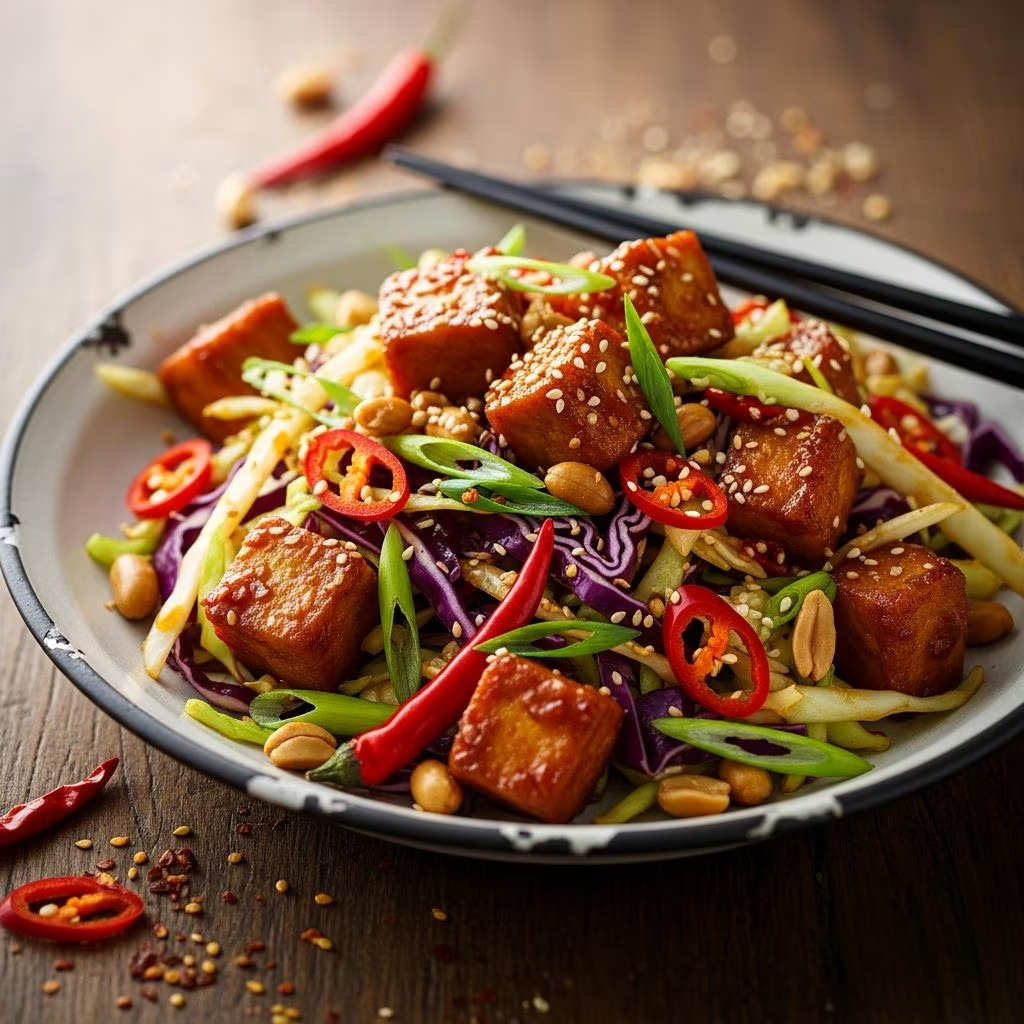
Absolutely. Replace chicken with firm tofu, tempeh, or additional vegetables like mushrooms and cauliflower. Ensure adequate protein by including legumes or nuts if desired. Adjust cooking times accordingly—tofu requires less cooking than chicken, while hearty vegetables may need longer to become tender.
Serving Recommendations and Accompaniments
Serve stir-fry over steamed white rice, brown rice, or jasmine rice to complement the sauce and create a complete meal. Cauliflower rice offers lower-carbohydrate options, while noodles provide alternative starches—egg noodles, ramen, or lo mein noodles all work beautifully. Some prefer enjoying stir-fry alone as a protein-forward meal with minimal starches.
Garnish with sesame seeds, chopped scallions, or fresh cilantro to add textural contrast and visual appeal. Serve immediately while ingredients retain their individual textural qualities and the sauce remains warm enough to coat everything evenly. This dish doesn’t keep well once prepared, so cook only what you’ll consume immediately or plan on reheating portions gently without overcooking proteins further.
References
- Chicken Selection and Cooking Techniques for Stir-Fry — Panlasang Pinoy. 2024. https://panlasangpinoy.com/chicken-and-baby-corn-stir-fry/
- Building Umami-Forward Stir-Fry Sauces — I Heart Umami. 2024. https://iheartumami.com/stir-fry-corn-with-chicken/
- High-Heat Stir-Fry Techniques and Maillard Reaction — Fifteen Spatulas. 2024. https://www.fifteenspatulas.com/quick-chicken-stir-fry/