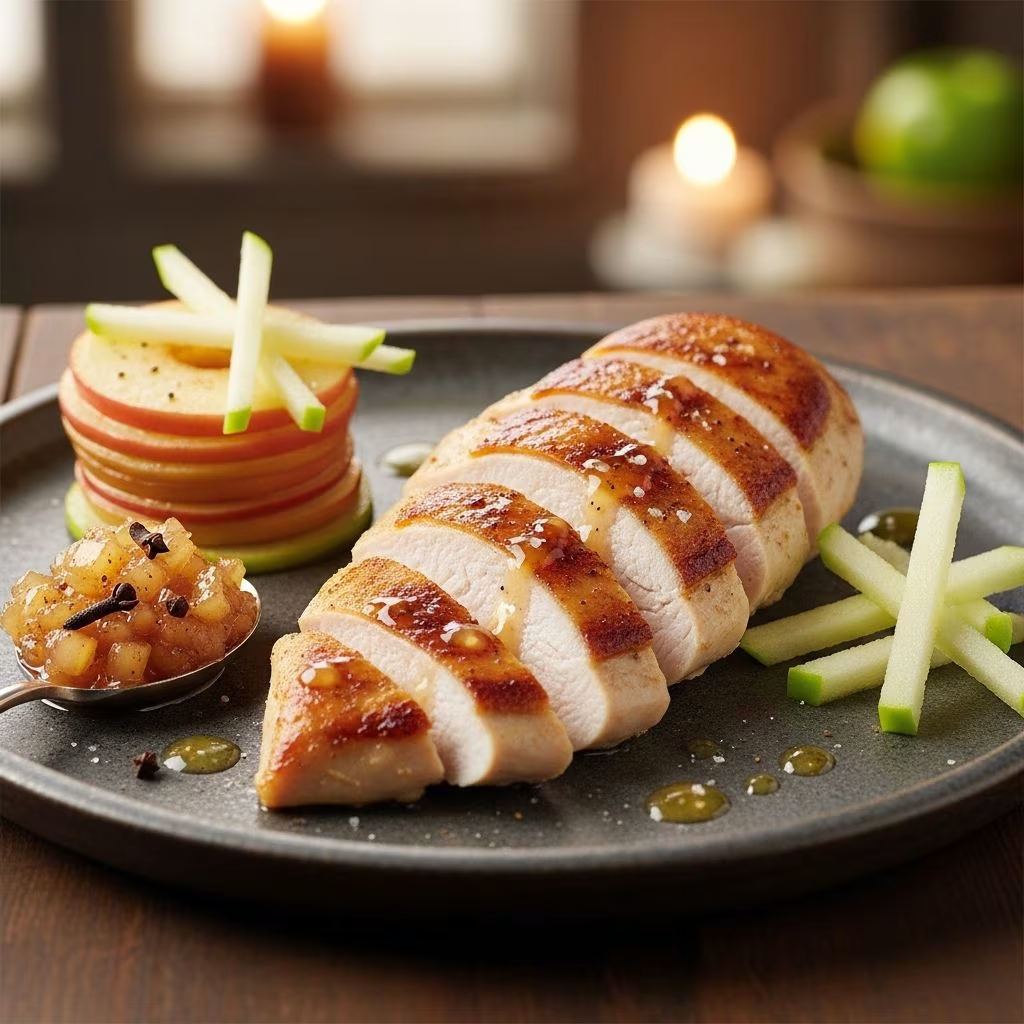
Creating a satisfying main course that balances simplicity with sophisticated flavors requires understanding a few key techniques. When boneless chicken breasts meet crisp apples in a well-executed skillet preparation, the result is a dish that feels elevated enough for guests yet straightforward enough for busy weeknights. This comprehensive guide walks you through the methodology, ingredient considerations, and execution steps needed to produce consistently excellent results.
Understanding the Foundation: Why This Combination Works
The pairing of poultry with apples represents a time-tested culinary tradition that bridges sweet and savory elements. Chicken breasts provide a neutral canvas that absorbs surrounding flavors while maintaining a tender texture when prepared correctly. Apples contribute natural sweetness, acidity, and textural contrast. The combination creates a meal that satisfies multiple taste preferences without requiring complicated techniques or uncommon ingredients.
This dish category works particularly well for home cooks because it accommodates various skill levels. Beginners can follow straightforward steps and still achieve commendable results, while experienced cooks can modify techniques and ingredients based on personal preferences and available resources. The flexibility of the basic approach means you’re not locked into a single preparation method.
Selecting Quality Ingredients: Making Intentional Choices
Chicken Selection and Preparation
The chicken component determines much of your dish’s success. Boneless, skinless chicken breasts serve as the standard choice for this preparation because they cook quickly and evenly when properly thinned. Look for breasts that are relatively uniform in thickness; this consistency ensures even cooking throughout.
When you bring chicken home, consider its thickness immediately. Most supermarket chicken breasts arrive somewhat thick for quick cutlet preparation. You’ll want to butterfly or pound them to approximately one-quarter inch thickness. This step is not optional—it fundamentally changes cooking time and ensures the interior reaches proper temperature while the exterior develops color.
Pat chicken completely dry before any treatment. Moisture on the surface prevents browning and creates steam rather than the desirable golden crust. Paper towels work effectively for this preliminary step.
Apple Varieties and Their Characteristics
Not all apples perform identically in cooked preparations. Selecting the right variety prevents your apple components from dissolving into applesauce or remaining unpleasantly hard. Firm-flesh apple varieties like Honeycrisp, Granny Smith, Braeburn, Fuji, and Pink Lady maintain their shape during cooking while developing subtle caramelization around the edges.
| Apple Variety | Sweetness Level | Firmness | Best Use in This Recipe |
|---|---|---|---|
| Honeycrisp | Very Sweet | Very Firm | Sliced accompaniment with pronounced sweet notes |
| Granny Smith | Tart | Very Firm | Balancing sweetness in the sauce |
| Braeburn | Balanced | Firm | All-purpose use in both garnish and sauce |
| Fuji | Sweet | Firm | Subtle sweetness without overpowering |
| Pink Lady | Balanced | Firm | Visual appeal with complementary flavor |
Avoid softer varieties like Red Delicious or McIntosh, which break down excessively during cooking. If you’re uncertain about an apple’s firmness, the skin test works well—a firm apple’s skin resists pressure from your thumbnail, while softer varieties yield more easily.
Supporting Ingredients and Flavor Builders
The supporting cast of ingredients elevates your chicken and apple from simple to sophisticated. Dijon mustard adds piquancy and helps emulsify any cream-based sauces. Brown sugar or honey provides subtle sweetness that complements rather than overwhelms the natural apple flavor. Apple cider vinegar brings acidity that balances richness and brightens the overall flavor profile.
Fresh herbs like rosemary or thyme contribute aromatic depth, particularly when used with restraint. A single teaspoon of minced fresh rosemary adequately flavors a four-portion dish; excess quantities can produce medicinal notes. Garlic should be minced finely rather than sliced, allowing it to distribute evenly and cook quickly without browning excessively.
Technique Mastery: The Execution Process
Preparing Chicken for Cooking
Begin by establishing your chicken’s uniform thickness. Place breasts on a cutting board and, using a sharp knife, slice horizontally to butterfly them open. Alternatively, position a breast on the board and cut it in half lengthwise if you prefer thinner individual pieces. Some cooks find purchasing pre-cut chicken cutlets worthwhile for convenience, though making your own saves money and provides control over thickness.
Cover your chicken with plastic wrap and position it on the cutting board. Using a meat mallet or rolling pin, pound firmly and evenly until the chicken reaches your target thickness. Work from the center outward using firm, deliberate motions rather than aggressive pounding, which can tear the meat. The goal is uniform thickness, not pulverized texture.
Season both sides generously with kosher salt and freshly ground black pepper. Let the seasoned chicken rest for a moment while you prepare your cooking surface. This brief pause allows salt to begin drawing moisture to the surface, which will help form a flavorful crust.
Creating the Perfect Sear
Heat your skillet over medium-high heat for approximately two minutes before adding any fat. A properly preheated pan prevents sticking and creates the browning reaction you’re seeking. Add a combination of butter and olive oil—the butter contributes flavor while the olive oil raises the smoke point, preventing burning.
Once your fat is shimmering and moves fluidly across the pan surface, carefully place your chicken pieces away from you, moving them toward you as they hit the pan. This technique prevents splashing and ensures good contact between chicken and heat.
Resist the urge to move your chicken for approximately three to four minutes. Excessive movement prevents browning and creates steam. You’ll notice the edges beginning to lighten as proteins cook; when approximately half the chicken’s thickness appears cooked, you’re ready to flip. Cook the second side for approximately three to four minutes until the internal temperature reaches 165°F on a meat thermometer.
Avoid crowding your pan. If your skillet cannot accommodate all your chicken pieces with at least a half-inch gap between them, work in batches. Crowded pans create steam, producing gray chicken rather than golden-brown cutlets.
Incorporating Apples and Building Flavor
After removing your cooked chicken to a plate, maintain your pan’s heat and add your sliced apples. Without disrupting them for the first few minutes, allow the apple slices to develop light browning and caramelization. After this initial contact with heat, use a spatula to turn them carefully, cooking the second side for approximately three to five minutes.
The apples are ready to progress when they’re softened but still maintain their shape. You should see light golden-brown edges without any mushy texture. At this point, add finely minced onions to the pan, stirring constantly for approximately one to two minutes until they become fragrant.
Add your minced garlic and fresh herbs, cooking for only thirty seconds to one minute. Prolonged heat causes garlic to brown and develop harsh, bitter notes. When the garlic becomes fragrant, immediately pour in your liquid—chicken stock, apple juice, or a combination—scraping the pan’s bottom with a wooden spoon to release flavorful browned bits.
Sauce Development and Final Assembly
Lower your heat to medium-low and return your chicken to the pan, nestling it among the apples and onions. Add your Dijon mustard, apple cider vinegar, and brown sugar, stirring to combine. Allow this mixture to simmer gently for approximately two minutes, letting flavors meld and sauce begin to thicken slightly.
If you’re incorporating cream, add it now, stirring constantly. Never allow cream-based sauces to boil, as rapid heat causes the cream to break and separate, producing a grainy, unappealing texture. Maintain a gentle simmer, and the sauce will thicken adequately in approximately one to two minutes.
Taste your sauce and adjust seasonings. Commonly needed adjustments include additional salt for depth, additional vinegar for brightness, or additional brown sugar for sweetness. Make incremental changes, tasting after each adjustment to avoid overshooting your target flavor.
Cooking Variables and Troubleshooting Guide
Common Challenges and Solutions
Dry chicken: This typically results from overcooking. Use a meat thermometer rather than relying on color or time estimates. Remove chicken at exactly 165°F; it will carry over cook slightly as it rests. If you’re consistently struggling, consider using chicken thighs instead of breasts—thighs tolerate longer cooking without drying out.
Apples that become mushy: Softer apple varieties or extended cooking time cause this problem. Verify you’re using appropriately firm varieties, and reduce cooking time. Start checking for doneness after three minutes rather than automatically cooking the full five minutes.
Pale, gray chicken: Insufficient pan heat or overcrowding typically causes this issue. Ensure your pan is properly preheated—it should be hot enough that a drop of water immediately sizzles and evaporates. Cook in batches if necessary to avoid overcrowding.
Separated or grainy sauce: Boiling cream-based sauces causes this problem. After adding cream, maintain gentle heat and resist the urge to increase temperature. If separation occurs, remove the pan from heat and whisk in a tablespoon of cornstarch mixed with cold water, whisking constantly until smooth.
Presentation and Serving Recommendations
Plating significantly influences how your finished dish is perceived. Arrange chicken cutlets on the plate first, positioning them to show off the golden-brown exterior. Distribute apples and onions artfully around and partially over the chicken. Spoon sauce generously over everything, ensuring it pools slightly on the plate for visual appeal and moisture.
Garnish with fresh herbs—a small rosemary sprig, parsley, or thyme adds visual sophistication with minimal effort. A scatter of toasted pepitas or nuts provides textural contrast and visual interest if you desire additional complexity.
Serve immediately while components maintain appropriate temperatures. Timing is particularly important because this dish’s appeal partly depends on contrast between tender warm chicken, cooked-but-firm apples, and a creamy sauce.
Complementary Side Dishes and Beverage Pairings
This chicken preparation pairs beautifully with sides that provide textural and flavor contrast. Creamy polenta, soft mashed potatoes, or buttered egg noodles complement the sauce elegantly. For lighter accompaniments, consider a simple grain like farro or a green salad dressed with vinaigrette—the acidity balances the dish’s richness.
Vegetable sides that work particularly well include roasted root vegetables like carrots or parsnips, sautéed greens like spinach or kale, or steamed asparagus. Avoid side dishes with competing apple or cream components, which risk creating flavor overlap rather than complementary contrast.
Frequently Asked Questions
Can I prepare this dish in advance?
Yes, with modifications. Prepare the recipe completely, cool it, and refrigerate in an airtight container for up to three days. Reheat gently over medium-low heat on the stovetop, adding a splash of chicken stock if the sauce seems dry. Avoid microwaving, which can toughen the chicken.
What if I don’t have Dijon mustard?
Whole grain mustard works as a substitute, providing similar piquancy with visible seeds. Yellow mustard is milder but acceptable. Avoid spicy varieties unless you specifically want heat. If mustard isn’t available, increase apple cider vinegar by one teaspoon for comparable acidity.
How do I prevent apples from browning before cooking?
Toss sliced apples with a small amount of lemon juice immediately after cutting. The acid prevents oxidation without noticeably affecting flavor. This step isn’t essential if you’re cooking immediately, but it’s helpful when preparing ingredients in advance.
Can I use apple juice instead of chicken stock?
Yes, but the flavor balance shifts toward sweetness. Use a combination of equal parts apple juice and chicken stock for better balance, or choose unsweetened apple juice specifically. This substitution works best when you reduce brown sugar by half.
What’s the difference between butterflying and pounding chicken?
Butterflying uses a knife to slice horizontally, creating two thinner pieces from one thick breast. Pounding uses a mallet to flatten a single piece. Both achieve the target thickness; butterflying provides slightly more uniform results, while pounding requires less knife skill.
Nutritional Considerations and Dietary Variations
This dish provides approximately 350-400 calories per serving, depending on portion size and preparation specifics. The primary nutritional contributors are protein from chicken and fats from butter, oil, and cream. Apples provide fiber and natural sugars without significant caloric density.
For lower-fat variations, substitute Greek yogurt for half the cream and use cooking spray instead of butter. These modifications reduce caloric density while maintaining creamy texture. Vegetarians cannot easily adapt this recipe, though the apple-onion preparation and sauce work with firm tofu or hearty mushroom varieties.
References
- The Seasoned Mom – Chicken and Apples Skillet Dinner Recipe — The Seasoned Mom. 2023. https://www.theseasonedmom.com/skillet-chicken-recipe/
- Real Food Whole Life – Amazing Chicken Apple Skillet — Real Food Whole Life. 2023. https://realfoodwholelife.com/recipes/chicken-apple-skillet/
- Two Peas and Their Pod – Crispy Chicken Cutlets with Apple Slaw — Two Peas & Their Pod. 2022. https://www.twopeasandtheirpod.com/crispy-chicken-cutlets/
- Easy Chicken Recipes – Baked Apple Chicken Recipe — Easy Chicken Recipes. 2023. https://easychickenrecipes.com/apple-chicken-chicken-with-apples/