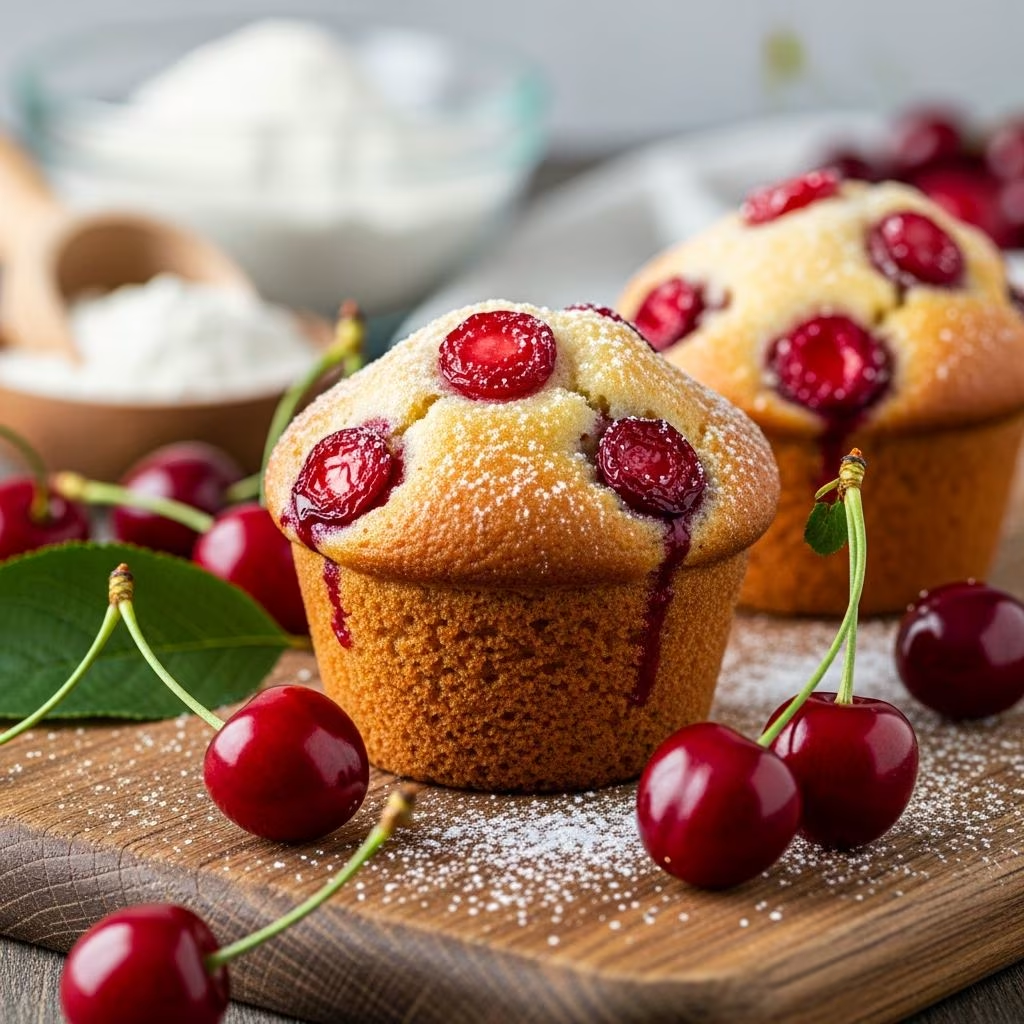
Cherry muffins represent one of the most satisfying homemade baked goods you can prepare in your kitchen. The combination of tender crumb, juicy fruit pockets, and customizable toppings makes these muffins appealing for breakfast, brunch, or afternoon snacking. Unlike many complex recipes that demand specialized equipment or rare ingredients, cherry muffins rely on straightforward techniques and pantry staples that most home bakers already possess. Whether you’re a novice baker exploring basic muffin recipes or an experienced cook seeking to refine your technique, understanding the fundamentals of cherry muffin preparation will elevate your baking results.
Understanding Your Ingredient Selection
The foundation of exceptional cherry muffins begins with thoughtful ingredient choices. Each component plays a specific role in determining the final texture, flavor profile, and overall quality of your finished product. Rather than simply combining whatever items you have available, strategic selection of quality ingredients directly impacts your baking success.
Flour and Leavening Agents
All-purpose flour serves as the structural backbone of your muffin batter, typically comprising between 1.5 to 3 cups depending on your recipe variation. The flour provides the protein matrix that traps air bubbles and creates the characteristic tender crumb structure. Baking powder acts as the primary leavening agent, with most recipes incorporating between 1.5 to 2 teaspoons per batch. This chemical leavener responds immediately to moisture and heat, creating the rise that occurs during the initial baking phase. Some advanced recipes include a small amount of baking soda paired with acidic components like sour cream or yogurt, which provides additional lift and moisture retention.
Fats and Moisture Components
The fat content in your muffins determines both moisture level and texture. Recipes typically call for either vegetable oil or melted butter in quantities ranging from one-third to one-half cup. Oil-based muffins tend toward a more tender, cake-like crumb due to how oil coats flour particles differently than solid butter. Dairy components including milk, sour cream, and Greek yogurt contribute moisture while affecting flavor and texture. Sour cream and yogurt particularly enhance muffin moistness and create a slightly denser, more luxurious crumb compared to milk alone. Incorporating these acidic dairy products also activates baking soda reactions, creating subtle flavor complexity.
Sweeteners and Flavor Enhancement
Granulated sugar remains the primary sweetening agent in most cherry muffin recipes, typically ranging from three-quarters cup to one cup per batch. Brown sugar variants add subtle caramel notes and slightly affect texture by increasing moisture retention. Almond extract represents a popular flavor complement to cherries, providing aromatic depth that enhances rather than masks the natural fruit flavor. A quarter to one-half teaspoon of almond extract creates noticeable impact without overwhelming other taste components. Vanilla extract serves as a reliable alternative when almond extract is unavailable, though it provides a more neutral flavor profile.
Cherry Selection and Preparation
The type of cherry you select fundamentally shapes your muffin’s character. Fresh cherries during peak season deliver superior flavor and texture, with juice-filled fruit creating pockets of intense sweetness throughout each muffin. Fresh cherries require pitting and chopping, with most recipes calling for one to two cups of prepared fruit. Frozen cherries offer year-round availability and can substitute for fresh fruit, though proper preparation matters significantly. Thawing frozen cherries and discarding the accumulated liquid prevents excess moisture from compromising batter consistency. Dried cherries represent another option, though they provide different textural characteristics and concentrated sweetness compared to fresh or frozen varieties.
Mastering the Mixing Technique
The manner in which you combine ingredients directly influences muffin texture and structure. Proper mixing technique prevents common issues like dense crumb, tunneling, or rubbery texture that result from overmixing or inadequate ingredient incorporation.
The Dry Ingredient Foundation
Begin by combining all dry ingredients—flour, baking powder, baking soda if using, salt, and optional cinnamon or other spices—in a large bowl. Whisking these components together ensures even distribution of leavening agents throughout the flour. Uneven leavening distribution creates inconsistent rise and irregular crumb structure throughout the batch. Taking 30 to 60 seconds to properly whisk dry ingredients prevents these problems and requires minimal additional effort.
Wet Ingredient Preparation
In a separate bowl, combine all wet ingredients before introducing them to the dry mixture. Cream butter and sugar together if your recipe calls for this step, which incorporates air into the batter and contributes to lighter texture. Add eggs individually, incorporating each one fully before adding the next. This sequence ensures proper emulsification between fat and water components. Whisk in dairy products, extracts, and any additional flavorings until the wet mixture achieves uniform consistency.
The Critical Combination Step
Pour wet ingredients into the dry mixture and gently fold them together using a spatula or wooden spoon. The most common muffin baking mistake involves overmixing at this stage, which develops gluten strands and creates dense, tough texture. Mix only until you see no visible streaks of dry flour, then immediately stop mixing. Small lumps in the batter are acceptable and actually preferable to a completely smooth batter. Fold in the prepared cherries gently at the very end, distributing them evenly without crushing the fruit.
Preparing Your Baking Equipment
Proper equipment preparation ensures even baking and easy removal of finished muffins. Line your muffin tin with paper liners, which simplifies cleanup and prevents sticking. Alternatively, grease muffin cups thoroughly with butter or cooking spray if you prefer muffins without liners. Fill each cup three-quarters to nearly full with batter. Muffins baked in fuller cups develop characteristic domed tops and more even browning. Batter distributed too sparsely creates shallow muffins with flat tops.
Baking Conditions and Temperature Management
Oven temperature significantly impacts muffin development and browning. Most cherry muffin recipes call for baking at either 350°F or 400°F, with different temperatures producing subtly different results. The lower temperature of 350°F allows gentler heat penetration, creating more uniform crumb structure and preventing over-browning of muffin tops. Higher temperatures around 400°F create more pronounced browning and develop crispier exterior texture. Regardless of temperature selection, use an oven thermometer to verify accuracy, as many household ovens run several degrees hotter or cooler than displayed settings.
Baking time typically ranges between 20 to 35 minutes depending on your oven, batter composition, and muffin size. Begin checking for doneness around the 20-minute mark by inserting a toothpick into the center of the largest muffin. The toothpick should emerge with just a few moist crumbs clinging to it, not wet batter. Muffins continue cooking slightly after removal from the oven as residual heat penetrates the center, so slight underbaking is preferable to overbaking.
Optional Toppings and Flavor Variations
Streusel Toppings
A simple streusel topping adds textural contrast and visual appeal. Combine flour, brown or granulated sugar, ground cinnamon, and diced butter in a small bowl. Mix with your fingertips until the mixture resembles coarse breadcrumbs. Sprinkle this mixture generously over unbaked muffin batter immediately before placing in the oven. The streusel creates a crunchy texture that contrasts pleasantly with the tender muffin interior.
Flavor Enhancement Options
Beyond almond extract, numerous complementary flavors enhance cherry muffins. Nutmeg, allspice, or cardamom add warm spice notes that pair beautifully with cherry sweetness. A small amount of lemon zest brightens the overall flavor profile and emphasizes cherry tartness. Chocolate chips or dark chocolate chunks create a sophisticated variation appealing to chocolate enthusiasts. Chopped nuts including almonds, walnuts, or pecans add nutritional value and textural interest.
Adapting the Recipe for Different Fruit Options
The cherry muffin base adapts remarkably well to other fresh fruits. Raspberries, blueberries, blackberries, and strawberries all substitute directly for cherries in equal quantities. Stone fruits including peaches, nectarines, and plums work beautifully when chopped appropriately. These adaptations allow you to create seasonal variations throughout the year, utilizing whatever fresh fruit is currently available and at peak ripeness in your local markets.
Storage and Make-Ahead Guidance
Baked cherry muffins maintain quality in an airtight container at room temperature for up to four days. For extended storage, freeze fully cooled muffins in freezer bags or containers for up to three months. Thaw muffins at room temperature for approximately one hour before serving. Many bakers prefer preparing muffin batter in advance, portioning it into lined muffin cups, and refrigerating or freezing the unbaked muffins. These prepared muffins bake directly from frozen, requiring only a few additional minutes in the oven, making them convenient for quick breakfast preparation.
Troubleshooting Common Baking Issues
| Problem | Likely Cause | Solution |
|---|---|---|
| Dense, heavy texture | Overmixing or insufficient leavening | Mix only until dry ingredients are incorporated; verify baking powder hasn’t expired |
| Tunnels or large holes in crumb | Overmixing or oven temperature too high | Fold ingredients gently; reduce oven temperature by 25°F |
| Dry, crumbly texture | Overbaking or insufficient fat | Reduce baking time; check oven accuracy; increase oil or sour cream slightly |
| Sunken center or flat top | Underbaking or insufficient leavening | Bake longer; verify baking powder freshness; ensure oven reaches proper temperature |
| Excessive browning on top | Oven temperature too high or baking time excessive | Lower oven temperature; cover muffin tops loosely with foil if browning too quickly |
Frequently Asked Questions
Can I use canned cherries instead of fresh or frozen?
Canned cherries are not recommended for muffin baking. The canning process softens the fruit significantly, and the syrup disrupts batter consistency. If canned cherries are your only option, drain them thoroughly and chop them into smaller pieces, but anticipate slightly less satisfying texture compared to fresh or frozen fruit.
What causes my muffin tops to separate from the bottoms?
This separation typically results from batter that’s too thin or insufficient binding. Ensure you’re using the correct ingredient quantities as specified in your recipe. Additionally, verify that your leavening agents haven’t expired, as expired baking powder or baking soda produces insufficient lift.
How do I prevent cherries from sinking to the bottom of the muffins?
Toss chopped cherries lightly in a small amount of flour before folding them into the batter. This coating increases friction and helps suspend the fruit throughout the batter rather than allowing it to sink during baking.
Can I prepare muffin batter the night before baking?
Yes, prepared batter can be refrigerated in an airtight container for up to 24 hours. However, some rise may be lost as the baking powder activates over time. For best results, bake the batter within 12 hours of preparation, or prepare dry and wet ingredients separately and combine them just before baking.
Is there a way to make these muffins healthier?
Substitute half the all-purpose flour with whole wheat flour, which adds nutrition and fiber. Replace some granulated sugar with maple syrup or honey. Use Greek yogurt or sour cream as your primary wet ingredient to increase protein content. These modifications change the texture slightly but create a more nutrient-dense final product.
Conclusion: Baking Success Awaits
Cherry muffins exemplify how simple ingredients and straightforward techniques combine to create genuinely delicious baked goods. By understanding ingredient functions, mastering mixing methodology, and respecting oven temperature requirements, you’ll consistently produce muffins with tender crumb, vibrant cherry flavor, and appealing appearance. Whether you follow a traditional recipe precisely or adapt it to your preferences and available ingredients, these guidelines provide the foundation for baking success. Each batch represents an opportunity to refine your technique and discover personal variations that make these muffins uniquely yours.
References
- Fresh Cherry Muffins with Easy Streusel Topping — Homemade Heather. Accessed April 2026. https://homemadeheather.com/fresh-cherry-muffins-with-easy-streusel-topping/
- Easy Cherry Muffins with Almond Extract — If You Give a Blonde a Kitchen. Accessed April 2026. https://www.ifyougiveablondeakitchen.com/cherry-muffins/
- Cherry Muffins with Crunchy Topping — Freezer Meals 101. Accessed April 2026. https://freezermeals101.com/cherry-muffins-with-crunchy-topping/
- Easy Cherry Muffins Recipe (with Fresh or Frozen Cherries) — Hostess at Heart. Accessed April 2026. https://hostessatheart.com/cherry-muffins-recipe/
- Cherry Muffin Recipe with Almond Streusel — Pook’s Pantry. Accessed April 2026. https://www.pookspantry.com/cherry-muffin-recipe-with-almond-streusel/