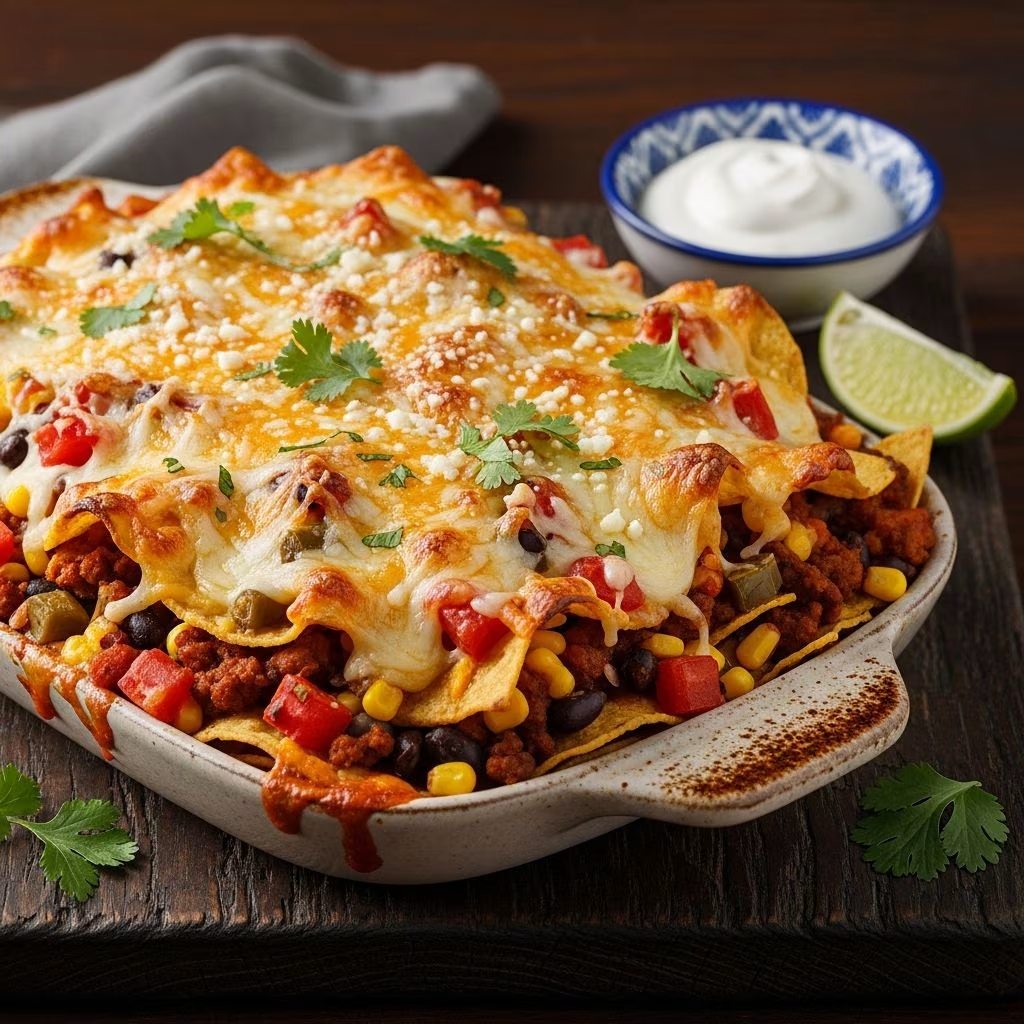
Comfort food takes on a delicious new dimension when you combine the warmth of a traditional casserole with the bold, satisfying flavors of Mexican cuisine. A cheesy Mexican casserole represents the perfect intersection of ease and flavor, offering home cooks an accessible pathway to creating restaurant-quality meals in their own kitchens. This layered dish has become a staple at family gatherings, potluck dinners, and weeknight meals across North America, and for good reason—it delivers genuine satisfaction with minimal complexity.
The beauty of this particular dish lies not only in its taste but also in its flexibility. Whether you’re feeding a small family or preparing food for a larger celebration, a cheesy Mexican casserole adapts to your needs while maintaining its core appeal. The combination of seasoned ground beef, creamy beans, and melted cheese creates a texture profile that appeals to both adventurous eaters and those who prefer milder flavors. Understanding the fundamentals of preparing this dish well can elevate your cooking repertoire significantly.
Understanding the Essential Components
Before diving into preparation, it’s important to recognize that a successful cheesy Mexican casserole depends on several key components working in harmony. Each layer and ingredient plays a specific role in creating the final dish’s character and appeal.
The Protein Foundation
Ground beef serves as the traditional protein base for this casserole, and selecting quality meat matters. Most recipes call for one to one and a half pounds of ground beef, which provides sufficient protein while remaining manageable in terms of fat content and cooking time. Some cooks prefer using lean ground beef with a 90/10 ratio to minimize excess grease, though standard ground beef with moderate fat content also works well. The browning process is where flavor development begins—this initial cooking step should never be rushed, as it creates the savory foundation upon which all other flavors build.
The Aromatic Base
Onions and garlic form the flavor backbone of this dish. Fresh minced garlic combined with finely chopped onions creates an aromatic base that enhances the overall depth of the casserole. Whether you use fresh or dried onion depends on your preferences and what you have available—dried onion offers convenience while fresh provides more pronounced flavor. Sautéing these aromatics with the ground beef before adding other ingredients allows their flavors to meld with the meat, creating a more cohesive filling.
The Binding Agents
Refried beans and cream-based soups act as binding agents that give the casserole its distinctive texture. A can of refried beans (typically 16 ounces) provides both creaminess and additional protein, while cream of mushroom soup adds richness and helps hold the layers together. These components might seem unusual in a Mexican dish, but they represent the evolution of American comfort food, blending culinary traditions into something uniquely satisfying.
The Vegetable Elements
Tomato sauce, canned tomatoes with green chilies, and additional green chilies contribute both moisture and authentic Mexican flavors. These ingredients should be layered throughout the casserole rather than concentrated in one area. The combination creates a balanced sauce that keeps the casserole moist during baking while providing the characteristic Tex-Mex flavor profile that makes this dish so appealing.
Ingredient Specifications and Alternatives
| Component | Standard Amount | Common Alternatives |
|---|---|---|
| Ground Beef | 1 pound | Ground turkey, ground chicken, or plant-based meat |
| Onion | ½ cup chopped or 2 tablespoons dried | Shallots or white onion |
| Garlic | 1 clove minced | ½ teaspoon garlic powder |
| Refried Beans | 16-ounce can | Black beans or pinto beans |
| Cream Soup | 10-ounce can cream of mushroom | Cream of chicken or cream of celery |
| Tomato Sauce | 8-ounce can | Salsa or tomato paste diluted with water |
| Green Chilies | One 4-ounce can | Jalapeños or serrano peppers |
| Cheese Blend | Cheddar and Monterey Jack | Mexican cheese blend or mozzarella |
| Chip Layer | Doritos Nacho Cheese | Tortilla chips or crushed corn chips |
Step-by-Step Preparation Instructions
Initial Cooking Stage
Begin by preheating your oven to 350 degrees Fahrenheit. This moderate temperature allows the casserole to heat through evenly without causing the cheese to brown too quickly. While the oven reaches temperature, place a large skillet over medium-high heat and add your ground beef along with the diced onion and minced garlic. Cook this mixture until the meat is completely browned, breaking it apart as it cooks to ensure even browning. Proper drainage of excess fat at this stage prevents your finished casserole from becoming greasy—use a slotted spoon or carefully tilt the skillet to remove liquid fat.
Building the Flavor Profile
Once your meat mixture is drained and returned to the skillet, add your refried beans, cream of mushroom soup, tomato sauce, and chopped green chilies. Stir these ingredients together thoroughly, ensuring that the soup combines evenly with the other components. This mixture should have a thick, saucey consistency—if it seems too dry, you can add a small amount of beef broth or water. Allow this combined mixture to simmer for a few minutes, which helps the flavors meld and develops greater depth.
Assembling the Layers
Spray a 9-by-13-inch baking dish with cooking spray to prevent sticking. Create your first layer by spreading crushed nacho cheese chips (or your chosen alternative) across the bottom of the prepared dish. This chip layer provides texture and flavor while preventing the casserole from sticking to the pan. Distribute the chips relatively evenly—they don’t need to cover every inch, but should provide good coverage.
Over this chip foundation, spread several large spoonfuls of your prepared meat and bean mixture. The amount should be approximately one-third to one-half of the total mixture. Sprinkle a generous portion of your cheese blend over this layer—use both cheddar and Monterey Jack for optimal flavor and melting properties. Repeat this layering process one more time, alternating between meat mixture and cheese. If desired, you can create a third layer, though two substantial layers typically provide the best texture and flavor distribution.
The Finishing Touch
For additional flavor and moisture, top your final layer with a can of diced tomatoes and green chilies, spreading this evenly across the surface. Follow this with a final sprinkle of your remaining cheese blend, ensuring complete coverage. This top layer of cheese creates an appealing golden-brown crust when baked.
Baking and Temperature Management
Place your assembled casserole in the preheated 350-degree oven and bake uncovered for approximately 40 minutes. The casserole is fully cooked when the cheese is completely melted, the edges are bubbling, and the top has begun to turn golden brown. If you prefer a more deeply browned cheese topping, you can increase the oven temperature to broil for the final 3 to 5 minutes—watch carefully during this time to prevent burning.
Remove the casserole from the oven and allow it to rest for 5 minutes before serving. This resting period allows the layers to set slightly, making the casserole easier to portion and serve without falling apart.
Customization and Variations
One of the greatest advantages of a cheesy Mexican casserole is its adaptability to various preferences and dietary needs. Consider these variations to personalize your dish:
- Protein Options: Substitute ground turkey, ground chicken, or crumbled tofu for a lighter version. Ground lamb creates a different but equally delicious flavor profile.
- Bean Variations: Replace refried beans with black beans, pinto beans, or kidney beans for different textures and flavors.
- Vegetable Additions: Mix in corn, diced bell peppers, or sautéed mushrooms for added nutrition and variety.
- Spice Adjustments: Add jalapeños, sriracha, or additional chili powder to increase heat level according to your preference.
- Cheese Selections: Experiment with queso fresco, cotija, or smoked cheddar for unique flavor dimensions.
- Chip Alternatives: Crushed tortilla chips, cornflake crumbs, or even panko breadcrumbs can replace traditional nacho chips.
Nutritional Considerations and Serving Suggestions
A typical cheesy Mexican casserole yields approximately 10 servings, making it an economical choice for family meals or entertaining. Each serving provides a complete protein from both the ground beef and beans, complex carbohydrates from the chips and beans, and calcium from the cheese. The casserole pairs well with fresh toppings like sour cream, fresh cilantro, sliced jalapeños, or diced avocado added at serving time.
This dish complements traditional Mexican sides beautifully—consider serving alongside Spanish rice, a fresh green salad dressed with lime vinaigrette, or warm flour tortillas. The casserole’s richness means that lighter sides balance the meal nicely.
Make-Ahead and Storage Guidance
Cheesy Mexican casseroles are excellent candidates for advance preparation. You can assemble the dish completely the night before, cover it tightly with plastic wrap or aluminum foil, and refrigerate overnight. When ready to bake, add 10 to 15 minutes to the cooking time since the casserole starts from a cold state.
Leftover casserole stores well in the refrigerator for up to 4 days in an airtight container. Reheat individual portions in the microwave or warm the entire remaining casserole in a 350-degree oven covered with foil until heated through. The flavors often improve after a day or two as ingredients continue to meld together.
Troubleshooting Common Issues
If your casserole seems too dry after baking, you likely needed slightly more sauce—add extra tomato sauce or salsa to your meat mixture next time, or simply spoon additional sauce over individual portions. If the top is browning too quickly, cover the casserole with aluminum foil for the first 30 minutes of baking, then remove it for the final 10 minutes. Should the casserole lack flavor, ensure you’re properly seasoning the ground beef mixture and consider adding taco seasoning powder for additional depth.
Frequently Asked Questions
Can I make this casserole without chips? Yes, you can substitute crushed tortilla chips, cornflakes, or omit the chip layer entirely, though this changes the texture profile of the final dish.
Is this recipe suitable for freezing? Absolutely. Allow the casserole to cool completely, then cover tightly and freeze for up to 3 months. Thaw in the refrigerator overnight before reheating.
What if I don’t have cream of mushroom soup? Cream of chicken or cream of celery soup work as substitutes, or you can use a mixture of sour cream and beef broth.
How can I reduce the fat content? Use extra-lean ground beef (93/7 or higher), use reduced-fat cheese, and drain the meat thoroughly before adding other ingredients.
Can I double this recipe? Yes, simply double all ingredients and use a larger baking vessel or prepare two separate casseroles. Extend baking time slightly until the center is heated through.
References
- My Recipe Treasures – Cheesy Mexican Casserole — My Recipe Treasures. 2024. https://myrecipetreasures.com/cheesy-mexican-casserole/
- Southern Discourse – Cheesy Mexican Rice Casserole — Southern Discourse. 2024. https://southerndiscourse.com/cheesy-mexican-rice-casserole/
- Healthy Little Peach – Easy Cheesy Taco Casserole Recipe — Healthy Little Peach. 2024. https://healthylittlepeach.com/easy-cheesy-taco-casserole-recipe-with-ground-beef/
- Well Plated – Mexican Casserole — Well Plated. 2024. https://www.wellplated.com/mexican-casserole/
- Eating on a Dime – The Best Mexican Casserole Recipe — Eating on a Dime. 2024. https://www.eatingonadime.com/easy-mexican-casserole-recipe/
- The Cooking Jar – Mexican Ground Beef Casserole — The Cooking Jar. 2024. https://thecookingjar.com/mexican-ground-beef-casserole/