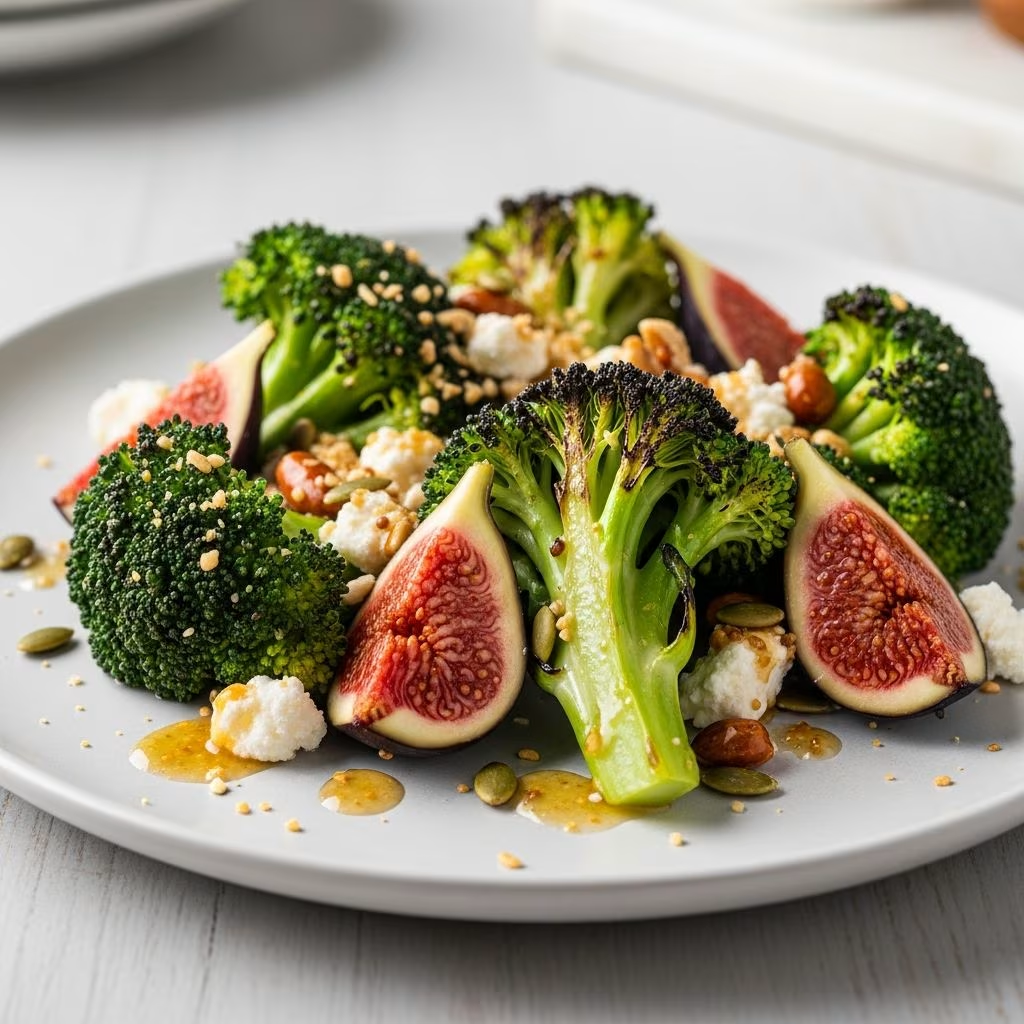
The evolution of vegetable-based dishes has transformed simple ingredients into sophisticated culinary experiences. One such evolution involves taking humble broccoli and elevating it through high-heat cooking methods combined with complementary ingredients. When charred broccoli meets the natural sweetness of dried figs, the result is a dish that transcends its component parts, delivering layers of flavor that appeal to modern palates seeking both nutrition and indulgence.
Understanding the Foundation: Why Broccoli Works as a Canvas
Broccoli occupies a unique position in vegetable cookery. Its structure allows it to absorb flavors while maintaining textural integrity, and its slightly mineral taste provides a neutral backdrop for bolder accompaniments. When subjected to high-heat roasting or charring, broccoli develops caramelized exterior surfaces that concentrate its natural sugars, creating depth previously considered unlikely in this cruciferous vegetable. The florets catch heat differently than the stalks, offering textural variation within a single ingredient.
The application of dry heat transforms broccoli’s flavor profile substantially. Rather than boiling or steaming, which can result in sulfurous notes many associate with this vegetable, roasting encourages the Maillard reaction—the chemical process that develops complex, savory notes and reduces the intensity of raw broccoli’s bite. This technique makes broccoli accessible to those who typically avoid it, while satisfying experienced cooks seeking new interpretations of familiar ingredients.
The Role of Figs: Sweetness and Complexity
Dried figs bring an entirely different dimensional quality to vegetable preparations. Their natural sugars caramelize and concentrate during the drying process, producing a product that combines sweetness with subtle earthiness and slight tannic notes. Unlike raisins or other dried fruits, figs carry sophistication that elevates simple preparations into something approaching elegance. They provide textural contrast through their chewy interior and granular seed structure.
The pairing of figs with broccoli represents more than flavor combination; it embodies the principle of balancing opposing taste profiles. The savory, mineralized notes of charred broccoli create a foundation upon which the fig’s natural sweetness can shine without overwhelming. This interplay between sweet and savory creates memorable eating experiences that linger beyond the meal itself. The combination also bridges seasonal boundaries—broccoli remains available year-round, while figs evoke autumn gatherings and late-summer abundance simultaneously.
Building Your Base: Preparation Essentials
Selecting Quality Broccoli
The foundation of this dish begins with ingredient selection. Choose broccoli with tightly closed florets displaying deep green coloration, indicating freshness and nutritional density. Avoid yellowing or spreading florets suggesting age or stress. The stalks should feel firm rather than woody, as they’ll be incorporated into the dish alongside the florets. Purchasing whole broccoli crowns rather than pre-cut florets allows for better control over sizing, ensuring even cooking and uniform char development.
Size consistency matters tremendously in roasting applications. Cut florets into roughly uniform pieces, approximately one to one-and-a-half inches across. The stalks, often discarded, offer value when properly prepared—peel away the tough exterior to reveal tender interior flesh, then slice into quarter-inch thickness for incorporation into the finished dish. This approach maximizes yield and demonstrates respect for ingredients.
Dried Fig Selection and Preparation
Dried figs vary considerably in quality and type. Black Mission figs offer deeper flavor with slight wine notes, while Calimyrna varieties provide lighter, slightly more delicate sweetness. Selecting figs that appear plump rather than shriveled indicates better moisture retention and superior flavor. Before incorporating into your dish, many preparations benefit from rehydration—soaking dried figs in hot water for five minutes softens them and intensifies their flavor through reconstitution. After soaking, drain thoroughly and chop into quarter-inch pieces or smaller, depending on your textural preference.
The Charring Process: Technical Approach
Oven Temperature and Timing
Success with charred broccoli requires committing to high heat. Preheat your oven to 425 degrees Fahrenheit, allowing at least fifteen minutes for complete temperature stabilization. Line a baking sheet with parchment paper or aluminum foil for easy cleanup and even heat distribution. Spread prepared broccoli florets across the surface in a single layer without crowding—overcrowding prevents proper air circulation and inhibits caramelization. Drizzle with good-quality olive oil, using approximately one tablespoon per four cups of broccoli florets.
Toss the broccoli thoroughly to ensure all surfaces receive oil coating, which facilitates browning and prevents sticking. Distribute salt and pepper evenly—approximately one-quarter teaspoon of each per four cups of florets provides adequate seasoning before additions. Place the baking sheet in your preheated oven and allow broccoli to roast undisturbed for approximately fifteen minutes. At this point, the florets should begin showing brown spots and caramelization on their edges.
Stir the broccoli, rotating it to expose new surfaces to direct heat. Return to the oven for an additional ten to fifteen minutes, monitoring closely to prevent burning. The broccoli is finished when florets display dark brown to almost blackened spots on their exterior edges while remaining tender when pierced with a fork. This stage represents peak flavor development—waiting too long results in unpleasant bitterness, while removing too early leaves the broccoli under-caramelized and less flavorful.
Creating the Binding Element: Dressing Formulation
Mayonnaise-Based Dressing
Traditional preparations often employ mayonnaise as the binding agent, combining it with acidic elements to prevent heaviness. In a small mixing bowl, whisk together half a cup of high-quality mayonnaise with one tablespoon of red wine vinegar or balsamic vinegar. The vinegar cuts through the richness of the mayonnaise while introducing acidity that brightens the overall flavor profile. Season this mixture with salt and pepper to taste—begin conservatively, as additional seasoning can be incorporated later.
Optional additions elevate the dressing’s complexity. Half a teaspoon of dried crushed sage introduces herbaceous notes that complement both broccoli’s earthiness and fig’s sweetness. Ground fennel, added in quarter-teaspoon quantities, provides subtle anise-like undertones that sophisticated palates will appreciate without overwhelming less adventurous eaters. These additions represent opportunities for personalization—adjust quantities based on your preference for herbal intensity.
Alternative Dressing Options
While mayonnaise provides traditional richness, alternative binders accommodate various dietary preferences and flavor objectives. Greek yogurt mixed with balsamic vinegar creates a tangier profile while reducing fat content compared to mayonnaise-based versions. For vegan preparations, cashew cream—created by blending soaked raw cashews with water and lemon juice—provides comparable richness with entirely plant-based ingredients. Each option maintains the essential balance between creaminess and acidity while allowing different flavor expressions.
Assembly and Enhancement Strategies
Combining Elements
Once broccoli has cooled slightly from its roasting—still warm but manageable to handle—transfer it to a large mixing bowl. Pour the prepared dressing over the warm broccoli and stir thoroughly, ensuring each floret receives coating. The residual heat helps the dressing adhere better while allowing flavor absorption. Incorporate the prepared dried figs at this stage, distributing them evenly throughout the mixture. Taste and adjust seasoning as needed, remembering that flavors will continue developing as the dish sits.
Textural and Nutritional Additions
The foundation of charred broccoli and figs benefits significantly from complementary additions providing crunch and nutritional density. Toasted cashews, chopped coarsely into quarter-inch pieces, offer buttery richness and textural contrast to the broccoli’s tenderness. Alternatively, toasted walnuts provide earthier notes and additional nutritional complexity. Toast nuts in a dry skillet over medium heat for three to five minutes until fragrant, being careful not to burn them. Reserve until immediately before serving to preserve their crispness.
Additional enhancements worthy of consideration include thinly sliced red onion for sharp, peppery bite, crumbled goat cheese or feta for tangy creaminess, or pomegranate seeds for bursts of tart sweetness and visual appeal. Crispy bacon, rendered until truly crackling and crumbled finely, adds smoky depth and savory intensity. These additions should be considered based on your occasion and audience preferences rather than as mandatory components.
Serving and Storage Considerations
Temperature and Timing
This dish offers remarkable versatility regarding serving temperature. Enjoyed immediately while broccoli retains warmth and the dressing has not yet set completely, it provides a cohesive, warm-salad experience. Alternatively, allowing it to cool to room temperature creates a different textural and flavor experience, with the dressing setting and flavors melding more completely. Even cold, straight from refrigeration, this preparation maintains its appeal, making it ideal for prepare-ahead entertaining or component meal planning.
For optimal flavor development, prepare this dish no more than four to six hours before serving. This timing allows flavors to meld while preventing the broccoli from becoming overly soft or the dressing from separating or becoming unstable. If preparing further in advance, store broccoli and dressing separately, combining them no more than a few hours before serving.
Storage Guidelines
Properly stored in an airtight container, this salad maintains quality in refrigeration for up to three days. The broccoli gradually softens while the flavors become more integrated—some prefer this more developed flavor profile, while others prefer the textural contrast of fresher preparations. Before serving refrigerated portions, allow them to reach room temperature for approximately thirty minutes, which restores some textural appeal while maintaining the developed flavors.
Frequently Asked Questions
Can I prepare components in advance?
Yes, planning ahead is entirely feasible. Wash and cut broccoli up to two days in advance, storing in sealed containers. Prepare and store the dressing separately for up to four days. Toast nuts and rehydrate figs a few hours before assembly. This approach allows last-minute combining while maintaining component quality and freshness.
What if I dislike figs?
Dried cranberries, chopped apricots, or raisins provide similar sweetness and textural contrast. Each option introduces slightly different flavor notes—choose based on your preference. The principle remains the same: pairing savory charred broccoli with sweet dried fruit creates balanced complexity.
How can I make this vegan?
Replace mayonnaise with cashew cream or store-bought vegan mayo. Substitute any honey-containing components with maple syrup or date syrup. Select nuts and seeds that align with your preferences. Omit any animal-derived additions and you’ve created a completely plant-based preparation.
Can I use fresh figs instead of dried?
Fresh figs work beautifully, though they require different handling. Quarter fresh figs rather than chopping, and add immediately before serving to prevent excessive softening. Fresh figs offer more delicate flavor—consider adjusting dressing intensity accordingly.
References
- Fig and Sage Roasted Broccoli Salad — Primal Kitchen. https://www.primalkitchen.com/blogs/recipes/sage-roasted-broccoli
- Broccoli Salad with California Figs — Valley Fig Growers. https://valleyfig.com/dried-fig-recipes/broccoli-salad-with-california-figs/
- Fig and Sage Roasted Broccoli Salad — Little Bits of Real Food. https://www.littlebitsof.com/fig-sage-roasted-broccoli-salad/
- Caramelised Fig & Tenderstem Broccoli Salad — Euphoric Vegan. https://www.euphoricvegan.com/2017/10/caramelised-fig-tenderstem-broccoli.html
- Best Broccoli Fig Salad – Sweet and Savory Surprise — The Biblical Nutritionist. https://thebiblicalnutritionist.com/broccoli-and-figs-salad/