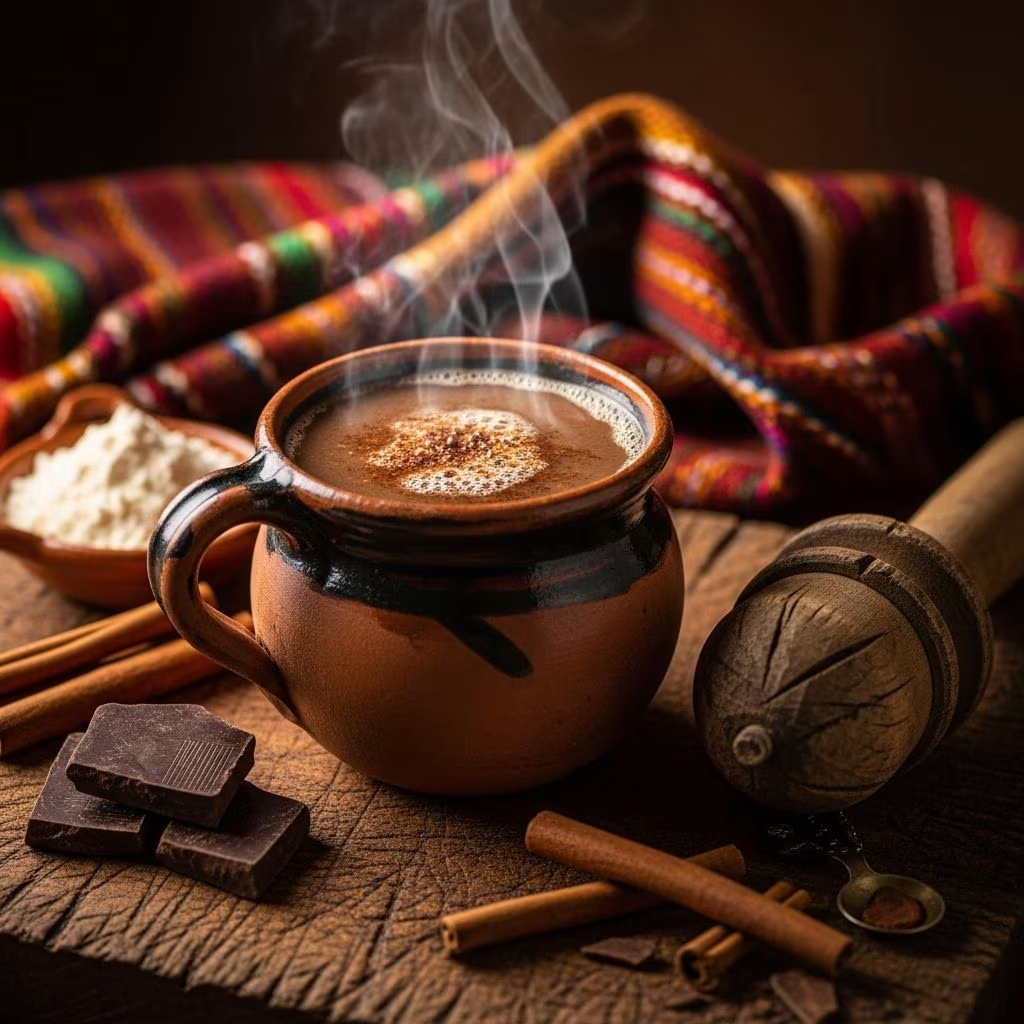
Champurrado stands as one of Mexico’s most treasured beverages, representing centuries of culinary tradition that traces back to pre-Columbian times. This thick, velvety chocolate drink combines the earthiness of corn with the richness of chocolate, creating a beverage that warms both body and soul. Whether enjoyed during festive celebrations or quiet winter mornings, champurrado continues to hold a special place in Mexican households and has increasingly captured the attention of food enthusiasts worldwide.
The beauty of champurrado lies not only in its complex flavor profile but also in its accessibility. Despite its sophisticated taste, this authentic Mexican drink requires minimal ingredients and can be prepared in under thirty minutes, making it an excellent choice for both experienced home cooks and culinary newcomers. Understanding the proper techniques and ingredient selections ensures that you can recreate this traditional beverage with impressive results.
Understanding Champurrado’s Historical Roots
Champurrado’s origins extend deep into Mesoamerican history, with chocolate and corn serving as foundational ingredients long before European contact. These two components formed the basis of sacred and everyday beverages in Aztec civilization, establishing traditions that would endure through centuries of cultural evolution. The drink represents a living connection to indigenous Mexican heritage, passed down through generations and adapted while maintaining its essential character.
According to culinary historians, authentic champurrado traditionally combined a corn-based liquid called Tlaciahual with chocolate preparations, creating a beverage that was both nourishing and celebratory. The corn component was prepared by cooking heirloom field corn in water, then grinding it finely and straining it to create a smooth base. This meticulous process reflected the cultural significance placed on the drink’s preparation and consumption within Mexican communities.
Over time, champurrado evolved as cultures intermingled and modern conveniences became available. Today’s versions often incorporate milk, refined sugars, and additional spices, representing an adaptive tradition that honors its past while embracing practical present-day preparation methods. This balance between tradition and convenience makes champurrado accessible to contemporary kitchens while maintaining its authentic essence.
Essential Ingredients and Their Roles
Creating authentic champurrado requires understanding how each ingredient contributes to the final beverage’s character and texture. The following components work together to produce the drink’s distinctive qualities:
- Masa Harina: This finely ground corn flour serves as the primary thickening agent and provides champurrado with its distinctive earthy flavor and smooth texture. Masa harina transforms the beverage from a thin chocolate drink into the signature thick consistency that defines champurrado. The corn flour also adds nutritional value and cultural authenticity to the preparation.
- Mexican Chocolate: Specifically formulated for beverage preparation, Mexican chocolate contains cocoa solids, sugar, and often includes spices like cinnamon. Unlike standard cocoa powder, Mexican chocolate provides a richer, more complex flavor profile that forms the backbone of champurrado’s taste. Traditional disks or tablets dissolve more smoothly than loose chocolate, creating a more velvety final product.
- Piloncillo: This unrefined cane sugar, sold in cone or block shapes, imparts a deeper, more complex sweetness than standard refined sugar. Piloncillo’s molasses notes enhance champurrado’s overall flavor complexity. While dark brown sugar or muscovado sugar serve as acceptable substitutes, piloncillo provides the most authentic taste experience.
- Milk: Whole milk creates the richest champurrado, though modern variations accommodate dietary preferences. Milk enriches the beverage and creates a creamier mouthfeel compared to water-only preparations. Some recipes employ a milk-and-water combination to balance richness with lighter texture preferences.
- Water: Essential for dissolving masa harina and achieving the proper consistency, water serves both practical and flavor purposes. The ratio of water to other ingredients directly affects the final thickness and intensity of the finished champurrado.
- Cinnamon: Whole cinnamon sticks infuse the beverage with warm spice notes during cooking. The stick releases flavor gradually, allowing for easy removal and consistent seasoning throughout the pot. Ground cinnamon works as an alternative, though whole sticks offer superior flavor control.
- Optional Spices: Star anise and whole cloves provide additional complexity and warmth. These spices reflect regional Mexican variations and create a more nuanced flavor profile. Their inclusion remains optional, allowing cooks to adjust the beverage to personal preferences.
Selecting Quality Ingredients
The quality of your final champurrado directly reflects the quality of ingredients selected. Mexican chocolate varieties such as Abuelita or similar brands specifically formulated for beverages provide superior flavor compared to generic cocoa powders. When sourcing masa harina, choose products labeled specifically for beverages or general cooking rather than masa designed solely for tortillas, as the grind size differs.
Piloncillo represents an important ingredient worth sourcing from specialty markets or online retailers specializing in Mexican products. The unrefined sugar’s complex molasses notes cannot be adequately replicated by standard brown sugar, though brown sugar remains an acceptable substitute when piloncillo proves unavailable. Purchasing whole milk rather than reduced-fat varieties ensures the creamiest, most authentic champurrado experience.
Step-by-Step Preparation Method
Mastering champurrado requires understanding the sequential steps that build flavor and achieve the proper consistency. Following this methodology ensures consistent, excellent results:
Initial Masa Preparation
Begin by combining masa harina with hot water in a separate bowl or blender before adding it to the main pot. This crucial step prevents clumping that occurs when dry masa harina contacts hot liquid in the cooking vessel. Using a blender produces the smoothest results, though vigorous whisking can achieve similar outcomes. Create a completely smooth slurry before proceeding to the cooking stage.
Combining Base Ingredients
Pour milk into a large, heavy-bottomed saucepan and add piloncillo, whole cinnamon sticks, and Mexican chocolate. Heat over low to medium-low heat, stirring frequently until the chocolate and sugar completely dissolve. This gentle heating prevents scorching while allowing adequate time for flavors to meld. The mixture should be warm but not boiling at this stage.
Incorporating the Masa Mixture
Carefully pour the prepared masa slurry into the heated milk mixture while whisking continuously. Whisk vigorously to ensure complete incorporation and eliminate any remaining lumps. This integration step proves critical for achieving champurrado’s characteristic smooth, velvety texture. Continue whisking until no graininess remains in the beverage.
Bringing to Proper Consistency
Increase heat to medium and bring the mixture to a simmer, whisking constantly. Once simmering begins, reduce heat to low and continue stirring for approximately five minutes. The champurrado will thicken considerably during this phase, developing the thick, luxurious consistency that defines the beverage. Stir constantly to prevent sticking and ensure even heat distribution throughout the pot.
Final Adjustments and Serving
Remove whole spices including the cinnamon stick before serving. Add vanilla extract if desired, though this remains entirely optional and depends on personal preference. Serve champurrado immediately while hot, pouring into mugs or traditional clay bowls. Garnish with additional cinnamon powder for both visual appeal and enhanced spice notes.
Customization and Ingredient Substitutions
While traditional champurrado maintains a relatively fixed ingredient list, modern preparations accommodate various dietary needs and availability constraints. Understanding acceptable substitutions allows you to create champurrado that aligns with your circumstances without compromising quality:
| Original Ingredient | Substitution Options | Impact on Final Beverage |
|---|---|---|
| Whole Milk | Almond milk, oat milk, coconut milk | Creates lighter texture and vegan-friendly version; coconut milk adds subtle flavor |
| Piloncillo | Dark brown sugar, muscovado sugar, raw sugar | Slightly less complex molasses notes but maintains sweetness and richness |
| Mexican Chocolate | Dark chocolate (70% cocoa) plus cinnamon | Reduced spice complexity but maintains chocolate foundation |
| Cinnamon Stick | Ground cinnamon (1/4 teaspoon per stick) | More intense cinnamon flavor; requires careful measuring to avoid overpowering |
| Masa Harina | Cornstarch (use less, approximately 1/4 cup) | Lighter texture; loses distinctive corn flavor and cultural authenticity |
Achieving Perfect Texture and Consistency
Champurrado’s defining characteristic centers on its thick, creamy consistency that distinguishes it from standard hot chocolate. Achieving this texture requires proper masa harina incorporation and adequate cooking time. The beverage should coat a spoon when fully prepared, indicating proper thickening without becoming gelatinous or overly heavy.
If your champurrado appears too thick, gently heat additional milk and whisk it into the beverage until reaching desired consistency. Conversely, if champurrado remains too thin after the recommended cooking time, continue simmering for an additional few minutes while stirring constantly. Some cooks prefer straining the finished champurrado through a fine-mesh sieve for ultra-smooth texture, though this step remains optional.
Serving Suggestions and Pairings
Champurrado shines as a standalone beverage but also complements various accompaniments beautifully. Traditional Mexican pan dulce, including conchas, orejas, or pan de muerto, pairs wonderfully with champurrado’s rich chocolate notes. Savory tamales create an intriguing flavor contrast that appeals to adventurous palates. The beverage also accompanies sweet breakfast items such as churros, though this pairing represents a more contemporary adaptation.
Serve champurrado in traditional clay bowls when available, as the earthenware enhances the cultural experience and maintains temperature effectively. Coffee mugs work equally well for modern preparations. The beverage reaches optimal enjoyment when consumed immediately after preparation while heat and flavor intensity remain at their peak.
Frequently Asked Questions
Can champurrado be prepared in advance?
Champurrado is best enjoyed immediately after preparation, but you can reheat leftover portions gently over low heat while stirring constantly. Store leftover champurrado in the refrigerator for up to three days in an airtight container. Reheating may require additional milk whisking to restore the proper consistency.
What makes champurrado different from hot chocolate?
Champurrado’s distinctive thickness from masa harina and its earthy corn flavor differentiate it from standard hot chocolate. The beverage represents a specific cultural preparation distinct from generic chocolate drinks, with deeper historical roots and more complex flavor development.
Is champurrado suitable for people with corn allergies?
Traditional champurrado relies on corn masa, making it unsuitable for those with corn allergies. Exploring alternative thickening agents might create a similar beverage, though it would not be authentic champurrado.
How do I prevent lumps in champurrado?
Preparing the masa harina slurry separately before adding it to the pot prevents lumping. Whisk the masa and water until completely smooth in a separate container, then add to heated milk while whisking vigorously throughout the pot.
Can champurrado be made vegan?
Yes, substitute whole milk with plant-based alternatives such as almond, oat, or coconut milk. All other ingredients remain naturally vegan, making champurrado easily adaptable to plant-based diets.
Conclusion: Embracing a Cultural Tradition
Champurrado represents far more than a simple beverage; it embodies centuries of Mexican cultural heritage and culinary wisdom. By preparing champurrado in your own kitchen, you participate in a tradition that connects contemporary cooks to ancestral practices and indigenous knowledge systems. The beverage’s accessibility combined with its cultural depth makes it an ideal gateway into exploring Mexican culinary traditions more broadly.
Whether you approach champurrado as a seasonal winter treat, a festive holiday tradition, or an everyday comfort beverage, mastering its preparation opens doors to deeper appreciation for Mexican food culture. The techniques learned through champurrado preparation build foundational cooking skills applicable across numerous culinary contexts. Each batch prepared becomes an opportunity to refine technique and explore personal flavor preferences within the framework of authentic tradition.
References
- Beverages of Oaxaca — Salvador Cueva and Ricardo Bonilla. Referenced in culinary documentation regarding traditional Mexican beverage preparation methods and historical context of champurrado composition.
- Traditional Mexican Chocolate Beverages — Academic documentation on pre-Columbian ingredients and preparation techniques. Accessed through culinary history archives.
- Goya Foods Official Recipes — Goya Foods. Recipe and ingredient documentation for authentic champurrado preparation. https://www.goya.com/en/recipes/champurrado/
- Mexican Culinary Traditions and Ingredient Sourcing — Kitchen Gidget culinary resource. 2023-06-07. https://www.kitchengidget.com/2023/06/07/champurrado/
- Traditional Mexican Beverage Preparation Guide — Villa Cocina culinary documentation. Traditional champurrado ingredient and method specifications. https://villacocina.com/traditional-champurrado-recipe/