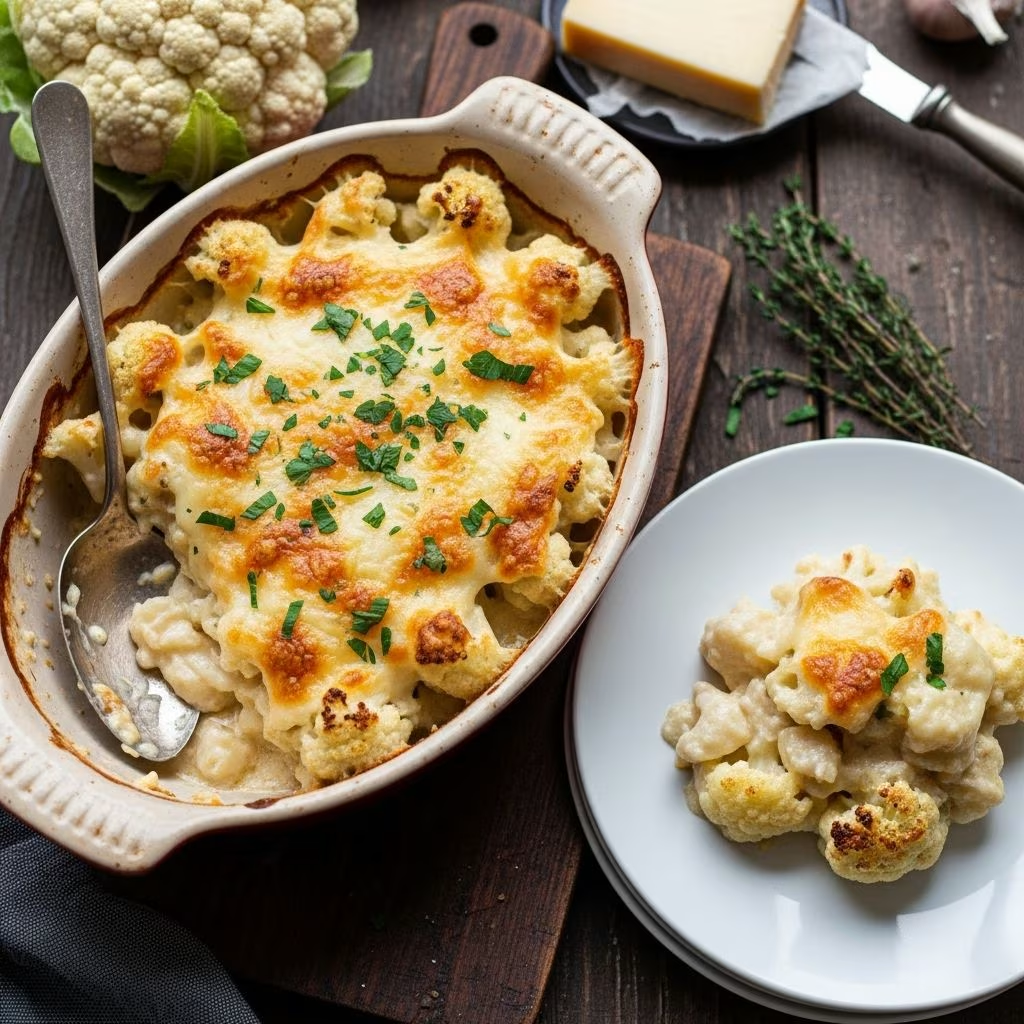
Cauliflower au gratin stands as one of the most versatile and satisfying vegetable preparations in French cuisine. This elegant dish combines tender cauliflower florets with a luxurious cream sauce enriched with multiple cheese varieties, all crowned with a golden, crispy breadcrumb topping. Whether you’re planning a sophisticated dinner party or seeking to elevate your weeknight family meal, this classic dish delivers both comfort and refinement in every bite.
Understanding the Fundamentals of This Classic Dish
At its core, cauliflower au gratin represents the marriage of wholesome vegetables with traditional French cooking techniques. The dish transforms humble cauliflower into something extraordinary through the application of heat, cream, cheese, and careful layering of flavors. What makes this preparation particularly appealing is its accessibility—while it appears sophisticated enough for formal entertaining, the actual cooking process remains straightforward enough for home cooks of varying skill levels.
The beauty of this dish lies in its ability to serve multiple purposes. It functions equally well as a side dish for holiday gatherings, a vegetarian main course with bread and salad, or a comforting weeknight supper. Its versatility extends to ingredient substitutions, allowing cooks to adapt the recipe based on available ingredients, dietary preferences, or flavor preferences.
Essential Ingredients and Their Roles
The Foundation: Cauliflower Selection and Preparation
Quality cauliflower forms the structural foundation of this dish. A large head of cauliflower, typically weighing between one and a half to two pounds before trimming, provides sufficient volume for a standard nine-by-thirteen-inch baking dish. When selecting cauliflower at the market, seek heads with tightly closed florets, firm texture, and pale coloring. These characteristics indicate freshness and optimal flavor. The cutting technique matters significantly—uniform, bite-sized florets ensure even cooking and create a visually appealing final presentation.
Building the Creamy Foundation
The cream sauce, known in French culinary terminology as béchamel, serves as the binding agent and flavor carrier for this dish. Traditional preparation involves melting butter, then whisking in flour to create a roux—a mixture that will thicken the sauce. Whole milk gradually incorporates into this roux with constant stirring to prevent lumps from forming. Some recipes substitute or supplement milk with heavy cream, creating an even richer texture.
The ratio of thickening agent to liquid requires careful attention. Too little flour results in a sauce too thin to adequately coat the cauliflower, while excessive flour produces a pasty, unpalatable texture. Approximately two to three tablespoons of flour per two and a quarter cups of milk creates the ideal consistency.
Cheese Components
Cheese selection dramatically influences the final flavor profile. Gruyère cheese appears consistently across variations, prized for its nutty undertones and superior melting capabilities. Pecorino Romano adds a sharper, more assertive character. Parmesan cheese contributes umami depth and helps create the golden crust. Some recipes incorporate Fontina, Gouda, or Swiss cheese as alternatives, though Gruyère remains the cornerstone for authentic flavor.
The strategy of dividing cheese into portions—some reserved for the sauce, the remainder for topping—allows maximum cheese flavor distribution. This approach ensures creamy texture throughout while guaranteeing a richly topped surface.
Aromatics and Seasonings
Aromatic vegetables like onion and garlic build flavor complexity in the base sauce. These ingredients, gently sautéed in butter until softened, contribute subtle sweetness and depth. Nutmeg, a traditional seasoning in béchamel preparations, adds warmth and subtle spice without overpowering. Salt and freshly ground black pepper balance and highlight other flavors. Many recipes recommend generous quantities of pepper, as the richness of cheese and cream can obscure subtle seasonings.
The Textural Contrast Element
Panko breadcrumbs mixed with melted butter create the signature crispy topping. This component provides essential textural contrast against the creamy interior. The breadcrumbs brown during baking, becoming golden and crunchy while maintaining their ability to be pierced by a fork.
Step-by-Step Preparation Methodology
Pre-Cooking Procedures
Begin by preheating your oven to approximately 350 to 375 degrees Fahrenheit. Position oven racks strategically—one at the middle level and one toward the top—to facilitate even browning. Prepare your baking vessel by lightly coating it with cooking spray or butter to prevent sticking.
Next, prepare the cauliflower by slicing the head vertically to detach the florets from the core. Trim remaining stem material and cut florets into uniformly-sized pieces, approximately one to one-and-a-half inches across. This uniformity ensures even cooking throughout the dish.
Precooking the Cauliflower
Bring a large pot of salted water to a rolling boil. The salt serves dual purposes: it seasons the cauliflower while also raising the water’s boiling point slightly, facilitating faster cooking. Submerge the cauliflower florets and cook for seven to eight minutes, or until the vegetables achieve what the French term “al dente”—tender but still maintaining structural integrity and slight resistance when pierced with a fork. Overcooking at this stage risks creating mushy cauliflower in the final dish. Once the timer sounds, drain the cauliflower thoroughly in a colander, allowing excess water to escape.
Constructing the Sauce
In a separate pot, melt three tablespoons of unsalted butter over medium heat. Add finely minced garlic and diced onion, cooking gently for seven to eight minutes until the vegetables become soft and translucent but haven’t developed color. The aromatics should release their fragrances but remain unbrowned for maximum delicacy of flavor.
Sprinkle flour over the softened aromatics and stir continuously for one to two minutes, cooking out the raw flour taste. The mixture should resemble wet sand at this stage. Gradually add the milk in small increments while whisking vigorously to prevent lumping. Continue this process until all milk has been incorporated. Increase heat slightly and bring the mixture to a gentle simmer, stirring frequently.
Once the sauce reaches a simmer, remove it from heat immediately. The residual heat continues to thicken the sauce slightly. At this point, begin incorporating the cheese, stirring until it melts completely and the sauce becomes smooth. Season with salt, ground pepper, and a modest pinch of nutmeg. Taste the sauce and make additional seasoning adjustments as needed.
Final Assembly
Pour the prepared cauliflower into the prepared baking dish. The vegetables should be coated with sauce but not swimming in it. Gently combine them using a spatula or spoon, ensuring even sauce distribution. The goal is complete coverage with minimal aggressive mixing that could break the florets.
Sprinkle the reserved cheese and panko breadcrumbs across the surface, distributing them evenly. Drizzle with an additional two tablespoons of melted butter, which helps the breadcrumbs achieve optimal crispness.
Baking and Finishing Touches
Transfer the prepared dish to your preheated oven and bake for twenty-five to thirty minutes, or until the top achieves a deep golden-brown color and the sauce bubbles around the edges of the dish. The bubbling indicates that the sauce has reached sufficient temperature to allow flavors to meld completely.
For additional browning of the breadcrumb topping, place the dish under the broiler for one to two minutes during the final stages of baking. Exercise caution during this step, as broiler exposure can quickly transition from beautifully browned to burnt. Position yourself where you can observe the dish and remove it immediately once the desired color develops.
After removing from the oven, allow the dish to rest for ten minutes before serving. This resting period allows the sauce to set slightly, making the dish easier to portion while preventing the plate from becoming puddles of separated sauce.
Ingredient Variations and Adaptations
| Component | Standard Choice | Alternative Options |
|---|---|---|
| Primary Cheese | Gruyère | Swiss, Fontina, Gouda, sharp Cheddar |
| Secondary Cheese | Parmesan or Pecorino | Asiago, additional Gruyère |
| Cream Base | Whole Milk | Half-and-half, heavy cream, or milk-cream combination |
| Vegetable Addition | Cauliflower Alone | Mixed with diced potatoes, broccoli, or carrots |
| Breadcrumb Type | Panko | Regular breadcrumbs, crushed croutons, or crushed crackers |
Some recipes incorporate diced potatoes alongside the cauliflower, adding earthiness and creating a more substantial dish. Others include fresh herbs like thyme, which complements both the cauliflower and cheese flavors. When incorporating additional vegetables, ensure they’re cut to similar sizes and precook them to the same doneness level as the cauliflower.
Troubleshooting Common Issues
Sauce Consistency Problems
If your sauce appears grainy or broken after adding cheese, the temperature likely exceeded what the dairy could tolerate. In future attempts, ensure you remove the sauce from heat before adding cheese. If this occurs mid-preparation, gently reheat the sauce over very low heat while whisking constantly, occasionally adding small amounts of cold milk until the consistency improves.
A sauce that remains too thin despite adequate flour suggests insufficient cooking time for the roux or inadequate flour quantity. The roux must cook for its full minute or two before adding milk, and the milk must simmer briefly to allow the starch to fully swell and thicken.
Textural Failures
Mushy cauliflower results from excessive precooking. Remember that the vegetables continue cooking during baking, so the initial boiling should aim for just-tender rather than soft. If your cauliflower consistently turns mushy, reduce the initial boiling time by one to two minutes.
Breadcrumb topping that fails to brown or becomes overly dry usually indicates improper oven temperature or insufficient butter. Verify your oven temperature with an independent thermometer, and always coat the breadcrumbs generously with melted butter before baking.
Storage and Make-Ahead Strategies
Cauliflower au gratin excels as a make-ahead dish. Prepare everything through the assembly stage, then cover tightly with plastic wrap or aluminum foil and refrigerate for up to twenty-four hours. When ready to bake, add five to ten minutes to the cooking time, as the chilled dish requires longer to heat through. Alternatively, bake the dish completely, refrigerate, and reheat gently in a 325-degree oven for approximately twenty minutes, covered with foil to prevent excessive browning.
This dish does not freeze particularly well due to sauce separation upon thawing, though you can freeze the individual components separately and reassemble before baking.
Frequently Asked Questions
Can I make this dish dairy-free?
Creating a satisfactory dairy-free version requires substituting both the butter and milk. Olive oil replaces butter in the roux, while unsweetened plant-based milk (oat or almond work best) substitutes for dairy milk. Nutritional yeast combined with plant-based cheese can approximate the cheese flavor, though the result will differ significantly from the traditional version.
What cheese provides the best flavor?
Gruyère remains the traditional and superior choice due to its complex nutty flavor and excellent melting properties. However, personal preference matters greatly, so experimenting with different varieties is encouraged.
How do I prevent the sauce from becoming lumpy?
Constant whisking while adding milk prevents lumps. Add milk gradually rather than all at once, and maintain vigorous whisking action throughout. If lumps do form, strain the sauce through a fine-mesh sieve.
Can I use frozen cauliflower?
Frozen cauliflower works reasonably well but yields a slightly less firm final texture due to ice crystal formation during freezing. Thaw it completely and pat dry with paper towels before cooking to minimize excess moisture in the dish.
What’s the difference between au gratin and gratinée?
These terms are essentially interchangeable in modern usage, both indicating a dish topped with breadcrumbs or cheese and baked until browned.
Serving Suggestions and Pairings
Cauliflower au gratin pairs beautifully with roasted or grilled proteins such as beef, poultry, or fish. The richness of the dish complements lighter proteins particularly well. Serve alongside a crisp green salad dressed with vinaigrette to balance the dish’s richness. For vegetarian-focused meals, pair with crusty bread and roasted vegetables for a satisfying, complete dinner.
During holiday meals, this dish occupies a natural place on the table alongside traditional sides. Its elegant appearance and complex flavors elevate casual gatherings to more formal occasions. The dish also functions well as a vegetarian main course when portions are generous and accompanied by crusty bread.
This classic preparation demonstrates how simple ingredients, proper technique, and thoughtful assembly transform everyday vegetables into something remarkable. Whether serving at formal dinners or enjoying as a family meal, cauliflower au gratin delivers sophisticated flavors and satisfying comfort in equal measure.
References
- Lavender and Macarons – Cauliflower Au Gratin — Lavender and Macarons. https://www.lavenderandmacarons.com/cauliflower-au-gratin/
- Sip and Feast – Cauliflower Au Gratin — Sip and Feast. https://www.sipandfeast.com/cauliflower-au-gratin/
- Foolproof Living – Creamy Cauliflower au Gratin — Foolproof Living. https://foolproofliving.com/cauliflower-au-gratin/