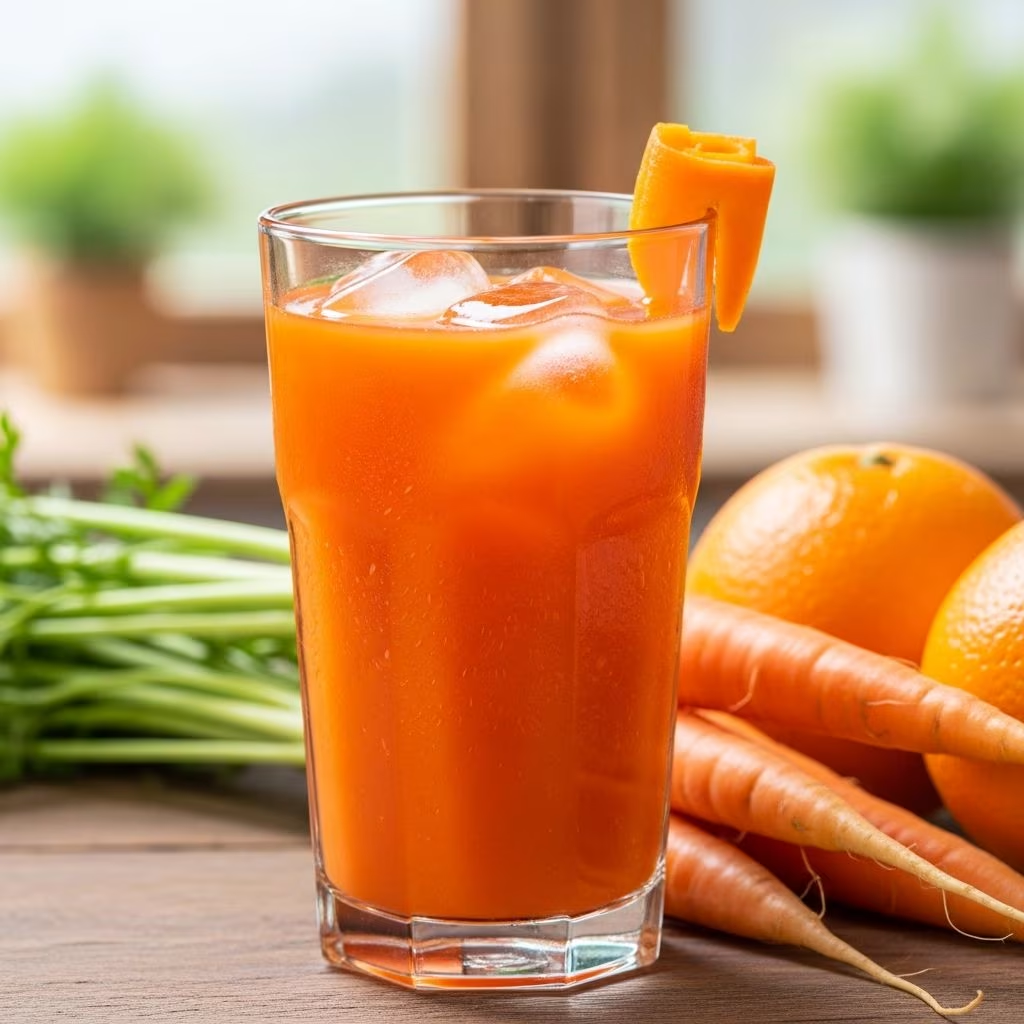
Carrot orange juice stands out as a simple yet powerful beverage that combines the earthy sweetness of carrots with the zesty brightness of oranges. This drink has gained popularity for its ease of preparation and impressive nutritional profile, making it ideal for morning routines or afternoon refreshment. Whether blended at home or juiced fresh, it delivers a burst of natural flavors and health advantages without added sugars or preservatives.
Why Carrot Orange Juice Deserves a Spot in Your Kitchen
The appeal of carrot orange juice lies in its minimal ingredient list and versatility. Carrots provide a rich source of beta-carotene, which the body converts to vitamin A, essential for vision and immune function. Oranges contribute high levels of vitamin C, an antioxidant that supports collagen production and fights oxidative stress. Together, they create a synergistic effect, enhancing absorption and amplifying benefits.
Beyond taste, this juice offers hydration with a natural sweetness that satisfies cravings healthily. It’s customizable—add ginger for spice or ice for chill—suited for all ages. Regular consumption can elevate energy levels, promote glowing skin, and aid detoxification, positioning it as a staple for wellness enthusiasts.
Essential Ingredients for Perfect Carrot Orange Juice
Creating this juice requires just a few fresh items. Focus on quality produce for optimal flavor and nutrition.
- Carrots: 4-6 medium-sized, washed and roughly chopped. Organic varieties minimize pesticide exposure.
- Oranges: 4-6 medium, peeled and segmented. Navel or Valencia types yield juicy results.
- Optional enhancers: 1-inch ginger root for zing, a handful of mint leaves for freshness, or 1-2 tablespoons honey for subtle sweetness.
These components ensure a balanced profile: carrots add creaminess and depth, while oranges provide tang and liquidity. No need for fancy equipment; a standard blender or juicer works fine.
Step-by-Step Recipe for Homemade Carrot Orange Juice
Preparing carrot orange juice takes under 15 minutes. This method yields about 4 servings.
- Prep the produce: Rinse carrots thoroughly and chop into 1-inch pieces, discarding ends. Peel oranges, removing white pith to reduce bitterness.
- Blend or juice: In a blender, combine carrots, orange segments, and 1 cup water (if blending). Process on high for 1-2 minutes until smooth. For juicers, feed ingredients slowly.
- Strain for clarity: Pour through a fine mesh sieve or nut milk bag into a pitcher, pressing solids to extract maximum liquid. Discard pulp or save for baking.
- Enhance and chill: Stir in honey if desired. Refrigerate 30 minutes for best taste. Serve over ice.
**Pro Tip:** Start with carrots in the blender for better breakdown, as they are denser than oranges. Yields approximately 1 liter, with each 8oz serving clocking in at around 120 calories, primarily from natural sugars and fiber remnants.
Health Benefits Backed by Nutrition Science
Carrot orange juice is more than refreshing—it’s a functional food. Key nutrients include:
| Nutrient | Per Serving (8oz) | Primary Benefit |
|---|---|---|
| Vitamin A (from beta-carotene) | ~4000 IU | Supports eye health and immunity |
| Vitamin C | ~100mg | Boosts collagen, antioxidant protection |
| Potassium | ~500mg | Aids hydration and blood pressure regulation |
| Fiber (if minimally strained) | 2-3g | Promotes digestion |
Vitamin A from carrots combats inflammation and protects skin from UV damage, while orange-derived vitamin C enhances iron absorption and wound healing. Studies link regular intake of such juices to improved gut health via prebiotic fibers and reduced chronic disease risk through polyphenols. For immunity, the duo mimics natural remedies used historically for colds.
Skin enthusiasts note its glow-enhancing effects: beta-carotene promotes even tone, and vitamin C fights acne-causing free radicals. Digestive perks include gentle detox from antioxidants, easing bloating without harsh laxatives.
Variations to Suit Every Palate and Purpose
Customize carrot orange juice endlessly for variety.
- Immune Booster: Add 2.5 inches grated ginger and turmeric pinch for anti-inflammatory punch.
- Tropical Twist: Incorporate pineapple chunks and lime squeeze for sweetness and enzymes aiding digestion.
- Earthy Detox: Blend in beets for liver support and deeper color.
- Herbal Refresh: Infuse with 5-6 mint leaves or basil for cooling effect.
- Low-Sugar Version: Use blood oranges and skip sweeteners; ideal for diabetics.
These tweaks maintain core benefits while preventing boredom. For kids, dilute with coconut water; for athletes, add celery for electrolytes.
Expert Tips for Maximum Freshness and Flavor
Achieve juicer-quality results at home with these strategies:
- Choose ripe, firm carrots (bright orange, no soft spots) and heavy oranges for juice content.
- Blend in stages if your machine struggles: carrots first, then oranges.
- Strain twice for silkiness or keep pulp for satiety.
- Store in airtight glass jars up to 48 hours; freeze in ice cube trays for smoothies.
- Avoid metal strainers—opt for nylon to preserve vitamin C.
Common pitfalls: Overripe oranges lead to fermentation; under-washed carrots impart grit. Taste-test mid-process to adjust ratios—more carrots for veggie-forward, more oranges for citrus dominance.
Nutritional Breakdown and Dietary Considerations
This juice fits keto, paleo, vegan, and gluten-free diets naturally. Per 8oz glass:
- Calories: 110-150
- Carbs: 25-35g (mostly natural sugars)
- Protein: 2g
- Fat: 0.5g
- Sodium: Low (<30mg)
It’s low-glycemic if pulp-heavy, stabilizing blood sugar. Those with citrus allergies can swap for carrot-apple-ginger. Consult doctors for high-oxalate concerns in kidney stone prone individuals, as carrots contribute modestly.
Frequently Asked Questions (FAQs)
Can I make carrot orange juice without a juicer?
Yes! A high-speed blender plus straining works perfectly, mimicking juicer output.
Does it help with skin health?
Absolutely—beta-carotene and vitamin C promote radiance and repair.
How long does homemade juice last?
Up to 72 hours refrigerated; consume fresh for peak nutrients.
Is it safe for daily consumption?
Yes, in moderation (1-2 glasses); excessive vitamin A intake is rare from whole foods.
Can I add protein or make it a meal?
Blend with Greek yogurt or chia seeds for a smoothie upgrade.
Incorporating Carrot Orange Juice into Your Routine
Start mornings with a glass for sustained energy sans caffeine crash. Pair with breakfast bowls or salads for synergy. Post-workout, it replenishes electrolytes naturally. For detox challenges, commit to 7 days and track skin or digestion improvements.
Experiment seasonally: summer with ice, winter with warm spices. Share with family—its mild taste appeals broadly. Sourcing locally reduces costs and boosts freshness.
In summary, carrot orange juice exemplifies accessible nutrition. Its simplicity belies profound impacts on vitality, making it a timeless wellness ally.
References
- Beets Carrots and Orange Juice — My Dominican Kitchen. 2023. https://mydominicankitchen.com/beets-carrots-and-orange-juice/
- Carrot Orange Juice Recipe — Vitamix. 2024. https://www.vitamix.com/mx/en_us/recipes/carrot-orange-juice
- Carrot and Orange Juice with Mint and Honey — Honest Cooking. 2022. https://honestcooking.com/carrot-orange-juice-mint-honey/
- Immune Boosting Orange, Carrot & Ginger Juice — Cupful of Kale. 2023. https://cupfulofkale.com/immune-boosting-orange-carrot-ginger-juice/
- Carrot Pineapple Orange Juice Recipe — Goodnature. 2024. https://www.goodnature.com/recipes/carrot-pineapple-orange-juice
- Drink this orange carrot juice for beautiful and glowing skin — Terri Ann’s Kitchen (YouTube). 2023. https://www.youtube.com/watch?v=Qo-XLRU3PIc