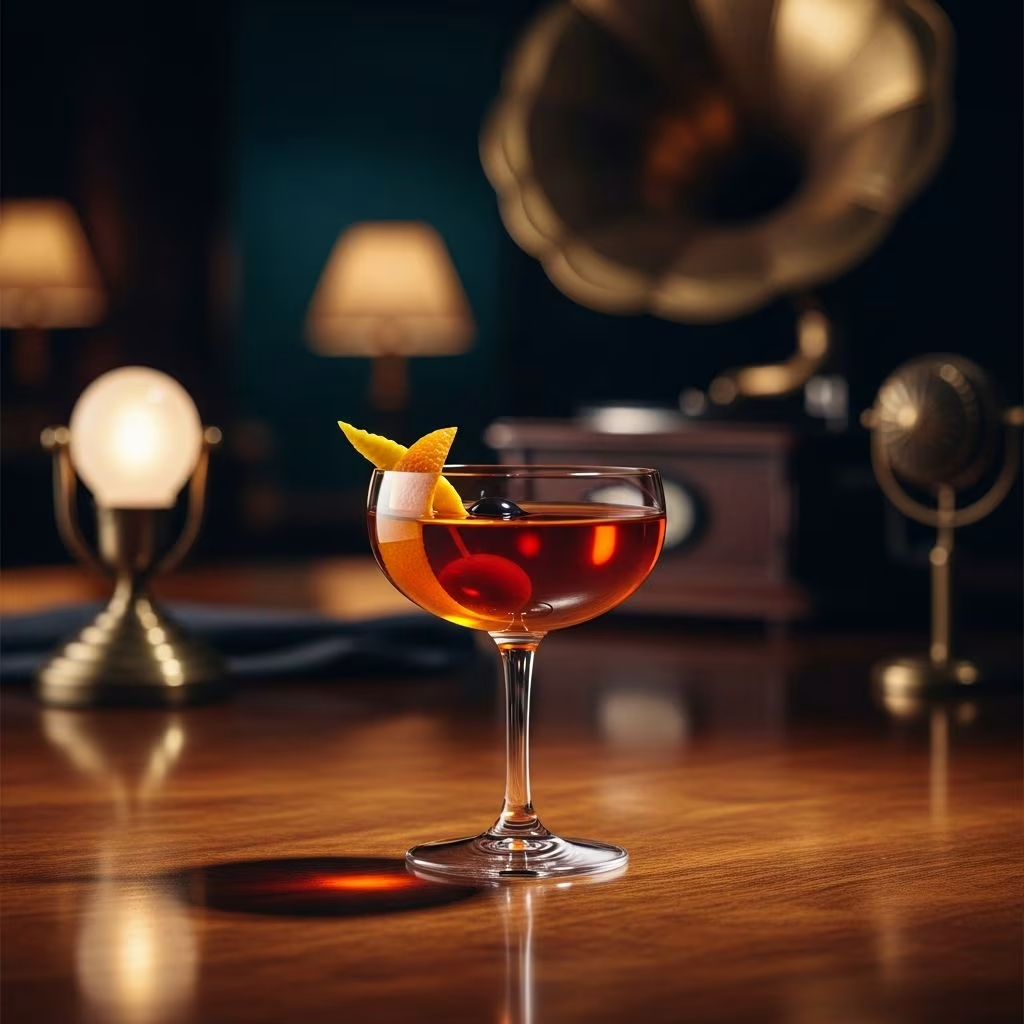
The world of cocktails is filled with complex concoctions that demand precision and flair, but sometimes the most memorable drinks are those that embrace simplicity. Enter the Django Reinhardt, a dry vermouth cocktail that captures the essence of elegance with just a handful of ingredients. Named after the legendary Belgian jazz guitarist Django Reinhardt, this drink mirrors his innovative spirit—smooth, sophisticated, and full of character. Whether you’re a seasoned mixologist or a curious home bartender, this cocktail offers a refreshing departure from sugary mixes, highlighting the nuanced flavors of quality vermouth.
The Jazz Roots of a Timeless Drink
Django Reinhardt, born in 1910, revolutionized gypsy jazz with his virtuosic guitar playing despite losing two fingers in a fire. His music was bold yet refined, much like this cocktail that bears his name. Created by beverage director Kat Odell, the drink emerged from a desire to showcase dry vermouth’s herbal complexity without overwhelming it with spirits. Vermouth, a fortified wine infused with botanicals, has been a staple since the 18th century, evolving from a medicinal tonic to a cocktail cornerstone.
In the 21st century, vermouth has enjoyed a renaissance, thanks to the craft cocktail movement. Bartenders now treat it as a star rather than a mixer, allowing its subtle notes of wormwood, citrus, and herbs to shine. The Django Reinhardt embodies this trend, proving that less can be profoundly more. Its creation reflects a nod to European café culture, where jazz and aperitifs intertwined in smoky Parisian clubs.
Essential Ingredients for Authentic Flavor
To craft this cocktail, focus on fresh, high-quality components. Here’s what you’ll need for one serving:
- 2 oz dry vermouth: Opt for brands like Dolin Dry or Noilly Prat for their crisp, balanced profiles.
- 0.25 oz orange liqueur: Cointreau or a artisanal triple sec adds a whisper of sweetness and citrus lift.
- 2 dashes orange bitters: These amplify the vermouth’s botanicals with spicy orange zest.
- Lemon twist: Expressed over the glass for aromatic oils.
- Ice: Chilled and cubed for proper dilution.
Dry vermouth’s flavor profile—think white wine with hints of chamomile, coriander, and a bitter edge—forms the backbone. The orange elements provide contrast without dominating, creating harmony in every sip.
Step-by-Step Mixing Guide
- Chill your glass: Place a Nick & Nora or coupe glass in the freezer for 10 minutes to maintain coldness.
- Prepare the mixing vessel: Fill a mixing glass with ice.
- Add ingredients: Pour in the dry vermouth, orange liqueur, and orange bitters.
- Stir with purpose: Use a bar spoon to stir for 20-30 seconds until well-chilled and slightly diluted. This technique preserves clarity and silkiness, unlike shaking which introduces foam.
- Strain elegantly: Double-strain into the chilled glass to remove ice shards.
- Garnish dramatically: Twist a lemon peel over the drink to release oils, then drop it in or perch it on the rim.
Serve immediately to preserve the aromas. The result is a crystal-clear libation with a pale gold hue, inviting your first sip.
Why Stirring Matters in Vermouth Cocktails
Stirring is an art in cocktail making, especially for spirit-forward drinks like this. It gently chills and dilutes, allowing flavors to meld without aeration. Shaking, by contrast, works for citrus-heavy or frothy drinks. For the Django Reinhardt, stirring ensures the vermouth’s delicate aromatics remain intact. Pro tip: Count your stirs—about 40 revolutions—or time it to achieve the perfect 20% dilution.
Customizing Your Django Reinhardt
While the classic recipe is perfection, experimentation keeps things exciting. Consider these variations:
| Variation | Substitution | Flavor Twist |
|---|---|---|
| Herbal Django | Add 2 dashes herbal bitters (e.g., celery or lavender) | Earthy, botanical depth |
| Citrus Burst | 0.5 oz fresh lemon juice + 0.25 oz simple syrup | Bright, tangy refreshment |
| Smoky Jazz | 0.5 oz mezcal rinse in the glass | Subtle smoke evoking jazz clubs |
| Vermouth Swap | Dolin Blanc instead of dry | Softer, slightly sweeter profile |
Always taste as you go; vermouth brands vary in bitterness and sweetness.
Pairing Perfection: Food Matches
This cocktail’s dry, herbal nature pairs beautifully with light, savory bites. Try it with:
- Charcuterie: Prosciutto or salami cuts through the botanicals.
- Seafood: Oysters on the half shell or shrimp cocktail enhance the citrus notes.
- Cheese: Goat cheese or aged Comté provides creamy contrast.
- Vegetables: Marinated olives or radishes for a crisp match.
Avoid heavy, sweet foods that clash with the drink’s finesse. It’s ideal as an aperitif before dinner.
Understanding Vermouth: A Buyer’s Primer
Vermouth isn’t just vermouth—it’s a spectrum. Dry versions (18-20% ABV) are pale and unsweetened, perfect for this cocktail. Store opened bottles in the fridge; they last 1-2 months. Key producers:
- Dolin: Classic French, mineral-driven.
- Noilly Prat: Aged in oak for nutty complexity.
- Carpano Bianco: Italian elegance with vanilla hints.
Read labels: Look for ‘dry’ or ‘seco’ and minimal sugar (under 35g/L).
Common Mistakes and Fixes
Avoid these pitfalls for cocktail success:
- Room-temp glass: Warms the drink instantly—always chill.
- Over-stirring: Leads to excess dilution; time it precisely.
- Poor-quality vermouth: Cheap bottles taste vinegary—invest in good stuff.
- Skipping bitters: They tie flavors together; don’t omit.
Health and Moderation Notes
At around 15-20% ABV, enjoy responsibly. Vermouth offers antioxidants from botanicals, but it’s still alcohol. Pair with water and limit to 1-2 drinks.
Frequently Asked Questions
What glass is best for Django Reinhardt?
A Nick & Nora or small coupe concentrates aromas.
Can I make it without orange liqueur?
Yes, but add extra orange bitters and a touch of simple syrup to compensate.
How long does opened vermouth last?
Refrigerated, up to 2 months; always reseal tightly.
Is this cocktail vegan?
Typically yes, but check vermouth labels for animal-derived clarifiers.
Best time to serve?
As an aperitif or during jazz listening sessions.
Elevate Your Home Bar
The Django Reinhardt cocktail is more than a drink—it’s a tribute to creativity and restraint. With practice, you’ll master its nuances, impressing guests with your finesse. Experiment, sip slowly, and let the jazz flow.
References
- Vermouth Production Standards — European Union Regulations. 2023-01-15. https://ec.europa.eu/info/food-farming-fisheries/food-safety-and-quality/certification/quality-labels/geographical-indications-register/
- The Oxford Companion to Spirits and Cocktails — Oxford University Press. 2021-10-01. https://global.oup.com/academic/product/the-oxford-companion-to-spirits-and-cocktails-9780199311132
- Django Reinhardt Biography — BBC Music. 2024-05-20. https://www.bbc.co.uk/music/artists/
- Cocktail Stirring Techniques — International Bartenders Association. 2023-11-10. https://iba-world.com/