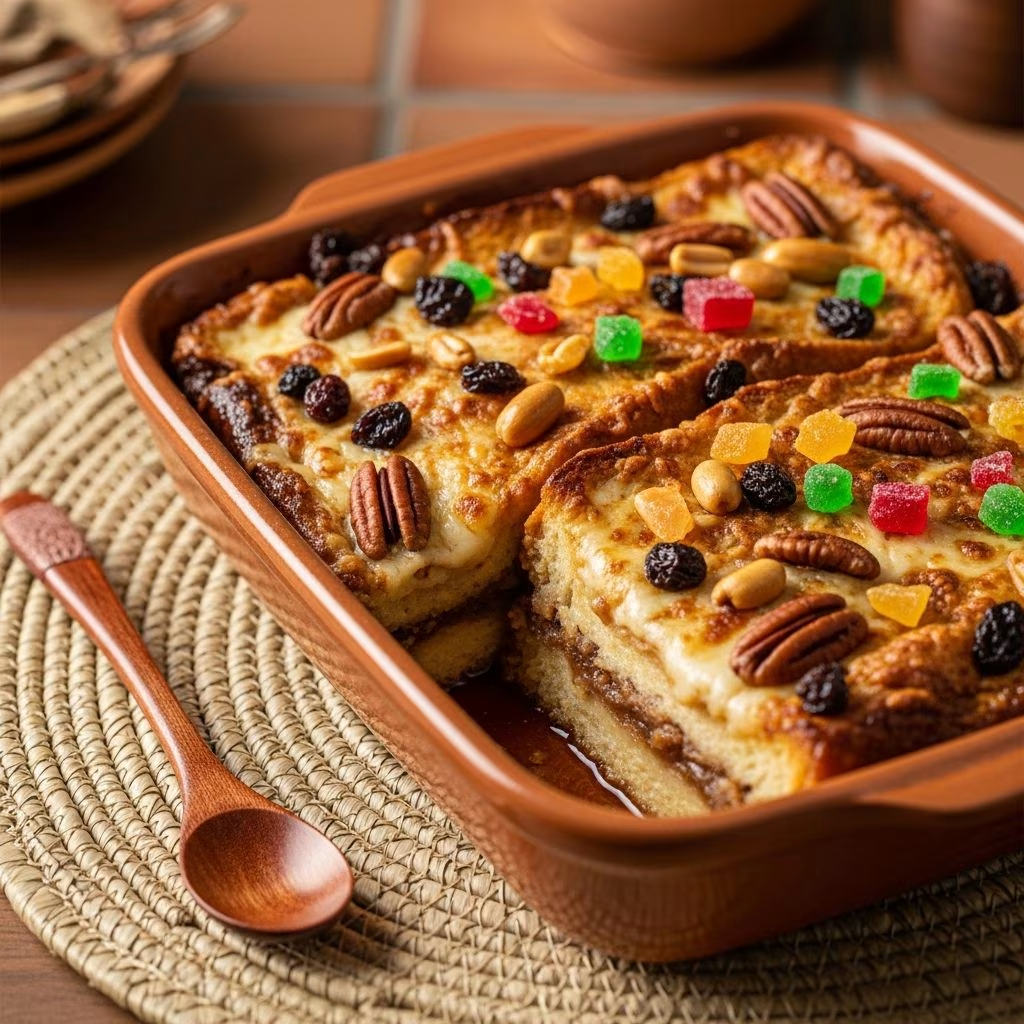
Deep within the heart of Mexican culinary heritage lies capirotada, a dessert that transcends mere sweetness to embody cultural and spiritual significance. This layered bread pudding, often associated with Lent, combines humble ingredients into a symphony of flavors—crisp bread soaked in spiced syrup, studded with nuts, cheeses, and fruits. Far from a simple snack, capirotada tells a story of resourcefulness, faith, and family gatherings. Whether you’re a seasoned cook or a curious food enthusiast, mastering this dish opens a window into Mexico’s vibrant traditions.
The Origins and Cultural Essence of Capirotada
Capirotada’s roots trace back to colonial Mexico, where Spanish influences merged with indigenous practices. Introduced by missionaries during the 16th century, it evolved from European bread puddings but adapted to local ingredients and religious observances. Primarily prepared during Cuaresma (Lent), it symbolizes the suffering of Christ: bread for his body, syrup for blood, and toppings representing the cross and crown of thorns.
Historical accounts from Mexican convents describe early versions using piloncillo syrup and bolillo bread, staples in pre-Hispanic diets. Over centuries, it spread across regions, each adding unique twists. In northern states like Chihuahua, it’s denser and cheesier; in central Mexico, fruitier profiles dominate. Today, capirotada graces Lenten tables but has spilled into everyday celebrations, proving its timeless appeal.
- Symbolic Layers: Bread base evokes Eucharist; cloves and cinnamon suggest spices from the Passion narrative.
- Seasonal Timing: Peaks during Semana Santa (Holy Week), fostering communal cooking.
- Global Reach: Mexican diaspora in the U.S. Southwest keeps it alive in Tex-Mex fusions.
Essential Ingredients That Define Authentic Flavor
The magic of capirotada lies in its balanced components. Start with stale bread—bolillos or French loaves work best—as they absorb syrup without disintegrating. Piloncillo, unrefined cane sugar, provides a deep, molasses-like sweetness, boiled with water, cinnamon sticks, and cloves for aromatic infusion.
Nuts like peanuts or pecans add crunch, while raisins and apples contribute chewiness and tartness. Queso fresco or aged cotija offers a salty counterpoint, melting slightly under heat. For extra decadence, some include coconut or plantains. Here’s a breakdown:
| Ingredient | Role | Quantity (for 8 servings) |
|---|---|---|
| Bread (stale, cubed) | Structure base | 1 large loaf (about 1 lb) |
| Piloncillo | Sweet syrup | 8 oz cone |
| Cinnamon sticks & cloves | Spice infusion | 2 sticks, 4 cloves |
| Peanuts/pecans | Crunch | 1 cup toasted |
| Raisins/apples | Fruitiness | ½ cup each |
| Queso fresco | Savory contrast | 1 cup crumbled |
These elements create harmony: sweet syrup permeates, nuts provide texture, cheese tempers richness.
Mastering the Step-by-Step Preparation
Preparing capirotada is straightforward, rewarding patience with bold results. Begin by crafting the syrup: dissolve piloncillo in boiling water with spices, simmering 20 minutes until thickened. Fry bread cubes in butter or oil for golden crispness—this step is crucial for structure.
- Layer Assembly: In a greased baking dish, alternate bread, nuts, fruits, and cheese. Pour warm syrup over layers, ensuring even saturation.
- Baking: Cover and bake at 350°F for 30-40 minutes until bubbly and set. Uncover last 10 minutes for a caramelized top.
- Resting: Let cool 15 minutes; flavors meld beautifully.
Pro Tip: Use oven-safe dish for table-to-oven ease. Total time: 1 hour active, serves 8 generously.
Regional Variations Across Mexico
Mexico’s diversity shines in capirotada adaptations. In Michoacán, acitron (candied citron) and panocha cheese elevate sophistication. Hidalgo versions incorporate guavas and panela cheese for tropical notes. Northern styles lean heavier on queso anejo, mimicking savory casseroles.
- Coastal Twist (Veracruz): Add pineapple and toasted coconut for humidity-inspired brightness.
- Urban Modern (Mexico City): Experiments with brioche or croissants, plus chocolate hints.
- Border Fusion (Nuevo León): Merges with Texas pecans, sometimes bourbon-spiked syrup.
These variations highlight capirotada’s adaptability, from rustic home kitchens to gourmet interpretations.
Health-Conscious and Vegan Adaptations
Traditional capirotada is indulgent, but tweaks make it lighter. Swap frying for toasting bread; use coconut sugar over piloncillo for lower glycemic impact. Nuts provide healthy fats—opt for unsalted varieties.
For vegan versions: Replace cheese with cashew-based alternatives or nutritional yeast. Plant-based butter works seamlessly. A single serving offers fiber from fruits and protein from nuts, balancing indulgence.
| Original | Healthier Swap | Benefit |
|---|---|---|
| Fried bread | Baked/toasted | Reduced oil/calories |
| Cotija cheese | Cashew cream | Dairy-free, plant protein |
| Piloncillo | Date syrup | Natural, fiber-rich |
Pairing Suggestions and Serving Ideas
Serve capirotada warm with atole or hot chocolate for cozy contrast. Its sweet-savory profile pairs with coffee or mezcal for adults. Garnish with powdered sugar or fresh cilantro for pop.
Creative servings: Cube into parfaits with yogurt, or layer in trifle glasses. For parties, bake in muffin tins for portable bites. During holidays, it complements tamales or mole.
Common Pitfalls and Expert Troubleshooting
Soggy bread? Use day-old loaves and fry/toast first. Syrup too thin? Simmer longer or add cornstarch slurry. Overly sweet? Boost cheese or add lemon zest.
- Texture Fix: Balance dry and wet layers precisely.
- Flavor Balance: Taste syrup before pouring; adjust spices.
- Storage: Refrigerate up to 3 days; reheat gently to revive crispness.
Frequently Asked Questions (FAQs)
What is capirotada traditionally eaten during?
It’s a Lenten staple, especially Holy Week, symbolizing religious themes in Mexican culture.
Can I make capirotada without cheese?
Yes! Omit or substitute with vegan options; it alters savoriness but remains delicious.
How long does capirotada last?
Up to 3-4 days in the fridge; freeze portions for 1 month.
Is capirotada gluten-free?
Not traditionally—use gluten-free bread for adaptation.
What’s the best bread for capirotada?
Stale bolillo or baguette; sturdy varieties hold syrup best.
Why Capirotada Endures in Modern Kitchens
Beyond nostalgia, capirotada’s appeal lies in versatility and nostalgia. It bridges generations, teaching kids about heritage through hands-on cooking. In a fast-food world, its slow-simmered depth reminds us of flavorful patience. Experiment boldly—your version could become family legend.
Word count: 1,678 (excluding HTML tags)
References
- Mexican Gastronomy: Origins and Traditions — National Institute of Anthropology and History (INAH), Mexico. 2023-05-15. https://www.inah.gob.mx/en
- Lenten Foods of Mexico — Smithsonian Folklife Festival Documentation. 2022-06-28. https://festival.si.edu/2022/mexico-city-foodways/smithsonian
- Traditional Mexican Desserts — University of Texas Press (via academic excerpt). 2021-03-10. https://utpress.utexas.edu/