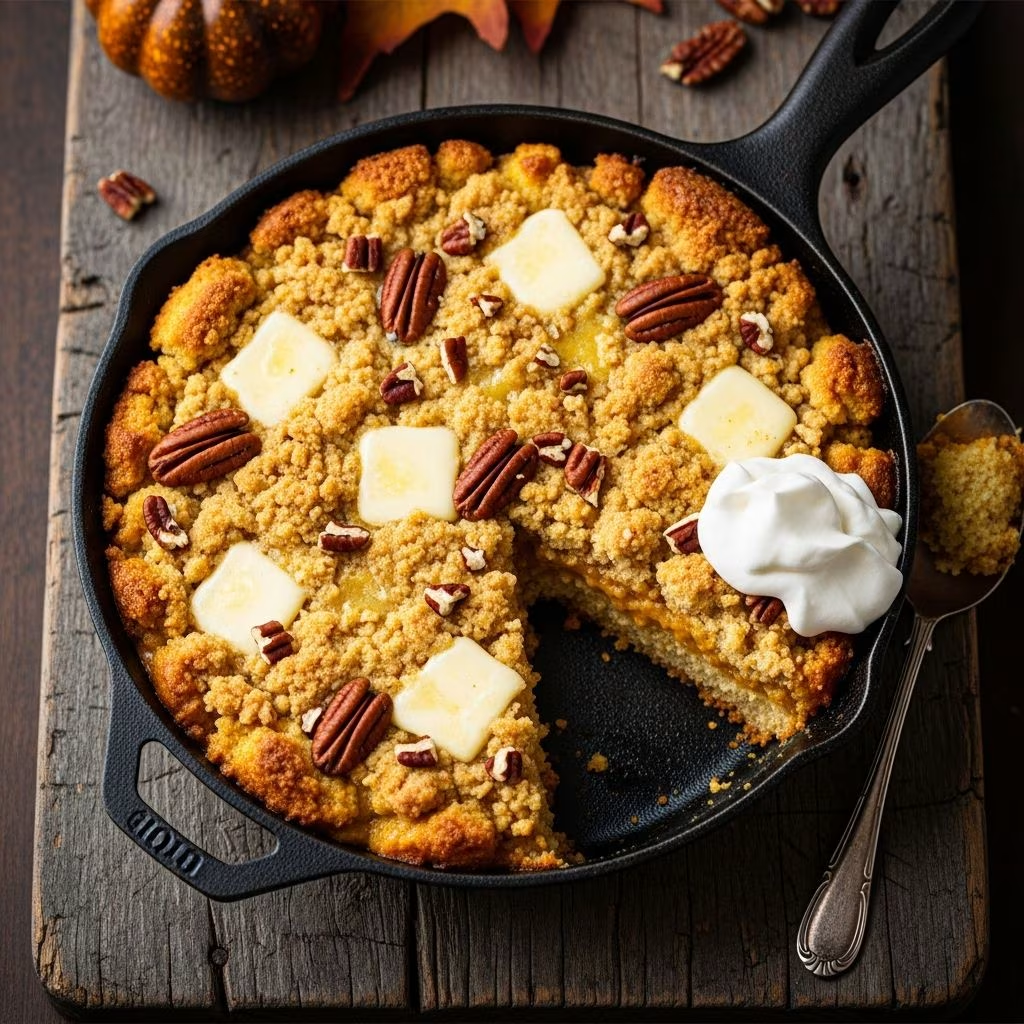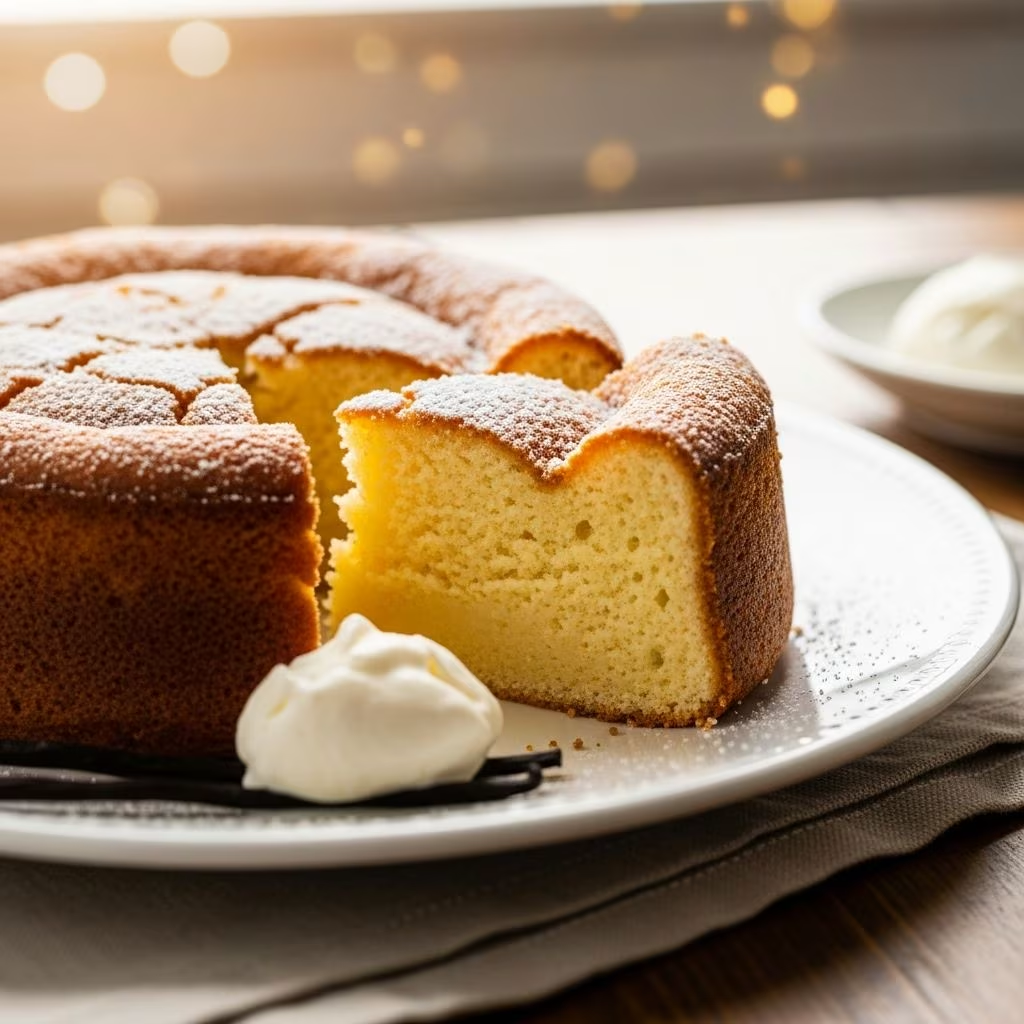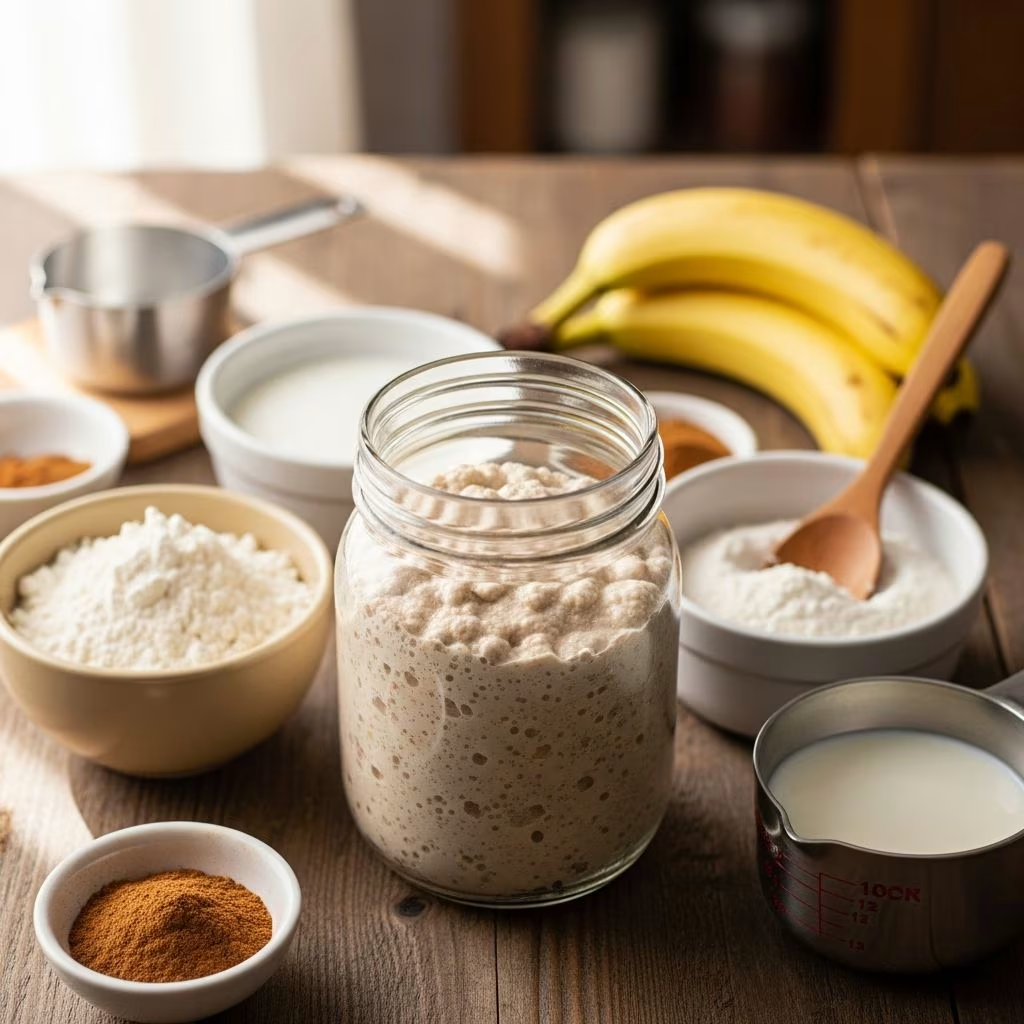
Amish friendship bread starter captures the essence of communal baking, where a simple mixture of basic pantry staples ferments over 10 days to produce a sweet, yeasty base for delectable breads and pastries. This tradition encourages sharing portions with friends, fostering connections through the shared experience of baking. Unlike traditional sourdough, this starter incorporates sugar for a milder tang and quicker fermentation, making it accessible for home cooks eager to try fermented goods without complex maintenance.
The Magic Behind the Starter
The starter begins with activating yeast in warm water, combined with flour, sugar, and milk to create a bubbly, living culture. Over days, daily mashing and occasional feedings allow wild yeasts and bacteria to develop flavors reminiscent of a sweet dough. This process not only builds depth but also ensures the mixture remains viable for repeated use, embodying the ‘friendship’ aspect by dividing it on day 10.
Key benefits include its forgiving nature—no precise temperature control needed—and versatility for sweet baked items. The high sugar content preserves it at room temperature, distinguishing it from dairy-heavy sourdoughs that require refrigeration.
Ingredients for Creating Your Starter
Gathering the right components is straightforward, using everyday items to kick off the 10-day journey.
- ¼ cup warm water (around 110°F to activate yeast without killing it)
- 1 package (2¼ teaspoons) active dry yeast
- 1 cup all-purpose flour (provides structure and feeds microbes)
- 1 cup granulated sugar (feeds yeast and adds sweetness)
- 1 cup milk (2% or whole for creaminess; avoids ultra-pasteurized if possible)
For later feedings on days 6 and 10, you’ll need additional equal parts flour, sugar, and milk. Opt for glass or plastic containers and utensils, as metal can react with the acidity.
Step-by-Step: Building the Starter Over 10 Days
Patience is key; the starter evolves daily through simple actions.
Day 1: Initiation
Dissolve yeast in warm water for 5-10 minutes until foamy. In a large non-metal bowl, whisk flour and sugar, then stir in milk followed by the yeast mix. Transfer to a gallon ziplock bag, seal, and label as Day 1. Let sit at room temperature (68-75°F ideal).
Days 2-5: Daily Maintenance
Mash the bag once daily to redistribute contents and release air, preventing pressure buildup. Bubbles may appear, signaling fermentation.
Day 6: First Feeding
Add 1 cup each flour, sugar, and milk directly to the bag. Mash thoroughly until smooth.
Days 7-9: Continued Mashing
Repeat daily mashing and air release. The mixture will darken and bubble more vigorously.
Day 10: Division and Baking Prep
Pour into a bowl, add 1-1½ cups each flour, sugar, milk, and mix. Portion into 1-cup bags: keep one, use one for baking, and gift the rest with instructions.
Baking the Classic Amish Friendship Bread
With 1 cup starter, transform it into moist, cinnamon-swirled loaves.
| Ingredient | Quantity |
|---|---|
| Friendship bread starter | 1 cup |
| Vegetable oil | 1 cup |
| Large eggs | 3 |
| Milk (2%) | ½ cup |
| Vanilla extract | ½ tsp |
| Granulated sugar | 1 cup |
| All-purpose flour | 2 cups |
| Salt | ½ tsp |
| Baking soda | ½ tsp |
| Baking powder | 1½ tsp |
| Ground cinnamon | 2 tsp |
| Instant vanilla pudding mix (3.4 oz boxes) | 2 small |
| Chopped nuts (optional) | 1 cup |
- Preheat oven to 325°F. Grease two loaf pans and dust with cinnamon-sugar mix (½ cup sugar + 1½ tsp cinnamon).
- Combine wet ingredients (starter through vanilla), then dry (flour through pudding). Fold together gently; add nuts if using.
- Divide batter, sprinkle topping, bake 50-60 minutes until toothpick tests clean. Cool before slicing.
Creative Variations to Expand Your Baking
Beyond loaves, the starter shines in diverse recipes.
- Muffins: Add blueberries or chocolate chips; bake at 350°F for 20-25 minutes.
- Dinner Rolls: Reduce sugar, shape into balls, rise 30 minutes, bake at 375°F.
- Pancakes: Thin with buttermilk, cook on griddle for fluffy results.
- Coffee Cake: Layer batter with streusel in a bundt pan.
Experiment with zucchini or applesauce for moist add-ins.
Tips for Success and Troubleshooting
Maintain room temperature; cooler spots slow fermentation. If hooch (liquid) forms, stir back in or pour off excess. For low-sugar versions, omit sugar in feedings but expect milder flavor and shorter shelf life. Store extra starters in fridge up to 10 days, feeding weekly.
Common issues:
- No bubbles? Yeast may be inactive; start over with fresh packet.
- Too sour? Reduce fermentation time next cycle.
- Mold? Discard immediately—cleanliness is crucial.
Healthier Twists on Tradition
Adapt for wellness: swap white flour for whole wheat (half at a time), use almond milk, or create sugar-free by skipping sugar feeds. Instant pudding can be replaced with Greek yogurt for moisture without additives. These yield denser but nutritious loaves suitable for balanced diets.
Sharing the Tradition: Gifting Instructions
Attach a note with the 10-day schedule and a bread recipe to recipients. This builds community, as one starter multiplies into many.
Frequently Asked Questions
Can I use the starter immediately?
No, follow the full 10 days for optimal flavor and rise.
Is refrigeration okay?
Yes for storage, but feed before using and let warm to room temp.
Gluten-free possible?
Substitute gluten-free flour blend, but results vary due to sugar-yeast balance.
How long does starter last?
Indefinitely with regular feeding; freeze for months.
Vegan version?
Use plant milk and egg replacers like flax eggs.
Nutritional Snapshot
Per slice (based on classic bread, 20 slices/loaf): ~250 calories, 12g fat, 35g carbs, 4g protein. Varies with add-ins.
References
- Amish Friendship Bread Starter Recipe — Tastes of Lizzy T. 2023. https://www.tastesoflizzyt.com/amish-friendship-bread-starter-recipe/
- Amish Friendship Bread Starter — Crave The Good. 2023. https://www.cravethegood.com/amish-friendship-bread-starter/
- How To Make Amish Friendship Bread Starter — 12 Tomatoes. 2023. https://12tomatoes.com/amish-friendship-bread-starter/
- Amish Friendship Bread Starter (Low Sugar / Sugar-Free) — Friendship Bread Kitchen. 2023. https://www.friendshipbreadkitchen.com/afb-starter-sugar-free/