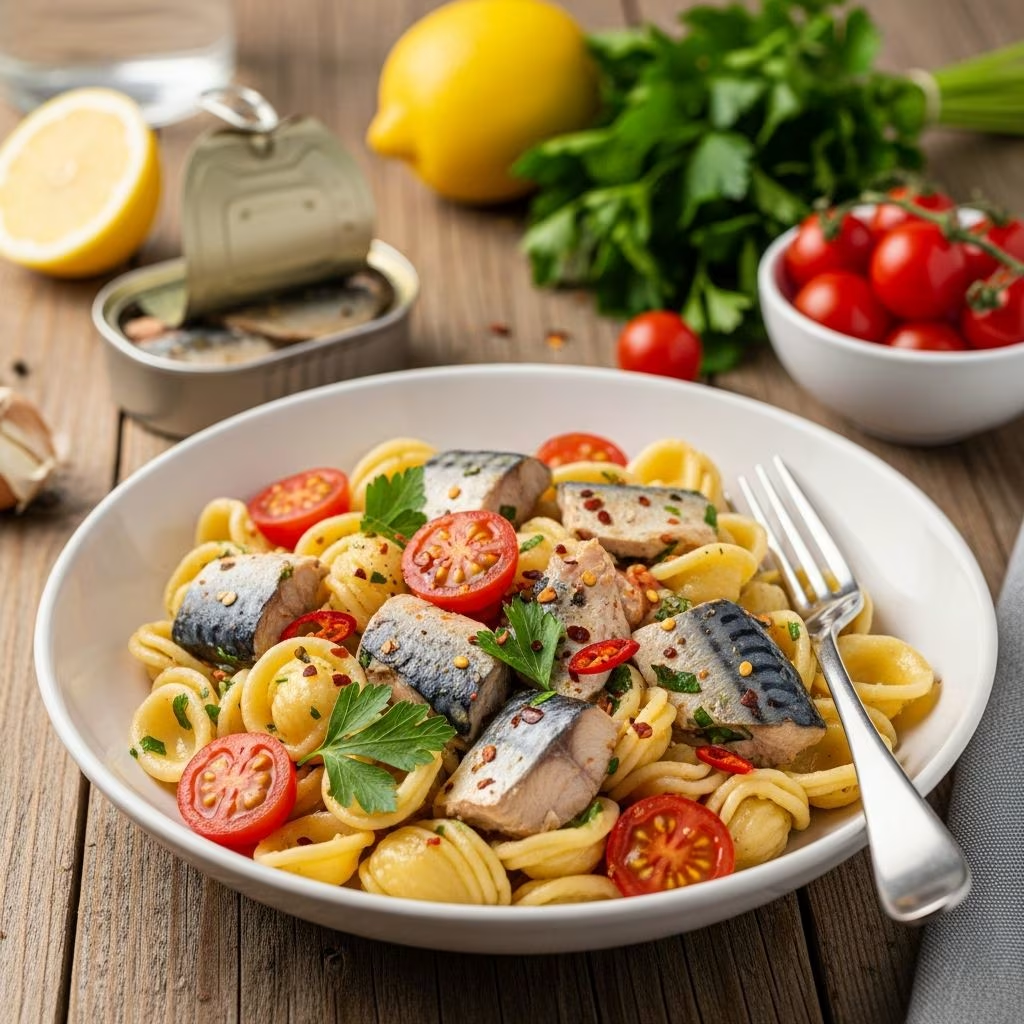
When time is limited and inspiration feels distant, the contents of your pantry and refrigerator can become the foundation for an impressive meal. Canned mackerel pasta represents one of the most underrated quick dinner solutions available to home cooks. This dish combines the convenience of shelf-stable ingredients with genuine nutritional benefits and authentic flavor, proving that weeknight dinners need not rely on takeout menus or complicated techniques.
Why Canned Mackerel Works as a Protein Base
Canned mackerel has long been a staple in Mediterranean and Nordic cuisines, yet many Western home cooks overlook its potential. The fish arrives pre-cooked and ready to use, eliminating lengthy preparation steps while retaining its nutritional profile. Unlike some preserved fish products, quality canned mackerel maintains its tender texture and rich flavor when properly processed.
The nutritional advantages extend beyond mere convenience. Mackerel is an exceptional source of omega-3 fatty acids, which research indicates support cardiovascular health and cognitive function. A single serving delivers substantial protein content while remaining relatively modest in calories, making it an ideal choice for those seeking balanced meals without excessive preparation time.
Understanding Your Ingredient Foundation
The beauty of pantry pasta lies in flexibility within structure. While numerous variations exist, certain components create the backbone of a successful dish:
The Pasta Selection
Spaghetti remains the traditional choice for mackerel-based preparations, though any pasta shape accommodates the sauce effectively. The key consideration involves cooking to al dente consistency, as the pasta will continue softening slightly when combined with the warm sauce. This prevents the unfortunate outcome of mushy, overcooked strands that diminish the overall texture.
The Oil Component
Most quality canned mackerel arrives preserved in olive oil, which becomes an asset rather than something to discard. This oil carries flavor and helps create the sauce base. Reserve approximately one-quarter cup of this oil for incorporation into the finished dish, as it adds richness and helps coat the pasta evenly.
Essential Aromatics and Flavor Builders
- Fresh garlic, minced finely, provides aromatic foundation
- Lemon juice and zest brighten the overall profile with acidity
- Capers contribute briny complexity and textural contrast
- Red pepper flakes introduce gentle heat that complements the fish
- Fresh herbs, particularly parsley, add vibrancy and freshness
Building Your Sauce: A Step-by-Step Approach
The sauce construction begins while water comes to a boil for the pasta. This timing ensures all components reach their peak when combining occurs. Begin by warming the reserved mackerel oil in a large skillet over medium heat. Once shimmering, add minced garlic and allow it to perfume the oil for approximately one minute, stirring constantly to prevent browning that would introduce bitterness.
Add your complementary ingredients at this stage. Whether you choose sundried tomatoes, fresh bell peppers, cherry tomatoes, or olives, the cooking time remains relatively brief—approximately two to three minutes for most vegetables. This short cooking window preserves texture while allowing flavors to meld.
Gently break the canned mackerel into the skillet, being careful not to pulverize the delicate flesh into paste. The goal involves maintaining some structural integrity so individual flakes remain visible in the finished dish. Season generously with salt, pepper, and red pepper flakes, then allow everything to cook together for roughly two minutes while the mackerel warms through and flavors combine.
The Pasta Water Connection
One frequently overlooked element in sauce development involves pasta cooking water. This starchy liquid serves as a natural emulsifier, helping bind ingredients into a cohesive sauce rather than a collection of separate components. As your pasta finishes cooking to al dente, reserve at least one-half cup of this water before draining.
Transfer the drained pasta directly into the skillet containing your sauce, then add approximately one-quarter cup of reserved pasta water. Toss gently but thoroughly, incorporating the pasta water gradually as it combines with the oil and other sauce components. If the mixture appears too dry, add additional pasta water by the tablespoon until the desired consistency emerges—the sauce should coat the pasta without pooling excessively at the bottom.
Finishing Touches and Presentation
The final moments before plating determine whether your dish achieves its potential. Remove from heat once the pasta achieves its saucy consistency, then incorporate freshly grated Parmesan cheese, which adds umami depth and slight saltiness. Taste carefully and adjust seasoning as needed, though most pantry ingredients already contain adequate salt.
Divide the pasta among serving bowls and shower each portion with additional cracked black pepper, fresh parsley, and if available, lemon zest. Some preparations benefit from toasted pine nuts, which add textural contrast and subtle nuttiness. Serve immediately with lemon wedges on the side, allowing diners to adjust acidity according to preference.
Ingredient Flexibility and Variations
The foundation recipe accommodates numerous interpretations based on what occupies your pantry. The following combinations have proven successful:
| Variation | Key Additions | Flavor Profile |
|---|---|---|
| Mediterranean Style | Bell peppers, cherry tomatoes, green olives | Fresh, bright, vegetable-forward |
| Sun-Dried Tomato Version | Sundried tomatoes, capers, red chili flakes | Intense, umami-rich, slightly spicy |
| Classic Lemon-Herb | Fresh lemon juice, garlic, abundant parsley | Clean, light, highlighting fish flavor |
| Spicy Heat Option | Increased red pepper flakes, garlic, lemon | Warming, slightly aggressive, bold |
Nutritional Considerations and Health Benefits
Beyond convenience, this dish delivers measurable nutritional advantages. Canned mackerel provides superior omega-3 fatty acid content compared to many other affordable protein sources. These essential fats support sustained energy levels and contribute to overall metabolic function. The accompanying vegetables and herbs introduce fiber, vitamins, and mineral content that elevate the dish beyond simple carbohydrate and protein pairing.
The preparation method—gentle warming rather than high-heat cooking—preserves heat-sensitive nutrients while maintaining the mackerel’s nutritional integrity. This contrasts favorably with methods involving extensive cooking or high temperatures that can degrade certain beneficial compounds.
Time-Saving Strategies for Busier Schedules
When minutes matter most, certain preparation techniques accelerate the process without compromising quality. Pre-mincing garlic several hours in advance saves cutting time during cooking. Purchasing pre-chopped vegetables, while occasionally more expensive, eliminates prep work entirely. Some versions bypass the skillet entirely, instead combining all ingredients in the pot immediately after draining pasta, though this approach sacrifices some flavor development through ingredient toasting.
Frequently Asked Questions
Can I substitute different types of canned fish for mackerel?
Yes, canned sardines and tinned tuna work effectively, though they impart different flavor characteristics. Sardines provide similar richness, while tuna offers a milder, slightly less distinctive taste. Quality and oil type significantly impact results, so prioritize reputable brands.
Is fresh mackerel preferable to canned for this dish?
Fresh mackerel requires additional cooking time and handling, removing the primary advantage of this recipe—speed. Canned mackerel maintains excellent flavor and superior convenience for quick preparation, though fresh fish produces a lighter texture if time permits.
What pasta shape works best?
Spaghetti is traditional, but penne, linguine, or short shapes like fusilli accommodate the sauce equally well. Choose based on personal preference, as the sauce consistency adjusts regardless of pasta type.
Can this dish be prepared ahead and reheated?
Yes, though quality diminishes slightly with reheating. Store in airtight containers and reheat gently over low heat with a splash of water or additional pasta water to restore sauce consistency. Consume within two days for optimal flavor.
How can I make this dish vegetarian?
Remove the mackerel and increase vegetables substantially. Mushrooms, artichoke hearts, and sun-dried tomatoes create richness that partially compensates for the missing protein. Adding pine nuts or walnuts provides textural contrast.
What wine pairs well with this preparation?
Crisp white wines complement the lemon and fish elements effectively. Sauvignon Blanc, Pinot Grigio, or unoaked Chardonnay provide suitable options that won’t overpower the delicate fish flavors.
Conclusion: Elevating Weeknight Cooking
Canned mackerel pasta demonstrates that convenience and quality need not conflict. By combining shelf-stable ingredients with simple technique, home cooks create meals that satisfy both nutritional requirements and culinary expectations. The dish accommodates numerous variations while maintaining its essential appeal: speed, nutrition, and genuine flavor. Whether served during hectic weeknights or casual entertaining, this pantry-based preparation earns a permanent place in the rotation of quick, reliable dinners.
References
- Canned Mackerel Pasta Preparation Methods — The Dinner Bite. 2024. https://www.thedinnerbite.com/pantry-pasta-with-canned-mackerel-canned-mackerel-pasta/
- Omega-3 Fatty Acids and Cardiovascular Health — American Heart Association. 2024. https://www.heart.org/en/healthy-living/healthy-eating/eat-smart/omega-3
- Mediterranean Canned Mackerel Pasta Recipe Development — Sandra Valvassori. 2024. https://www.sandravalvassori.com/canned-mackerel-pasta/
- Quick Mackerel Pasta Preparation Techniques — Global Connections for Women Foundation. 2021. https://gc4women.org/2021/12/07/mackerel-pantry-pasta/