Cheese lovers often face a dilemma when spotting fuzzy spots on their favorite block or wheel. While some molds enhance flavor in gourmet varieties, unwanted growth raises valid concerns about safety. This guide breaks down the science, types of cheese, and expert recommendations to help you decide confidently whether to trim or trash.
Understanding Mold in Cheese Production
Mold plays a deliberate role in certain cheeses, transforming milk into distinctive textures and tastes. Varieties like blue cheese rely on specific fungal strains, such as Penicillium roqueforti, introduced during manufacturing. These controlled molds penetrate the interior, creating veins and tangy profiles without health risks for most people.
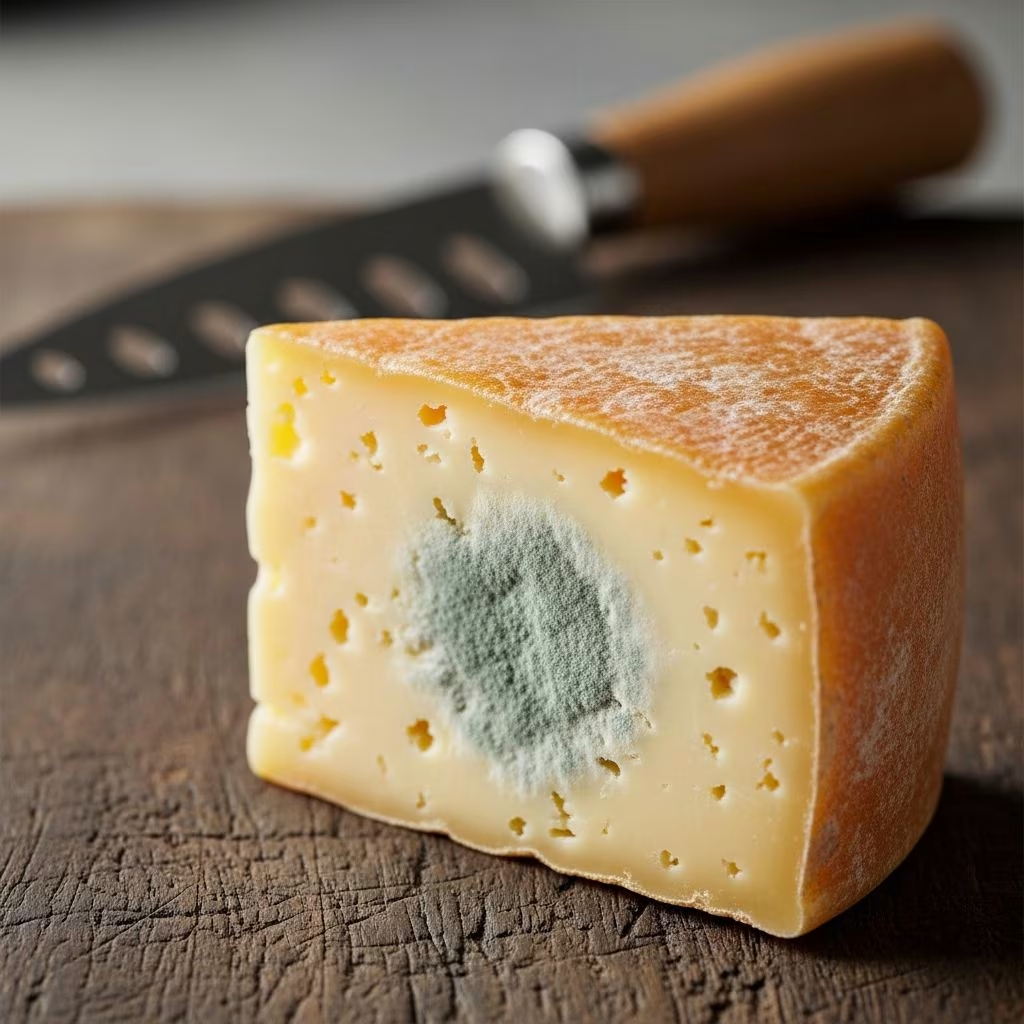
In contrast, household mold appears unexpectedly due to improper storage, humidity, or air exposure. This uncontrolled growth can signal deeper contamination, where invisible mycelium spreads internally, carrying potential pathogens. Recognizing the difference is crucial: intentional mold is safe; accidental mold demands caution.
Cheese Categories and Mold Behavior
Cheese texture determines how mold spreads. Hard and semi-hard types have low moisture, limiting fungal invasion. Soft, high-moisture options allow rapid penetration, making them riskier.
| Cheese Type | Examples | Mold Spread | Action |
|---|---|---|---|
| Hard/Semi-Hard | Cheddar, Parmesan, Swiss, Colby | Limited to surface | Cut out 1-inch margin |
| Soft | Cottage, Cream, Ricotta | Deep and invisible | Discard entirely |
| Processed/Shredded | Pre-grated, sliced packs | Throughout due to exposure | Discard |
| Mold-Ripened | Brie, Camembert, Gorgonzola | Safe if original; discard extras | Trim if unintended |
This classification guides safe handling. Hard cheeses permit salvage; others do not.
Health Risks of Eating Moldy Cheese
Mold itself may cause allergic reactions or respiratory issues in sensitive individuals. More alarmingly, it coexists with bacteria like Listeria monocytogenes, Salmonella, Brucella, and E. coli. These thrive in dairy’s nutrient-rich environment, especially unpasteurized products.
- Listeria: Survives refrigeration; dangerous for pregnant people, infants, elderly, and immunocompromised.
- Mycotoxins: Some molds produce heat-stable toxins affecting liver and kidneys.
- General symptoms: Nausea, vomiting, diarrhea; severe cases lead to hospitalization.
Pasteurization kills many pathogens, but mold growth indicates possible breaches. Vulnerable groups should avoid any suspect cheese.
Step-by-Step Guide: Salvaging Hard Cheese
- Inspect thoroughly: Look for fuzzy, colored spots (green, black, pink). Smell for off odors beyond natural pungency.
- Prepare tools: Use a clean, sharp knife; designate one solely for mold removal to avoid cross-contamination.
- Cut generously: Remove at least 1 inch (2.5 cm) around and below the spot. Discard the excised portion far from edibles.
- Check remainder: Ensure no discoloration or softness remains. Rewrap tightly in fresh wax paper or parchment.
- Store properly: Refrigerate at 35-40°F (2-4°C); use cheese paper for breathability.
For blue or Gorgonzola, trim only atypical mold exceeding the characteristic veins.
Prevention Strategies for Fresher Cheese
Proactive habits extend shelf life and minimize mold.
- Buy in small quantities matching consumption.
- Wrap in breathable materials: cheese paper, not plastic, which traps moisture.
- Store away from strong odors; use dedicated fridge drawers.
- Freeze portions: Grate and bag for up to 6 months; thaw in fridge.
- Monitor dates: Consume soft cheeses within 1-2 weeks of opening.
Humidity control is key—aim for 80-90% in storage areas.
Special Considerations for Vulnerable Populations
Pregnant individuals face heightened listeria risks, potentially causing miscarriage or newborn infections. Immunosuppressed people, including cancer patients or transplant recipients, should err toward discarding all questionable cheese. Children under 5 and seniors over 65 share similar vulnerabilities.
Unpasteurized (raw milk) cheeses amplify dangers, as beneficial bacteria compete less with pathogens. Opt for pasteurized unless sourcing from trusted artisans with rigorous testing.
FAQs on Moldy Cheese
Can I eat cheese if only a tiny spot appears?
No for soft varieties; yes for hard if trimmed properly. Tiny spots often indicate wider invisible spread.
What if mold is blue on non-blue cheese?
Treat as unwanted: cut from hard types or discard soft. Blue hues signal Penicillium, safe only in intended cheeses.
Does cooking kill mold risks?
Heat destroys some molds but not all mycotoxins or bacteria like listeria. Prevention trumps cooking.
How long does opened cheese last?
Hard: 3-4 weeks; soft: 1-2 weeks. Signs of spoilage precede mold.
Is mold on cheese rind safe to ignore?
For rindless, no. Rinds on wheels like Brie may develop safe surface mold, but penetrate deeper if fuzzy.
Comparing Global Guidelines
| Authority | Hard Cheese | Soft Cheese | Additional Notes |
|---|---|---|---|
| Mayo Clinic | Cut 1-inch around | Discard | Shredded: toss; raw milk risks |
| USDA | Cut 1-inch | Discard | Broad food mold advice |
| Cheese Experts | Trim safe molds | N/A | Focus on production molds |
Consensus prioritizes safety over salvage for soft types.
Debunking Common Myths
- Myth: All mold is penicillin. False—household molds differ from pharmaceutical strains.
- Myth: Scraping surface suffices. Invisible roots persist in moist cheeses.
- Myth: Vintage cheese always molds safely. Age increases risk without proper care.
Rely on science, not folklore.
Enhancing Your Cheese Experience Safely
Embrace mold-ripened delights like Roquefort confidently. Pair with fruits, nuts, or wines. For everyday blocks, vigilance ensures enjoyment without worry. When in doubt, throw out—health outweighs waste.
References
- Moldy cheese: Is it OK to eat? — Mayo Clinic. 2023-10-12. https://www.mayoclinic.org/healthy-lifestyle/nutrition-and-healthy-eating/expert-answers/food-and-nutrition/faq-20058492
- Why do we eat moldy cheese? — Cheesehouse.com. 2024-05-15. https://cheesehouse.com/cheese/why-do-we-eat-moldy-cheese/
- If food has mold, is it safe to eat? — USDA AskUSDA. 2025-01-20. https://ask.usda.gov/s/article/If-food-has-mold-is-it-safe-to-eat