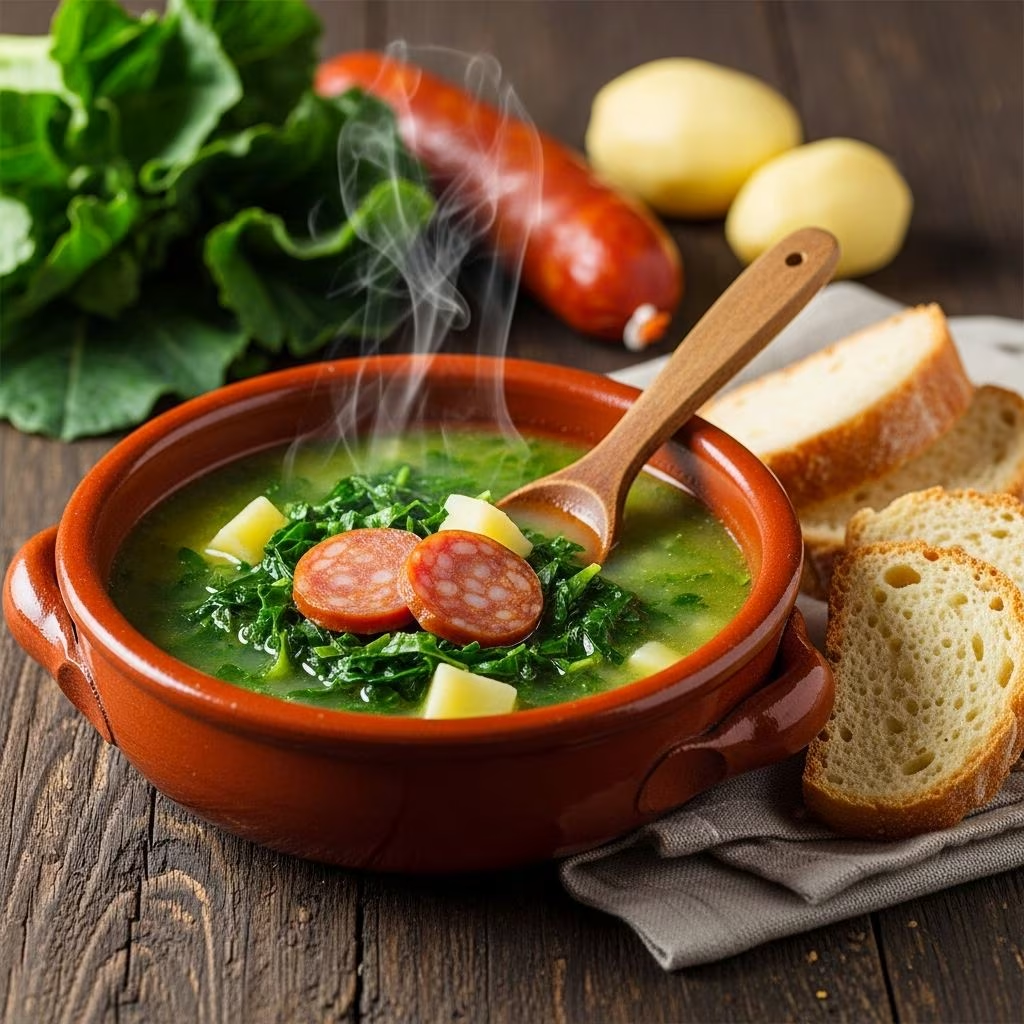
Caldo verde represents one of Portugal’s most cherished culinary contributions to world cuisine. This humble yet deeply satisfying soup embodies the essence of Portuguese home cooking, combining a few uncomplicated ingredients into a dish that warms both body and soul. The name translates simply to “green soup,” yet the preparation and flavor profile reveal layers of sophistication developed over generations of Portuguese cooking traditions.
Understanding the Cultural Significance
In Portugal, caldo verde transcends the simple definition of soup. It serves as a symbol of national pride, a staple at family gatherings, and a representation of Portuguese values around resourcefulness and celebrating simplicity. The dish appears on tables during celebrations, festive gatherings, and quiet family dinners with equal reverence. For many Portuguese immigrants and descendants, preparing this soup connects them to their heritage and maintains cultural bonds across generations.
The popularity of caldo verde extends beyond Portugal’s borders. Food enthusiasts worldwide have embraced this green soup, recognizing its universal appeal as comfort food. Its straightforward preparation method and minimal ingredient list make it accessible to home cooks of varying skill levels, contributing to its widespread adoption in kitchens globally.
Core Components That Define the Dish
The foundation of caldo verde rests upon four primary elements, each contributing essential flavors and textures. Understanding these components reveals why this soup achieves such perfect balance despite its simplicity.
Potato Foundation
Potatoes form the structural backbone of caldo verde, creating the creamy, velvety base that distinguishes this soup from other green vegetable broths. Rather than serving as mere filler, potatoes contribute subtle earthiness and natural starch that thickens the soup naturally. The choice of potato variety matters more than many realize. Yellow or gold potatoes offer better creaminess when blended compared to waxy varieties, resulting in a silkier final texture. Most recipes call for approximately one pound of potatoes per four servings, though preferences for consistency vary among cooks.
Portuguese Sausage Selection
Chouriço represents the traditional sausage choice for authentic caldo verde, though alternatives like linguiça and Spanish chorizo serve as acceptable substitutes when the original ingredient proves unavailable. These smoked pork sausages contribute rich, complex flavors that permeate throughout the broth. The sausage’s smokiness and spice elevate the soup beyond a simple vegetable preparation into something substantially more satisfying. Rather than cooking sausages separately, traditional preparation involves browning sliced sausage directly in the pot, allowing its oils and flavors to infuse into the cooking medium.
Aromatic Base
Onions and garlic establish the aromatic foundation, cooked until softened before introducing other ingredients. Spanish onions work particularly well, though yellow onions offer a practical alternative. Garlic receives generous treatment in Portuguese cooking, and caldo verde honors this tradition. Many cooks add more garlic than recipes initially suggest, embracing the Portuguese philosophy that garlic makes everything better. This aromatic base should be cooked until completely translucent before proceeding, allowing the flavors to develop fully and mellow slightly.
The Signature Green
Collard greens represent the traditional vegetable choice, though Portuguese cooks increasingly use kale as an acceptable substitution. The critical preparation technique involves slicing greens into whisper-thin ribbons rather than chopping them roughly. This specific cutting method creates the soup’s signature appearance and ensures optimal texture. The greens cook briefly, maintaining a slight firmness that contrasts beautifully with the creamy potato base. Overcooking greens results in mushy texture and diminished visual appeal, so timing this final step carefully proves essential.
Preparation Technique Explained
While caldo verde appears deceptively simple, success depends upon understanding the methodical progression of preparation steps.
Building Flavors Through Sautéing
Begin by heating olive oil in a large pot over medium heat. Traditionally, good-quality extra-virgin olive oil gets used, adding its own subtle fruity notes to the finished dish. Once the oil shimmers, add sliced sausage and cook until the edges brown slightly, approximately three to five minutes. This step releases the sausage’s flavorful oils into the pot, creating a flavorful cooking medium for subsequent ingredients.
Next, introduce diced onions and a generous pinch of salt. The salt helps draw moisture from the onions, accelerating the softening process. Stir occasionally as the onions gradually become translucent and fragrant, a process requiring five to seven minutes. Add minced garlic and cook for two additional minutes, stirring constantly to prevent burning.
The Potato Cooking Phase
Add diced potatoes to the fragrant base along with cold water or a combination of water and broth. Traditional recipes specify water alone, relying entirely on sausage and vegetables for seasoning. More contemporary versions employ chicken or vegetable broth for enhanced depth. Bring the mixture to a boil, then immediately reduce heat to maintain a gentle simmer. Cook until potatoes become completely tender, typically ten to twenty minutes depending on potato size and type.
Creating the Creamy Consistency
Once potatoes reach complete tenderness, remove the pot from direct heat and allow the contents to cool slightly, making handling safer. Using an immersion blender, purée the potato mixture until smooth and creamy. Some cooks prefer leaving small potato pieces for slightly chunkier texture, while purists demand complete smoothness. Both approaches remain legitimate. For those without an immersion blender, transferring soup to a standard blender in batches achieves identical results.
Final Assembly and Seasoning
Return the blended soup to medium heat. Add the sliced collard greens or kale and bring everything back to a gentle boil. Reduce heat immediately and simmer until the greens soften completely, approximately two to five minutes. Season aggressively with salt and freshly ground black pepper, tasting as you go. Ladle finished soup into bowls and garnish with remaining sausage slices and a drizzle of premium olive oil.
Variations and Adaptations
| Variation | Key Differences | Best Suited For |
|---|---|---|
| Traditional Portuguese | Water-based broth, heavy on garlic and olive oil | Authentic preparation, purists |
| Broth-Enhanced | Half water, half chicken or vegetable stock | Deeper flavor, modern preferences |
| Kale Version | Replaces collard greens with kale | Accessibility, nutritional emphasis |
| Partially Blended | Leaves some potato chunks uncreamed | Texture preference, rustic appeal |
| Dairy-Free Modern | Adds cream or milk alternative | Non-traditional enhancement, creaminess |
Nutritional Profile and Health Benefits
Caldo verde delivers substantial nutritional benefits despite its modest ingredient list. Collard greens contribute vitamins K and C, supporting bone health and immune function. Potatoes provide complex carbohydrates and potassium, while the sausage adds protein and B vitamins. The soup naturally contains no dairy or gluten in its authentic form, making it suitable for individuals with common dietary restrictions.
The olive oil component deserves particular mention, as it provides heart-healthy monounsaturated fats and antioxidants. Portuguese culinary traditions emphasize olive oil’s health properties, using generous quantities to maximize these benefits. A single bowl of caldo verde delivers a surprisingly complete nutritional package, combining vegetables, protein, and healthy fats into one satisfying dish.
Serving Recommendations and Accompaniments
Authentic Portuguese service involves ladle fresh caldo verde into bowls and garnishing generously with sliced sausage and a spiral of excellent olive oil. Serving the soup warm, never piping hot, allows flavors to develop fully on the palate. Crusty bread provides the traditional accompaniment, used both for dipping and for soaking up every precious drop of broth.
Portuguese wine pairings include Vinho Verde, the slightly sparkling white wine that shares the “verde” designation with this soup. The wine’s crisp acidity and subtle carbonation complement the soup’s richness beautifully. For non-alcoholic options, sparkling water with lemon provides comparable refreshment.
Storage and Make-Ahead Strategies
Caldo verde stores remarkably well in refrigerator containers for up to four days. The flavors actually develop and deepen after a day of refrigeration, making this soup ideal for advance preparation. The blended potato base separates slightly upon standing, but gentle reheating redistributes it evenly throughout. For best results, store the blended soup and sliced greens separately, adding the greens during the reheating process for optimal texture.
Freezing caldo verde is entirely feasible, though some sources suggest excluding the greens from frozen portions. Freeze the blended potato-broth base in portions, then add fresh greens when reheating and serving. This approach preserves the greens’ bright color and pleasant texture. Thaw frozen soup overnight in the refrigerator before gentle reheating over low heat.
Frequently Asked Questions
Can I make caldo verde without sausage?
While possible, omitting sausage removes essential flavors that characterize authentic caldo verde. Vegetarian versions exist but represent significant departures from tradition. If avoiding sausage, consider using smoked paprika or other smoky seasonings to compensate for lost depth.
What’s the difference between chouriço and linguiça?
Chouriço tends toward spicier profiles, while linguiça offers milder, smokier characteristics. Either works in caldo verde, with the choice depending on personal heat tolerance and availability.
Should the soup be completely smooth or chunky?
This represents a matter of personal preference with no single “correct” answer. Portuguese versions vary widely, with some regions preferring complete smoothness while others embrace rustic texture. Blend according to your preference.
Can I use regular potatoes instead of gold potatoes?
Waxy potatoes like fingerlings create different texture than starchy varieties. Russet potatoes provide excellent creaminess when blended. Any potato works, but starchy varieties produce silkier results.
Is caldo verde gluten-free?
Traditional caldo verde contains no gluten. However, always verify sausage ingredients, as some commercial varieties include gluten-containing binders. Quality Portuguese sausages should be naturally gluten-free.
Tips for Achieving Restaurant-Quality Results
- Slice collard greens into whisper-thin ribbons rather than chopping roughly, creating signature appearance and texture
- Use quality extra-virgin olive oil, as it directly impacts final flavor
- Dice potatoes evenly to ensure uniform cooking throughout the batch
- Taste soup before adding greens and adjust salt and pepper accordingly
- Never rush the sautéing phase; allow aromatics time to fully develop their flavors
- Add greens at the very end, cooking just until softened to preserve color and nutrients
- Serve with excellent crusty bread and additional olive oil for drizzling
- Allow soup to cool slightly before serving for better flavor development
Conclusion
Caldo verde represents Portuguese culinary philosophy perfectly: simple ingredients prepared with care and respect create extraordinary results. This green soup demonstrates that sophistication need not require complexity, and that humble preparations often satisfy most profoundly. Whether preparing it for the first time or recreating cherished family memories, caldo verde invites cooks into a tradition spanning generations and continents. The soup’s enduring popularity speaks to its universal appeal and genuine deliciousness—proof that authentic, well-executed comfort food transcends cultural boundaries and regional distinctions.
References
- Leite’s Culinaria – Portuguese Kale Soup Caldo Verde Recipe — Leite’s Culinaria. Accessed April 2026. https://leitesculinaria.com/7580/recipes-portuguese-kale-soup-caldo-verde.html
- The Daring Gourmet – Caldo Verde Portuguese Green Soup — The Daring Gourmet. Accessed April 2026. https://www.daringgourmet.com/caldo-verde-portuguese-green-soup/
- Sandra Valvassori – Caldo Verde Portuguese Green Soup — Sandra Valvassori. Accessed April 2026. https://www.sandravalvassori.com/caldo-verde-portuguese-green-soup/
- Brazilian Kitchen Abroad – The BEST Caldo Verde Recipe Portuguese Green Soup — Brazilian Kitchen Abroad. Accessed April 2026. https://braziliankitchenabroad.com/green-soup/
- Everyday Maven – Caldo Verde Soup Portuguese Green Soup — Everyday Maven. Accessed April 2026. https://www.everydaymaven.com/caldo-verde-soup-portuguese-green-soup/